THE RESULTS ARE IN! City Nature Challenge CNC YXE 2026

FOR IMMEDIATE RELEASE
City Nature Challenge 2026: 
Saskatoon Takes on the Global Biodiversity Stage
THE RESULTS ARE IN!

CNC YXE 2026 Infographic

These are the statistics about how Saskatoon Fared April 24 – April 27, 2026

There were 12 endangered species observed!  
Threatened Species 12 species
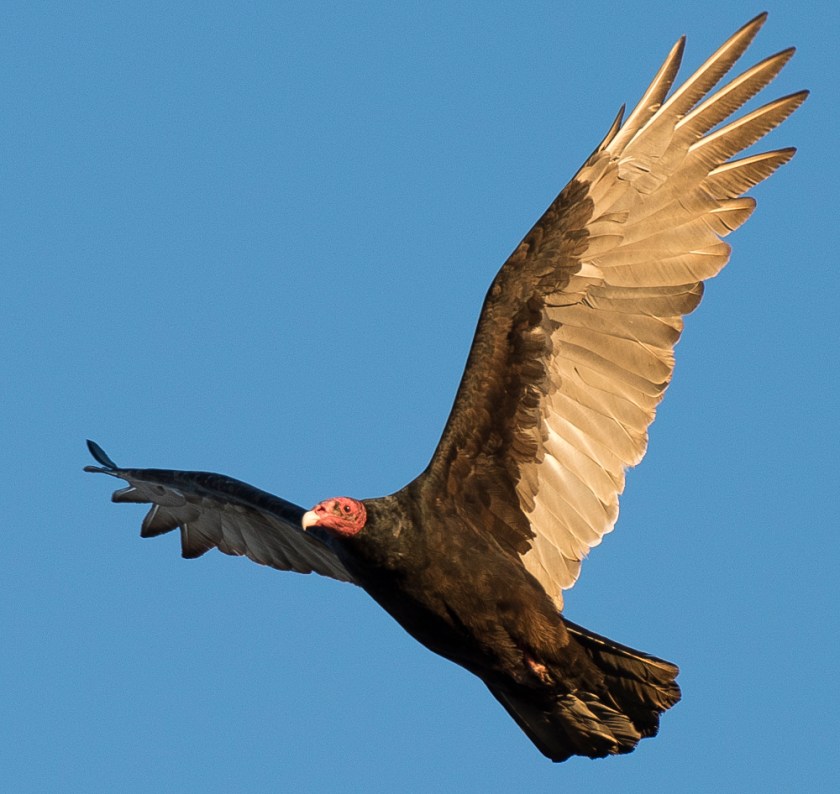
green ash Fraxinus pennsylvanica, Killdeer Charadrius vociferus,  Greater Yellowlegs Tringa melanoleuca  Common Grackle Quiscalus quiscula, Loggerhead Shrike Lanius ludovicianus,Osprey Pandion haliaetus,,American Tree Sparrow Spizelloides arborea,  Turkey Vulture Cathartes aura, Western Tiger Salamander Ambystoma mavortium,Goldenrod Gall Fly Eurosta solidaginis, Calligrapha verrucosa, Shiny Blue Bottle Fly Cynomya cadaverina

CNC YXE 2026 Infographic!

MOST OBSERVED SPECIES IN SASKATOON FOR THIS FOUR DAY STRETCH ….IN A SNOWSTORM NO LESS
Most Observed Species
ROBIN!  Turdus migratorius  64
yellow-rumped warbler  Setophaga coronata     43
dark-eyed junco Junco hyemalis  40
American crow Corvus brachyrhynchos   28
black-capped chickadee Poecile atricapillus    25
Canada goose Branta canadensis    23

By the numbers in Saskatoon, SK there were:

925📷 Observations          221🌿 Species          
          49👥 Observers          135🔍 Identifiers

For observing biodiversity and signs of life in a rare freak snowstorm, that was impressive!  Way to go Saskatoon, thank you.  

To compare to other Prairie Province cities:

Regina Saskatchewan
448📷 Observations          110🌿 Species  
          28👥 Observers          129🔍 Identifiers

Brandon Manitoba
653📷 Observations          147🌿 Species        
          18👥 Observers          92🔍 Identifiers

Winnipeg, Manitoba
1,796📷 Observations          375🌿 Species        
          95👥 Observers          241

Edmonton, Alberta
1,616📷 Observations          240🌿 Species  
          106👥 Observers          193🔍 Identifiers

Lethbridge, Alberta
1,296📷 Observations          301🌿 Species        
          40👥 Observers          199🔍 Identifiers

Red Deer Alberta results:
97📷 Observations          71🌿 Species      
10👥 Observers          28🔍 Identifiers

Calgary Alberta
4,986📷 Observations          474🌿 Species    
          152👥 Observers          335🔍 Identifiers

Visit citynaturestats.com to view the in-depth results and explore your city’s individual statistics.

World Wild Results:
City Nature Challenge 2026 Global Results!

  • Total # of species documented: 76,422+
  • Total # of observers: 106,354
  • Total # of identifiers: 27,641+
  • Total # of observations: 3,001,825
  • Rare, Endangered, or Threatened species: 5688+
  • Most Observed Plant: Common Dandelion, Taraxacum officinale
  • Most Observed Animal: Mallard, Ana platyrhynchos
  • Number of participating countries: 61
  • Number of participating cities: 754
  • Percentage of research grade observations: 40%

Afforestation Area Addresses:

Part SE 23-36-6 – Richard St. Barbe Baker Afforestation Area – 241 Township Road 362-A

Part SE 23-36-6 – SW Off-Leash Recreation Area (Richard St. Barbe Baker Afforestation Area ) – 355 Township Road 362-A

S ½ 22-36-6 Richard St. Barbe Baker Afforestation Area (West of SW OLRA) – 467 Township Road 362-A

NE 21-36-6 “George Genereux” Afforestation Area – 133 Range Road 3063

Clavet Memorial Healing Forest honouring the Humboldt Broncos.

Wikimapia Map: type in Richard St. Barbe Baker Afforestation Area or

Google Maps South West Off Leash area location pin at parking lot

Web page: https://stbarbebaker.wordpress.com

Where is the Richard St. Barbe Baker Afforestation Area? with map

Where is the George Genereux Urban Regional Park (Afforestation Area)?with map

Pinterest richardstbarbeb

Blogger: FriendsAfforestation

Tumblr friendsafforestation.tumblr.comFacebook Group Page: Users of the George Genereux Urban Regional Park

Facebook: StBarbeBaker Afforestation Area

Facebook for the non profit Charity Friends of the Saskatoon Afforestation Areas Inc. FriendsAreas

Facebook group page : Users of the St Barbe Baker Afforestation Area

Facebook: South West OLRA

Reddit: FriendsAfforestation

BlueSky Social

Mix: friendsareas

YouTube

Support via Zeffy

Please help protect / enhance your afforestation areas, please contact the Friends of the Saskatoon Afforestation Areas Inc. (e-mail / e-transfers )

Donate your old vehicle, here’s how!  

Support using Canada Helps

Support via a recycling bottle donation and Join the plastic-recycle challenge!

United Nations Decade on Ecosystem Restoration

“Be like a tree in pursuit of your cause. Stand firm, grip hard, thrust upward. Bend to the winds of heaven..” – Richard St. Barbe Baker

Biodiversity Blitz: Saskatoon’s Wild Side Gets a Standing Ovation

It’s official—the numbers are in, and Saskatoon, you’ve outdone yourselves.

As the sun rose and fell over four days of nature-inspired curiosity, a wave of boots hit the ground, lenses zoomed in on wings and petals, and a chorus of chirps, buzzes, and croaks filled the air. The City Nature Challenge 2025—our region’s own biodiversity bonanza—delivered a brilliant snapshot of life on the land, in the skies, and beneath our feet.

Let’s talk numbers, because they tell a wild story. 72 observers made 874 observations of 300 unique species, backed by the sharp eyes of 139 identifiers from around the globe. That’s not just a headcount—it’s a celebration of the diversity we live among every single day.

A Bite from the Unexpected

Among the many highlights, one encounter raised eyebrows and perhaps pulses. Melissa Clawson, a sharp-eyed vector ecologist with a soft spot for mosquitoes, identified a game-changing moment: the Anopheles quadrimaculatus, also known as the North American Malaria Mosquito. Yes, you read that right—a species with a storied past in disease transmission made its presence known in Saskatoon. This find could mark a noteworthy range expansion for the species, and it’s a powerful example of how citizen science can uncover emerging ecological stories.

Familiar Faces, Prairie Darlings

Not all our finds were ominous. Some brought pure delight that spring has arrived. Take Pulsatilla nuttalliana, the Prairie Pasqueflower, with its violet blooms ushering in spring like a prairie poet laureate. Or the ever-endearing Turdus migratorius, the American Robin, whose cheerful call reminded us that even our most common neighbours are essential threads in this ecological quilt.

Quietly at Risk

But this year’s challenge did more than entertain—it informed. Several species documented during the blitz are species at risk, painting a more sobering but essential portrait of our shared responsibilities.

  • The Twice-stabbed Lady Beetle (Chilocorus stigma)—a striking, tiny beetle with a superhero name—was spotted twice. A beneficial predator of scale insects, its numbers have been in decline elsewhere.
  • The Togwotee Harvestman (Togwoteeus biceps)—rare, reclusive, and just plain weird—was observed twice as well, a haunting reminder of how much we still don’t know about the understory.
  • The Horned Grebe (Podiceps auritus), whose red eyes and slick profile belie its vulnerability, surfaced in local waters.
  • Spring Cankerworm Moths (Paleacrita vernata) made a strong showing, their understated appearance belying their ecological role—and, in some areas, their precarious future.
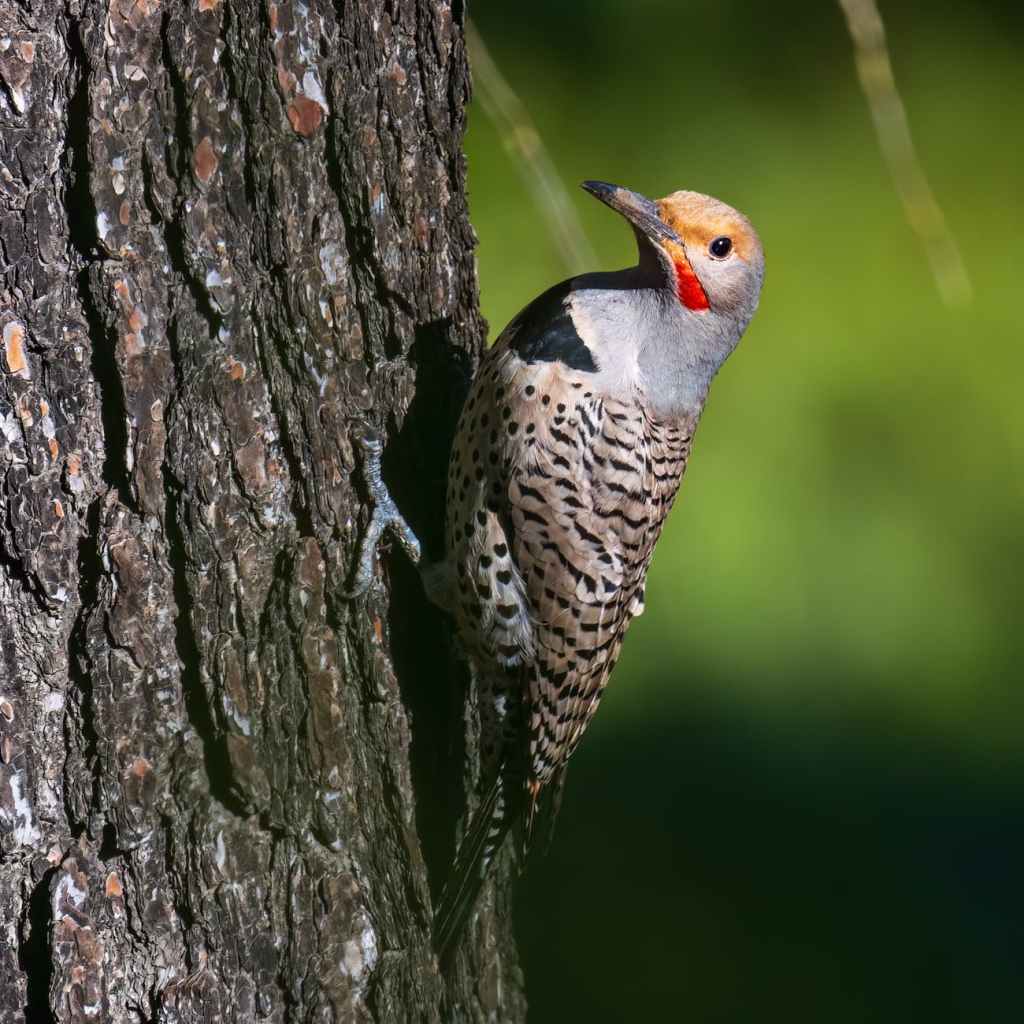
  • Turkey Vultures (Cathartes aura) and Pileated Woodpeckers (Dryocopus pileatus)—those iconic silhouettes—remind us of the success of conservation efforts, and the thin line they walk.
  • And let’s not forget the Red-tailed Mining Bee (Andrena erythrogaster), a pollinator whose presence is as hopeful as it is vital.

Even flora had their moment. Rough Fescue (Festuca hallii), a hallmark of healthy native grassland, stood proud. American Elm (Ulmus americana) and Green Ash (Fraxinus pennsylvanica), which face threats from disease and invasive pests, were also logged. Their inclusion in the dataset is a quiet plea for protection.

Behind the Scenes

Of course, none of this would have been possible without the army of community scientists and nature nerds—armed with smartphones, hand lenses, and a love for the wild. But let’s shine a spotlight on those who made the whole thing happen.

The Friends of the Saskatoon Afforestation Areas, a nonprofit environmental charity, didn’t just participate—they launched this year’s CNC YXE 2025 campaign. From designing educational pamphlets and creating social media buzz to rallying the public and coordinating the effort, their tireless organizing made this event sing. Their voice echoed across Saskatoon—”come see what’s out there!”—and people listened.

And it wasn’t just them. Heartfelt thanks are also due to Sask Power, SaskTel, SaskEnergy, the Saskatoon Nature Society, the Saskatoon Public School Board, and Wild About Saskatoon. Your support turned curiosity into community, and data points into stories. You and all the countless volunteers and citizen scientists helped make sure that each photo snapped, each bird spotted, each beetle discovered, added up to something much larger—a moment of connection between a city and its natural surroundings.

So here’s to the moss-covered, the many-legged, the winged, and the wild. Saskatoon, you showed your true colours this year—and they’re vibrant, rare, and absolutely worth protecting.

Let’s do it again next year.

Addresses:

Part SE 23-36-6 – Richard St. Barbe Baker Afforestation Area – 241 Township Road 362-A

Part SE 23-36-6 – SW Off-Leash Recreation Area (Richard St. Barbe Baker Afforestation Area ) – 355 Township Road 362-A

S ½ 22-36-6 Richard St. Barbe Baker Afforestation Area (West of SW OLRA) – 467 Township Road 362-A

NE 21-36-6 “George Genereux” Afforestation Area – 133 Range Road 3063

Wikimapia Map: type in Richard St. Barbe Baker Afforestation Area

Google Maps South West Off Leash area location pin at parking lot

Web page: https://stbarbebaker.wordpress.com

Where is the Richard St. Barbe Baker Afforestation Area? with map

Where is the George Genereux Urban Regional Park (Afforestation Area)?with map

Pinterest richardstbarbeb

Blogger: FriendsAfforestation

Tumblr friendsafforestation.tumblr.comFacebook Group Page: Users of the George Genereux Urban Regional Park

Facebook: StBarbeBaker Afforestation Area

Facebook for the non profit Charity Friends of the Saskatoon Afforestation Areas Inc. FriendsAreas

Facebook group page : Users of the St Barbe Baker Afforestation Area

Facebook: South West OLRA

Reddit: FriendsAfforestation

BlueSky Social

Mix: friendsareas

YouTube

Support via Zeffy

Please help protect / enhance your afforestation areas, please contact the Friends of the Saskatoon Afforestation Areas Inc. (e-mail / e-transfers )

Donate your old vehicle, here’s how!  

Support using Canada Helps

Support via a recycling bottle donation and Join the plastic-recycle challenge!

United Nations Decade on Ecosystem Restoration

““Be like a tree in pursuit of your cause. Stand firm, grip hard, thrust upward. Bend to the winds of heaven..”

Richard St. Barbe Baker

Saskatoon’s Ecological Wonders: Wildlife Conservation Celebration

On December 4th, join the world in celebrating Wildlife Conservation Day with a visit to the Richard St. Barbe Baker Afforestation Area and George Genereux Urban Regional Park in Saskatoon, Saskatchewan. These awe-inspiring man-made forests create a unique eco-tone that is home to an abundance of wildlife, including birds and animals, as well as flora and fauna. Come out and explore these winter wonderlands while learning about winter bird feeding do’s and don’ts. And if you’re feeling extra inspired, join the Friends of the Saskatoon Afforestation Areas to help protect and document the amazing wildlife in these areas. Celebrate Wildlife Conservation Day with a visit to these two remarkable afforestation areas!

Overview of wildlife conservation day and location

Every year on December 4th, Wildlife Conservation Day is celebrated around the world. This day serves as a reminder to appreciate and protect nature’s wild creatures for future generations. Saskatoon, Saskatchewan offers two remarkable parks that provide incredible habitat for birds and animals, as well as flora and fauna native to the area: Richard St. Barbe Baker Afforestation Area and George Genereux Urban Regional Park. Established in 1972 and named in 1978, the two afforestation areas have been supported by Friends of Saskatoon Afforestation Areas since 2015 clean ups, and officially becoming a charity in 2019. The Friends are committed to conserving these eco-tone parks.

The Richard St. Barbe Baker Afforestation Area offers visitors a chance to explore its network of walking or biking trails while at George Genereux Urban Regional Park there are wetlands, woodlands, meadows and prairies featuring even more wildlife activities such as winter bird feeding do’s and don’ts – from what types of food they should eat during colder months to how we can feed them safely whilst preserving their habitats! On December 4th Friends of the Saskatoon Afforestation Areas invite you to join them in their mission towards protecting these stunning man-made forests with various activities dedicated solely to this cause!

Richard St. Barbe Baker Afforestation Area: wetlands, woodlands and meadows

The Richard St. Barbe Baker Afforestation Area in Saskatoon, Saskatchewan, Canada is an incredible man-made forest and a prime example of a moist mixed grasslands ecosystem. This area is home to a variety of wildlife, including more than 200 species of birds that can be seen year round. Mammals such as white-tailed deer and jackrabbits also make their home here, while wildflowers abound in the spring and summer months.

This afforestation area provides an ideal habitat for its animal residents due to its wide range of ecosystems. The wetlands are full of aquatic plants and many amphibian species such as frogs and salamanders, while woodlands provide shelter for birds and small mammals like squirrels. The meadows bursting with different flowers attract bees and butterflies throughout the summer months, providing food for other animals such as bats.

For those wanting to explore the park further, trails provide a great way to appreciate the diversity of this ecosystem. The trails range from easy to moderate difficulty and are often lined with wildflowers, cattails, and other native plants. Birdwatchers can keep an eye out for some of the species that call this park home such as red-winged blackbirds, northern harriers, killdeer and more. With its unique blend of woodlands, meadows and prairies teeming with life, Richard St. Barbe Baker Afforestation Area is a must see for anyone looking to experience nature in all its glory!

George Genereux Urban Regional Park: flora and fauna

It’s important to appreciate each of these ecosystems within the afforestation area so we can better understand how to protect them from destruction or overuse. We need to take time to celebrate Wildlife Conservation Day on December 4th by exploring this unique afforested area and learning how our actions will affect its marvelous wildlife inhabitants. Join Friends of the Saskatoon Afforestation Areas on December 4th for activities dedicated solely to protecting this amazing man-made forest!

Winter bird feeding do’s and don’ts

Winter bird feeding can be a great way to enjoy watching birds in the winter months while also helping to conserve wildlife. However, it’s important to follow certain guidelines in order to ensure the health and safety of the birds. Here are some do’s and don’ts for winter bird feeding that you should keep in mind when visiting Saskatoon’s Richard St. Barbe Baker Afforestation Area or George Genereux Urban Regional Park:

Do offer a variety of seed types: Different species of birds prefer different types of food, so make sure you provide a variety of seeds to attract more birds. Sunflower seeds, millet and safflower are all good options for providing energy-rich foods that most birds will enjoy.

Do provide fresh water: Birds need access to clean water year-round, but this is especially important during the winter months when there is less natural water available due to frozen ground or snow accumulation. Make sure you regularly refill your bird bath with fresh water, as well as periodically cleaning it out to prevent algae buildup.

Do use feeders that are safe from predators: Raptors such as hawks and owls may come around looking for an easy meal if they know there is food nearby. To protect your feathered friends from these predators, use feeders with covers that have small openings so they can still get their food but larger predators won’t be able to reach them.

Don’t use feeders with sharp edges or deep bowls: If you’re using a homemade feeder, make sure it doesn’t have any sharp edges or deep bowls that could injure smaller birds while they’re eating. Additionally, avoid placing bird feeders too close together as this could lead to fighting among species over food sources.

By following these tips, you can ensure a safe and comfortable environment for the birds visiting Saskatoon’s afforestation areas during the colder months while helping them thrive in their habitats!

Join the Friends of the Saskatoon Afforestation Areas

Celebrate Wildlife Conservation Day by joining the Friends of the Saskatoon Afforestation Areas and help protect these amazing man-made forests. This volunteer group was created to assist with the conservation and protection of these two afforestation areas. The organization focuses on protecting the wildlife in these areas, as well as encouraging visitors to experience nature in its purest form.

Membership is open to anyone who wants to contribute their time and efforts towards the conservation of these afforestation areas. You can also donate money or supplies if you are unable to contribute your time. Become a member of this organization and stay up-to-date on their activities through their newsletter, blog posts, and social media accounts. Additionally, attend their virtual monthly meetings where you can discuss plans for conservation and protection of the afforestation areas with other members of the organization.

Share your experiences with others by writing reviews or taking pictures while visiting these natural wonders and post them online. By joining this organization, you can help ensure that these magnificent forests are protected for future generations to come. Invite your friends, family, neighbors, or co-workers along too! It only takes one small action from each person to make a big difference in preserving our planet’s precious resources.

or directions as to how to drive to “George Genereux” Urban Regional Park
For directions on how to drive to Richard St. Barbe Baker Afforestation Area
For more information:
Blairmore Sector Plan Report; planning for the Richard St. Barbe Baker Afforestation Area, George Genereux Urban Regional Park and West Swale and areas around them inside of Saskatoon city limits
NEW P4G District Official Community Plan
Richard St. Barbe Baker Afforestation Area is located in Saskatoon, Saskatchewan, Canada north of Cedar Villa Road, within city limits, in the furthest south west area of the city. 52° 06′ 106° 45′
Addresses:
Part SE 23-36-6 – Afforestation Area – 241 Township Road 362-A
Part SE 23-36-6 – SW Off-Leash Recreation Area (Richard St. Barbe Baker Afforestation Area ) – 355 Township Road 362-A
S ½ 22-36-6 Richard St. Barbe Baker Afforestation Area (West of SW OLRA) – 467 Township Road 362-A
NE 21-36-6 “George Genereux” Afforestation Area – 133 Range Road 3063
Wikimapia Map: type in Richard St. Barbe Baker Afforestation Area
Google Maps South West Off Leash area location pin at parking lot
Web page: https://stbarbebaker.wordpress.com
Where is the Richard St. Barbe Baker Afforestation Area? with map
Where is the George Genereux Urban Regional Park (Afforestation Area)?with map
Pinterest richardstbarbeb
Blogger: FriendsAfforestation
Tumblr friendsafforestation.tumblr.comFacebook Group Page: Users of the George Genereux Urban Regional Park
Facebook: StBarbeBaker Afforestation Area
Facebook for the non profit Charity Friends of the Saskatoon Afforestation Areas Inc. FriendsAreas
Facebook group page : Users of the St Barbe Baker Afforestation Area
Facebook: South West OLRA
Reddit: FriendsAfforestation
Twitter: St Barbe Baker Charity Twitter:FriendsAreas
Mix: friendsareas
YouTube
Please help protect / enhance your afforestation areas, please contact the Friends of the Saskatoon Afforestation Areas Inc. (e-mail / e-transfers )Support the afforestation areas with your donation or membership ($20.00/year). Please donate by paypal or by using e-transfers Please and thank you! Your donation and membership is greatly appreciated. Members e-mail your contact information to be kept up to date!
Donations can be made through Paypal, Canada Helps, Contact Donate A Car Canada, SARCAN Drop & Go 106100594 for the Friends of the Saskatoon Afforestation Areas Inc.
United Nations Decade on Ecosystem Restoration
Use the UN Decade’s Visual Identity
Make it your own
Spread the word about the UN Decade
Let’s Bring Back Forests
Let’s Green Our Cities
“Be like a tree in pursuit of your cause. Stand firm, grip hard, thrust upward. Bend to the winds of heaven..”
Richard St. Barbe Baker

Design a site like this with WordPress.com
Get started