The Cathedral of the Night: Finding the Lost Cosmos in Saskatoon’s Southwest

As the sun dips below the horizon on Monday, April 13, a quiet transformation begins. For most of the modern world, this is the hour when the “second sun”—the relentless, amber hum of high-pressure sodium and LED glare—flickers to life, erasing the universe from view. But as we usher in International Dark Sky Week, there remains a sanctuary on the peri-urban fringes of Saskatoon where the ancient contract between humanity and the stars is still honored.

To find it, one must travel southwest, away from the city’s light-choked core, to the sprawling shadows of the Richard St. Barbe Baker Afforestation Area and George Genereux Urban Regional Park. Here, the urban grid dissolves into a silhouette of trees, and the sky ceases to be a gray ceiling; it becomes an abyss of wonder.

The Wild Architecture of the West Swale

In the stillness of these afforestation areas, the night is far from empty. It is a bustling, hidden metropolis. As the light fades over the West Swale wetlands, the “wild Saskatchewan nightlife” takes center stage. This is not the clatter of commerce, but the rhythmic pulse of an ecosystem that evolved over eons to function in the dark.

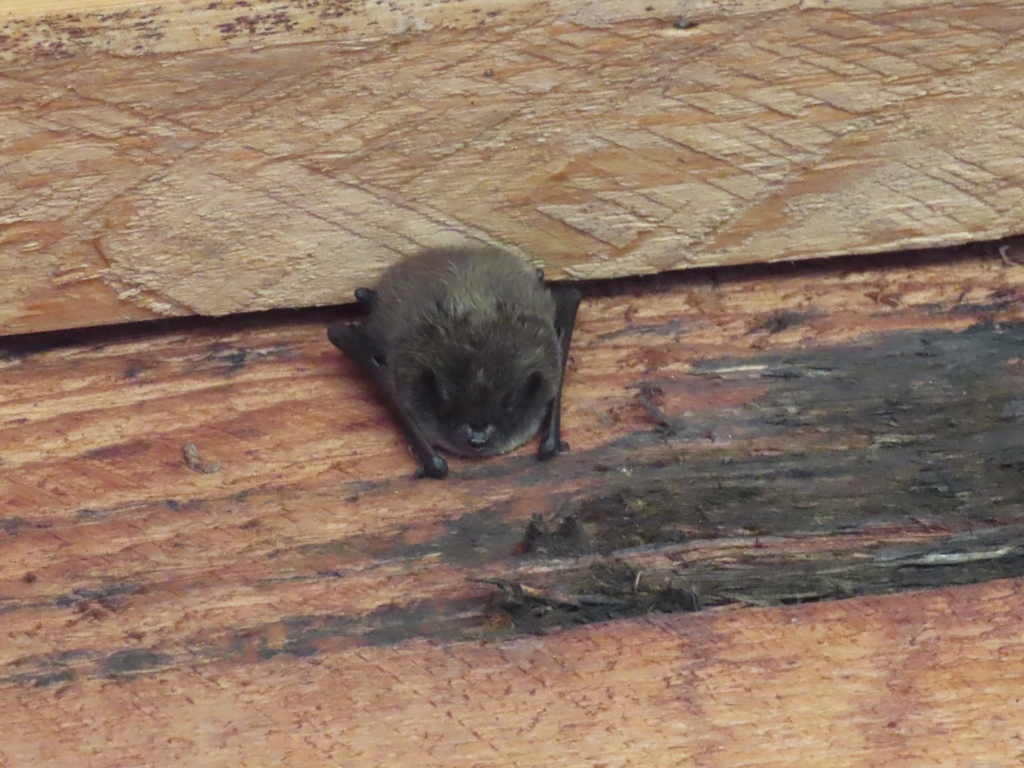
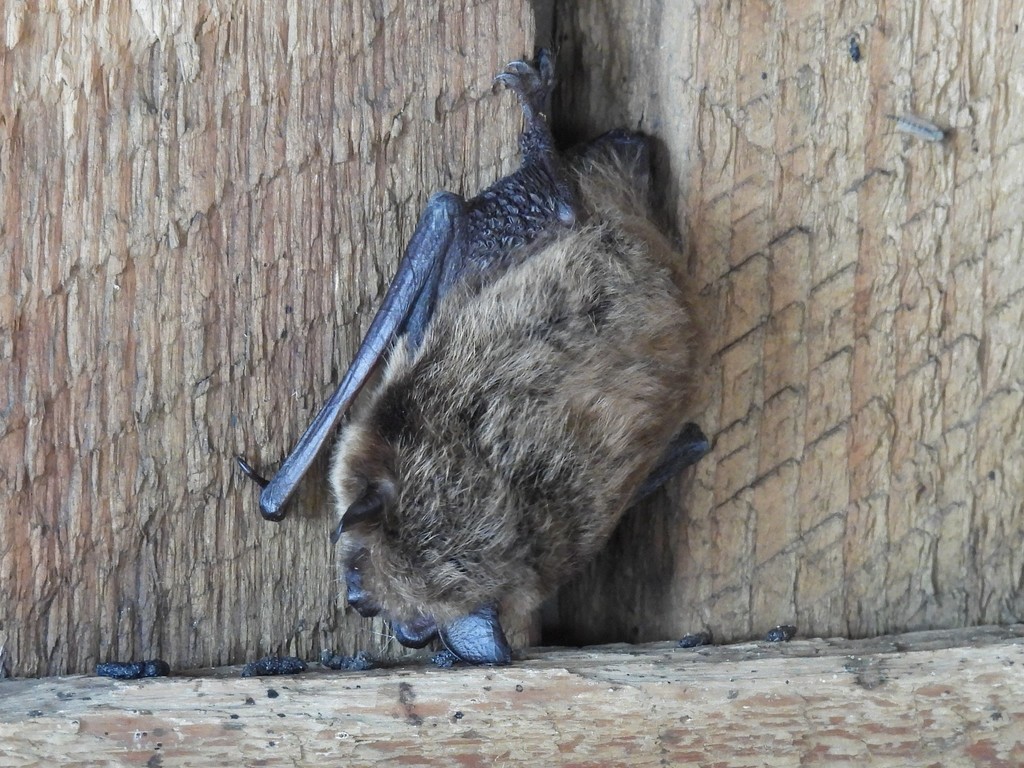
Out of the gallery of trees, the silhouettes of the night-fliers emerge. Among them are the Little Brown Myotis and the Northern Long-eared Bat, species now treading the precarious edge of the endangered list. These masters of echolocation are the sentinels of our night. To them, light pollution is not merely a nuisance; it is a barrier, a disruption of the predatory dance they have performed since the dawn of time. When we flood the night with artificial glare, we blind the nocturnal, turning their sanctuary into a gauntlet.

A Symphony in Shadow

The wetlands of the Swale act as a dark-mirror to the heavens. In the absence of city glow, the choir of the marsh reaches a crescendo, undisturbed by the biological confusion that artificial light brings to mating cycles and migration. This is the importance of International Dark Sky Week—it is a reminder that darkness is not the absence of life, but a requirement for it.

The Richard St. Barbe Baker and George Genereux lands are more than just parks; they are “star-grain” elevators, holding the precious resource of the cosmos for the next generation. Standing in the center of these woods, the Milky Way reveals itself not as a faint smudge, but as a frosted river of fire, casting soft shadows on the forest floor. It is a humbling reminder that we are citizens of a galaxy, not just residents of a municipality.

The Case for the Permanent Night

While April 13 marks the beginning of our celebration, the philosophy of the dark must be a year-round commitment. We have lived so long in the “electric cocoon” that we have forgotten the profound psychological and ecological necessity of a truly dark night. A dark sky preserves our health, guides the bird on its path, and grants the poet his muse.

As the wind whispers through the poplars of the southwest, let us recognize that darkness is an endangered species of its own. By shielding our lights and preserving the shadows of the West Swale, we aren’t just saving energy—we are reclaiming our place among the stars. This week, turn your eyes upward. The universe is waiting for you in the quiet, dark corners of Saskatoon.


“Darkness is as essential to our biological welfare, to our evolutionary heritage, as light itself.” — Inspired by the philosophy of the International Dark-Sky Association.

Part SE 23-36-6 – Richard St. Barbe Baker Afforestation Area – 241 Township Road 362-A

Part SE 23-36-6 – SW Off-Leash Recreation Area (Richard St. Barbe Baker Afforestation Area ) – 355 Township Road 362-A

S ½ 22-36-6 Richard St. Barbe Baker Afforestation Area (West of SW OLRA) – 467 Township Road 362-A

NE 21-36-6 “George Genereux” Afforestation Area – 133 Range Road 3063

Wikimapia Map: type in Richard St. Barbe Baker Afforestation Area or

Google Maps South West Off Leash area location pin at parking lot

Web page: https://stbarbebaker.wordpress.com

Where is the Richard St. Barbe Baker Afforestation Area? with map

Where is the George Genereux Urban Regional Park (Afforestation Area)?with map

Pinterest richardstbarbeb

Blogger: FriendsAfforestation

Tumblr friendsafforestation.tumblr.comFacebook Group Page: Users of the George Genereux Urban Regional Park

Facebook: StBarbeBaker Afforestation Area

Facebook for the non profit Charity Friends of the Saskatoon Afforestation Areas Inc. FriendsAreas

Facebook group page : Users of the St Barbe Baker Afforestation Area

Facebook: South West OLRA

Reddit: FriendsAfforestation

BlueSky Social

Mix: friendsareas

YouTube

Support via Zeffy

Please help protect / enhance your afforestation areas, please contact the Friends of the Saskatoon Afforestation Areas Inc. (e-mail / e-transfers )

Donate your old vehicle, here’s how!  

Support using Canada Helps

Support via a recycling bottle donation and Join the plastic-recycle challenge!

United Nations Decade on Ecosystem Restoration

““Be like a tree in pursuit of your cause. Stand firm, grip hard, thrust upward. Bend to the winds of heaven..”

Show us your spots! City Nature Challenge 2025

Springtime in Saskatchewan brings new life, and what better way to celebrate the season than by getting outside and exploring the fascinating world of spots in nature? As Easter break overlaps with the City Nature Challenge (CNC YXE 2025), taking place from April 25 to April 28, 2025, we’ve got the perfect way to reconnect with nature—by documenting the incredible wildlife and plants around us!

The Spotty Challenge
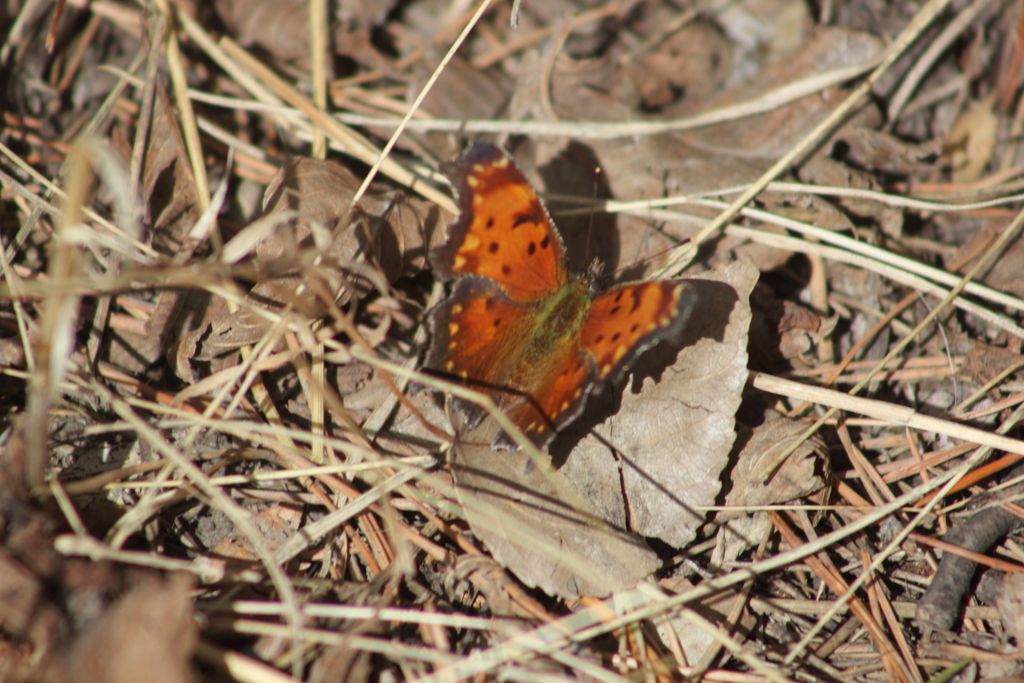
The City Nature Challenge isn’t just about discovering all the amazing wildlife in our area—it’s about contributing to a global effort to protect biodiversity. Today, right now, we’re focusing on one quirky theme: Spots. From ladybugs to leopard frogs, birds to beetles, there are countless organisms in Saskatchewan that sport spots in some form. Even leaves with egg spots count! We invite you to think about which organisms in your neighborhood have those signature markings and share your findings with the world.

When you think of “spots” in Saskatchewan, what comes to mind? Perhaps you’ll find lady beetles, Northern Flickers, or even the distinctive markings of a Northern Leopard Frog. Look closely at the plants and fungi around you too—there’s a lot more to spots than meets the eye. We’re all eager to see what you discover and share with the CNC community.

The City Nature Challenge 2025: Celebrate Nature and Earth Month


The CNC YXE 2025 marks the 10th anniversary of the City Nature Challenge and the 55th birthday of Earth Month. What better way to celebrate than by being part of a global movement dedicated to documenting and understanding nature? During Easter Break, while you’re enjoying some time off from school or work, step outside with your smartphone and explore. Use the iNaturalist app to record and photograph wild organisms you find—whether in your yard, at the bus stop, along the sidewalk, or in local parks. Every contribution adds to our understanding of local biodiversity and supports conservation efforts worldwide.

How to Participate

  1. Create an iNaturalist account: The iNaturalist app is your main tool for documenting wildlife. It’s easy to use and helps you track your observations while contributing to a global database.
    • Download the iNaturalist app on Apple or Android.
    • Need help getting started? Check out the iNaturalist tutorial to learn how to upload your observations and make the most of the app.
  2. Join the CNC YXE 2025 Project:
    By joining the City Nature Challenge project, you’ll receive updates and be able to monitor how we’re doing compared to other communities. You can even check out observations from around the world and track our progress in real time.
  3. Observe & Upload (April 25–28):
    The observation phase of the CNC will run from April 25–28. Go outside and find as many wild organisms as you can—be they plants, fungi, animals, or even critters with spots! You can upload your photos to iNaturalist and contribute to global biodiversity data.
  4. Help with Identification (April 29–May 4):
    Once the observation phase ends, the identification phase begins! Help identify species by reviewing observations made by others. Whether you’re a beginner or a seasoned nature enthusiast, there’s always something new to learn and contribute. Not sure what something is? Don’t worry! iNaturalist’s computer vision can assist in making suggestions.

Why Should You Participate?
The CNC is more than just a fun outdoor activity—it’s a chance to connect with your local environment, build a community around nature, and make meaningful contributions to global conservation. It’s a wonderful way to connect with nature as a family during the Easter break! Whether you’re just getting started or a seasoned naturalist, there’s always something new to discover.

Plus, the competition is friendly! The CNC fosters a sense of community and collaboration, encouraging people from all backgrounds to join in and contribute. Whether you’re at home or on a nature walk, your observations will help paint a picture of the incredible biodiversity in our area.

Let’s Make This Year’s CNC the Best Yet!
As Saskatoon and surrounding areas enjoy their Easter break from April 19 to April 27, now is the perfect time to step into nature and start documenting. From backyard bugs to birds in the sky, spots are everywhere—and we want to see them all! Share your findings, join the global conversation, and help us celebrate both Earth Month 55th birthday and the City Nature Challenge’s 10th birthday.

Don’t forget to tag your observations with the #CNCYXE2025 and #spotty to share your spotty discoveries and help us show the world just how vibrant our local biodiversity really is!

Happy spotting!

Come to Nature, Come to Life! …and there are free events!

For directions as to how to drive to “George Genereux” Urban Regional Park

For directions on how to drive to Richard St. Barbe Baker Afforestation Area

For more information:

Blairmore Sector Plan Report; planning for the Richard St. Barbe Baker Afforestation Area, George Genereux Urban Regional Park and West Swale and areas around them inside of Saskatoon city limits

NEW P4G District Official Community Plan

Richard St. Barbe Baker Afforestation Area is located in Saskatoon, Saskatchewan, Canada north of Cedar Villa Road, within city limits, in the furthest south west area of the city. 52° 06′ 106° 45′

Addresses:

Part SE 23-36-6 – Richard St. Barbe Baker Afforestation Area – 241 Township Road 362-A

Part SE 23-36-6 – SW Off-Leash Recreation Area (Richard St. Barbe Baker Afforestation Area ) – 355 Township Road 362-A

S ½ 22-36-6 Richard St. Barbe Baker Afforestation Area (West of SW OLRA) – 467 Township Road 362-A

NE 21-36-6 “George Genereux” Afforestation Area – 133 Range Road 3063

Wikimapia Map: type in Richard St. Barbe Baker Afforestation Area

Google Maps South West Off Leash area location pin at parking lot

Web page: https://stbarbebaker.wordpress.com

Where is the Richard St. Barbe Baker Afforestation Area? with map

Where is the George Genereux Urban Regional Park (Afforestation Area)?with map

Pinterest richardstbarbeb

Blogger: FriendsAfforestation

Tumblr friendsafforestation.tumblr.comFacebook Group Page: Users of the George Genereux Urban Regional Park

Facebook: StBarbeBaker Afforestation Area

Facebook for the non profit Charity Friends of the Saskatoon Afforestation Areas Inc. FriendsAreas

Facebook group page : Users of the St Barbe Baker Afforestation Area

Facebook: South West OLRA

Reddit: FriendsAfforestation

BlueSky Social

Mix: friendsareas

YouTube

Support via Zeffy

Please help protect / enhance your afforestation areas, please contact the Friends of the Saskatoon Afforestation Areas Inc. (e-mail / e-transfers )

Donate your old vehicle, here’s how!  

Support using Canada Helps

Support via a recycling bottle donation and Join the plastic-recycle challenge!

United Nations Decade on Ecosystem Restoration

““Be like a tree in pursuit of your cause. Stand firm, grip hard, thrust upward. Bend to the winds of heaven..”
Richard St. Barbe Baker

Design a site like this with WordPress.com
Get started