Richard St. Barbe Baker Afforestation Area. George Genereux Urban Regional Park. Humboldt Broncos Memorial Forest. Come to Nature. Come to Life. Friends of the Saskatoon Afforestationk Areas Inc. friendsareas.ca
Richard St. Barbe Baker Afforestation Area is located in Saskatoon, Saskatchewan, Canada north of Cedar Villa Road, within city limits, in the furthest south west area of the city. 52° 06′ 106° 45′
Addresses:
Part SE 23-36-6 – Afforestation Area – 241 Township Road 362-A
Part SE 23-36-6 – SW Off-Leash Recreation Area (Richard St. Barbe Baker Afforestation Area ) – 355 Township Road 362-A
S ½ 22-36-6 Richard St. Barbe Baker Afforestation Area (West of SW OLRA) – 467 Township Road 362-A
NE 21-36-6 “George Genereux” Afforestation Area – 133 Range Road 3063
Wikimapia Map: type in Richard St. Barbe Baker Afforestation Area
Google Maps South West Off Leash area location pin at parking lot
In a heartwarming display of community spirit, the South West Dog Park recently received a generous gift that has left its users feeling overjoyed. Without revealing specifics to protect the surprise, we extend our deepest gratitude to Dave Anderchek of Platinum Homes Plus for his remarkable act of kindness.
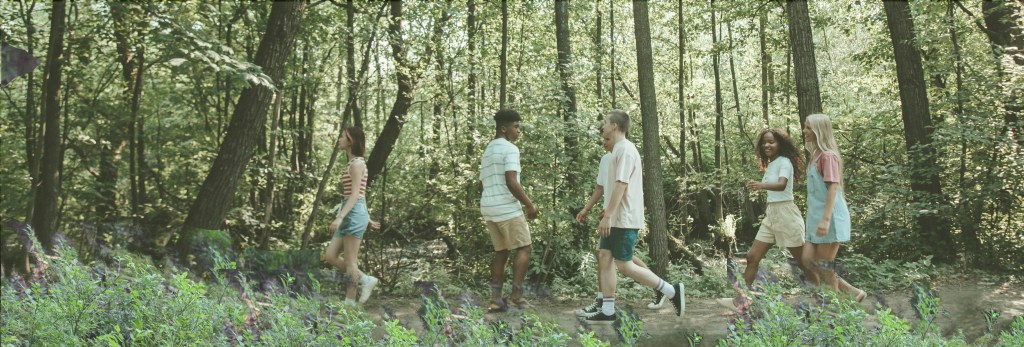
People walking and talking in the forestCome to Nature Come to LifePeople walking and talking in the forest
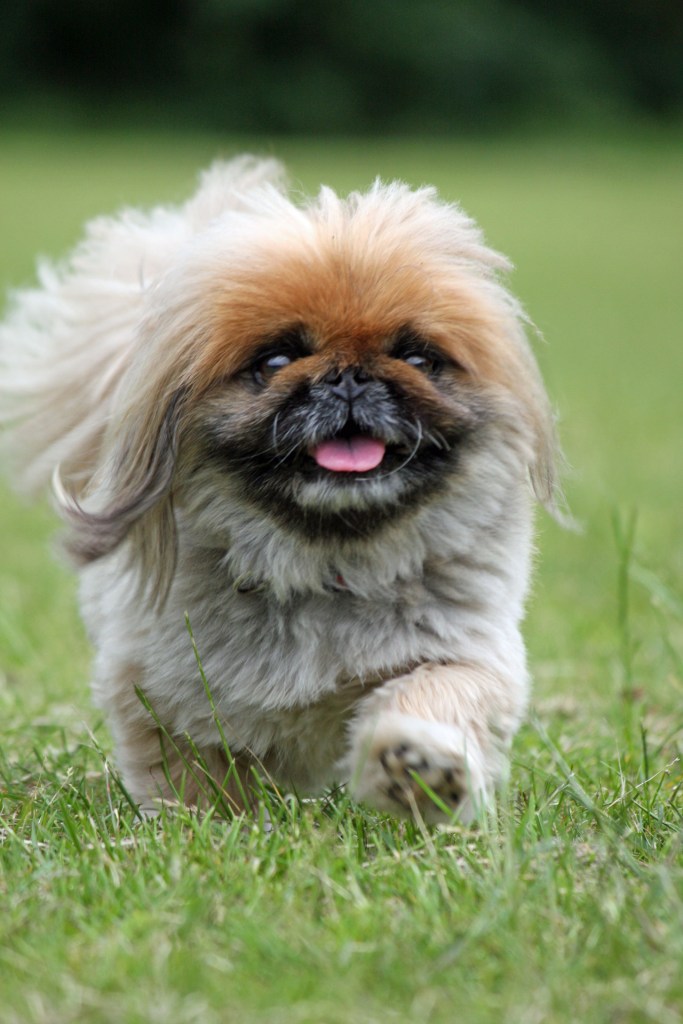
The installation has provided a delightful addition to our beloved park, enhancing the experience for both dogs and their human companions. Its presence fosters a sense of community and camaraderie, offering a welcoming space for gatherings and relaxation.
On behalf of all the park users, we express our sincerest thanks to Dave Anderchek and Platinum Homes Plus. Your generosity has made a lasting impact, and we are truly grateful for your support.
Next time you see Dave Anderchuk or pass by Platinum Homes Plus, be sure to express your gratitude and say thanks!
South West Off Leash Recreation Area. Richard St. Barbe Baker Afforestation Area. Saskatoon, Saskatchewan, Canada
Richard St. Barbe Baker Afforestation Area is located in Saskatoon, Saskatchewan, Canada north of Cedar Villa Road, within city limits, in the furthest south west area of the city. 52° 06′ 106° 45′
Addresses:
Part SE 23-36-6 – Afforestation Area – 241 Township Road 362-A
Part SE 23-36-6 – SW Off-Leash Recreation Area (Richard St. Barbe Baker Afforestation Area ) – 355 Township Road 362-A
S ½ 22-36-6 Richard St. Barbe Baker Afforestation Area (West of SW OLRA) – 467 Township Road 362-A
NE 21-36-6 “George Genereux” Afforestation Area – 133 Range Road 3063
Wikimapia Map: type in Richard St. Barbe Baker Afforestation Area
Google Maps South West Off Leash area location pin at parking lot
To the residents of this vibrant neighborhood, we want to extend our heartfelt appreciation for the incredible work you do in nurturing this unique and established community and preserving the natural beauty of the surroundings. Caswell Hill truly stands out as a haven of greenery and connection to nature, thanks in large part to your dedication and efforts.
One of the jewels of our neighborhood is the unique Ashworth Holmes Park, with its expansive oval shape and accessible playground. It’s a place where families gather for picnics, where children laugh and play, and where neighbors come together to enjoy the beauty of the outdoors. From the local dog park to the Mayfair Bowling Club, there’s something for everyone to enjoy in this historic park. So many reasons to be out and about, and with iNaturalist loaded to the smart phone, an amazing time to Be the Voice for Nature!
But what truly sets Caswell Hill apart is the abundant biodiversity that thrives here. As we stroll through the boulevards, admire the yards, and alleys adorned with colorful flowers and greenery, we’re reminded of the deep connection between this community and the natural world. It’s inspiring to see residents transforming their lawns into clover lawns, and pollinator paradise gardens, attracting beneficial insects like bees and harmless parasitoid wasps that play vital roles in our ecosystem. What will you discover?
And let’s not forget about the four-leaf clovers that grace this area hiding within neighborhood pollinator paradise yards, and clover lawns. Legends and folklore have long celebrated these rare finds, with tales of fairies and good luck swirling around them. Whether you believe in their mystical powers or not, there’s no denying the joy of stumbling upon one of these elusive charms. What will you discover? And do you think four leaf clovers are lucky? Have you ever found one?
So, as we celebrate the beauty and biodiversity of Caswell Hill, we want to express our gratitude to the Community Association for their tireless efforts in preserving and enhancing this neighborhood and for spreading the word about the City Nature Challenge. Thank you for creating a place where nature thrives, where families come together outside, and where the spirit of community shines bright. What an adventure to combine the charm of this established neighbourhood and all its amenities with the iNaturalist app on the smart phone, an exciting way to awaken connection to nature, enhance your observation skills, and deepen your curiosity!
What a great opportunity to explore this area of the city for biodiversity for the City Nature Challenge CNC YXE 2024!
A Tapestry of Resilience: The Saga of Saskatoon’s Afforestation Areas
In the latest edition of Saskatoon Nature Society’s Nature Notes, a rich tapestry of history unfolds, weaving together the remarkable journey of the Friends of the Saskatoon Afforestation Areas. From the mid 20th century to the present day, this chronicle reveals the enduring spirit of stewardship and community that has shaped these two Saskatoon’s green spaces.
In the mid twentieth century, as the prairie winds whispered tales of ecological imbalance, visionaries embarked on a bold endeavor to reclaim the land from erosion’s grasp. Inspired by a desire to nurture biodiversity and combat the encroaching urban sprawl, the Afforestation Areas initiative took root. Through meticulous planning and laborious effort, thousands of trees were planted, 200,000 in fact, transforming barren landscapes into thriving ecosystems.
In the early years, dedicated individuals like Bert Wellman, City Manager and Director of Planning and Development; Bill Graham, urban planner and Alex Ligtermoet, Assistant Parks Superintendent laid the groundwork for what would become a beacon of conservation in Saskatchewan. Their tireless advocacy and hands-on involvement galvanized community support, laying the foundational sustainability inspiration for the Friends of the Saskatoon Afforestation Areas.
Naming local landmarks and public areas not only instills a sense of identity in our communities but also cultivates a feeling of attachment and inclusivity. By christening our greenspaces honouring George Genereux, Richard St. Barbe Baker, Bruce Gordon and B.T. Chappell, we pay homage to historical narratives and evoke vivid imagery that reflects our shared past and present achievements.
Through years marked by shifting priorities and economic challenges, the Friends remained steadfast in their commitment to safeguarding these precious green spaces. As urbanization encroached upon the outskirts of Saskatoon, they became champions for the preservation of natural habitats, advocating for responsible development and mindful stewardship.
The Nature Notes article chronicles the trials and triumphs encountered along the way – from bureaucratic hurdles to the ongoing challenge of securing protected status for the afforestation areas. Through it all, a resilient community emerged, united by a common love for nature and a shared vision for the future.
Today, as climate change looms large and the pressures of urban expansion intensify, the Friends of the Saskatoon Afforestation Areas continue their vital work. Through restoration projects, educational initiatives, and community engagement, they strive to ensure that future generations will inherit a legacy of biodiversity and beauty.
As readers immerse themselves in the pages of Nature Notes, they are invited to witness the unfolding story of Saskatoon’s Afforestation Areas – a story of resilience, collaboration, and the enduring power of nature. In these green spaces, where the echoes of the past mingle with the promise of the future, the spirit of stewardship thrives, reminding us of our interconnectedness with the land and each other.
Which is the segway for calling all citizens of Saskatoon and Area! from April 26 to April 29, 2024 we’re hoping you’ll venture outdoors and take part in #CNC #CityNatureChallenge Saskatoon and Area! Get out and about recording wildlife observations and contributing to this chance to place Saskatoon and Area on the world stage! CNC YXE DNU.
This #CNC event is hosted by the Friends of the Saskatoon Afforestation Areas, and sponsored by SaskTel, SaskPower and the Saskatoon Nature Society with support from City of Saskatoon, Wild About Saskatoon, Varsity View Community Association, SOS Trees Inc., Rosewood Varsity View Community Association, Nutana Varsity View Community Association, Montgomery Place Varsity View Community Association. Please reach out should you wish to sponsor, volunteer or collaborate.
Richard St. Barbe Baker Afforestation Area is located in Saskatoon, Saskatchewan, Canada north of Cedar Villa Road, within city limits, in the furthest south west area of the city. 52° 06′ 106° 45′
Addresses:
Part SE 23-36-6 – Afforestation Area – 241 Township Road 362-A
Part SE 23-36-6 – SW Off-Leash Recreation Area (Richard St. Barbe Baker Afforestation Area ) – 355 Township Road 362-A
S ½ 22-36-6 Richard St. Barbe Baker Afforestation Area (West of SW OLRA) – 467 Township Road 362-A
NE 21-36-6 “George Genereux” Afforestation Area – 133 Range Road 3063
Wikimapia Map: type in Richard St. Barbe Baker Afforestation Area
Google Maps South West Off Leash area location pin at parking lot
Join the Big Backyard BioBlitz at Richard St. Barbe Baker Afforestation and George Genereux Urban Regional Park
Are you ready for an adventure that will bring you closer to nature while contributing to the protection of the species you love? Look no further than the Nature Conservancy of Canada’s Big Backyard BioBlitz. Whether you’re a seasoned bioblitzer or a newbie, this is your chance to explore the remarkable biodiversity of Richard St. Barbe Baker Afforestation and George Genereux Urban Regional Park.
PGoldenrod Gall Fly Eurosta solidaginis Conservation Status: imperiled (S2S4) in Saskatchewan, CA (NatureServe)
With just a smartphone, tablet, or digital camera, you can become a citizen scientist with the free iNaturalist app. Snap photos of plants, animals, insects, and any other creatures you encounter on your nature outings. By sharing your observations, you will help scientists gain valuable insights into local biodiversity, track rare species, and combat invasive ones.
Participating in the Big Backyard BioBlitz not only connects you with nature but also gives you a chance to win exciting prizes. Share your photos on social media using the hashtag #NCCBioBlitz, and you’ll automatically be entered into a draw to win a Nature Conservancy of Canada prize pack or one of our Visa gift cards.
Mark your calendars for August 3–7, and sign up now to be part of this incredible event. Explore the wonders of Richard St. Barbe Baker Afforestation and George Genereux Urban Regional Park, and uncover the amazing biodiversity that thrives in these natural havens.
Join thousands of nature enthusiasts across Canada and deepen your connection to the natural world. By taking part in the 2023 BioBlitz, you can make a difference in the protection of our precious species and spaces.
Sign up for free today and get ready to embark on a memorable journey of discovery. What amazing things will you uncover this time?
The Saskatoon and Area iNaturalist City Nature Challenge CNC YXE 2023 is in full swing, and nature enthusiasts are buzzing with excitement! The second day, April 29, brought about phenomenal observations, thanks to the large network of participants who are actively engaging in the crowd-sourced species identification system and all the folks locally photographing and recording sounds in nature! From plants to animals, insects to birds, the City Nature Challenge is a unique opportunity to explore the biodiversity of Saskatoon and its surrounding areas, and to contribute valuable data for scientific research.
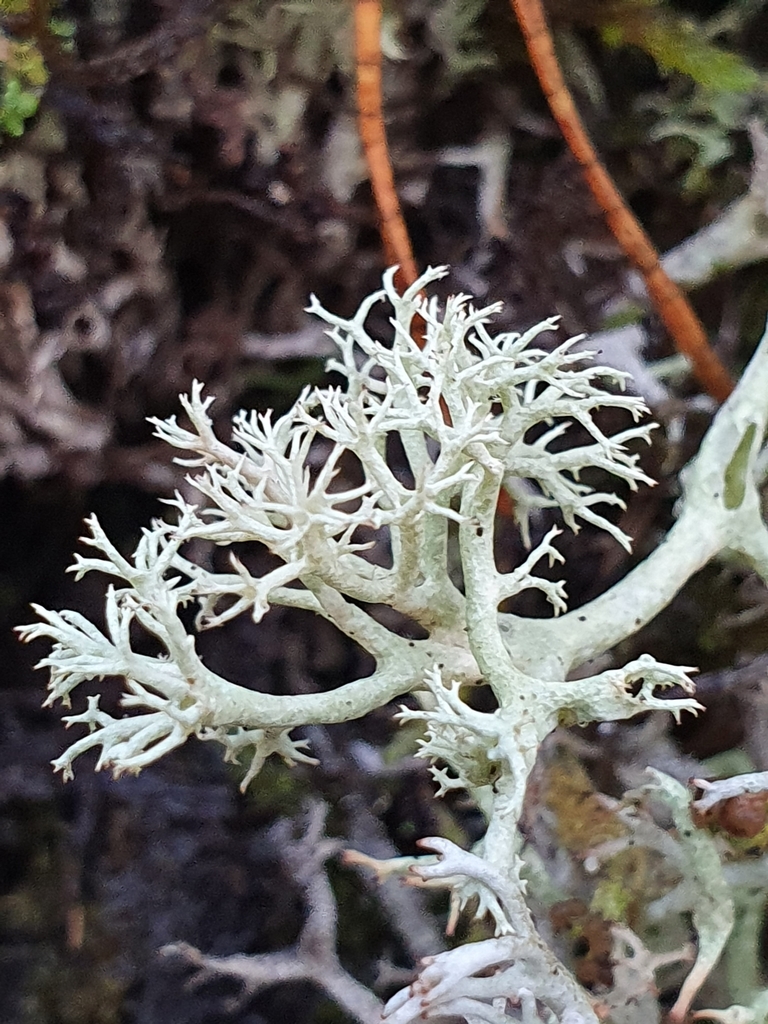
Mushrooms, Grasshopper, Caterpillar, FungiLichenYellow Sunflower Moth
Stiria rugifrons on top of Curlycup Gumweed Grindelia squarrosaLicheniNaturalist Connect with nature for the City Nature Challenge Saskatoon and Area Défi nature urbaine hosted by the Friends of the Saskatoon Afforestation Areas Inc.
One of the highlights of the City Nature Challenge is the use of image recognition technology on the iNaturalist app, which allows participants to easily identify the plants and animals they come across. This makes it accessible even for those who may not have extensive knowledge of the local flora and fauna. It’s a great way to learn and connect with nature, while also contributing to the collective understanding of the biodiversity in the region.
The City Nature Challenge also provides a platform to meet scientists and naturalists locally and from around the world. Through the iNaturalist community, participants can engage in discussions, share their findings, and learn from experts in various fields. It’s a wonderful opportunity to connect with like-minded individuals and be a part of a global citizen science effort to document and protect our natural heritage.
One of the exciting aspects of the City Nature Challenge is the opportunity to monitor the return of migratory birds to the region. With spring in full swing, many bird species are making their way back after a long winter migration. From meadowlarks to robins, blue jays to black-capped chickadees, the challenge is on to spot and document these feathered travelers as they make their presence known with their distinct songs and calls. It’s a thrilling experience to witness the arrival of these avian visitors and contribute to the understanding of their populations in the area.
Insects are also a significant part of the City Nature Challenge. As Greg, one of the avid participants, says, “Bugs rule the numbers game!” Flies, butterflies, boxelder bugs, ladybugs, cocoons, ants, and many other fascinating insects can be spotted during the challenge. These tiny creatures play crucial roles in ecosystem health and provide endless opportunities for observation and discovery. With a keen eye and a sense of curiosity, participants can uncover the hidden world of insects and gain a deeper appreciation for their importance in nature.
But the City Nature Challenge doesn’t stop at just plants and animals. It’s an opportunity to explore all aspects of nature, including fungi, lichens, and other intriguing organisms. Participants are encouraged to leave no stone unturned and search for life in unexpected places. From the bark of trees to the cracks of fences, there’s always something waiting to be discovered.
Aside from the scientific and educational aspects, the City Nature Challenge is also about having fun and enjoying the wonders of nature. It’s a chance to reconnect with the natural world, whether it’s in a greenspace, your own yard, along the sidewalks, or in the beautiful afforestation areas and swales of Saskatoon. As always, it’s important to stay safe when exploring near water and wetlands, and to respect the natural environment and its inhabitants.
To be a part of the City Nature Challenge, all you need is a smartphone, the iNaturalist app, and a sense of curiosity. Join the thousands of participants from around the world who are taking part in this global citizen science event, and make your own exciting observations. Share your findings on social media using the hashtag #CityNatureChallenge, #CNCYXE, #FriendsAreas and be the voice for nature in your community. Download the iNaturalist app today, and let the adventure begin!
Join an event, or document wildlife, and biodiversity in your home, yard, sidewalk, parkspace, tree, flower garden, eavestrough, local park, bus stop, on your daily walk, at a baseball game, in the dog park.
“When I hear of the destruction of a species, I feel just as if all the works of some great writer have perished.”~~ Theodore Roosevelt
Do one thing!
United Nations Decade on Biodiversity 2011-2020
Monarch Butterfly (Danaus plexippus) Photo credit Paul Stein
American red squirrel (Tamiasciurus hudsonicus) Courtesy D. Gordon E. Robertson
White-Tailed Deer Fawn
Richard St. Barbe Baker Afforestation Area, Saskatoon, Saskatchewan
“Come forth into the light of things,
Let Nature be your Teacher.”
~~Wordsworth
What is educating yourself in biodiversity good for? To ruminate on such knowledge fosters the power of careful observation and clear expression. Is it only to find the name and order of a plant, but its structure, its habits, its life in short, as untouched by mankind? Know now that Nature, herself, is the best text-book. What can be told upon observation of the most obvious things seen locally, the things which can be seen and handled, and experimented upon naturally, without artificial aids? This is to develop the inherent pleasure in the the recognition of the things seen day to day ~ on a first name basis.
What else there is there in the world besides plants? Are there not three kingdoms, animal, vegetable, and mineral? Within these kingdoms are classifications; organic and inorganic. An organ (Εργον, meaning work) is any part that does a special work, as the leaves, the stem of a plant, and the eye, the ear of animals. An organism is a living being made up of such organs. The inorganic world contains the mineral kingdom; the organic world includes the vegetable and animal kingdoms.
That being said, there is no real division between animals and plants. Perhaps it is easy to say that plants are fixed to one place, while animals can move about; that plants have no will or consciousness, and that animals have. These answers are true when we compare the higher animals with plants, but the differences become lost as we descend in the scale and approach the border land where botanist and zoologist meet on a common ground. Sea-anemones are fixed to the rock on which they grow, while some of the lower plants are able to move from place to place, and it is hardly safe to affirm that a jelly-fish is more conscious of its actions than is a Sensitive Plant, the leaves of which close when the stem is touched.
Life alone brings forth life, and we are as far as ever from understanding its nature. Around our little island of knowledge, built up through the centuries by the labor of countless workers, stretches the infinite ocean of the unknown.
Are you on a first name basis with nature? Being on a first name basis means knowing them very well; being good friends….
“I became intoxicated with the beauty all around me, immersed in the joyousness and exultation of feeling part of it all….I had entered the temple of the woods.~~ “Richard St. Barbe Baker.
“When I hear of the destruction of a species, I feel just as if all the works of some great writer have perished.”~~ Theodore Roosevelt
Eachspecies on our planet plays a role in the healthy functioning of natural ecosystems, on which humans depend.~~ William H. Schlesinger
Please help protect / enhance /commemorate your afforestation areas, please contact the Friends of the Saskatoon Afforestation Areas Inc. (e-mail)
Support the afforestation areas with your donation or membership ($20.00/year). Please donate by paypal using the e-mail friendsafforestation AT gmail.com, or by using e-transfers Please and thank you! Your donation and membership is greatly appreciated. Members e-mail your contact information to be kept up to date!
I believe in oneness of mankind and of all living things and in the interdependence of each and all. I believe that unless we play fair to the Earth, we cannot exist physically on this planet. Unless we play fair to our neighbour, we cannot exist socially or internationally. Unless we play fair to better self, there is no individuality and no leadership. ~Richard St. Barbe Baker.
“Kind people have been expressing superlatives on my work. But I can assure you that anything which I have been able to achieve has been team work. We have a motto in the Men of the Trees. TWAHAMWE. It is an African word meaning ‘pull together’ and I pass this on to all those concerned with conservation in this country. I would like to call you to silence for a moment with the words of Mathew Arnold:
“Calm soul of all things, make it mine,
To feel amidst the City ‘s jar
That there abides a peace of thine
Men did not make and cannot mar. ”
~Richard St. Barbe Baker
Soon the bracken became shorter
“I believed that God has lent us the Earth. It belongs as much to those who come after us as to us, and it ill behooves us by anything we do or neglect, to deprive them of benefits which are in our power to bequeath.” Richard St. Barbe Baker
There is only one real reason to keep bees, and that is because they are fascinating. If you just want honey, make friends with a beekeeper.
-Australia beekeeper, Adrian the Bee Man











 Forests of Memory. Forests of Learning. Forests for Life.