Richard St. Barbe Baker Afforestation Area. George Genereux Urban Regional Park. Humboldt Broncos Memorial Forest. Come to Nature. Come to Life. Friends of the Saskatoon Afforestationk Areas Inc. friendsareas.ca
When I went to the woods, it was not to escape, but to engage—to meet Nature on her own terms, to inquire, observe, and bear witness to the great pageantry of life that unfolds quietly, daily, under our very feet. And it is with this same spirit that I beckon you, dear reader, to take part in the Nature Conservancy of Canada’s Big Backyard BioBlitz from July 28 to August 4, 2025.
This is no idle stroll nor fleeting pastime. It is an invitation to return to the elemental—to become a student once more of the chickadee, the wild strawberry, the tiger beetle, and the trembling aspen. The BioBlitz, now in its fifth year, is a great gathering of curious minds and earnest hearts. It calls upon citizens of field and city alike to explore, observe, and record the living things that share their corner of the Earth.
The poet listens; the naturalist records. In this endeavor, you shall do both.
Equipped with nothing more than a keen eye and a modest tool—a camera or a smartphone—one may walk the familiar trails with new intention. Each beetle scuttling over a stone, each moss-covered log, becomes a chapter in the great, unwritten natural history of this land. iNaturalist, the platform upon which your sightings will be shared, becomes your ledger, your field book, your connection to a nation of fellow observers.
There is no wilderness too small. A backyard garden, a roadside ditch, a lakeside thicket—all are cradles of life deserving of our gaze and our gratitude. For who is to say where wonder resides? It may well be that the caterpillar inching along your front porch holds the secret to tomorrow’s ecological insight.
By lending your eyes and ears to the BioBlitz, you become part of something vaster than yourself. You contribute to a living library of knowledge that helps scientists track shifting species ranges, identify rare and endangered flora, and take the pulse of ecosystems under pressure.
But perhaps more than data, what you collect is reverence.
This weeklong celebration is not merely scientific but soulful. It reminds us that we are not separate from nature, but of it. That to know a place is to love it. And that true conservation begins not only in grand protected parks but in the wild patches of our own daily lives.
So, wander slowly. Look closely. Listen deeply. Let the chickadee instruct you in cheerfulness, and the milkweed in patience. And in these humble acts of noticing, become again part of the wild family of life.
As Henry David Thoreau once wrote, “Heaven is under our feet as well as over our heads.” During the Big Backyard BioBlitz, may you discover both.
Join the BioBlitz: Sign up today and become a steward of wonder from July 28 – August 4, 2025. Ready, set, snap!
The Trembling Aspen is also referred to as the Quaking Aspen (Populus tremuloides Michx) Autumn colour of foliage CC3.0 Stan ShebsThe Trembling Aspen is also referred to as the Quaking Aspen (Populus tremuloides Michx) Autumn colour of foliage CC 3 Walter Siegmund
Addresses:
Part SE 23-36-6 – Richard St. Barbe Baker Afforestation Area – 241 Township Road 362-A
Part SE 23-36-6 – SW Off-Leash Recreation Area (Richard St. Barbe Baker Afforestation Area ) – 355 Township Road 362-A
S ½ 22-36-6 Richard St. Barbe Baker Afforestation Area (West of SW OLRA) – 467 Township Road 362-A
NE 21-36-6 “George Genereux” Afforestation Area – 133 Range Road 3063
Wikimapia Map: type in Richard St. Barbe Baker Afforestation Area
Google Maps South West Off Leash area location pin at parking lot
We came. We saw. We bio-blitzed. The City Nature Challenge is our annual chance to get up close and personal with the astonishing biodiversity of Saskatoon — the birds, the bugs, the blooms. But amid the native wildflowers and elusive owls, something a little more… sinister… was lurking. This year’s observations didn’t just turn up charismatic critters and rare plants — they also uncovered some unwelcome guests. Think of them as the party crashers of the natural world: invasive species.
These invaders are not just botanical and entomological curiosities — they’re early warning signals. Each detection offers a vital chance for early detection and rapid response. And let’s just say, our keen-eyed citizen scientists didn’t miss a beat.
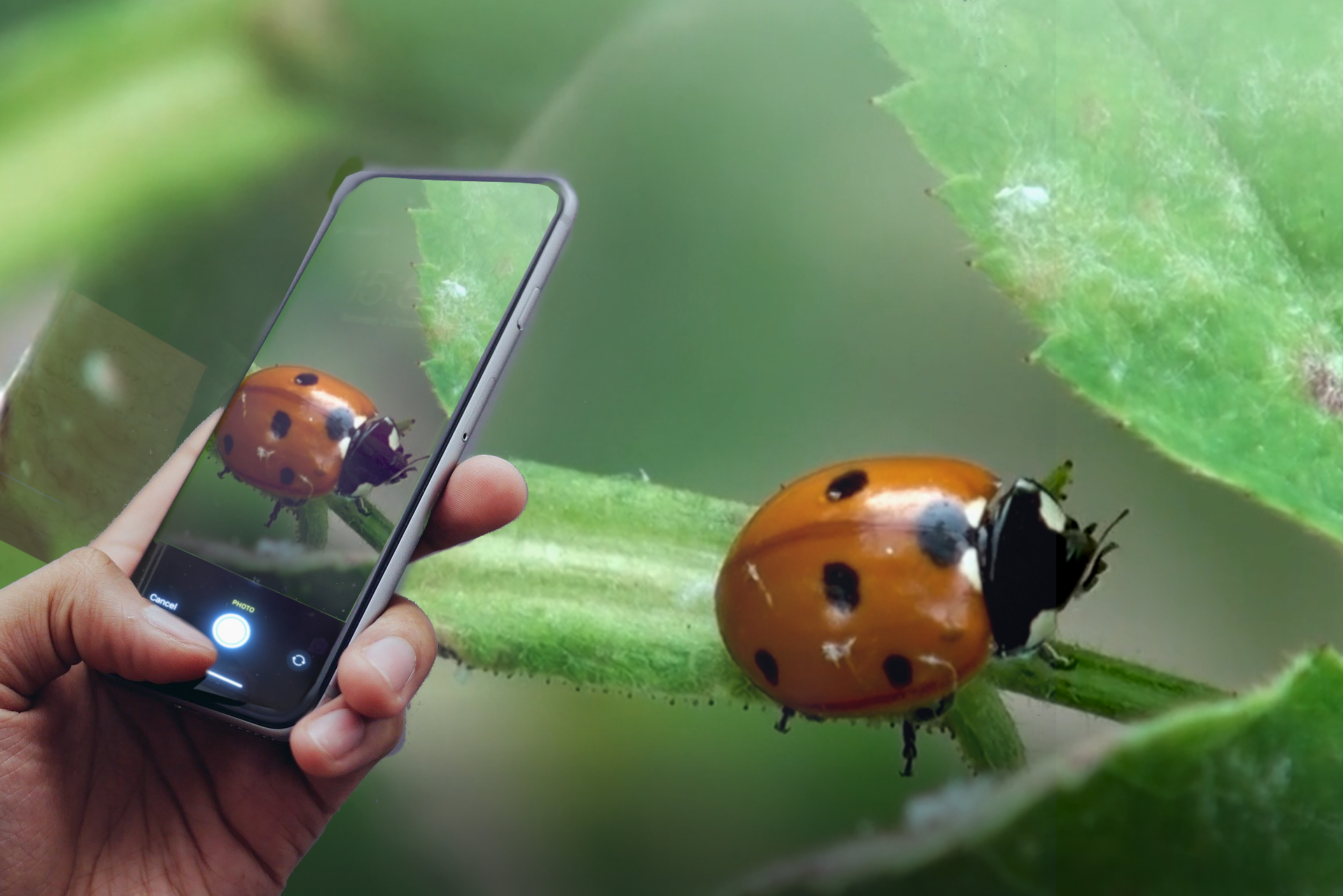
Take Coccinella septempunctata, the Seven-spotted Lady Beetle. Cute? Maybe. But it’s elbowing out native lady beetles with a voracious appetite and reproductive gusto that would make rabbits blush. This beetle didn’t just show up once — it popped up in multiple locations, proving it’s not a fluke. It’s a trend.
Then there’s Phyllotreta striolata, the Striped Flea Beetle. These pint-sized pests are the bane of brassica crops — punching way above their weight class by chewing through canola and mustard leaves like it’s an all-you-can-eat buffet.
And let’s not forget Artemisia absinthium — Absinthe Wormwood. Once prized for its use in the infamous “green fairy” liqueur, it’s now a noxious weed with allelopathic tendencies, meaning it literally poisons the soil around it to suppress native competitors. Think of it as the botanical equivalent of a playground bully.
Add to that list Sitona cylindricollis (the Sweetclover Weevil), Romualdius scaber (Crusted Root Weevil), Lilioceris lilii (Lily Leaf Beetle), and Taraxacum officinale (yes, the familiar and deceptively cheerful Common Dandelion that arrives when the soil becomes hard packed to help drill down with its tap roots to break it up), and you start to get the picture: Saskatoon’s natural spaces are in a quiet battle.
Some intruders hitched rides long ago and have become fixtures (Apis mellifera, the Western Honey Bee, is a European transplant we now depend on). Others, like the Siberian Elm and Caragana, were introduced on purpose for shelterbelts and windbreaks — good intentions that spiraled into ecological headaches.
The beauty of the City Nature Challenge is that it mobilizes everyday observers into frontline biosentinels. Your photos, your logs, your curiosity — they’re all helping scientists and city planners get the jump on these sneaky invaders before they spread.
Invasive species might not make headlines like polar bears or monarch butterflies, but trust me — they matter. And the fact that we’re spotting them? That means we’re paying attention. We’re waking up. And if nature’s taught us anything, it’s that being alert is the first step toward resilience.
So, next time you’re out snapping shots of Saskatoon’s wild side, remember: even the smallest weed can tell a big story. And that story — with your help — might just have a happier ending.
The Nature of Thanks: Saskatoon’s Citizen Scientists Take a Bow It’s not every day you get to witness a whole city lean in—eyes wide, hands busy, hearts open—to catalogue the wild. But over the course of a few breathtaking days, that’s exactly what happened in Saskatoon. With binoculars swinging from necks, phone cameras held aloft, and a collective curiosity humming like cicadas in the coulees, a wave of observation and identification swept through our river valley, our aspen groves, our backyard gardens.
And now, the results are in.
The city that bridges the prairie and the boreal has done it again—rallied its people, picked up its field guides, and thrown itself into the great mystery of the natural world. But before we tally species or sort our data, let’s pause to recognize something that matters just as much: the people behind the pixels.
This was no solo act. It was an orchestra.
Let’s begin by applauding the ones who struck up the first notes—the nonprofit environmental charity Friends of the Saskatoon Afforestation Areas. These folks didn’t just participate in the City Nature Challenge (CNC)—they ignited it. They initiated the 2025 edition of CNC YXE with a spark of passion, rallying the public with grassroots determination and a deep love for the land. From crafting social media campaigns to issuing the all-important call to action, they became the beating heart of the challenge. They posted, promoted, and prepared. They reminded everyone that our wild places—from Richard St. Barbe Baker Afforestation Area to the West Swale—deserve to be seen, celebrated, and stewarded.
It’s thanks to their vision and organization that CNC YXE 2025 became more than a weekend event. It became a movement. It became an invitation: Come to Nature, Come to Life.
And oh, did Saskatoon answer.
Let’s cue the spotlight for the Saskatoon Nature Society, whose members seem to have a sixth sense for warblers at fifty paces and rare mosses in ditch-side shadows. Their leadership, mentorship, and enthusiasm lit the trail for many first-time participants.
To SaskPower, SaskTel, SaskEnergy and the Saskatoon Nature Society, whose members seem to have a sixth sense for warblers at fifty paces and rare mosses in ditch-side shadows. —thank you for powering more than just the city grid. You helped energize a network of nature lovers, enabling them to plug in, upload, share, and connect their discoveries with the world. When infrastructure meets inspiration, amazing things happen.
To Wild About Saskatoon, your name says it all. You remind us that wildness is not something to fear, but something to cherish. You held the door open and invited the public to step outside—to smell the buffalo beans and listen for meadowlarks. That’s community science at its best.
And to the Saskatoon Public School Board—thank you for nurturing the next generation of biologists, botanists, and bug-chasers. When kids learn that a beetle on a sidewalk can be more than a bug—it can be data, it can be wonder—you’re sowing seeds that grow into lifelong curiosity.
Of course, none of this would have worked without the tireless volunteers. From retirees with notebooks to teenagers with TikTok accounts, from birders in ball caps to botanists in bucket hats—you were the real engine of this initiative. You got down in the dirt. You stayed up late checking IDs. You logged observations while the mosquitoes logged theirs.
And to the naturalists—local and global—who turned blurry photos into precise identifications, who gently corrected and generously shared your knowledge, who treated each amateur like a fellow explorer: thank you. You gave context, confidence, and community. You turned a scavenger hunt into a science lesson.
Let’s not forget what we’ve accomplished together. We’ve built more than a snapshot of species—we’ve built a tapestry of stories, stitched with the threads of wonder, woven from thousands of tiny, individual acts of looking closely. We’ve proven that in a world often distracted by screens and schedules, there’s still room for wonder. There’s still space for a moment where someone sees a bird, logs a plant, or bends down to inspect a caterpillar inching across the path—and says, simply, Wow.
So thank you, Saskatoon. From the banks of the South Saskatchewan to the trails of the Meewasin Valley, from the rooftops with nesting swifts to the wetlands that whisper with frogs—you showed up. You cared. And in doing so, you reminded us that science doesn’t just live in labs. It lives in us.
And what a beautiful life it is!
Addresses:
Part SE 23-36-6 – Richard St. Barbe Baker Afforestation Area – 241 Township Road 362-A
Part SE 23-36-6 – SW Off-Leash Recreation Area (Richard St. Barbe Baker Afforestation Area ) – 355 Township Road 362-A
S ½ 22-36-6 Richard St. Barbe Baker Afforestation Area (West of SW OLRA) – 467 Township Road 362-A
NE 21-36-6 “George Genereux” Afforestation Area – 133 Range Road 3063
Wikimapia Map: type in Richard St. Barbe Baker Afforestation Area
Google Maps South West Off Leash area location pin at parking lot
Springtime in Saskatchewan brings new life, and what better way to celebrate the season than by getting outside and exploring the fascinating world of spots in nature? As Easter break overlaps with the City Nature Challenge (CNC YXE 2025), taking place from April 25 to April 28, 2025, we’ve got the perfect way to reconnect with nature—by documenting the incredible wildlife and plants around us!
The Spotty Challenge The City Nature Challenge isn’t just about discovering all the amazing wildlife in our area—it’s about contributing to a global effort to protect biodiversity. Today, right now, we’re focusing on one quirky theme: Spots. From ladybugs to leopard frogs, birds to beetles, there are countless organisms in Saskatchewan that sport spots in some form. Even leaves with egg spots count! We invite you to think about which organisms in your neighborhood have those signature markings and share your findings with the world.
When you think of “spots” in Saskatchewan, what comes to mind? Perhaps you’ll find lady beetles, Northern Flickers, or even the distinctive markings of a Northern Leopard Frog. Look closely at the plants and fungi around you too—there’s a lot more to spots than meets the eye. We’re all eager to see what you discover and share with the CNC community.
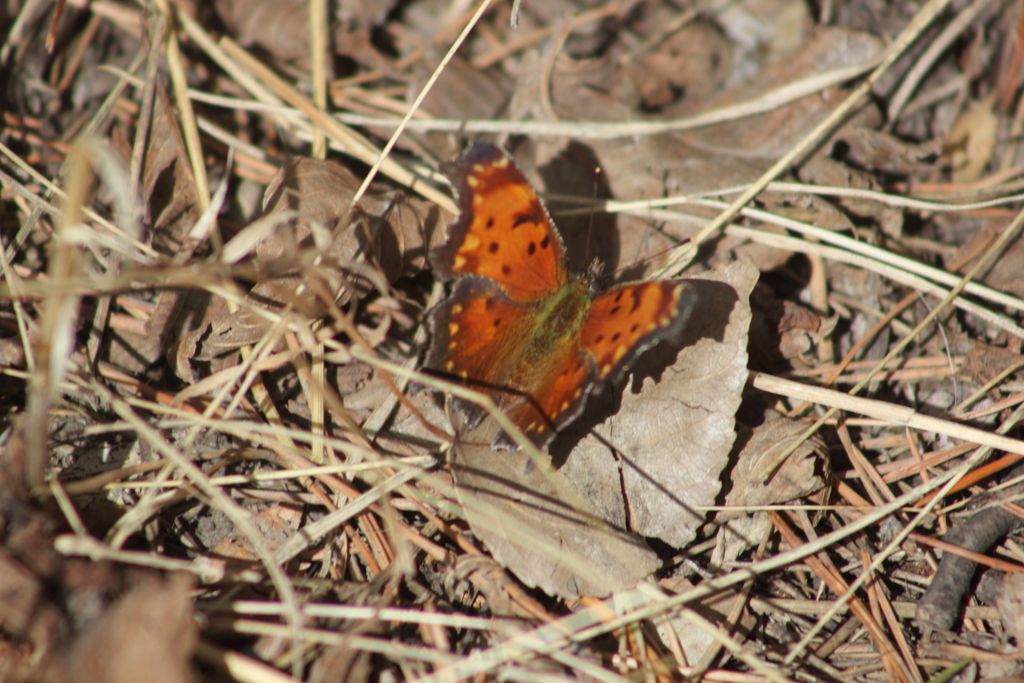
Species at risk: Mormon Metalmark (Apodemia mormo) butterfly depends on buckwheat host plant. Gray Comma Butterfly Spring Polygonia progne
The City Nature Challenge 2025: Celebrate Nature and Earth Month
The CNC YXE 2025 marks the 10th anniversary of the City Nature Challenge and the 55th birthday of Earth Month. What better way to celebrate than by being part of a global movement dedicated to documenting and understanding nature? During Easter Break, while you’re enjoying some time off from school or work, step outside with your smartphone and explore. Use the iNaturalist app to record and photograph wild organisms you find—whether in your yard, at the bus stop, along the sidewalk, or in local parks. Every contribution adds to our understanding of local biodiversity and supports conservation efforts worldwide.
How to Participate
Create an iNaturalist account: The iNaturalist app is your main tool for documenting wildlife. It’s easy to use and helps you track your observations while contributing to a global database.
Download the iNaturalist app on Apple or Android.
Need help getting started? Check out the iNaturalist tutorial to learn how to upload your observations and make the most of the app.
Join the CNC YXE 2025 Project: By joining the City Nature Challenge project, you’ll receive updates and be able to monitor how we’re doing compared to other communities. You can even check out observations from around the world and track our progress in real time.
Observe & Upload (April 25–28): The observation phase of the CNC will run from April 25–28. Go outside and find as many wild organisms as you can—be they plants, fungi, animals, or even critters with spots! You can upload your photos to iNaturalist and contribute to global biodiversity data.
Help with Identification (April 29–May 4): Once the observation phase ends, the identification phase begins! Help identify species by reviewing observations made by others. Whether you’re a beginner or a seasoned nature enthusiast, there’s always something new to learn and contribute. Not sure what something is? Don’t worry! iNaturalist’s computer vision can assist in making suggestions.
Why Should You Participate? The CNC is more than just a fun outdoor activity—it’s a chance to connect with your local environment, build a community around nature, and make meaningful contributions to global conservation. It’s a wonderful way to connect with nature as a family during the Easter break! Whether you’re just getting started or a seasoned naturalist, there’s always something new to discover.
Plus, the competition is friendly! The CNC fosters a sense of community and collaboration, encouraging people from all backgrounds to join in and contribute. Whether you’re at home or on a nature walk, your observations will help paint a picture of the incredible biodiversity in our area.
Let’s Make This Year’s CNC the Best Yet! As Saskatoon and surrounding areas enjoy their Easter break from April 19 to April 27, now is the perfect time to step into nature and start documenting. From backyard bugs to birds in the sky, spots are everywhere—and we want to see them all! Share your findings, join the global conversation, and help us celebrate both Earth Month 55th birthday and the City Nature Challenge’s 10th birthday.
Don’t forget to tag your observations with the #CNCYXE2025 and #spotty to share your spotty discoveries and help us show the world just how vibrant our local biodiversity really is!
Richard St. Barbe Baker Afforestation Area is located in Saskatoon, Saskatchewan, Canada north of Cedar Villa Road, within city limits, in the furthest south west area of the city. 52° 06′ 106° 45′
Addresses:
Part SE 23-36-6 – Richard St. Barbe Baker Afforestation Area – 241 Township Road 362-A
Part SE 23-36-6 – SW Off-Leash Recreation Area (Richard St. Barbe Baker Afforestation Area ) – 355 Township Road 362-A
S ½ 22-36-6 Richard St. Barbe Baker Afforestation Area (West of SW OLRA) – 467 Township Road 362-A
NE 21-36-6 “George Genereux” Afforestation Area – 133 Range Road 3063
Wikimapia Map: type in Richard St. Barbe Baker Afforestation Area
Google Maps South West Off Leash area location pin at parking lot
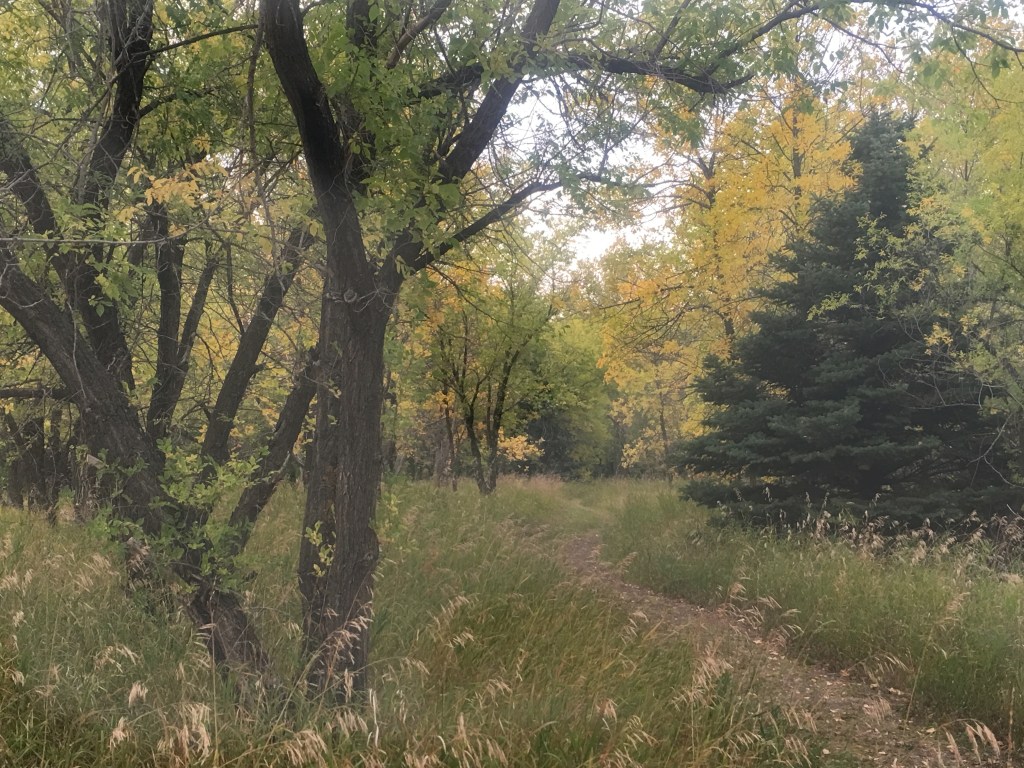
Imagine a quiet morning in the Richard St. Barbe Baker Afforestation Area, or George Genereux Urban Regional Park where the first light of dawn filters through the towering evergreens and conifers that dominate the landscape. As the sun rises, it casts a golden glow over the lush woodland, wetland, and meadow ecosystems that form a unique tapestry of life. This serene setting is not just a collection of trees and plants but a dynamic living system where diverse organisms thrive and interact.
The Dance of the Ecosystems
In these remarkable places, the presence of evergreens and conifers has brought about a fascinating ecological phenomenon. These hardy trees, typically found in higher elevations and boreal forests, have created a special environment that merges with the moist mixed grasslands of the lower elevations around Saskatoon. This merging, known as an ecotone, creates a vibrant transition zone where the qualities of two different ecosystems blend.
In the woodlands, the evergreen canopy shelters a rich diversity of plants and animals. The fallen needles from these conifers enrich the soil with a unique layer of organic matter, which in turn supports a community of fungi, mosses, and lichens. These microorganisms play a crucial role in breaking down organic material, making nutrients available for the diverse plant life that flourishes beneath the canopy.
The wetlands of the west swale, with the deep waters of the permanent wetlands and the shallow waters of the temporary wetlands and abundant plant life, offer a stark contrast to the woodland. Here, reeds and cattails sway in the gentle breeze, providing a habitat for amphibians and insects. The constant presence of water creates a unique microclimate, which supports species adapted to wet conditions. Birds such as the herons and ducks find sanctuary in these wetlands, while insects like dragonflies and damselflies dart above the water, adding a splash of color to the landscape.
Further afield, the meadows bask in the open sunlight, where wildflowers and grasses create a carpet of color and life. This area supports a different set of species, including pollinators like bees and butterflies, as well as mammals such as deer and rabbits. The diversity of plant life in the meadows provides ample food and shelter, ensuring a thriving community of organisms.
A Tribute to Richard St. Barbe Baker
In this symphony of life, the legacy of Richard St. Barbe Baker, a pioneer in silviculture and a passionate advocate for trees, resonates deeply. Known as a “forest doctor,” Baker dedicated his life to studying and preserving forests around the world. His work led to the creation of the International Tree Foundation, an organization committed to reforestation and forest conservation.
Baker’s vision aligns with the principles of sustainable development. He understood that forests are not just collections of trees but complex ecosystems that support a myriad of life forms. His legacy continues to inspire those who work to preserve and enhance the diversity of living things.
Careers in Understanding Nature
The richness of the afforestation areas provides a living classroom for many careers dedicated to understanding and preserving biodiversity. Botanists study the various plant species and their roles in the ecosystem. Herpetologists focus on amphibians and reptiles, exploring their habitats and behaviors. Zoologists and wildlife biologists investigate the lives of mammals and birds, while entomologists delve into the world of insects.
Mycologists and lichenologists examine fungi and lichens, essential players in nutrient cycling. Dendrologists, who specialize in trees, study their growth patterns and ecological roles. Ornithologists observe and document the behavior and migration patterns of birds.
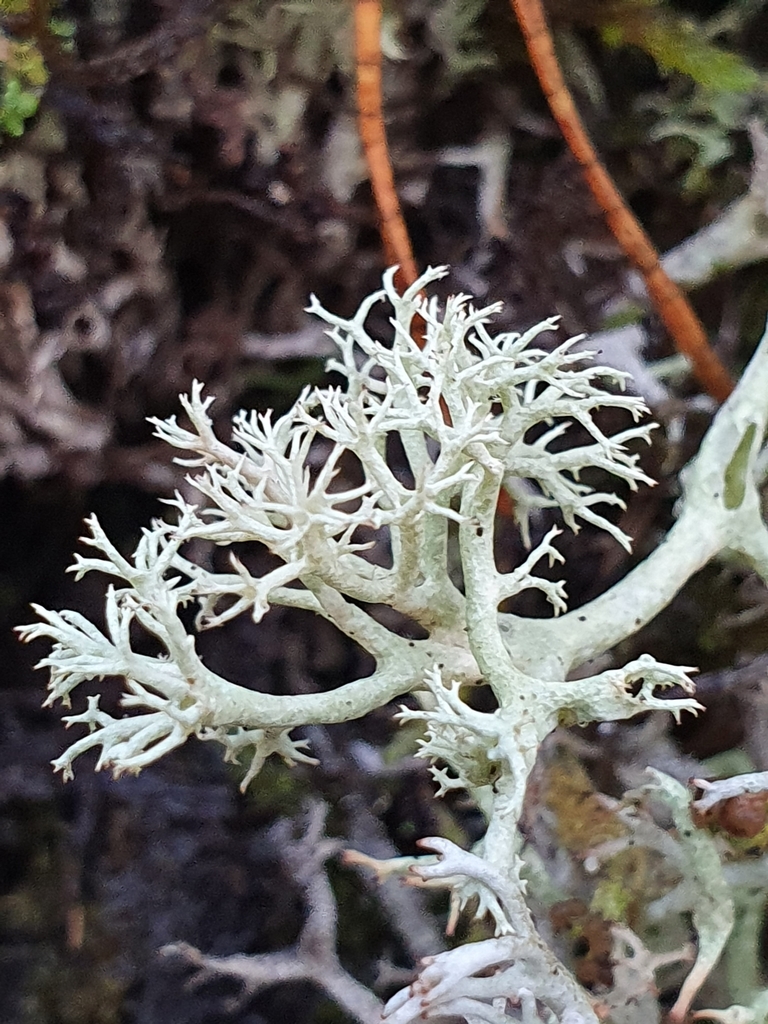
Lichen City Nature Challenge CNCYXELichenLichen
Bridging Knowledge Systems
As we embark on the International Decade of Sciences for Sustainable Development, there is an increasing emphasis on integrating Indigenous and Western knowledge systems. Indigenous peoples have long understood the interconnectedness of life, using traditional knowledge to manage and sustain their environments. This wisdom complements modern scientific approaches, providing a holistic view of ecological relationships.
Sustainable Development Goals and Conservation
Aligning with the United Nations Sustainable Development Goals, particularly Life Below Water and Life on Land, we recognize the importance of conserving and restoring natural habitats. Understanding the characteristics and behaviors of vertebrates and invertebrates helps us ensure that greenspaces, such as forests, grasslands, and wetlands, are preserved and managed sustainably.
By studying how individual organisms survive and adapt, we gain insights into the mechanisms that support biodiversity. This knowledge is essential for developing strategies to protect and enhance the natural world, ensuring that future generations can enjoy and benefit from its beauty and resources.
The Hidden World of Micro-Organisms
In the soil beneath our feet, a hidden world of micro-organisms plays a critical role in maintaining ecosystem health to understand noxious invasive species. Dr. Eric Lamb’s research into soil microbial communities reveals how these tiny organisms contribute to nutrient cycling and soil fertility. Their work underscores the importance of understanding and preserving the microbial world, which is vital for sustaining plant life and, by extension, the entire ecosystem.
As you explore the afforestation areas, take a moment to appreciate the intricate web of life that surrounds you. From the towering trees to the smallest microbes, each element plays a role in the grand tapestry of nature. By learning about and respecting this diversity, we can contribute to the ongoing preservation and enrichment of our natural world.
Activity 1: Ecotone Exploration
Objective: Understand the concept of an ecotone and how different ecosystems merge.
Instructions:
Create a large poster or digital presentation of the Richard St. Barbe Baker Afforestation Area, including the woodland, wetland, and meadow ecosystems.
Using images or drawings, identify and label key features of each ecosystem, and illustrate how they merge into an ecotone.
Discuss how the presence of evergreens and conifers affects the soil and plant life in this transition zone.
Questions:
What are the main characteristics of the woodland, wetland, and meadow ecosystems found in the afforestation area?
How do evergreens and conifers influence the soil in the ecotone between the boreal forest and mixed grasslands?
What types of plants and animals are adapted to the unique conditions of the ecotone?
Why is the concept of an ecotone important for understanding biodiversity?
Objective: Explore various careers related to studying and preserving biodiversity.
Instructions:
Research the careers of botanists, herpetologists, zoologists, wildlife biologists, entomologists, mycologists, lichenologists, dendrologists, and ornithologists. Have you ever taken part in the dendrochronology study conducted by Dr Colin Laroque in the Mistik Askiwin Dendrochronology Lab (MAD Lab) to work with the Canadian Light Source (CLS) Synchrotron?
Create a brochure or presentation highlighting each career’s role, key responsibilities, and how they contribute to understanding ecosystems.
Include information about Richard St. Barbe Baker’s career and its impact on forestry and conservation.
Questions:
What are the main responsibilities of a botanist, and how do they contribute to our understanding of plant species –tree species / native wildflower plants?
How do herpetologists study amphibians and reptiles, and why is this important for conservation? What amphibians and reptiles are present in the afforestation areas (this can be searched on iNaturalist using the “Explore” feature)
What role do ornithologists play in studying bird behavior and migration? (E-bird resources are handy to determine birds of the afforestation areas)
Objective: Examine how local species adapt to their environments.
Instructions:
Choose different vertebrates (mammals, birds, reptiles, amphibians, and fish) and invertebrates from the afforestation area.
Research and present on how each species adapts to its specific habitat within the woodland, wetland, or meadow.
Create a visual display or report showing these adaptations and their importance for survival.
Questions:
How do the adaptations of a specific mammal help it survive in the woodland ecosystem? Would mammals adopt a naturalized “man-made forest” on the prairies, or only use trembling aspen bluffs or woodlands of the boreal forests north of the treeline?
What special features allow birds in the wetland to thrive in their environment?
How do amphibians adapt to the varying conditions of the wetland and meadow ecosystems?
Why are certain plants or insects particularly suited to the meadow habitat?
Sign up for the Big Backyard BioBlitz happening August 1 to 5 2024!
A massive shoutout to the 9,700+ bioblitzers from across Canada who made last year’s event our biggest yet! 🙌 Together, we snapped photos and recorded audio clips of an incredible 5,700+ species, contributing to a whopping 58,000+ observations of plants, mammals, birds, insects, and more. 📸 From suburban backyards to urban parks, cottages to campsites, farms to wilderness areas, our community science effort was truly remarkable. 🌍
Red Winged Blackbird. Chappell Marsh. West Swale Wetlands. Richard St. Barbe Baker Afforestation Area. Saskatoon, SK, CA Yellow-headed Blackbird (Xanthocephalus xanthocephalus) This is the brightly colored male. The female of the species will use the cattails, reeds or rushes standing above the surface of the water to weave a nest, and lay 2-5 eggs. Baird’s Sparrow (Ammodramus bairdii)Downy Wwoodpecker Ddryobates pubescens
Thanks to your efforts, the NCC’s 2023 Big Backyard BioBlitz saw 5,800+ more observations and 480+ more species spotted than in 2022. 🌳🦋 Here’s what some of our bioblitzers had to say:
👉 “What a wonderful time getting to know our local plants, fungi, insects, birds, and animals with my daughter! We spent a lovely weekend outside getting the next generation excited about conservation, and it was an absolute blast!” – Fred Barry, Saskatchewan
👉 “This is the second year we have participated in the Big Backyard BioBlitz. Although we recorded different items this year, we became more aware of the plant species in our area… It is an enjoyable activity and one in which you can involve yourself as much as you wish and learn as much as you desire.” – Chris Pocock, British Columbia
Don’t miss out on the fun in 2024! Sign up now to stay updated on upcoming events like the 2024 Big Backyard BioBlitz! 🌱 #BioBlitzSuccess #CommunityScience #NatureConservation
Richard St. Barbe Baker Afforestation Area is located in Saskatoon, Saskatchewan, Canada north of Cedar Villa Road, within city limits, in the furthest south west area of the city. 52° 06′ 106° 45′
Addresses:
Part SE 23-36-6 – Afforestation Area – 241 Township Road 362-A
Part SE 23-36-6 – SW Off-Leash Recreation Area (Richard St. Barbe Baker Afforestation Area ) – 355 Township Road 362-A
S ½ 22-36-6 Richard St. Barbe Baker Afforestation Area (West of SW OLRA) – 467 Township Road 362-A
NE 21-36-6 “George Genereux” Afforestation Area – 133 Range Road 3063
Wikimapia Map: type in Richard St. Barbe Baker Afforestation Area
Google Maps South West Off Leash area location pin at parking lot
We want to extend a heartfelt thank you to all the observers who came out for the City Nature Challenge in Saskatoon and Area, which took place from April 28 to May 1, 2023. It has been an incredible experience to witness the enthusiasm and dedication of our community in exploring and documenting the biodiversity in our region. The results have been outstanding, with thousands of observations made and numerous species identified.
Taxonomic Ranks, and Binomial Name Genus and SpeciesCity Nature Challenge image recognition technology helps taxonomyElm Leaves Drawingnature classificationMonarch Butterfly (Danaus plexippus) photo credit William Warby
But the excitement is not over yet! The next phase of the City Nature Challenge is the identification stage, which will take place from May 2 to May 7, 2023. During this time, we encourage everyone, regardless of their expertise level, to get involved and help with the identification process. You don’t need to be a botanist, biologist, or entomologist to contribute. In fact, citizen scientists like you, who are members of the general public, play a crucial role in helping identify the observations made during the challenge.
If you’re unsure about how to identify a species, don’t worry! We have a valuable resource at our fingertips: YouTube with an identification hints and tips webinar! Simply sign into iNaturalist on your home computer, and take a look at the observations from Saskatoon and Area. You can help by changing the “unknowns” to plants, animals, or other appropriate categories. For example, if you see an unknown observation that could be a bird, or you hear a song that sounds like a bird, you can help by typing in “bird,” “crow,” or “pigeon.” These higher levels of identification are immensely valuable in building a comprehensive database of biodiversity in our area, and invite iNaturalist specialists over.
Additionally, iNaturalist offers suggestions through its image recognition technology, and you can compare these suggestions to the observation to help with identification. Your input and contributions to the identification process are invaluable in helping us gain a deeper understanding of the species that call our region home.
The City Nature Challenge is not just a competition, but also an opportunity to engage the public in the collection of biodiversity data and raise awareness about the importance of conserving our natural environment. By participating in this challenge, you are contributing to the global effort to protect and restore land habitats, combat biodiversity loss, and conserve life on land, in alignment with the United Nations Sustainable Development Goal 15.
We are grateful for your participation and passion for nature, and we invite everyone to join us in the identification phase of the Saskatoon and Area iNaturalist City Nature Challenge 2023 from May 2 to May 7, 2023. You can do it! Let’s continue to work together to showcase the incredible biodiversity of our region and place Saskatoon and Area on the world stage for the City Nature Challenge!
Thank you for your dedication to preserving our natural heritage.
Are you ready to embark on an exciting adventure to explore and document the natural world in Saskatoon and Area? The Friends of the Saskatoon Afforestation Areas Inc. are thrilled to invite the general public to take part in the Saskatoon and Area iNaturalist City Nature Challenge (CNC YXE) happening from April 28 to May 1, 2023. This worldwide initiative encourages citizens, researchers, school groups, and wildlife enthusiasts to join forces in a race against the clock to observe, document, and share information about the wildlife flourishing in our local areas.
The CNC slogan, ‘City Nature Challenge,’ CNCYXE2023
What is the City Nature Challenge, you ask? It’s a friendly competition among cities and areas to engage the public in the collection of biodiversity data. Participants will use the free and user-friendly iNaturalist smartphone app to record observations of plants, animals, insects, and more in their neighborhoods and greenspaces. It’s a chance to connect with nature, contribute to vital conservation research, and be part of a global effort to document the incredible biodiversity found in our city.
Whether you’re an expert naturalist or a first-time observer, getting involved is easy. Simply download the iNaturalist app on your smartphone, head outdoors from April 28 to May 1, and start snapping photos of the nature around you. You don’t need to be a species expert – teams of experts will review and update the information submitted, so you can learn more about what you’ve spotted later on. It’s a fantastic opportunity to learn about the diverse species that call Saskatoon and Area home and contribute to our understanding of local biodiversity.
By participating in the Saskatoon and Area iNaturalist City Nature Challenge, you’ll also be helping us compete for the title of the most Biodiverse City. The challenge awards cities and areas based on three criteria: the most observations, the most species found, and the most people engaged. It’s a chance to showcase the incredible biodiversity of our region on the world stage and put Saskatoon and Area on the map as a hotspot for nature enthusiasts.
To join in the fun and be the voice for nature, visit FriendsAreas.ca to learn more about the Saskatoon and Area iNaturalist City Nature Challenge (CNC YXE) happening from April 28 to May 1, 2023. Let’s come together as a community to explore, document, and celebrate the rich wildlife diversity that surrounds us. Download the iNaturalist app, make observations, and join us in this exciting global initiative to connect with nature and contribute to conservation research. Get ready to discover the wonders of our local nature and make a difference in the world of biodiversity science! CNC YXE DNU
The United Nations Decade on Ecosystem Restoration is a global initiative aimed at promoting environmental goals and facilitating cooperation for the restoration of degraded and destroyed ecosystems. With a focus on combatting climate change, safeguarding biodiversity, ensuring food security, and securing water supply, this decade presents a unique opportunity for individuals and organizations to contribute to the restoration of our planet’s ecosystems.
While much of the focus is on promoting restoration activities by national governments, the UN also recognizes the importance of efforts from other actors, including the private sector, NGOs, and regular individuals like you and me. The Saskatoon and Area iNaturalist City Nature Challenge provides an excellent platform for citizens to actively participate in ecosystem restoration efforts right in their local communities.
Participating in the City Nature Challenge is easy and fun! All you need is a smartphone with the iNaturalist app, and you’re ready to start documenting and recording the biodiversity in your local area. By simply observing and documenting the different species of plants, animals, and insects that you come across during the challenge period, you can contribute valuable data to help scientists and researchers better understand and protect our natural world.
The City Nature Challenge is not only a great opportunity to engage in citizen science and contribute to global environmental goals, but it’s also a chance to connect with nature, learn about the biodiversity in our local area, and make a positive impact on our planet. It’s a fun and educational activity that can be enjoyed by people of all ages and backgrounds, from families with kids to solo nature enthusiasts.
By participating in the Saskatoon and Area iNaturalist City Nature Challenge 2023, you’ll be joining a global movement towards ecosystem restoration and making a tangible difference in your local community. You can also take it a step further by becoming a co-host or partner organization, promoting the event on social media, or leading your own nature connect group bio-blitz. Together, we can contribute to the restoration of our planet’s ecosystems and create a more sustainable future for generations to come.
So, are you ready to be a part of the solution and make a positive impact on our planet? Join us in the Saskatoon and Area iNaturalist City Nature Challenge 2023 and take action towards ecosystem restoration. Let’s come together as citizen scientists and invest in our planet during this United Nations Decade on Ecosystem Restoration. Together, we can make a difference and create a better world for ourselves and future generations!
As an avid nature lover, you understand the importance of preserving our planet’s ecosystems and the unique species that inhabit them. That’s why your recent donation to Friends of the Saskatoon Afforestation Areas Inc is such a meaningful contribution to the conservation efforts taking place in the 474 acres of the Saskatoon Afforestation Areas. Fri, Mar 3, 2023 is World Wildlife Day.
With your donation, the Friends of the Saskatoon Afforestation Areas will be able to make a significant environmental impact on providing education and awareness around preserving species at risk, restoring ecosystems, and advancing the United Nations Sustainable Development Goals. The Saskatoon Afforestation Areas comprise woodlands, meadows, and wetlands and are home to a wide variety of plant and animal species.
One of the key ways that the Friends of the Saskatoon Afforestation Areas will use your donation is through citizen science bio blitzes identifying invasive plant species that threaten the native plant and animal populations. This ecological restoration project will help to preserve species at risk and restore balance to the ecosystem.
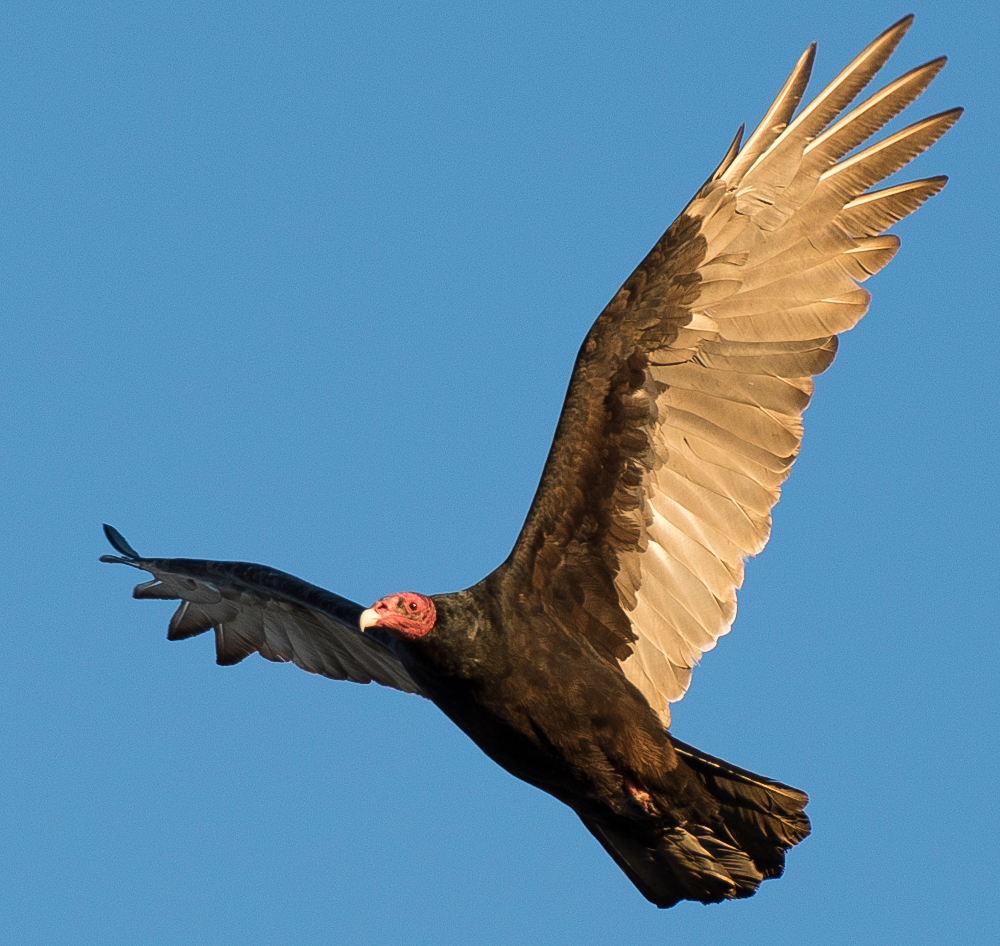
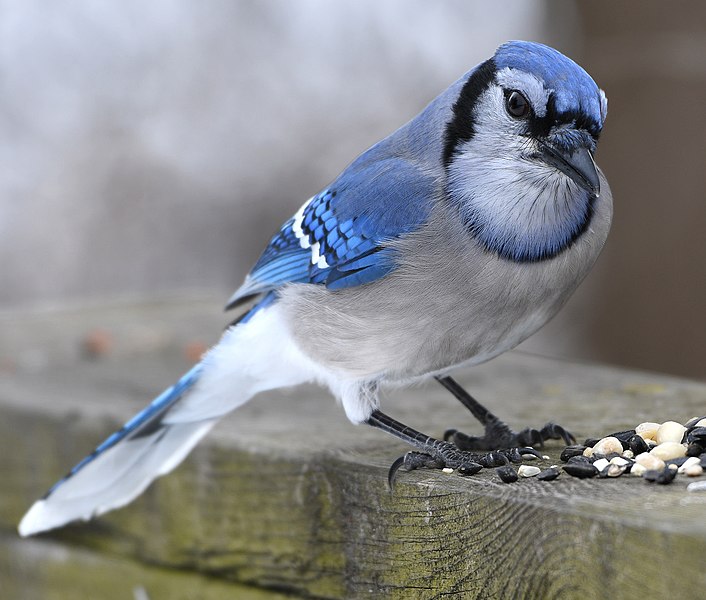
Goldenrod Gall Fly Eurosta solidaginis Conservation Status: imperiled (S2S4) in Saskatchewan, CA (NatureServe)Turkey Vulture (Cathartes aura), species at risk Blue Jay (Cyanocitta cristata)
In addition to ecological restoration, your donation will contribute to advancing several of the United Nations Sustainable Development Goals. The Friends of the Saskatoon Afforestation Areas are committed to working towards Life on Land, Life Under Water, Climate Action, and Sustainable Cities. Enlisting community support through tours and engagement events park stewards understand the mandate of the City of Saskatoon and Meewasin who aim towards preserving the natural environment and restoring ecosystems, the organization is taking concrete action towards achieving these goals.
For example, advocating for the removal of invasive plant species and encouraging the replanting native ones, the organization is promoting sustainable land use practices and contributing to the Life on Land and Climate Action goals. By maintaining the wetlands, they are also contributing to the Life Under Water goal by preserving the health of nearby water bodies and the species that depend on them.
In conclusion, your donation to Friends of the Saskatoon Afforestation Areas Inc will make a meaningful environmental impact on preserving the varied ecosystems, and advancing the United Nations Sustainable Development Goals. The Saskatoon Afforestation Areas, Richard St. Barbe Baker Afforestation Area and George Genereux Urban Regional Park, are a precious natural resource, and your contribution will help ensure they are protected and conserved for generations to come. We believe in the spirit of Witaskêwin, living together on the land. We believe this project can be part of an effective long-term strategy to focus our vision on this ideal. In a significant way this project allows the past to meet the present and future. The rich geological, historical, natural, and cultural heritage of the areas honours where we have been. Science, conservation, and hands on learning about the land, the environment and sustainability ensure our future. Thank you for your support!
Spread the word about the UN Decade Let’s Bring Back Forests Let’s Green Our Cities “Be like a tree in pursuit of your cause. Stand firm, grip hard, thrust upward. Bend to the winds of heaven..” Richard St. Barbe Baker
Remember that the happiest people are not those getting more, but those giving more.
H. Jackson Brown Jr.
National Volunteer Week April 24 – 30, how will you celebrate? Help show the world what Saskatoon’s biodiversity looks like—grab your smartphone, the free @iNaturalist app, & join this year’s #CityNatureChallenge from April 29–May 2! Great for all ages; find details at FriendsAreas.ca
‘Volunteering is Empathy in Action.’
“If you can learn a simple trick, Scout, you’ll get along a lot better with all kinds of folks. You never really understand a person until you consider things from his point of view, until you climb inside of his skin and walk around in it.”
Atticus Finch a character in “To Kill a Mockingbird” author Harper Lee
Climb inside the skin of our native wildlife. Learn about the habitat for our herons, and where they might live as our cities grow larger and larger. Climb into the skin of a native butterfly and where they may fly to find a native pollinator flower that is not covered in pesticides. Climb inside the skin of the last remaining mammals and where they may live.
Volunteer with the City Nature Challenge. A great way to study range expansion and contraction, seasonal changes in morphology, the declining or increasing numbers of species at risk or invasive species. By observing local nature, everyone can support vital conservation research while connecting with nature and enjoying the outdoors.
Goldenrod Gall Fly Eurosta solidaginis Conservation Status: imperiled (S2S4) in Saskatchewan, CA (NatureServe)Ranked S2 by SCDC
Woodland Skipper Ochlodes sylvanoides Hairy Woodpecker male (note the red) (Picoides villosus)Spring Meadowlark.
Celebrate 50 years! Richard St. Barbe Baker Afforestation Area and George Genereux Urban Regional park were planted to trees in 1972, 50 years ago. Come out and say Happy Birthday!














 Forests of Memory. Forests of Learning. Forests for Life.