The Cathedral of the Night: Finding the Lost Cosmos in Saskatoon’s Southwest

As the sun dips below the horizon on Monday, April 13, a quiet transformation begins. For most of the modern world, this is the hour when the “second sun”—the relentless, amber hum of high-pressure sodium and LED glare—flickers to life, erasing the universe from view. But as we usher in International Dark Sky Week, there remains a sanctuary on the peri-urban fringes of Saskatoon where the ancient contract between humanity and the stars is still honored.

To find it, one must travel southwest, away from the city’s light-choked core, to the sprawling shadows of the Richard St. Barbe Baker Afforestation Area and George Genereux Urban Regional Park. Here, the urban grid dissolves into a silhouette of trees, and the sky ceases to be a gray ceiling; it becomes an abyss of wonder.

The Wild Architecture of the West Swale

In the stillness of these afforestation areas, the night is far from empty. It is a bustling, hidden metropolis. As the light fades over the West Swale wetlands, the “wild Saskatchewan nightlife” takes center stage. This is not the clatter of commerce, but the rhythmic pulse of an ecosystem that evolved over eons to function in the dark.

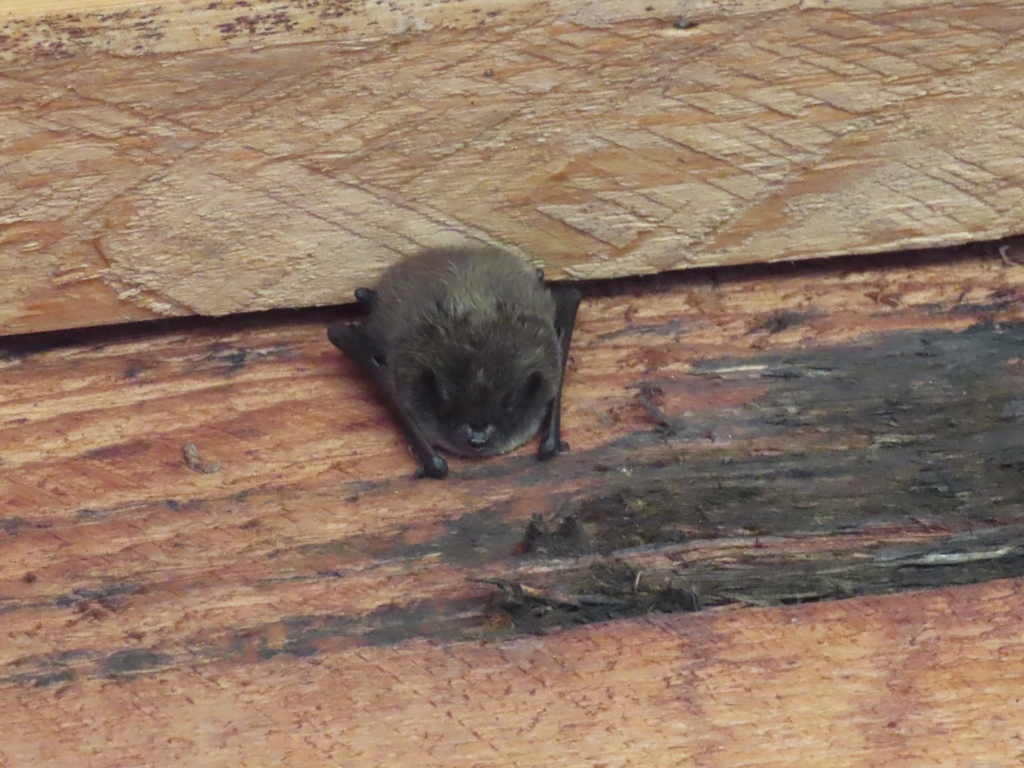
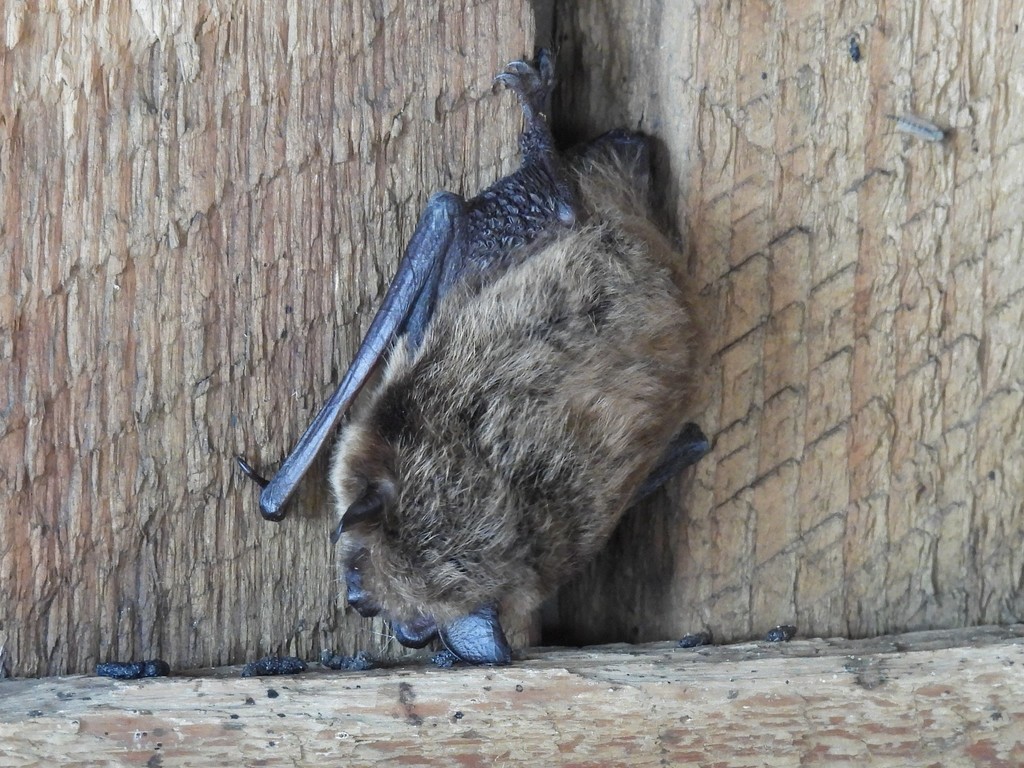
Out of the gallery of trees, the silhouettes of the night-fliers emerge. Among them are the Little Brown Myotis and the Northern Long-eared Bat, species now treading the precarious edge of the endangered list. These masters of echolocation are the sentinels of our night. To them, light pollution is not merely a nuisance; it is a barrier, a disruption of the predatory dance they have performed since the dawn of time. When we flood the night with artificial glare, we blind the nocturnal, turning their sanctuary into a gauntlet.

A Symphony in Shadow

The wetlands of the Swale act as a dark-mirror to the heavens. In the absence of city glow, the choir of the marsh reaches a crescendo, undisturbed by the biological confusion that artificial light brings to mating cycles and migration. This is the importance of International Dark Sky Week—it is a reminder that darkness is not the absence of life, but a requirement for it.

The Richard St. Barbe Baker and George Genereux lands are more than just parks; they are “star-grain” elevators, holding the precious resource of the cosmos for the next generation. Standing in the center of these woods, the Milky Way reveals itself not as a faint smudge, but as a frosted river of fire, casting soft shadows on the forest floor. It is a humbling reminder that we are citizens of a galaxy, not just residents of a municipality.

The Case for the Permanent Night

While April 13 marks the beginning of our celebration, the philosophy of the dark must be a year-round commitment. We have lived so long in the “electric cocoon” that we have forgotten the profound psychological and ecological necessity of a truly dark night. A dark sky preserves our health, guides the bird on its path, and grants the poet his muse.

As the wind whispers through the poplars of the southwest, let us recognize that darkness is an endangered species of its own. By shielding our lights and preserving the shadows of the West Swale, we aren’t just saving energy—we are reclaiming our place among the stars. This week, turn your eyes upward. The universe is waiting for you in the quiet, dark corners of Saskatoon.


“Darkness is as essential to our biological welfare, to our evolutionary heritage, as light itself.” — Inspired by the philosophy of the International Dark-Sky Association.

Part SE 23-36-6 – Richard St. Barbe Baker Afforestation Area – 241 Township Road 362-A

Part SE 23-36-6 – SW Off-Leash Recreation Area (Richard St. Barbe Baker Afforestation Area ) – 355 Township Road 362-A

S ½ 22-36-6 Richard St. Barbe Baker Afforestation Area (West of SW OLRA) – 467 Township Road 362-A

NE 21-36-6 “George Genereux” Afforestation Area – 133 Range Road 3063

Wikimapia Map: type in Richard St. Barbe Baker Afforestation Area or

Google Maps South West Off Leash area location pin at parking lot

Web page: https://stbarbebaker.wordpress.com

Where is the Richard St. Barbe Baker Afforestation Area? with map

Where is the George Genereux Urban Regional Park (Afforestation Area)?with map

Pinterest richardstbarbeb

Blogger: FriendsAfforestation

Tumblr friendsafforestation.tumblr.comFacebook Group Page: Users of the George Genereux Urban Regional Park

Facebook: StBarbeBaker Afforestation Area

Facebook for the non profit Charity Friends of the Saskatoon Afforestation Areas Inc. FriendsAreas

Facebook group page : Users of the St Barbe Baker Afforestation Area

Facebook: South West OLRA

Reddit: FriendsAfforestation

BlueSky Social

Mix: friendsareas

YouTube

Support via Zeffy

Please help protect / enhance your afforestation areas, please contact the Friends of the Saskatoon Afforestation Areas Inc. (e-mail / e-transfers )

Donate your old vehicle, here’s how!  

Support using Canada Helps

Support via a recycling bottle donation and Join the plastic-recycle challenge!

United Nations Decade on Ecosystem Restoration

““Be like a tree in pursuit of your cause. Stand firm, grip hard, thrust upward. Bend to the winds of heaven..”

The Long Haul: Where Water Flows, Equality Grows


The sky over the high plains is a bruised purple, the kind of color that promises rain but delivers only wind. In the dry reaches of the world, where the soil has the texture of powdered bone and the aquifers are retreating like a beaten army, the burden of thirst has a female face.

March 22 is United Nations World Water Day. The theme for 2026—“Water and Gender: Where Water Flows, Equality Grows”—is more than a slogan. It is a stark recognition of a geographic and social truth: the global water crisis is not a neutral predator. It picks its victims with a calculated eye for the vulnerable.

The Geography of Thirst

In fifty-three countries, the sun rises on a collective trek that defies modern logic. Women and girls spend 250 million hours every single day hauling water. They are the human pipelines, moving 40-pound plastic jerrycans across scrubland and broken basalt, their spines compressing under the weight of a resource that should be a right, not a penance.

When a girl is tethered to a well three miles from her hut, she is not in a classroom. When a woman is occupied with the logistics of basic survival, she is not in the workforce or the halls of local government. This is the “water-industrial complex” at its most cruel—not a high-tech failure of pipes and pumps, but a primitive failure of equity. We have mistaken “efficiency” for “conservation,” and in doing so, we have ignored the most efficient tool we have: the inclusion of women in water leadership.

The Dying Wetlands and the Human Toll

The tragedy is etched into the landscape. We see it in the shrinking fens and the suffocated bogs—those “wastelands” that were actually the Earth’s kidneys. As these ecosystems vanish, the water table drops, and the walk for the women grows longer. In the American West, in the sub-Saharan scrub, and in the parched villages of India, the story is the same: the land is being drained of its lifeblood, and the cost is being paid in the stifled potential of half the human race.

Sustainable Development Goal 6 (SDG 6)—the promise of safe water and sanitation for all by 2030—is currently a flickering lamp in a gale. We are not on track. We are moving with the lethargy of a silted river.

A New Map for 2030

To reach the 2030 goal, the “how” must change. We need a fundamental shift in our civic responsibility:

  • Stop the Binge: Our biggest drinking problem isn’t alcohol; it’s the senseless irrigation of non-native landscapes and industrial waste. Every gallon saved in a suburb is a gallon that stays in the global cycle.
  • Empower the Collectors: Women manage the water at the household level, yet they occupy fewer than one-fifth of the roles in the formal water sector. They must be the engineers, the policy-makers, and the voices at the head of the table.
  • Data over Guesswork: We must close the “data gap.” Without tracking how water scarcity specifically impacts women’s health and safety, our solutions will remain as shallow as a drought-stricken pond.

The lesson of 2026 is simple and bitingly real: we cannot fix the water if we do not fix the inequality. Where the water is allowed to flow freely, reliably, and near to home, the secondary crop is opportunity. Schools fill up. Health improves. The “long haul” finally ends.

On this World Water Day, let us recognize that the tap and the toilet are the most powerful tools for liberation ever invented. It is time to turn them on for everyone.


Supporting the West Swale wetlands within the Richard St. Barbe Baker Afforestation Area (RSBBAA) is a powerful way to put the “Water and Gender” theme into local action. These wetlands—specifically the northern end of Chappell Marsh—are critical “green infrastructure” that provide over $32,000 in annual ecosystem services to Saskatoon.

Here is how you can practically support this local treasure:

1. Become a “Bio-Coder” (Citizen Science)

Stewardship thrives on data. You can help protect the species that live in the West Swale by documenting what you see.

  • Use iNaturalist: Download the app and join the Saskatoon City Nature Challenge (happening April 24–27, 2026). Even a photo of a common frog or a “Lesser Yellowlegs” helps the Friends of the Saskatoon Afforestation Areas track the health of the ecosystem.
  • Report Species at Risk: The West Swale is home to over 60 species at risk. Reporting sightings of the Horned Grebe or Loggerhead Shrike ensures these areas receive the highest level of conservation priority.

2. Practice “Stealth Birding” and Respectful Visitation

The wetlands are “floating nurseries” for sensitive birds.

  • Stay on the Path: Walking through tall grass from May to August can crush the nests of ground-nesters like the Sprague’s Pipit.
  • Leash Your Dogs: Even a friendly swim can swamp a floating Grebe nest or disrupt the breeding cycle of the Western Tiger Salamander.

3. Join the “Friends” as a Volunteer or Leader

The Friends of the Saskatoon Afforestation Areas Inc. is the primary non-profit advocacy group for this land.

  • Board Opportunities: They are currently seeking board members and a Director of Municipal Affairs to monitor City Hall debates regarding the 480 acres of urban forest and swale.
  • Guided Tours: If you have a passion for nature, volunteer as an environmental tour guide for their “Woodlands and Wetlands” programs in May.
  • Plastic-Recycle Challenge: Support their conservation work by participating in their recycling bottle donation programs.

4. Advocate at City Hall

The West Swale is at the heart of the current National Urban Park debate (March 2026).

  • Monitor Boundaries: There is ongoing concern that new park boundaries might exclude portions of Richard St. Barbe Baker, George Genereux Urban Regional Forest the NorthEast swale to allow for neighborhood development.
  • Write to Council: Express your support for maintaining the 2023 consultative boundaries that include the full ecological reach of the Northeast, Small, and West Swales.

5. Education & Events

  • Jane’s Walk: Participate in the annual Jane’s Walk (May 3 at 3:00) to learn about the Yorath Island Glacial Spillway that formed the West Swale.
  • Junior Steward’s Quest: Encourage local schools to participate in field trips where students learn “pond dipping” and how to read the land.

Quick Contact for Support:

  • Website: friendsareas.ca
  • Email: friendsafforestation@gmail.com
  • Location: 241 Township Road 362-A (South West of Saskatoon).

“Species at Risk” to look out for during your next walk?

Resources for Action

  • Explore: World Water Day 2026 Activation Kit
  • Act: Support local water budgeting and gender-inclusive sanitation projects.
  • Learn: Read the 2026 UN World Water Development Report on water and gender equality.

Part SE 23-36-6 – Richard St. Barbe Baker Afforestation Area – 241 Township Road 362-A

Part SE 23-36-6 – SW Off-Leash Recreation Area (Richard St. Barbe Baker Afforestation Area ) – 355 Township Road 362-A

S ½ 22-36-6 Richard St. Barbe Baker Afforestation Area (West of SW OLRA) – 467 Township Road 362-A

NE 21-36-6 “George Genereux” Afforestation Area – 133 Range Road 3063

Wikimapia Map: type in Richard St. Barbe Baker Afforestation Area or

Google Maps South West Off Leash area location pin at parking lot

Web page: https://stbarbebaker.wordpress.com

Where is the Richard St. Barbe Baker Afforestation Area? with map

Where is the George Genereux Urban Regional Park (Afforestation Area)?with map

Pinterest richardstbarbeb

Blogger: FriendsAfforestation

Tumblr friendsafforestation.tumblr.comFacebook Group Page: Users of the George Genereux Urban Regional Park

Facebook: StBarbeBaker Afforestation Area

Facebook for the non profit Charity Friends of the Saskatoon Afforestation Areas Inc. FriendsAreas

Facebook group page : Users of the St Barbe Baker Afforestation Area

Facebook: South West OLRA

Reddit: FriendsAfforestation

BlueSky Social

Mix: friendsareas

YouTube

Support via Zeffy

Please help protect / enhance your afforestation areas, please contact the Friends of the Saskatoon Afforestation Areas Inc. (e-mail / e-transfers )

Donate your old vehicle, here’s how!  

Support using Canada Helps

Support via a recycling bottle donation and Join the plastic-recycle challenge!

United Nations Decade on Ecosystem Restoration

““Be like a tree in pursuit of your cause. Stand firm, grip hard, thrust upward. Bend to the winds of heaven..”

Design a site like this with WordPress.com
Get started