

Just In! National Geographic October 21, 2020 Rachel Fobar – Ovocontrol is a viable option that reduces flock size via attrition not poisoning and is safe for predators…. Jan Shadick of LSWR has been suggesting Ovocontrol for a longtime.
The Friends of the Saskatoon Afforestation Areas urgently call for action to address the concerning use of the neurotoxin Avitrol in our city. Following up on the initiative spearheaded by Jan Shadick from Living Sky Rehabilitation Rescue [see bibliography], who garnered approximately 3,000 signatures for a petition to ban Avitrol, we are determined to see this through. We appreciate the efforts of Shadick, which led to the City of Saskatoon agreeing to cease the use of Avitrol on its properties in 2019. However, it is now paramount that we rally again for the presentation made by Shadick on June 2, 2021 to ask for a city wide ban on Avitrol to protect the afforestation areas, and to protect all Saskatoon off leash recreation areas in Saskatoon.
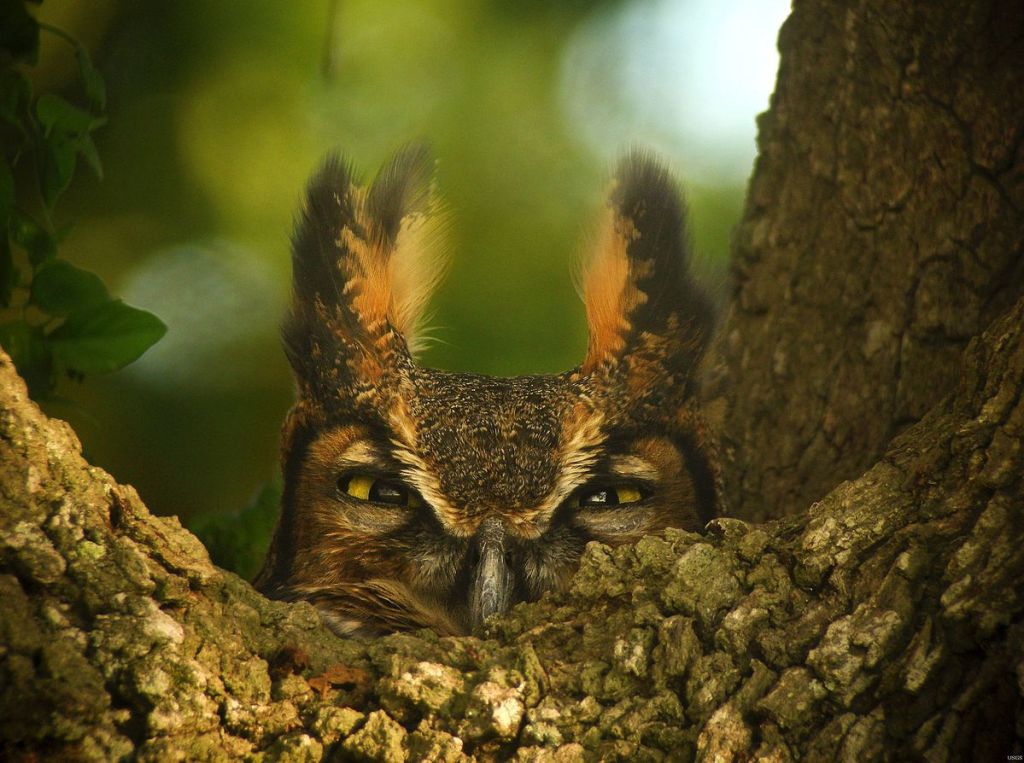
Avitrol, often used to reduce pigeon numbers, is a highly inhumane method of culling a species population. Beyond the immediate cruelty inflicted upon pigeons, the use of Avitrol has devastating consequences for our local ecosystem. Pigeons play a crucial role in maintaining ecological balance, and their indiscriminate poisoning disrupts the delicate harmony of our environment. An observer from the Wildlife Rescue Society of Saskatchewan (WRSOS) reported witnessing and monitoring two owlet broods this spring alone. Great Horned Owls can have anywhere from 3-4 owlets at a time. Sadly, the fledglings were found on the ground (which is normal) and yet were not faring well. Upon consultation with a veterinarian, it was determined that both broods were likely victims of pigeon poisoning. While the larger parent owl may perhaps survive the toxin in their system due to their larger size, the vulnerable smaller owlets succumbed to its effects and both owlet families were tragically lost. Cornell University’s All About Birds estimates that for Great Horned Owl predator species, their territory to feed their young ranges from just under 0.1 square miles (0.2 square kilometers) to over one square mile (3 square kilometers). An urban greenspace such as Richard St. Barbe Baker Afforestation Area at 326 acres should be a safe semi-wilderness habitat and not see the ravages of an inhumane poison such as Avitrol!
The Humane Society, firmly believes that killing animals, regardless of the method, is not only cruel but also ineffective in addressing the underlying issues. Instead, it perpetuates a vicious cycle of violence.
One such example is the misleadingly marketed Avitrol brand poison, which is often used to eliminate pigeons. Despite being labeled as a “flock frightening agent” or “repellent,” Avitrol is, in reality, a potent nervous system poison. Birds that ingest it suffer from agonizing convulsions before succumbing to death. This method of control not only inflicts immense suffering upon the birds but also traumatizes any individuals, particularly children, who witness or attempt to aid the dying animals.
Furthermore, it’s essential to recognize that pigeons are integral to our local food web. They serve as prey for various predatory birds, including Peregrine Falcons, Red-tailed Hawks, Snowy Owls, Northern Saw Whet Owls, Short-eared Owls and others in Saskatoon and area. Additionally, other natural predators such as foxes (including the species at risk swift fox), and snakes also contribute to controlling pigeon populations. Unfortunately, human intervention has become the most significant threat to pigeons, outweighing the impacts of natural predation and by using avitrol, the effects of human poisoning multiplies exponentially through the food chain.
Avicide poisons such as Avitrol are widely regarded as inhumane due to their adverse effects on birds, and as a result, they are prohibited for use on most wild bird species. Additionally, there is a significant risk posed to companion animals like dogs, cats, and other carnivores if they ingest birds that have been poisoned or are in the process of dying from poison. This not only endangers the health of your four-legged companions but also underscores the inherent risks associated with using poison as a control method. As stated on the Avitrol website, the use of their product inevitably results in some level of mortality. Additionally, it cautions that the poison can be lethal to any invertebrate species that consumes it or an that consumes an poisoned pigeon, extending beyond its intended target of birds.
Furthermore, poisoning birds is ultimately ineffective in the long term. While it may temporarily reduce the population of a particular flock, others will often take their place, perpetuating a cycle of control measures. Instead of resorting to lethal methods, it is more pragmatic to focus on making your property less appealing or hospitable to birds. This approach offers a more sustainable and humane solution to bird-related issues on your property.[This Old House How To Get Rid of Birds on Your Property]
We feel that “you cannot protect what you don’t know.”
We must recognize that we are in a critical era witnessing the sixth silent mass extinction. As stewards of our planet, it is our responsibility to be the voice for nature and advocate for sustainable practices. This aligns with the goals of the United Nations, particularly the United Nations Decade on Ecosystem Restoration, the International Decade of Sciences for Sustainable Development and the United Nations Sustainable Development Goal 15 Life on Land, and Sustainable Development Goal 11: Sustainable cities and communities. Further, the City’s Strategic Plan for 2013-2023 highlights Environmental Leadership as a key objective, with Saskatoon’s Ecological Footprint serving as a measure of success. By taking action to ban Avitrol city wide, we contribute to the preservation of biodiversity and the protection of our precious ecosystems.
In our forthcoming letter to the Saskatoon Environmental Advisory Committee (SEAC), we emphasize the ripple effect of Avitrol usage, particularly on vulnerable species such as the Majestic Great Horned Owl. Recent observations from the Richard St. Barbe Baker Afforestation Area have revealed alarming declines in owl populations, with evidence suggesting that owlets have fallen victim to pigeon poisoning. This tragic outcome underscores the urgent need for action to protect our wildlife from the harmful effects of Avitrol. So, we now realize that pigeons are not the only ones facing this cruel inhumane death by this poison.
As responsible stewards of our environment, it is imperative that we take decisive action to prevent further harm to our wildlife. By standing together, we can send a powerful message to city officials and ensure the welfare of all creatures within our community.
Thank you for your consideration and support in this crucial matter. Together, we can make a difference. Please forward this communication to whomever may be an advocate for the protection and conservation our majestic and diverse owl species, and other native prey animals of our moist mixed grassland ecosystem of Saskatoon and area.
Bibliography:
The City of Saskatoon says it has stopped poisoning pigeons
City of Saskatoon Pigeon Control Response December 2, 2019
Saskatoon to stop using neurotoxin banned in other cities for pigeon control
Wildlife rehabilitation centre asking Saskatoon to ban use of neurotoxin on pigeons
Saskatoon to stop using neurotoxin banned in other cities for pigeon control
Saskatoon woman asking city to ban toxic bird control substance
Wildlife rehab centre wants ban on pigeon control products
City to ban toxins that poison Saskatoon pigeons
Saskatoon to stop using neurotoxin banned in other cities for pigeon control
Wildlife rehabilitation calls for city to ban toxins that poison Saskatoon pigeons
Battle for the Birds and the Bees
City hall to pursue pest management strategy for Saskatoon
City to ban toxins that poison Saskatoon pigeons
City Using Humane Approach To Pigeon Perching Problem
Advocacy Project 1 – Pigeons and Poison in Saskatoon
Saskatchewan Network For Alternative to Pesticides SNAP



For directions as to how to drive to “George Genereux” Urban Regional Park
For directions on how to drive to Richard St. Barbe Baker Afforestation Area
For more information:
NEW P4G District Official Community Plan
Richard St. Barbe Baker Afforestation Area is located in Saskatoon, Saskatchewan, Canada north of Cedar Villa Road, within city limits, in the furthest south west area of the city. 52° 06′ 106° 45′
Addresses:
Part SE 23-36-6 – Afforestation Area – 241 Township Road 362-A
Part SE 23-36-6 – SW Off-Leash Recreation Area (Richard St. Barbe Baker Afforestation Area ) – 355 Township Road 362-A
S ½ 22-36-6 Richard St. Barbe Baker Afforestation Area (West of SW OLRA) – 467 Township Road 362-A
NE 21-36-6 “George Genereux” Afforestation Area – 133 Range Road 3063
Wikimapia Map: type in Richard St. Barbe Baker Afforestation Area
Google Maps South West Off Leash area location pin at parking lot
Web page: https://stbarbebaker.wordpress.com
Where is the Richard St. Barbe Baker Afforestation Area? with map
Where is the George Genereux Urban Regional Park (Afforestation Area)?with map
Blogger: FriendsAfforestation
Tumblr friendsafforestation.tumblr.comFacebook Group Page: Users of the George Genereux Urban Regional Park
Facebook: StBarbeBaker Afforestation Area
Facebook for the non profit Charity Friends of the Saskatoon Afforestation Areas Inc. FriendsAreas
Facebook group page : Users of the St Barbe Baker Afforestation Area
Twitter: St Barbe Baker Charity Twitter:FriendsAreas
Please help protect / enhance your afforestation areas, please contact the Friends of the Saskatoon Afforestation Areas Inc. (e-mail / e-transfers )
Donate your old vehicle, here’s how!
Support using Canada Helps
Support via a recycling bottle donation
United Nations Decade on Ecosystem Restoration
- Use the UN Decade’s Visual Identity
- Make it your own
- Spread the word about the UN Decade
- Let’s Bring Back Forests
- Let’s Green Our Cities
““Be like a tree in pursuit of your cause. Stand firm, grip hard, thrust upward. Bend to the winds of heaven..”
Richard St. Barbe Baker
 Forests of Memory. Forests of Learning. Forests for Life.