Celebrating the Wisdom of Age: Honoring International Day of Older Persons

Introduction: On October 1st, the world comes together to celebrate International Day of Older Persons, a day dedicated to recognizing and appreciating the contributions and wisdom of seniors in our society. As we strive for inclusivity and diversity in naturalized green spaces, such as the Richard St. Barbe Baker Afforestation Area and the George Genereux Urban Regional Park, we acknowledge the vital role these spaces play in connecting seniors with nature and fostering a sense of inclusivity and diversity within the One City concept. In this article, we explore how environmental programming can advance inclusivity and diversity for seniors, while providing examples of activities and action plans that engage the general public in respecting and supporting seniors.

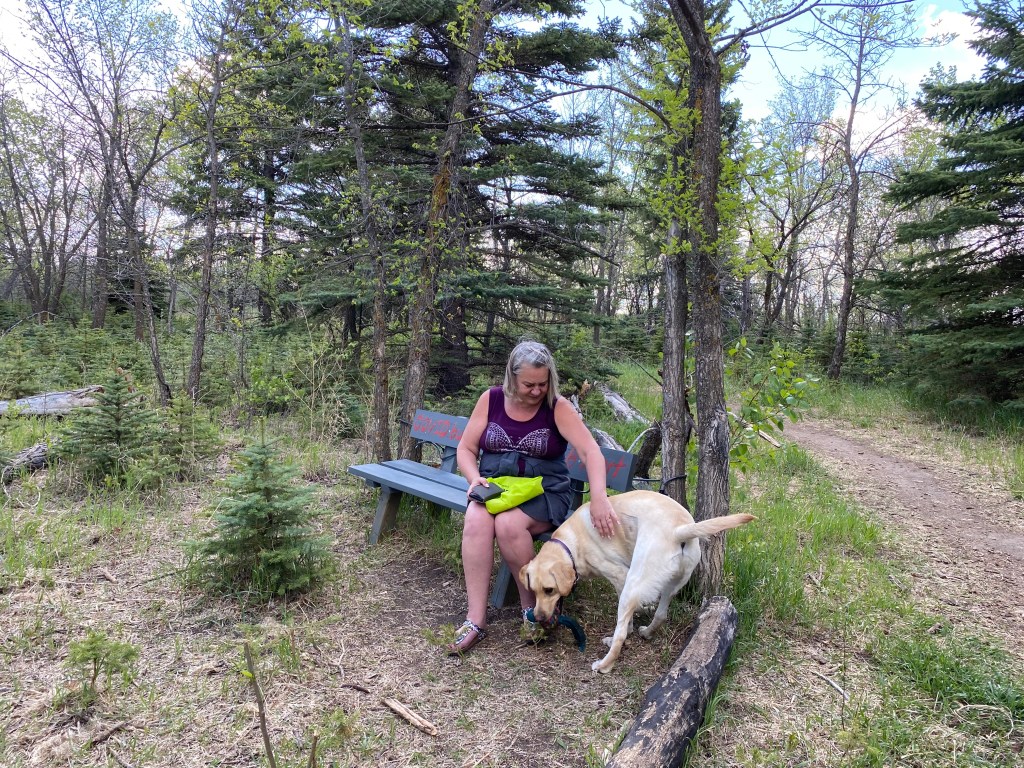
  1. Rest Areas for Reflection and Observation: In the afforestation areas there are designated rest areas within the afforestation areas, equipped with benches, bird feeders, and birdhouses. These spaces provide a tranquil setting for seniors to connect with nature, observe the diverse bird species, and find solace in the beauty of the surrounding greenery.
  2. Guided Nature Walks and Interpretive Tours: Throughout the year, and by request the Friends of the Saskatoon Afforestation Areas organize guided nature walks and interpretive tours specifically designed for seniors. These outings offer an opportunity to explore the natural wonders of the afforestation areas while learning about their ecological significance. Knowledgeable guides can share stories and insights into the local flora, fauna, and cultural heritage.
  3. Outdoor Fitness and Wellness Programs: Offer outdoor fitness and wellness programs tailored to the needs and abilities of seniors. Gentle exercises, such as yoga or tai chi, amidst the natural surroundings promote physical well-being, mental clarity, and a deeper connection with nature. Additionally, workshops on herbal remedies and natural remedies can provide valuable knowledge for promoting healthy aging.
  4. Art and Creative Expression: Host art workshops or plein air painting sessions within the natural settings of the afforestation areas. Seniors can express their creativity through various artistic mediums, capturing the beauty of nature on canvas or paper. Art can serve as a means of self-expression, storytelling, and connection.
  5. Nature Photography and Birdwatching: Encourage seniors to engage in nature photography or birdwatching as a way to immerse themselves in the environment and capture memorable moments. Organize photography contests or birdwatching outings to promote friendly competition and camaraderie among participants.
  6. Intergenerational Activities: Facilitate intergenerational activities that foster understanding, respect, and appreciation between seniors and younger generations. This could involve storytelling sessions, nature-themed craft workshops, or collaborative environmental projects that encourage knowledge-sharing and empathy.

Conclusion: On International Day of Older Persons, we celebrate the wisdom and valuable contributions of seniors in our society. By promoting inclusivity and diversity within naturalized green spaces like the Richard St. Barbe Baker Afforestation Area and the George Genereux Urban Regional Park, we create environments that embrace the One City concept. Through environmental programming, such as rest areas, guided tours, fitness programs, and intergenerational activities, we can engage seniors in meaningful ways, fostering a sense of belonging, well-being, and connection with nature. Let us honor the United Nations Decade of Healthy Ageing and actively contribute to creating a society that respects and supports older persons, ensuring they lead healthy, fulfilling lives in harmony with the natural world.

To express your interest in the above activities, to collaborate or inquire further as supporter, volunteer or board member, please reach out to us at email: friendsafforestation@gmail.com. We meet virtually once a month, and host in person events at George Genereux Urban Regional park and Richard St. Barbe Baker Afforestation Area.
For directions as to how to drive to “George Genereux” Urban Regional Park
For directions on how to drive to Richard St. Barbe Baker Afforestation Area
For more information:
Blairmore Sector Plan Report; planning for the Richard St. Barbe Baker Afforestation Area, George Genereux Urban Regional Park and West Swale and areas around them inside of Saskatoon city limits
NEW P4G District Official Community Plan
Richard St. Barbe Baker Afforestation Area is located in Saskatoon, Saskatchewan, Canada north of Cedar Villa Road, within city limits, in the furthest south west area of the city. 52° 06′ 106° 45′
Addresses:
Part SE 23-36-6 – Afforestation Area – 241 Township Road 362-A
Part SE 23-36-6 – SW Off-Leash Recreation Area (Richard St. Barbe Baker Afforestation Area ) – 355 Township Road 362-A
S ½ 22-36-6 Richard St. Barbe Baker Afforestation Area (West of SW OLRA) – 467 Township Road 362-A
NE 21-36-6 “George Genereux” Afforestation Area – 133 Range Road 3063
Wikimapia Map: type in Richard St. Barbe Baker Afforestation Area
Google Maps South West Off Leash area location pin at parking lot
Web page: https://stbarbebaker.wordpress.com
Where is the Richard St. Barbe Baker Afforestation Area? with map
Where is the George Genereux Urban Regional Park (Afforestation Area)?with map
Pinterest richardstbarbeb
Blogger: FriendsAfforestation
Tumblr friendsafforestation.tumblr.comFacebook Group Page: Users of the George Genereux Urban Regional Park
Facebook: StBarbeBaker Afforestation Area
Facebook for the non profit Charity Friends of the Saskatoon Afforestation Areas Inc. FriendsAreas
Facebook group page : Users of the St Barbe Baker Afforestation Area
Facebook: South West OLRA
Reddit: FriendsAfforestation
Twitter: St Barbe Baker Charity Twitter:FriendsAreas
Mix: friendsareas
YouTube
Please help protect / enhance your afforestation areas, please contact the Friends of the Saskatoon Afforestation Areas Inc. (e-mail / e-transfers )Support the afforestation areas with your donation or membership ($20.00/year). Please donate by paypal or by using e-transfers Please and thank you! Your donation and membership is greatly appreciated. Members e-mail your contact information to be kept up to date!
Donations can be made through Paypal, Canada Helps, Contact Donate A Car Canada, SARCAN Drop & Go 106100594 for the Friends of the Saskatoon Afforestation Areas Inc.
United Nations Decade on Ecosystem Restoration
Use the UN Decade’s Visual Identity
Make it your own
Spread the word about the UN Decade
Let’s Bring Back Forests
Let’s Green Our Cities
“Be like a tree in pursuit of your cause. Stand firm, grip hard, thrust upward. Bend to the winds of heaven..”
Richard St. Barbe Baker

Rethinking Tourism: Embracing Nature, Diversity, and Inclusivity

World Tourism Day
27 September

Introduction: World Tourism Day is a time for us to reflect on the future of tourism, where we want to go, and how we can get there. This year’s theme, “Rethinking Tourism,” urges us to place people at the center of key discussions and embrace a vision that encompasses inclusivity, diversity, and sustainability. As we explore the Richard St. Barbe Baker Afforestation Area and the George Genereux Urban Regional Park, we discover how connecting with nature and promoting environmental programming can align with the World Tourism Day theme and foster a new perspective on tourism.

Embracing Nature for a Sustainable Tourism Experience: Nature has a remarkable capacity to inspire, rejuvenate, and educate. By integrating environmental programming and naturalized green spaces into the tourism experience, we can enhance the overall journey and create meaningful connections between visitors, the environment, and local communities. Here are five activities that exemplify the World Tourism Day theme of “Rethinking Tourism” at these unique green spaces:

  1. Guided Nature Walks: Organized guided walks led by knowledgeable interpreters share insights about the rich biodiversity, geological history, and cultural heritage of the afforestation areas. These walks foster an appreciation for the natural world, promote ecological understanding, and provide opportunities for visitors to connect with diverse ecosystems.
  2. Indigenous Cultural Experiences: Collaborate with local Indigenous communities to offer cultural experiences that highlight their deep connection to the land. This may include storytelling, offering tobacco, or workshops on Indigenous practices, fostering mutual respect, cultural exchange, and a deeper understanding of the region’s heritage.
  3. Environmental Education Workshops: Develop workshops that engage visitors in hands-on activities focused on sustainable practices, conservation, and ecological awareness. These workshops can empower participants to become stewards of the environment and encourage them to integrate sustainability into their daily lives.
  4. Accessibility and Inclusivity Initiatives: Ensure that the naturalized green spaces are accessible to everyone, regardless of their physical abilities or backgrounds. Implement recycled material to promote fully functional, accessible paths integrating well with the forest landscape, interpretive signage with audio, and sensory gardens to cater to diverse needs. Collaborate with local organizations to provide inclusive programs that engage equity-deserving groups and break down systemic barriers.
  5. Community Engagement and Volunteering: Encourage the general public to actively participate in conservation efforts through volunteer programs and community engagement initiatives. These activities could involve tree protection, habitat restoration planning, or wildlife monitoring through citizen science, creating a sense of ownership and stewardship among visitors.

The Significance of the Richard St. Barbe Baker Afforestation Area and George Genereux Urban Regional Park: Spanning 192 hectares (474 acres) of man-made forests on the prairies, the Richard St. Barbe Baker Afforestation Area and the George Genereux Urban Regional Park stand as shining examples of the World Tourism Day theme, “Rethinking Tourism.” These green spaces, with their unique geological origins in the Pleistocene era Glacial Spillway, provide an opportunity to connect with nature while honoring the cultural heritage of the Old Bone Trail.

As we explore these natural treasures, we are reminded of the remarkable legacies of Richard St. Barbe Baker, Dr. George Genereux, B.T. Chappell, and Police Sargeant Bruce Gordon. Their contributions, encompassing environmental activism, accessibility advocacy, and community building, exemplify the spirit of inclusivity and equality we strive for in tourism.

Advocating for Inclusivity and Equality: To ensure that these green spaces truly embrace the One City concept and promote inclusivity and equality, we must actively work to break down systemic barriers. By providing interpretation services, multilingual resources, and tailored programming, we can ensure that equity-deserving groups, such as persons with disabilities, Indigenous peoples, racialized communities, LGBTQI2S+ individuals, and others, can enjoy and engage with these naturalized green spaces.

Conclusion: On this World Tourism Day, let us reimagine the future of tourism and embrace the theme of “Rethinking Tourism” by prioritizing nature, diversity, and inclusivity. The Richard St. Barbe Baker Afforestation Area and the George Genereux Urban Regional Park offer unique opportunities to connect with nature, honor cultural heritage, and promote sustainability. By engaging in activities that foster lifelong learning, cultural exchange, and environmental stewardship, we can create tourism experiences that benefit both visitors and the communities they explore. Let us strive for a future where tourism is synonymous with respect, inclusivity, and the preservation of our planet’s natural wonders.

To express your interest in any of the above information or inquire further as supporter, volunteer or board member for the Friends of the Saskatoon Afforestation Areas Inc., please reach out to us at email: friendsafforestation@gmail.com. We meet virtually once a month, and host in person events at George Genereux Urban Regional park and Richard St. Barbe Baker Afforestation Area.

For directions as to how to drive to “George Genereux” Urban Regional Park
For directions on how to drive to Richard St. Barbe Baker Afforestation Area
For more information:
Blairmore Sector Plan Report; planning for the Richard St. Barbe Baker Afforestation Area, George Genereux Urban Regional Park and West Swale and areas around them inside of Saskatoon city limits
NEW P4G District Official Community Plan
Richard St. Barbe Baker Afforestation Area is located in Saskatoon, Saskatchewan, Canada north of Cedar Villa Road, within city limits, in the furthest south west area of the city. 52° 06′ 106° 45′
Addresses:
Part SE 23-36-6 – Afforestation Area – 241 Township Road 362-A
Part SE 23-36-6 – SW Off-Leash Recreation Area (Richard St. Barbe Baker Afforestation Area ) – 355 Township Road 362-A
S ½ 22-36-6 Richard St. Barbe Baker Afforestation Area (West of SW OLRA) – 467 Township Road 362-A
NE 21-36-6 “George Genereux” Afforestation Area – 133 Range Road 3063
Wikimapia Map: type in Richard St. Barbe Baker Afforestation Area
Google Maps South West Off Leash area location pin at parking lot
Web page: https://stbarbebaker.wordpress.com
Where is the Richard St. Barbe Baker Afforestation Area? with map
Where is the George Genereux Urban Regional Park (Afforestation Area)?with map
Pinterest richardstbarbeb
Blogger: FriendsAfforestation
Tumblr friendsafforestation.tumblr.comFacebook Group Page: Users of the George Genereux Urban Regional Park
Facebook: StBarbeBaker Afforestation Area
Facebook for the non profit Charity Friends of the Saskatoon Afforestation Areas Inc. FriendsAreas
Facebook group page : Users of the St Barbe Baker Afforestation Area
Facebook: South West OLRA
Reddit: FriendsAfforestation
Twitter: St Barbe Baker Charity Twitter:FriendsAreas
Mix: friendsareas
YouTube
Please help protect / enhance your afforestation areas, please contact the Friends of the Saskatoon Afforestation Areas Inc. (e-mail / e-transfers )Support the afforestation areas with your donation or membership ($20.00/year). Please donate by paypal or by using e-transfers Please and thank you! Your donation and membership is greatly appreciated. Members e-mail your contact information to be kept up to date!
Donations can be made through Paypal, Canada Helps, Contact Donate A Car Canada, SARCAN Drop & Go 106100594 for the Friends of the Saskatoon Afforestation Areas Inc.
United Nations Decade on Ecosystem Restoration
Use the UN Decade’s Visual Identity
Make it your own
Spread the word about the UN Decade
Let’s Bring Back Forests
Let’s Green Our Cities
“Be like a tree in pursuit of your cause. Stand firm, grip hard, thrust upward. Bend to the winds of heaven..”
Richard St. Barbe Baker


Promoting Literacy through Nature: Building Sustainable and Peaceful Societies

Introduction: In celebration of International Literacy Day, September 8, the Friends of the Saskatoon Afforestation Areas Inc. delve into the theme of promoting literacy for a world in transition, recognizing the crucial role of education and lifelong learning in fostering inclusive, peaceful, just, and sustainable societies. This year’s focus on the reciprocal relations between literacy and other areas of development provides an opportunity to reflect on the profound impact of literacy in building a better future. As we explore the Richard St. Barbe Baker Afforestation Area and the George Genereux Urban Regional Park, we discover how environmental programming and engaging with nature can advance literacy skills and lifelong learning.

The Power of Nature in Advancing Literacy: Nature has an innate ability to inspire and captivate our senses, making it an ideal setting for promoting literacy and lifelong learning. By connecting with the natural world, individuals can develop a deeper understanding of their surroundings and cultivate a sense of wonder, curiosity, and exploration. Here are five activities that embrace lifelong learning and reflect on the role of literacy at these green spaces:

  1. Nature Journaling: Encourage visitors to keep a nature journal, where they can document their observations, thoughts, and reflections. By writing about their experiences in nature, individuals can enhance their literacy skills, such as descriptive writing, vocabulary expansion, and critical thinking.
  2. Storytelling Circles: Create storytelling circles within the afforestation areas, where people of all ages and backgrounds can share stories inspired by the natural environment. Storytelling not only fosters creativity and imagination but also strengthens listening and communication skills, contributing to improved literacy.
  3. Guided Nature Walks: Organize guided nature walks led by knowledgeable educators who can share information about the local flora, fauna, and ecological processes. These walks provide opportunities for participants to engage in active listening, ask questions, and learn new vocabulary related to the natural world.
  4. Environmental Workshops: Host interactive workshops on environmental topics, such as climate change, biodiversity, and conservation. These workshops can include reading materials, group discussions, and hands-on activities that promote critical thinking, research skills, and literacy engagement.
  5. Poetry and Writing Contests: Initiate poetry and writing contests focused on themes of nature, sustainability, and environmental stewardship. Encourage participants to express their thoughts and emotions through written word, fostering creativity, self-expression, and literacy development.

Embracing the One City Concept: The Richard St. Barbe Baker Afforestation Area and the George Genereux Urban Regional Park embody the essence of inclusivity, diversity, and the One City concept. These green spaces serve as gathering places where individuals from all walks of life can come together to connect with nature and participate in educational and recreational activities. By promoting literacy and lifelong learning within these spaces, we enhance the social fabric of our communities and foster a sense of shared responsibility for the environment.

Action Plans for Promoting Lifelong Learning: To further promote lifelong learning and reflect on the role of literacy at these afforestation areas, we recommend the following action plans:

  1. Collaborate with local schools and educational institutions to organize field trips and nature-based learning experiences for students of all ages. Encourage teachers to integrate environmental themes into their curriculum to foster a love for nature and develop critical thinking skills. Please engage in our Green Skills packages; Richard St. Barbe Baker Stories Place based activities, Exploring the Wildwoods of Saskatoon: The Ecology of a Planted Forest, Living Legacy activities.
  2. Establish partnerships with libraries and literacy organizations to host storytelling sessions, book clubs, and literacy-focused events at the afforestation areas. Provide access to nature-themed books and resources to encourage reading and literacy engagement.
  3. Develop interpretive signage and educational displays throughout the green spaces, offering information about the flora, fauna, and cultural significance of the area. Incorporate interactive elements to engage visitors of all ages in a meaningful learning experience.
  4. Foster mentorship programs where knowledgeable individuals can share their expertise with others, whether through guided hikes, workshops, or skill-sharing sessions. This peer-to-peer learning promotes knowledge exchange, enhances literacy, and builds community bonds.
  5. Organize community-wide events, such as nature festivals, environmental workshops, and citizen science initiatives, to encourage active participation and hands-on learning. These events can ignite a passion for nature and empower individuals to become environmental stewards. Stay tuned for events offered throughout the year.

Conclusion: As we celebrate International Literacy Day, let us recognize the transformative power of nature and its potential to advance literacy skills and lifelong learning. By embracing environmental programming and the unique offerings of the Richard St. Barbe Baker Afforestation Area and the George Genereux Urban Regional Park, we create opportunities for individuals to connect with nature, develop literacy skills, and foster a deep sense of environmental stewardship. Let us embrace the One City concept, ensuring that everyone has access to these invaluable resources, promoting literacy, inclusivity, and sustainability for a brighter future.

To express your interest in the above initiatives or inquire further as supporter, volunteer or board member for the non profit environmental charity Friends of the Saskatoon Afforestation Areas Inc., please reach out to us at email: friendsafforestation@gmail.com. We meet virtually once a month, and host in person events at George Genereux Urban Regional park and Richard St. Barbe Baker Afforestation Area.

For directions as to how to drive to “George Genereux” Urban Regional Park
For directions on how to drive to Richard St. Barbe Baker Afforestation Area
For more information:
Blairmore Sector Plan Report; planning for the Richard St. Barbe Baker Afforestation Area, George Genereux Urban Regional Park and West Swale and areas around them inside of Saskatoon city limits
NEW P4G District Official Community Plan
Richard St. Barbe Baker Afforestation Area is located in Saskatoon, Saskatchewan, Canada north of Cedar Villa Road, within city limits, in the furthest south west area of the city. 52° 06′ 106° 45′
Addresses:
Part SE 23-36-6 – Afforestation Area – 241 Township Road 362-A
Part SE 23-36-6 – SW Off-Leash Recreation Area (Richard St. Barbe Baker Afforestation Area ) – 355 Township Road 362-A
S ½ 22-36-6 Richard St. Barbe Baker Afforestation Area (West of SW OLRA) – 467 Township Road 362-A
NE 21-36-6 “George Genereux” Afforestation Area – 133 Range Road 3063
Wikimapia Map: type in Richard St. Barbe Baker Afforestation Area
Google Maps South West Off Leash area location pin at parking lot
Web page: https://stbarbebaker.wordpress.com
Where is the Richard St. Barbe Baker Afforestation Area? with map
Where is the George Genereux Urban Regional Park (Afforestation Area)?with map
Pinterest richardstbarbeb
Blogger: FriendsAfforestation
Tumblr friendsafforestation.tumblr.comFacebook Group Page: Users of the George Genereux Urban Regional Park
Facebook: StBarbeBaker Afforestation Area
Facebook for the non profit Charity Friends of the Saskatoon Afforestation Areas Inc. FriendsAreas
Facebook group page : Users of the St Barbe Baker Afforestation Area
Facebook: South West OLRA
Reddit: FriendsAfforestation
Twitter: St Barbe Baker Charity Twitter:FriendsAreas
Mix: friendsareas
YouTube
Please help protect / enhance your afforestation areas, please contact the Friends of the Saskatoon Afforestation Areas Inc. (e-mail / e-transfers )Support the afforestation areas with your donation or membership ($20.00/year). Please donate by paypal or by using e-transfers Please and thank you! Your donation and membership is greatly appreciated. Members e-mail your contact information to be kept up to date!
Donations can be made through Paypal, Canada Helps, Contact Donate A Car Canada, SARCAN Drop & Go 106100594 for the Friends of the Saskatoon Afforestation Areas Inc.
United Nations Decade on Ecosystem Restoration
Use the UN Decade’s Visual Identity
Make it your own
Spread the word about the UN Decade
Let’s Bring Back Forests
Let’s Green Our Cities
“Be like a tree in pursuit of your cause. Stand firm, grip hard, thrust upward. Bend to the winds of heaven..”
Richard St. Barbe Baker

Celebrating Diversity and Inclusivity: Honoring International Non-Binary People’s Day

Introduction: On July 14th, the world unites to celebrate International Non-Binary People’s Day, a day dedicated to recognizing and honoring individuals who identify as non-binary. Non-binary people may identify as an intermediate or separate third gender, identify with multiple genders, no gender, or experience a fluctuating gender identity. As a non-profit environmental charity, we firmly believe in promoting inclusivity and diversity in naturalized green spaces, such as the Richard St. Barbe Baker Afforestation Area and the George Genereux Urban Regional Park. These green spaces serve as havens where people from all walks of life can connect with nature and embrace the One City concept. In this article, we explore the power of environmental programming to advance inclusivity and diversity while fostering respect and support for non-binary individuals.

Advancing Inclusivity and Diversity in Nature: The natural world offers us an unparalleled opportunity to cultivate inclusivity and diversity, free from the constraints of societal norms and prejudices. Here are some examples of how being in nature with environmental programming can foster inclusivity and diversity, providing a safe and nurturing space for all:

  1. Nature-Based Workshops and Events: Organize workshops, events, and activities that celebrate the diversity of nature and human experiences. Encourage dialogue and understanding, focusing on themes such as biodiversity, interconnectedness, and the importance of embracing diversity in all its forms.
  2. Interpretive Signage and Storytelling: Create informative and engaging interpretive signage that showcases diverse stories and perspectives, including those of non-binary individuals. Share narratives that promote empathy and understanding, highlighting the vital role of inclusivity in protecting and conserving our natural world.
  3. Volunteer and Community Engagement: Offer volunteering opportunities that welcome individuals of all genders and identities. Encourage community involvement and collaboration, emphasizing the shared responsibility we have in preserving our environment. By fostering a sense of belonging, we can build bridges between diverse communities and strengthen our collective commitment to nature.
  4. Educational Programs: Develop educational programs that promote inclusivity, respect, and understanding among participants. Offer sessions that explore gender diversity in nature, celebrating the non-binary individuals who have made significant contributions to environmental conservation throughout history. This fosters an appreciation for the diversity of human experiences and encourages a more inclusive approach to environmental activism.
  5. Collaborations and Partnerships: Forge alliances with organizations and initiatives that champion inclusivity and diversity. Collaborate on projects that celebrate the intersectionality of environmental and social justice causes. By working together, we can amplify our impact and create lasting change.

Conclusion: On International Non-Binary People’s Day, we honor the richness and diversity of human experiences, and recognize the unique contributions of non-binary individuals. As a non-profit environmental charity, we believe that our natural spaces, such as the Richard St. Barbe Baker Afforestation Area and the George Genereux Urban Regional Park, should be welcoming and inclusive for all. Through environmental programming that embraces inclusivity, respect, and support, we can create safe and nurturing spaces where individuals of all genders and identities can connect with nature, free from discrimination and violence. Together, let us celebrate the power of diversity, fostering a more inclusive and harmonious relationship with the natural world.

To express your interest in collaborating on the above activities or inquire further as supporter, volunteer or board member, please reach out to us at email: friendsafforestation@gmail.com. We meet virtually once a month, and host in person events at George Genereux Urban Regional park and Richard St. Barbe Baker Afforestation Area.

For directions as to how to drive to “George Genereux” Urban Regional Park
For directions on how to drive to Richard St. Barbe Baker Afforestation Area
For more information:
Blairmore Sector Plan Report; planning for the Richard St. Barbe Baker Afforestation Area, George Genereux Urban Regional Park and West Swale and areas around them inside of Saskatoon city limits
NEW P4G District Official Community Plan
Richard St. Barbe Baker Afforestation Area is located in Saskatoon, Saskatchewan, Canada north of Cedar Villa Road, within city limits, in the furthest south west area of the city. 52° 06′ 106° 45′
Addresses:
Part SE 23-36-6 – Afforestation Area – 241 Township Road 362-A
Part SE 23-36-6 – SW Off-Leash Recreation Area (Richard St. Barbe Baker Afforestation Area ) – 355 Township Road 362-A
S ½ 22-36-6 Richard St. Barbe Baker Afforestation Area (West of SW OLRA) – 467 Township Road 362-A
NE 21-36-6 “George Genereux” Afforestation Area – 133 Range Road 3063
Wikimapia Map: type in Richard St. Barbe Baker Afforestation Area
Google Maps South West Off Leash area location pin at parking lot
Web page: https://stbarbebaker.wordpress.com
Where is the Richard St. Barbe Baker Afforestation Area? with map
Where is the George Genereux Urban Regional Park (Afforestation Area)?with map
Pinterest richardstbarbeb
Blogger: FriendsAfforestation
Tumblr friendsafforestation.tumblr.comFacebook Group Page: Users of the George Genereux Urban Regional Park
Facebook: StBarbeBaker Afforestation Area
Facebook for the non profit Charity Friends of the Saskatoon Afforestation Areas Inc. FriendsAreas
Facebook group page : Users of the St Barbe Baker Afforestation Area
Facebook: South West OLRA
Reddit: FriendsAfforestation
Twitter: St Barbe Baker Charity Twitter:FriendsAreas
Mix: friendsareas
YouTube
Please help protect / enhance your afforestation areas, please contact the Friends of the Saskatoon Afforestation Areas Inc. (e-mail / e-transfers )Support the afforestation areas with your donation or membership ($20.00/year). Please donate by paypal or by using e-transfers Please and thank you! Your donation and membership is greatly appreciated. Members e-mail your contact information to be kept up to date!
Donations can be made through Paypal, Canada Helps, Contact Donate A Car Canada, SARCAN Drop & Go 106100594 for the Friends of the Saskatoon Afforestation Areas Inc.
United Nations Decade on Ecosystem Restoration
Use the UN Decade’s Visual Identity
Make it your own
Spread the word about the UN Decade
Let’s Bring Back Forests
Let’s Green Our Cities
“Be like a tree in pursuit of your cause. Stand firm, grip hard, thrust upward. Bend to the winds of heaven..”
Richard St. Barbe Baker

Design a site like this with WordPress.com
Get started