Sustainable Futures: How Understanding Ecosystems Shapes Conservation Effort

A Tale of Diversity and Discovery

Imagine a quiet morning in the Richard St. Barbe Baker Afforestation Area, or George Genereux Urban Regional Park where the first light of dawn filters through the towering evergreens and conifers that dominate the landscape. As the sun rises, it casts a golden glow over the lush woodland, wetland, and meadow ecosystems that form a unique tapestry of life. This serene setting is not just a collection of trees and plants but a dynamic living system where diverse organisms thrive and interact.

The Dance of the Ecosystems

In these remarkable places, the presence of evergreens and conifers has brought about a fascinating ecological phenomenon. These hardy trees, typically found in higher elevations and boreal forests, have created a special environment that merges with the moist mixed grasslands of the lower elevations around Saskatoon. This merging, known as an ecotone, creates a vibrant transition zone where the qualities of two different ecosystems blend.

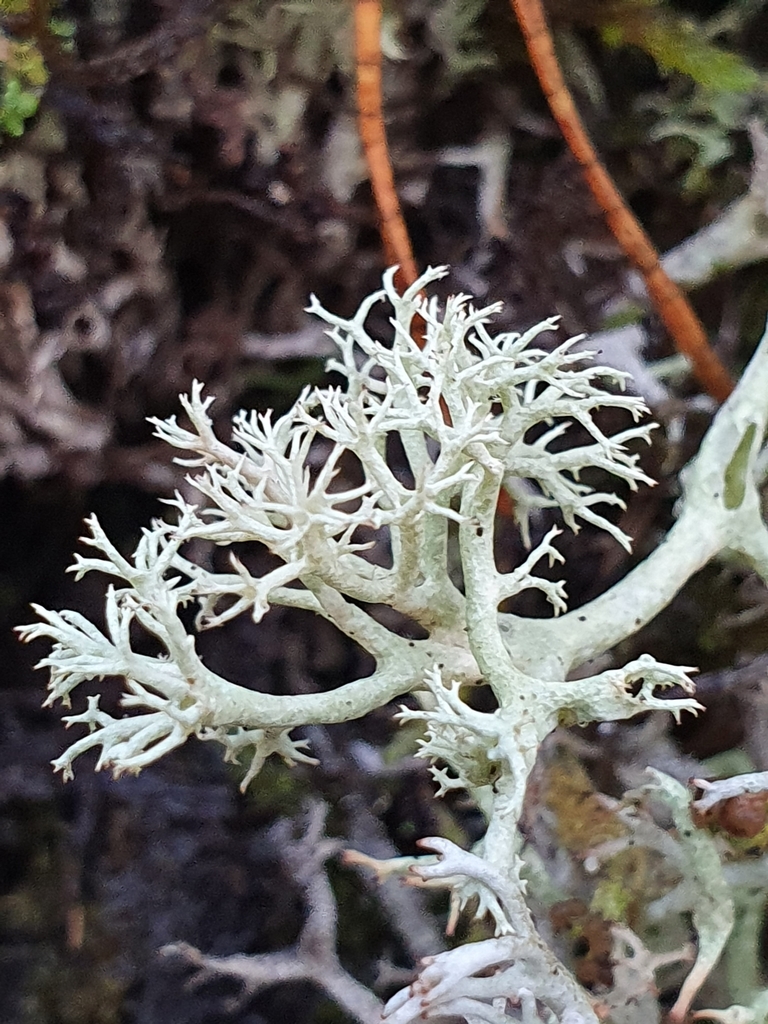
In the woodlands, the evergreen canopy shelters a rich diversity of plants and animals. The fallen needles from these conifers enrich the soil with a unique layer of organic matter, which in turn supports a community of fungi, mosses, and lichens. These microorganisms play a crucial role in breaking down organic material, making nutrients available for the diverse plant life that flourishes beneath the canopy.

The wetlands of the west swale, with the deep waters of the permanent wetlands and the shallow waters of the temporary wetlands and abundant plant life, offer a stark contrast to the woodland. Here, reeds and cattails sway in the gentle breeze, providing a habitat for amphibians and insects. The constant presence of water creates a unique microclimate, which supports species adapted to wet conditions. Birds such as the herons and ducks find sanctuary in these wetlands, while insects like dragonflies and damselflies dart above the water, adding a splash of color to the landscape.

Further afield, the meadows bask in the open sunlight, where wildflowers and grasses create a carpet of color and life. This area supports a different set of species, including pollinators like bees and butterflies, as well as mammals such as deer and rabbits. The diversity of plant life in the meadows provides ample food and shelter, ensuring a thriving community of organisms.

A Tribute to Richard St. Barbe Baker

In this symphony of life, the legacy of Richard St. Barbe Baker, a pioneer in silviculture and a passionate advocate for trees, resonates deeply. Known as a “forest doctor,” Baker dedicated his life to studying and preserving forests around the world. His work led to the creation of the International Tree Foundation, an organization committed to reforestation and forest conservation.

Baker’s vision aligns with the principles of sustainable development. He understood that forests are not just collections of trees but complex ecosystems that support a myriad of life forms. His legacy continues to inspire those who work to preserve and enhance the diversity of living things.

Careers in Understanding Nature

The richness of the afforestation areas provides a living classroom for many careers dedicated to understanding and preserving biodiversity. Botanists study the various plant species and their roles in the ecosystem. Herpetologists focus on amphibians and reptiles, exploring their habitats and behaviors. Zoologists and wildlife biologists investigate the lives of mammals and birds, while entomologists delve into the world of insects.

Mycologists and lichenologists examine fungi and lichens, essential players in nutrient cycling. Dendrologists, who specialize in trees, study their growth patterns and ecological roles. Ornithologists observe and document the behavior and migration patterns of birds.

Bridging Knowledge Systems

As we embark on the International Decade of Sciences for Sustainable Development, there is an increasing emphasis on integrating Indigenous and Western knowledge systems. Indigenous peoples have long understood the interconnectedness of life, using traditional knowledge to manage and sustain their environments. This wisdom complements modern scientific approaches, providing a holistic view of ecological relationships.

Sustainable Development Goals and Conservation

Aligning with the United Nations Sustainable Development Goals, particularly Life Below Water and Life on Land, we recognize the importance of conserving and restoring natural habitats. Understanding the characteristics and behaviors of vertebrates and invertebrates helps us ensure that greenspaces, such as forests, grasslands, and wetlands, are preserved and managed sustainably.

By studying how individual organisms survive and adapt, we gain insights into the mechanisms that support biodiversity. This knowledge is essential for developing strategies to protect and enhance the natural world, ensuring that future generations can enjoy and benefit from its beauty and resources.

The Hidden World of Micro-Organisms

In the soil beneath our feet, a hidden world of micro-organisms plays a critical role in maintaining ecosystem health to understand noxious invasive species. Dr. Eric Lamb’s research into soil microbial communities reveals how these tiny organisms contribute to nutrient cycling and soil fertility. Their work underscores the importance of understanding and preserving the microbial world, which is vital for sustaining plant life and, by extension, the entire ecosystem.

As you explore the afforestation areas, take a moment to appreciate the intricate web of life that surrounds you. From the towering trees to the smallest microbes, each element plays a role in the grand tapestry of nature. By learning about and respecting this diversity, we can contribute to the ongoing preservation and enrichment of our natural world.

Activity 1: Ecotone Exploration

Objective: Understand the concept of an ecotone and how different ecosystems merge.

Instructions:

  1. Create a large poster or digital presentation of the Richard St. Barbe Baker Afforestation Area, including the woodland, wetland, and meadow ecosystems.
  2. Using images or drawings, identify and label key features of each ecosystem, and illustrate how they merge into an ecotone.
  3. Discuss how the presence of evergreens and conifers affects the soil and plant life in this transition zone.

Questions:

  1. What are the main characteristics of the woodland, wetland, and meadow ecosystems found in the afforestation area?
  2. How do evergreens and conifers influence the soil in the ecotone between the boreal forest and mixed grasslands?
  3. What types of plants and animals are adapted to the unique conditions of the ecotone?
  4. Why is the concept of an ecotone important for understanding biodiversity?
  5. How might the merging of different ecosystems in the afforestation area support a diverse range of species and over 60 species of concern?

Activity 2: Careers in Ecology

Objective: Explore various careers related to studying and preserving biodiversity.

Instructions:

  1. Research the careers of botanists, herpetologists, zoologists, wildlife biologists, entomologists, mycologists, lichenologists, dendrologists, and ornithologists. Have you ever taken part in the dendrochronology study conducted by Dr Colin Laroque in the Mistik Askiwin Dendrochronology Lab (MAD Lab) to work with the Canadian Light Source (CLS) Synchrotron?
  2. Create a brochure or presentation highlighting each career’s role, key responsibilities, and how they contribute to understanding ecosystems.
  3. Include information about Richard St. Barbe Baker’s career and its impact on forestry and conservation.

Questions:

  1. What are the main responsibilities of a botanist, and how do they contribute to our understanding of plant species –tree species / native wildflower plants?
  2. How do herpetologists study amphibians and reptiles, and why is this important for conservation? What amphibians and reptiles are present in the afforestation areas (this can be searched on iNaturalist using the “Explore” feature)
  3. What role do ornithologists play in studying bird behavior and migration? (E-bird resources are handy to determine birds of the afforestation areas)
  4. How did Richard St. Barbe Baker’s work influence modern forestry practices?
  5. Which career might you be interested in and why?

Activity 3: Indigenous and Western Knowledge Integration

Objective: Understand the integration of Indigenous and Western knowledge systems in environmental management.

Instructions:

  1. Investigate how Indigenous knowledge and Western scientific approaches complement each other in managing natural resources.
  2. Create a Venn diagram to compare and contrast Indigenous and Western knowledge systems related to ecosystem management.
  3. Discuss how both knowledge systems contribute to sustainable development goals.

Questions:

  1. What are some key principles of Indigenous knowledge related to environmental stewardship?
  2. How do Western scientific methods approach ecosystem management and conservation?
  3. In what ways can combining Indigenous and Western knowledge enhance the management of natural resources?
  4. How do these integrated approaches support the United Nations Sustainable Development Goals?
  5. Why is it important to respect and incorporate diverse knowledge systems in environmental conservation?

Activity 4: Investigating Micro-organisms

Objective: Explore the role of micro-organisms in soil health and ecosystem functioning.

Instructions:

  1. Research the types of micro-organisms found in soil and their roles in nutrient cycling and soil fertility.
  2. Conduct a simple soil experiment to observe micro-organisms using a microscope or soil sampling kit.
  3. Discuss the findings and their implications for ecosystem health and plant growth.

Questions:

  1. What types of micro-organisms are commonly found in soil, and what are their functions?
  2. How do micro-organisms contribute to nutrient cycling in the ecosystem?
  3. Why is it important to understand the role of micro-organisms in maintaining soil health?
  4. What might happen if soil micro-organisms were disrupted or removed?
  5. How can Dr. Eric Lamb and his lab’s research help us better manage soil health and plant life? National Forest Week event Sept 20

Activity 5: Survival Strategies of Local Species

Objective: Examine how local species adapt to their environments.

Instructions:

  1. Choose different vertebrates (mammals, birds, reptiles, amphibians, and fish) and invertebrates from the afforestation area.
  2. Research and present on how each species adapts to its specific habitat within the woodland, wetland, or meadow.
  3. Create a visual display or report showing these adaptations and their importance for survival.

Questions:

  1. How do the adaptations of a specific mammal help it survive in the woodland ecosystem? Would mammals adopt a naturalized “man-made forest” on the prairies, or only use trembling aspen bluffs or woodlands of the boreal forests north of the treeline?
  2. What special features allow birds in the wetland to thrive in their environment?
  3. How do amphibians adapt to the varying conditions of the wetland and meadow ecosystems?
  4. Why are certain plants or insects particularly suited to the meadow habitat?
  5. How do these survival strategies contribute to the overall health and balance of the ecosystem?
    For directions as to how to drive to “George Genereux” Urban Regional Park
    For directions on how to drive to Richard St. Barbe Baker Afforestation Area
    For more information:
    Blairmore Sector Plan Report; planning for the Richard St. Barbe Baker Afforestation Area, George Genereux Urban Regional Park and West Swale and areas around them inside of Saskatoon city limits
    NEW P4G District Official Community Plan
    Richard St. Barbe Baker Afforestation Area is located in Saskatoon, Saskatchewan, Canada north of Cedar Villa Road, within city limits, in the furthest south west area of the city. 52° 06′ 106° 45′
    Addresses:
    Part SE 23-36-6 – Afforestation Area – 241 Township Road 362-A
    Part SE 23-36-6 – SW Off-Leash Recreation Area (Richard St. Barbe Baker Afforestation Area ) – 355 Township Road 362-A
    S ½ 22-36-6 Richard St. Barbe Baker Afforestation Area (West of SW OLRA) – 467 Township Road 362-A
    NE 21-36-6 “George Genereux” Afforestation Area – 133 Range Road 3063
    Wikimapia Map: type in Richard St. Barbe Baker Afforestation Area
    Google Maps South West Off Leash area location pin at parking lot
    Web page: https://stbarbebaker.wordpress.com
    Where is the Richard St. Barbe Baker Afforestation Area? with map
    Where is the George Genereux Urban Regional Park (Afforestation Area)?with map
    Pinterest richardstbarbeb
    Blogger: FriendsAfforestation
    Tumblr friendsafforestation.tumblr.comFacebook Group Page: Users of the George Genereux Urban Regional Park
    Facebook: StBarbeBaker Afforestation Area
    Facebook for the non profit Charity Friends of the Saskatoon Afforestation Areas Inc. FriendsAreas
    Facebook group page : Users of the St Barbe Baker Afforestation Area
    Facebook: South West OLRA
    Reddit: FriendsAfforestation
    Twitter: St Barbe Baker Charity Twitter:FriendsAreas
    Mix: friendsareas
    YouTube
    Please help protect / enhance your afforestation areas, please contact the Friends of the Saskatoon Afforestation Areas Inc. (e-mail / e-transfers )
    Donate your old vehicle, here’s how!  
    Support using Canada Helps
    Support via a recycling bottle donation
    United Nations Decade on Ecosystem Restoration
    Use the UN Decade’s Visual Identity 
    Make it your own
    Spread the word about the UN Decade 
    Let’s Bring Back Forests
    Let’s Green Our Cities
    ““Be like a tree in pursuit of your cause. Stand firm, grip hard, thrust upward. Bend to the winds of heaven..”
    Richard St. Barbe Baker
Wings of Wonder

Wings of Wonder: Celebrating World Migratory Bird Day 2024

As we navigate the critical juncture of climate change and biodiversity loss, the call to action resounds louder than ever. One essential step in this conservation journey is the creation of a biodiversity inventory, a collective effort to illuminate the richness of our urban wildlife and fortify measures for their preservation.

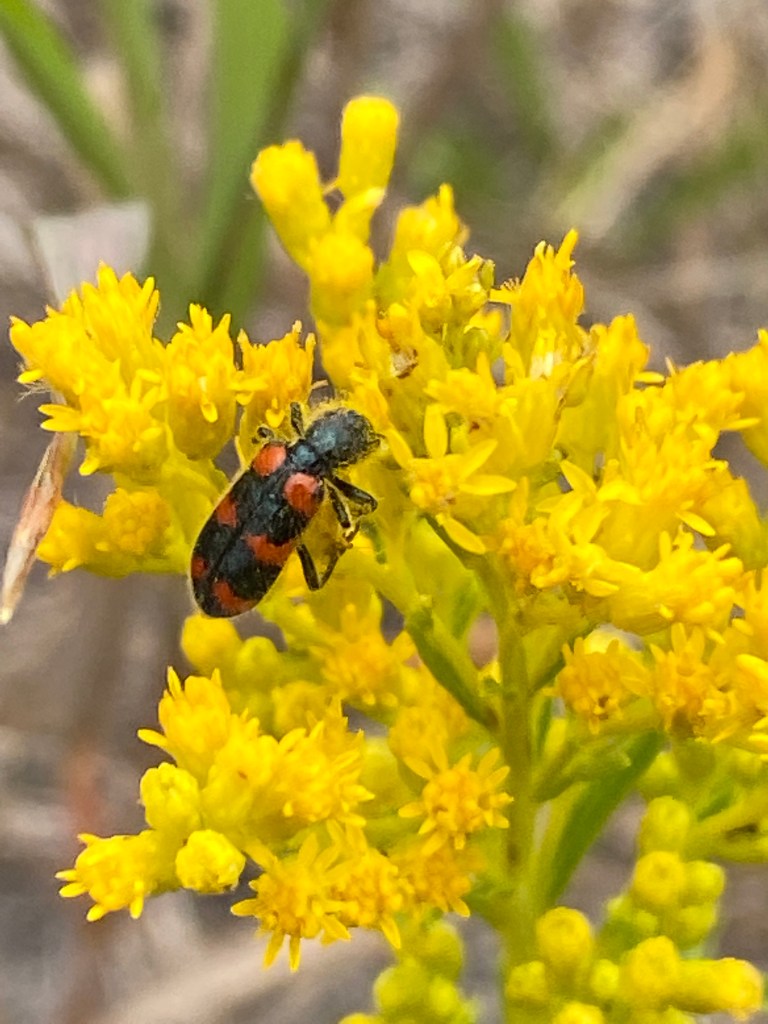
Red-blue Checkered Beetle Trichodes nuttalli on a Missouri Goldenrod Solidago missouriensis at the afforestation area

Insects to Insights: A Symphony of Migration

In the intricate tapestry of nature, insects emerge as the unsung heroes, serving as celestial sustenance for our bird population. Acknowledging their pivotal role, advocating for organic farming practices without pesticides and herbicides becomes paramount. But advocacy is not confined to words alone—it extends to the active documentation of our wildlife species.

"Nameless Scaria" Observer Roberto Sindaco Curator. Family Tetrigidae Pygmy Grasshopper. Citizen Science discovery and naming in Journal of Orthoptera Research
“Nameless Scaria” Observer Roberto Sindaco Curator. Family Tetrigidae Pygmy Grasshopper. Citizen Science discovery and naming in Journal of Orthoptera Research

Wings of Wonder, Voices of Conservation

Documentation, more than a mere record-keeping exercise, stands as a shield for species at risk. It acts as a sentinel, initiating early detection and rapid responses to the encroachment of invasive species. The process is dynamic, helping scientists decipher the ever-changing ranges of species and discerning the subtle shifts in the avian landscape.

Ranked S2 by SCDC Woodland Skipper Ochlodes sylvanoides

Nature’s Tapestry: Celebrate the Dance of Migration

In 2024, World Migratory Bird Day takes center stage with a focus on insects and their profound importance. The emergence of insects in spring becomes a beacon of life, intricately intertwined with the grand spectacle of bird migration. Understanding this symbiotic dance unlocks the mysteries of migration, revealing the delicate balance that sustains our feathered friends.

Grasshopper_SparrowSMALL CC2.0 dominic sheronY
Grasshopper_Sparrow CC2.0 dominic sheronY

Advocate, Document, Conserve: A Pledge for Wildlife

To actively partake in this celebration of avian marvels, mark your calendar for the Saskatoon City Nature Challenge—a vibrant, collective endeavor hosted on iNaturalist. This is a great way to get practiced up in observation just in time for the World Migratory Bird Day . The City Nature Challenge CNC YXE 2024 unfolds in two stages, inviting participants to immerse themselves in the wonders of nature:

  • April 26 – April 29, 2024: Capture images of wild plants, insects, birds, mushrooms, and more.
  • April 30 – May 5, 2024: Identify the discovered species.

The culmination of this nature odyssey will be unveiled on May 6, 2024, fostering a shared experience of discovery and renewal. So, step into the world of wings and wonder, join the City Nature Challenge events, and celebrate World Migratory Bird Day in the spirit of harmony and conservation.

With thanks to our sponsors and supporters SaskPower, SaskTel, Saskatoon Nature Society, Wild About Saskatoon, Varsity View Community Association, Rosewood Varsity View Community Association, Nutana Varsity View Community Association, Montgomery Place Varsity View Community Association. City Nature Challenge Saskatoon CNC YXE 2024 led by Friends of the Saskatoon Afforestation Areas.

Black Capped Chickadee a non-migratory bird species

For directions as to how to drive to “George Genereux” Urban Regional Park

For directions on how to drive to Richard St. Barbe Baker Afforestation Area

For more information:

Blairmore Sector Plan Report; planning for the Richard St. Barbe Baker Afforestation Area, George Genereux Urban Regional Park and West Swale and areas around them inside of Saskatoon city limits

NEW P4G District Official Community Plan

Richard St. Barbe Baker Afforestation Area is located in Saskatoon, Saskatchewan, Canada north of Cedar Villa Road, within city limits, in the furthest south west area of the city. 52° 06′ 106° 45′

Addresses:

Part SE 23-36-6 – Afforestation Area – 241 Township Road 362-A

Part SE 23-36-6 – SW Off-Leash Recreation Area (Richard St. Barbe Baker Afforestation Area ) – 355 Township Road 362-A

S ½ 22-36-6 Richard St. Barbe Baker Afforestation Area (West of SW OLRA) – 467 Township Road 362-A

NE 21-36-6 “George Genereux” Afforestation Area – 133 Range Road 3063

Wikimapia Map: type in Richard St. Barbe Baker Afforestation Area

Google Maps South West Off Leash area location pin at parking lot

Web page: https://stbarbebaker.wordpress.com

Where is the Richard St. Barbe Baker Afforestation Area? with map

Where is the George Genereux Urban Regional Park (Afforestation Area)?with map

Pinterest richardstbarbeb

Blogger: FriendsAfforestation

Tumblr friendsafforestation.tumblr.comFacebook Group Page: Users of the George Genereux Urban Regional Park

Facebook: StBarbeBaker Afforestation Area

Facebook for the non profit Charity Friends of the Saskatoon Afforestation Areas Inc. FriendsAreas

Facebook group page : Users of the St Barbe Baker Afforestation Area

Facebook: South West OLRA

Reddit: FriendsAfforestation

Twitter: St Barbe Baker Charity Twitter:FriendsAreas

Mix: friendsareas

YouTube

Please help protect / enhance your afforestation areas, please contact the Friends of the Saskatoon Afforestation Areas Inc. (e-mail / e-transfers )

Donate your old vehicle, here’s how!  

Support using Canada Helps

Support via a recycling bottle donation

United Nations Decade on Ecosystem Restoration

““Be like a tree in pursuit of your cause. Stand firm, grip hard, thrust upward. Bend to the winds of heaven..”

Richard St. Barbe Baker

Project FeederWatch: Bridging Citizen Science with Birdwatching

Nature has always been an endless source of wonder, offering solace, beauty, and a sense of connection to the world around us. Among the many creatures that inhabit our natural landscapes, birds hold a special place, with their diverse colors, melodies, and behaviors captivating the hearts of millions. But what if you could turn your passion for birdwatching into something more? Enter Project FeederWatch, an initiative by the Cornell Lab of Ornithology, inviting bird enthusiasts of all levels to contribute to scientific research while enjoying the beauty of their own backyard.

What is Project FeederWatch?

Project FeederWatch is a citizen science project that allows individuals to observe birds and mammals outside their windows and contribute valuable data to scientific research. Launched by the Cornell Lab of Ornithology in 1987, this program has been instrumental in tracking changes in bird populations across North America over the past three decades.

How Does It Work?

Participating in Project FeederWatch is both simple and rewarding. All you need to do is set up a bird feeder and keep track of the species that visit it during the designated counting periods. These periods typically run from November to April, aligning with the winter months when birds are most reliant on feeders for sustenance. However, even if you join mid-season, you can still contribute by following the online instructions to report your bird sightings.

Why Join?

The benefits of joining Project FeederWatch are manifold. Not only does it provide a unique opportunity to connect with nature from the comfort of your own home, but it also allows you to actively contribute to scientific research. By recording your observations and submitting them to the Project FeederWatch database, you become part of a vast network of citizen scientists helping researchers better understand bird populations, migration patterns, and ecological changes.

Moreover, Project FeederWatch offers excellent resources to aid participants in bird identification. From online guides and tutorials to webinars and community forums, there are ample opportunities to enhance your birdwatching skills and deepen your appreciation for the avian world.

Get Involved Today!

As we look towards the future, citizen science initiatives like Project FeederWatch play an increasingly crucial role in advancing our understanding of the natural world. By harnessing the collective power of birdwatchers across the continent, we can gain valuable insights into the challenges facing our feathered friends and work towards their conservation.

So why not join the ranks of citizen scientists today? Whether you’re a seasoned birdwatcher or just beginning to explore the wonders of nature, Project FeederWatch offers a meaningful way to engage with the world around you. Visit their website at feederwatch.org to sign up for the next season and start counting your birds for science. Together, let’s make a difference one bird at a time.

For directions as to how to drive to “George Genereux” Urban Regional Park

For directions on how to drive to Richard St. Barbe Baker Afforestation Area

For more information:

Blairmore Sector Plan Report; planning for the Richard St. Barbe Baker Afforestation Area, George Genereux Urban Regional Park and West Swale and areas around them inside of Saskatoon city limits

NEW P4G District Official Community Plan

Richard St. Barbe Baker Afforestation Area is located in Saskatoon, Saskatchewan, Canada north of Cedar Villa Road, within city limits, in the furthest south west area of the city. 52° 06′ 106° 45′

Addresses:

Part SE 23-36-6 – Afforestation Area – 241 Township Road 362-A

Part SE 23-36-6 – SW Off-Leash Recreation Area (Richard St. Barbe Baker Afforestation Area ) – 355 Township Road 362-A

S ½ 22-36-6 Richard St. Barbe Baker Afforestation Area (West of SW OLRA) – 467 Township Road 362-A

NE 21-36-6 “George Genereux” Afforestation Area – 133 Range Road 3063

Wikimapia Map: type in Richard St. Barbe Baker Afforestation Area

Google Maps South West Off Leash area location pin at parking lot

Web page: https://stbarbebaker.wordpress.com

Where is the Richard St. Barbe Baker Afforestation Area? with map

Where is the George Genereux Urban Regional Park (Afforestation Area)?with map

Pinterest richardstbarbeb

Blogger: FriendsAfforestation

Tumblr friendsafforestation.tumblr.comFacebook Group Page: Users of the George Genereux Urban Regional Park

Facebook: StBarbeBaker Afforestation Area

Facebook for the non profit Charity Friends of the Saskatoon Afforestation Areas Inc. FriendsAreas

Facebook group page : Users of the St Barbe Baker Afforestation Area

Facebook: South West OLRA

Reddit: FriendsAfforestation

Twitter: St Barbe Baker Charity Twitter:FriendsAreas

Mix: friendsareas

YouTube

Please help protect / enhance your afforestation areas, please contact the Friends of the Saskatoon Afforestation Areas Inc. (e-mail / e-transfers )

Donate your old vehicle, here’s how!  

Support using Canada Helps

Support via a recycling bottle donation

United Nations Decade on Ecosystem Restoration

““Be like a tree in pursuit of your cause. Stand firm, grip hard, thrust upward. Bend to the winds of heaven..”

Richard St. Barbe Baker

B.I.N.G.O. winners

Arbor Week is now over. The last event was today Sunday April 29- a B.I.N.G.O. The prize winners were a couple, John and Jodi.

Binoculars were the prize for the B.I.N.G.O.

These water-proof binoculars provided 12X power magnification with a 42mm objective lens and roof prism providing 114 meters / 374 feet / 1000 Yards are also fog-proof making them excellent bird or animal watching binoculars winter or summer in any outdoor environment. For the citizen scientist, the prize package included binoculars, neck strap, lens cover, carrying bag, user instructions, cleaning cloth and a smartphone adapter. The smart phone adapter was compatible with all brands of smart phones making it an ideal choice to capture the amazing long distance organism for iNaturalist to help with global conservation efforts.

The Friends of the Saskatoon Afforestation Areas are proud supporters of environmental education, and promote the use of documenting wildlife with the free iNaturalist app, and via eBird. These binoculars promoted and further encouraged these ideals. John and Jodi sound like they have an amazing environment at their home where they encourage native flora, enticing many kinds of birds and animals and along with this great biodiversity of nature at home they also frequent the afforestation areas.

For directions as to how to drive to “George Genereux” Urban Regional Park
For directions on how to drive to Richard St. Barbe Baker Afforestation Area
For more information:
Blairmore Sector Plan Report; planning for the Richard St. Barbe Baker Afforestation Area, George Genereux Urban Regional Park and West Swale and areas around them inside of Saskatoon city limits
NEW P4G District Official Community Plan
Richard St. Barbe Baker Afforestation Area is located in Saskatoon, Saskatchewan, Canada north of Cedar Villa Road, within city limits, in the furthest south west area of the city. 52° 06′ 106° 45′
Addresses:
Part SE 23-36-6 – Afforestation Area – 241 Township Road 362-A
Part SE 23-36-6 – SW Off-Leash Recreation Area (Richard St. Barbe Baker Afforestation Area ) – 355 Township Road 362-A
S ½ 22-36-6 Richard St. Barbe Baker Afforestation Area (West of SW OLRA) – 467 Township Road 362-A
NE 21-36-6 “George Genereux” Afforestation Area – 133 Range Road 3063
Wikimapia Map: type in Richard St. Barbe Baker Afforestation Area
Google Maps South West Off Leash area location pin at parking lot
Web page: https://stbarbebaker.wordpress.com
Where is the Richard St. Barbe Baker Afforestation Area? with map
Where is the George Genereux Urban Regional Park (Afforestation Area)?with map
Pinterest richardstbarbeb
Blogger: FriendsAfforestation
Tumblr friendsafforestation.tumblr.comFacebook Group Page: Users of the George Genereux Urban Regional Park
Facebook: StBarbeBaker Afforestation Area
Facebook for the non profit Charity Friends of the Saskatoon Afforestation Areas Inc. FriendsAreas
Facebook group page : Users of the St Barbe Baker Afforestation Area
Facebook: South West OLRA
Reddit: FriendsAfforestation
Twitter: St Barbe Baker Charity Twitter:FriendsAreas
Mix: friendsareas

YouTube

Please help protect / enhance your afforestation areas, please contact the Friends of the Saskatoon Afforestation Areas Inc. (e-mail / e-transfers )Support the afforestation areas with your donation or membership ($20.00/year). Please donate by paypal or by using e-transfers Please and thank you! Your donation and membership is greatly appreciated. Members e-mail your contact information to be kept up to date!

Donations can be made through Paypal, Canada Helps, Contact Donate A Car Canada, SARCAN Drop & Go 106100594 for the Friends of the Saskatoon Afforestation Areas Inc.

United Nations Decade on Ecosystem Restoration

“Be like a tree in pursuit of your cause. Stand firm, grip hard, thrust upward. Bend to the winds of heaven..”

Richard St. Barbe Baker

American Golden Plover

The month of May is a prime time to see the American Golden Plover (Pluvialis dominica) according to Ebird on its spring migration northward.

The fall migration, is between September and October as this unique shorebird makes its migratory journey of 40,000 km (25,000 mi) between the northern stretches of North America, its breeding habitat, down to South America where they overwinter.

Keep your eyes open along the shoreline of the Chappell Marsh wetlands when you are out at Richard St. Barbe Baker Afforestation Area for a sighting of the American Golden Plover.  All About Birds places the size of an American Golden Plover between that of a Robin and a Crow to  help with your identification.  What a treat to spy an American Golden Plover while enjoying a nature walk to the wetlands following a wander in the yellow Autumn riparian woodlands!

American golden plover (Pluvialis dominica) sighted at Richard St. Barbe Baker spring 2019
The American golden plover (Pluvialis dominica) sighted at Richard St. Barbe Baker Afforestation Area spring 2019

American golden plover (Pluvialis dominica)
The American golden plover (Pluvialis dominica) sighted at Richard St. Barbe Baker Afforestation Area spring 2019

For directions as to how to drive to “George Genereux” Urban Regional Park

For directions on how to drive to Richard St. Barbe Baker Afforestation Area

For more information:

Blairmore Sector Plan Report; planning for the Richard St. Barbe Baker Afforestation Area,  George Genereux Urban Regional Park and West Swale and areas around them inside of Saskatoon city limits

P4G Saskatoon North Partnership for Growth The P4G consists of the Cities of Saskatoon, Warman, and Martensville, the Town of Osler and the Rural Municipality of Corman Park; planning for areas around the afforestation area and West Swale outside of Saskatoon city limits

Richard St. Barbe Baker Afforestation Area is located in Saskatoon, Saskatchewan, Canada north of Cedar Villa Road, within city limits, in the furthest south west area of the city. 52° 06′ 106° 45′
Addresses:
Part SE 23-36-6 – Afforestation Area – 241 Township Road 362-A
Part SE 23-36-6 – SW Off-Leash Recreation Area (Richard St. Barbe Baker Afforestation Area ) – 355 Township Road 362-A
S ½ 22-36-6 Richard St. Barbe Baker Afforestation Area (West of SW OLRA) – 467 Township Road 362-A
NE 21-36-6 “George Genereux” Afforestation Area – 133 Range Road 3063
Wikimapia Map: type in Richard St. Barbe Baker Afforestation Area
Google Maps South West Off Leash area location pin at parking lot
Web page: https://stbarbebaker.wordpress.com
Where is the Richard St. Barbe Baker Afforestation Area? with map
Where is the George Genereux Urban Regional Park (Afforestation Area)? with map

Pinterest richardstbarbeb

Facebook Group Page: Users of the George Genereux Urban Regional Park

Facebook: StBarbeBaker

Facebook group page : Users of the St Barbe Baker Afforestation Area

Facebook: South West OLRA

Twitter: StBarbeBaker

You Tube Richard St. Barbe Baker Afforestation Area

You Tube George Genereux Urban Regional Park

Please help protect / enhance your afforestation areas, please contact the Friends of the Saskatoon Afforestation Areas Inc. (e-mail)

Support the afforestation areas with your donation or membership ($20.00/year).  Please donate by paypal using the e-mail friendsafforestation AT gmail.com, or by using e-transfers  Please and thank you!  Your donation and membership is greatly appreciated.  Members e-mail your contact information to be kept up to date!

QR Code FOR PAYPAL DONATIONS to the Friends of the Saskatoon Afforestation Areas Inc.
Paypal Donation


Payment Options
Membership : $20.00 CAD – yearly
Membership with donation : $50.00 CAD
Membership with donation : $100.00 CAD

1./ Learn.

2./ Experience

3./ Do Something: ***


“St. Barbe’s unique capacity to pass on his enthusiasm to others. . . Many foresters all over the world found their vocations as a result of hearing ‘The Man of the Trees’ speak. I certainly did, but his impact has been much wider than that. Through his global lecture tours, St. Barbe has made millions of people aware of the importance of trees and forests to our planet.” Allan Grainger

“The science of forestry arose from the recognition of a universal need. It embodies the spirit of service to mankind in attempting to provide a means of supplying forever a necessity of life and, in addition, ministering to man’s aesthetic tastes and recreational interests. Besides, the spiritual side of human nature needs the refreshing inspiration which comes from trees and woodlands. If a nation saves its trees, the trees will save the nation. And nations as well as tribes may be brought together in this great movement, based on the ideal of beautifying the world by the cultivation of one of God’s loveliest creatures – the tree.” ~ Richard St. Barbe Baker.


Nature is man’s teacher.
She unfolds her treasure to his search,
unseals his eye, illumes his mind,
and purifies his heart;
an influence breathes from all the sights and sounds
of her existence.  Alfred Billings Street


Assemble yourself with wild things,
with songs of the sparrow and sea-foam.
Let mad beauty collect itself in your eyes
and it will shine – Calling me.
For I long for a man with nests of wild things in his hair.
A man who will Kiss the Flame.
– Jewel

Little Brown Birds

will have nothing to do with this destruction of life. I will play no part in this devastation of this land. I am destined to live and work for peaceful construction for I am morally responsible for the world of today and of the generations of tomorrow. ~Richard St. Barbe Baker.


What, now, about these sparrows, which are which?

“I believe that this generation will either be the last to exist in any semblance of a civilized world or it will be the first to have a vision, a daring and a greatness to say:

“I will have nothing to do with this destruction of life. I will play no part in this devastation of this land. I am destined to live and work for peaceful construction for I am morally responsible for the world of today and of the generations of tomorrow. ~Richard St. Barbe Baker.

So when might you see a sparrow, or little brown bird? As the Nature Study Publishing Company aptly relates; “Of all animated nature, birds are the most beautiful in coloring, most graceful in form and action, swiftest in motion and most perfect emblems of freedom. They are withal, very intelligent and have many remarkable traits, so that their habits and characteristics make a delightful study for all lovers of nature. ”

Lincoln’s Sparrow (Melospiza lincolnii) is seen in a migratory pattern, watch for the Lincoln’s Sparrow in late April to the end of May, and again mainly in September. There are sightings in August and October as well, though one may be luckier in early May and September.

The Swamp Sparrow (Melospiza georgiana), another migratory sparrow, arrives in May and can be spotted throughout this month. Again, keep a look out in September and early October.

The American Tree Sparrow (Spizelloides arborea) is another little brown job more commonly seen in a migratory pattern, with the majority of sightings in March through May, and again in September and October, though the rare sighting occurs in February, throughout the summer, and between October to December.

Fox Sparrows ( Passerella iliaca ) are another migratory bird through this area. Watch for this little brown bird between April and beginning of May, and again in September and early October. There may be the occasional sighting in July or August.

Baird’s sparrow (Ammodramus bairdii) is seen through April and August, with the best of luck in August.

The Grasshopper Sparrow (Ammodramus savannarum)i is similarly seen through April and mid-August.

LeConte’s Sparrow (Ammodramus leconteii) is most commonly sighted as well through April all they way to July, however a few folks record seeing them in August and September.

Nelson’s Sparrow (Ammodramus nelsoni) can be seen mid May to middle of August, with the rare sighting occuring in September.

Chipping Sparrow (Spizella passerina) is another summer arrival coming in May and seen throughout June as well. The sightings taper off between July to rarely seen in November, and never seen across the winter months.

The Vesper Sparrow, Savannah Sparrow, Song Sparrow and Lincoln’s Sparrow arrive in the spring, stick around all summer, and leave in the fall. Look for the Vesper sparrow (Pooecetes gramineus) as early as late April, with the majority of the Vesper Sparrows arriving in May, sightings trail off in late August through October. The Savannah Sparrow (Passerculus sandwichensis) will arrive in very late April, and again the main sightings are between May and August. Sightings of the Savannah Sparrow trail off in September and October, though rare sightings occur in December. The Song Sparrow (Melospiza melodia) arrives earlier, beginning of April, and ornitholgists can see the Song Sparrow through the fall, with sightings trailing off in October, and none after this till next spring.

Clay-coloured Sparrow (Spizella pallida) is very similar, arriving In May, and also seen heavily through June and early July, with sightings tapering off through the summer and early fall, with rare sightings occurring in November, and none in the winter months.

The Harris’ Sparrow (Zonotrichia querula) is easiest to sight end of April, beginning of May, and again there are regular sightings in starting end of August, and through September and October. A few avid bird watchers have found the Harris’ Sparrow end of February, and beginning of July.

One has to be a most excellent bird watcher to catch a glimpse of a Field Sparrow (Spizella pusilla) , which may occur at the end of July, beginning of August.

Brewer’s Sparrow (Spizella breweri) also require a bird watcher of some skill, and sightings are best around the middle of May.

The White-crowned Sparrow (Zonotrichia leucophrys)  is easiest to spot end of April and beginning of May, and again in September and October. There are regular sightings of the White-crowned sparrow between January to May, and the occasional sighting at the beginning of July.

The White-throated Sparrow (Zonotrichia albicollis), is mainly seen end of April through May, with the occasional sighting through the summer months. Again bird watchers find this little brown job in September and October, with a few stragglers sticking around November through February.

The Golden-crowned Sparrow (Zonotrichia atricapilla) is much harder to spot with minimal sightings, keep your eyes open in May.

From sights we pass to the consideration of sounds, and it is unfortunate that the two subjects have to be treated consecutively instead of together, since with birds they are more intimately joined than in any other order of beings; and in images of bird life at its best they sometimes cannot be dissociated;—the aërial form of the creature, its harmonious, delicate tints, and its grace of motion; and the voice, which, loud or low, is aërial too, in harmony with the form. So as you wander the Richard St. Barbe Baker Afforestation Area, or the Afforestation Area formerly known as George Genereux Park, please try to sight a sparrow, or perhaps, with a small bit of delight try to hear a sparrow. Compare the language, the shrill, the chirp, or the musical tune. Each has a melody unique to its own kind.

Do you not have the curiosity to know the songs of the marsh and woodlands? The story that is told from winter visitors, migrants, the summer breeders, and is there a season when the woodlands are silent? So pop out during the months outlined above, and see when the voices burst out altogether, hear the spring calls marking out the territory, the voices singing one to another. Which melodies are mysterious, and which are persistent? What is the charm which you find in nature? Find what happiness the ornithologist may derive from these shy creatures, very small and private, which fly from hikers when approached. Can you say that the pleasure of seeing and hearing them was purer, and much more lasting than pleasures of excitement. Can you picture the loveliness, the sunlit colours, and the grace of form motion, and melody which the brief glance into this world sends forth?

We know that as with sights so it is with sounds: those to which we listen attentively, appreciatively, or in any way emotionally, live in the mind, to be recalled and reheard at will.

1./ Learn.

2./ Experience

3./ Do Something: ***

The clouds are my family.
When you cannot find me,
it is because my sisters
and brothers have called me.
We are singing circles of prayers
about the earth…
~James McGrath

Additional Links about Sparrows:
A sparrow (two photographs) and more on sharp photographs. Victor Rakmil.

Beautiful Sparrow. Michael Powell.

Bird count reports Saskatoon Nature Society.

Birding News. American Birding Association. Saskatchewan Bird news by Date. Easily find posts which mention American Birding Association rare birds.

Chipping Sparrow – Spizella passerina. Midwestern Plant Girl, Midwestern Plants.

Harris’s Sparrow Words from Aneli

Hummer and Sparrow. RV John

Marcotee, Amanda. 12-year-old birder spots rare bird in Saskatchewan. Eurasian Tree Sparrow rarely spotted in the province CBC News. May 19, 2015

Nature Saskatchewan: Bird Checklist Saskatchewan.
Regina Backyard Birds: Finches, Sparrows, Siskins. April 28, 2015. Prairie Nature Blogspot.

Saskatchewan. Bird Watching Resources for Bird Watching by Fatbirder. Fatbirder – linking birders worldwide… Wildlife Travellers see our sister site: WAND

Saskatchewan Birds. Nature and Scenery. Saskatchewan Birds and Nature. Nick Saunders.

Song Sparrow. Seattle Park Lover, Park Review.

Sparrow Fledglings. A Fairy mind, The storyteller’s abode

Sparrow Cheatsheet. Textile Ranger, Little Wild Streak.

Sparrow Highrise. Always Backroads Donna Catterick

Stand out sparrow. Tildy 1, the beespeak.

Sutter, Glen. Sparrows – Native Encyclopedia of Saskatchewan. Canadian Plains Research Centre. University of Regina 2006.

Tree Sparrows. Submit your sightings.

White crowned Sparrow Notes in nature.

White throated Sparrow GXC Trails

Wordless Wednesday: American Tree Sparrow. Leslie, Under my Apple Tree.

For directions as to how to drive to “George Genereux” Urban Regional Park

For directions on how to drive to Richard St. Barbe Baker Afforestation Area

For more information:

Blairmore Sector Plan Report; planning for the Richard St. Barbe Baker Afforestation Area,  George Genereux Urban Regional Park and West Swale and areas around them inside of Saskatoon city limits

P4G Saskatoon North Partnership for Growth The P4G consists of the Cities of Saskatoon, Warman, and Martensville, the Town of Osler and the Rural Municipality of Corman Park; planning for areas around the afforestation area and West Swale outside of Saskatoon city limits


Richard St. Barbe Baker Afforestation Area is located in Saskatoon, Saskatchewan, Canada north of Cedar Villa Road, within city limits, in the furthest south west area of the city. 52° 06′ 106° 45′
Addresses:
Part SE 23-36-6 – Afforestation Area – 241 Township Road 362-A
Part SW 23-36-6 – SW Off-Leash Recreation Area (Richard St. Barbe Baker Afforestation Area ) – 355 Township Road 362-A
S ½ 22-36-6 Richard St. Barbe Baker Afforestation Area (West of SW OLRA) – 467 Township Road 362-A
NE 21-36-6 “George Genereux” Afforestation Area – 133 Range Road 3063
Wikimapia Map: type in Richard St. Barbe Baker Afforestation Area
Google Maps South West Off Leash area location pin at parking lot
Web page: https://stbarbebaker.wordpress.com
Where is the Richard St. Barbe Baker Afforestation Area? with map
Where is the George Genereux Urban Regional Park (Afforestation Area)? with map

Pinterest richardstbarbeb

Facebook Group Page: Users of the George Genereux Urban Regional Park

Facebook: StBarbeBaker

Facebook group page : Users of the St Barbe Baker Afforestation Area

Facebook: South West OLRA

Twitter: StBarbeBaker

Please help protect / enhance /commemorate your afforestation areas, please contact the Friends of the Saskatoon Afforestation Areas Inc. (e-mail)

Support the afforestation areas with your donation or membership ($20.00/year).  Please donate by paypal using the e-mail friendsafforestation AT gmail.com, or by using e-transfers  Please and thank you!  Your donation and membership is greatly appreciated.  Members e-mail your contact information to be kept up to date!

QR Code FOR PAYPAL DONATIONS to the Friends of the Saskatoon Afforestation Areas Inc.
Paypal

Payment Options
Membership : $20.00 CAD – yearly
Membership with donation : $50.00 CAD
Membership with donation : $100.00 CAD

1./ Learn.

2./ Experience

3./ Do Something: ***

You Tube Video Richard St. Barbe Baker Afforestation Area

You Tube Video Richard St Barbe Baker presented by Paul Hanley

You Tube Video Richard St Barbe Baker Afforestation Area and West Swale wetlands

You Tube Video Richard St. Barbe Baker Afforestation Area – Saskatoon’s best kept secret.


I believe in oneness of mankind and of all living things and in the interdependence of each and all. I believe that unless we play fair to the Earth, we cannot exist physically on this planet. Unless we play fair to our neighbour, we cannot exist socially or internationally. Unless we play fair to better self, there is no individuality and no leadership. ~Richard St. Barbe Baker.


“Kind people have been expressing superlatives on my work. But I can assure you that anything which I have been able to achieve has been team work. We have a motto in the Men of the Trees. TWAHAMWE. It is an African word meaning ‘pull together’ and I pass this on to all those concerned with conservation in this country. I would like to call you to silence for a moment with the words of Mathew Arnold:

“Calm soul of all things, make it mine,
To feel amidst the City ‘s jar
That there abides a peace of thine
Men did not make and cannot mar. ”
~Richard St. Barbe Baker


A bird does not sing because it has an answer. It sings because it has a song. ~Chinese Proverb

Those “Little Brown Jobs”

The present is full of opportunity. Never before in the history of the planet has mankind been given the privileges and opportunities that are at his disposal today.


World Sparrow Day March 20


What is the name of these Sparrows featured above?

The present is full of opportunity. Never before in the history of the planet has mankind been given the privileges and opportunities that are at his disposal today. A great light has been raised and is penetrating the darkness of the world, but alas,
too many with dust blinded eyes have yet to catch the vision. Some of us have. That is our privilege and our responsibility. ~Richard St. Barbe Baker.

What do Harris’ Sparrow, White-crowned Sparrow, White-throated Sparrow, Fox Sparrow, Swamp Sparrow, Savannah Sparrow, Baird’s Sparrow, Vesper Sparrow, American Tree Sparrow, Chipping Sparrow, Clay-coloured Sparrow, Song Sparrow and Lincoln’s Sparrow all have in common? These labels include all these species as sparrows celebrating World Sparrow Day March 20! These species of Aves belong to the sparrow family Passeridae; the true sparrows, or Old World sparrows. Passerines compared to other birds have a unique arrangement of their toes, three pointing forward and one back, which facilitates perching – giving rise to their name a perching birds.

“Sparrows are difficult for people to identify because they don’t look at sparrows very often and so they are out of practice when it comes to actually looking carefully at their markings. But when it comes to identifying sparrows, there are two traits to study closely: song, and facial plumage pattern.Mystery”  Which of these sparrows are common, and which are of special concern and which are threatened and on the verge of extinction? 1./ Learn. 2./ Experience 3./ Do Something: ***

The Harris Sparrow (Zonotrichia querula) may be mistaken for a House Sparrow, though the House Sparrow has a black or yellow bill, and the Harris Sparrow sports a pink bill. The Harris Sparrow belongs to the genus Zonotrichia, a greek word whose etymology means zone = “band”, and thrix, trikhos = “hair.” Zonotrichia are part of the family Emberizidae in the order Passeriformes. The Harris has a much longer tail than a House Sparrow, and the House Sparrow (Passer domesticus) has rufous (reddish-brown similar to rust) colouring on the wings and on the back, Both House Sparrows and Harris Sparrow have dark bibs, however the Harris Sparrow features black stripes below their bib. In the Saskatchewan prairies, Harris Sparrow also resemble White-throated Sparrow, and Song Sparrows. The Harris will breed in coniferous forests choosing spruce trees, and migrate through tallgrass prairies. The Harris will average a length of 17 to 20 cm (6.7 to 7.9 in), with a 27 cm (11 in) wingspan and weigh from 26 to 49 g (0.92 to 1.73 oz) with a tail length 7.6 to 8.8 cm (3.0 to 3.5 in). Compare this large sparrow to its smaller cousin, the House Sparrow 16 cm (6.3 in) long, weighing in at 24–39.5 g (0.85–1.39 oz) with a short tail tail 5.2–6.5 cm (2.0–2.6 in) long.

White-crowned Sparrow (Zonotrichia leucophrys) is one of the easiest sparrows to identify with its distinctive black and white stripy head. Leucophrys derives from leukos, “white”, and ophrus, “eyebrow”. The White crowned sparrow, though distinctive with its black and white markings on the head, does indeed, have a white crown on the top of its head, in contrast with the white and black head of the Harris’s Sparrow which features a black crown, and white below, and does not look stripy at all.

White-throated Sparrow (Zonotrichia albicollis) has a delightful call, often related among bird watchers as Oh Sweet Canada, Canada, Canada. This is a very common sparrow, but its highest mortality rate is due to window collisions. The White-throated sparrow, is just that, white throated, no stripes, or colourations on its chest, and features a small bright white bib below its bill. The head sports distinctive white and black stripes, however the yellow patches above its bill separates this species from the White-crowned sparrow. The White-throated Sparrow weights in at 22–32 g, with a length 16–18 cm and wingspan 20–23 cm.

Red Fox Sparrow ( Passerella iliaca iliaca ) is another large sparrow commonly seen along the ground. This sparrow is 15–19 cm (6–7.5 inches) long, featuring a wingspan of 27 cm (10.5 inches) and an average weight of 32 grams (1.1 oz). It is the typical “little brown bird”.

Swamp Sparrow (Melospiza georgiana) belongs to the order Passeriformes, and love to forage and breed along marsh edges. This sparrow features a solid coloured grey breast, with a rust or rufous cap and rusty wings. There is a dark stripe through the eye. The easiest way to tell if you are observing a Swamp Sparrow is to watch its tail, which it flicks from side to side all the time.

The savannah sparrow (Passerculus sandwichensis) is a steaky brown bird, featuring a small yellow spot above the bill near the eye. They feature a white chest, with a stripy bib. The feathers fluff on top of the head to make a small peak. The average length is between 11 to 17 cm (4.3 to 6.7 in), featuring a wingspan from 18 to 25 cm (7.1 to 9.8 in) and a body mass at 15 to 29 g (0.53 to 1.02 oz). This bird can also be found along the ground or in low bushes. Generally, the Savannah sparrow is considered a threatened species by the International Union for Conservation of Nature IUCN.

Baird’s Sparrow (Ammodramus bairdii) is in the Emberizidae of order Passeriformes. The Baird’s Sparrow has a length 12 cm and weigh in at 17-21 g and have a wingspan usually around 23 cm. Baird’s is somtimes confused with the Savannah sparrow however, the Savannah is much more streaked and features an extra white marking on its head. The Baird breeds and forages in the tallgrass prairies, and mixed grass prairies. The numbers of the Baird Sparrow are decreasing, and this is a concern to ornithologists as the Canadian prairies are the world’s most endangered ecosystem. Last Committee on the Status of Endangered Wildlife in Canada COSEWIC Designation of the Baird’s Sparrow was special concern. As the native prairie grassland disappears, then what will happen to the Baird’s Sparrow? It usually takes an experience bird watcher to identify a Baird’s Sparrow. Naturalists have found that populations of Baird’s Sparrow flourish after a controlled burn. Take time to learn the song and colour patterns of the Baird’s Sparrow “The Baird’s Sparrow is a secretive grassland sparrow, distinguished from other sparrows by “moustache” marks on its yellowish-ochre face, a necklace of thin streaks across its breast, and a song that usually ends in a wiry, musical trill. As a range-restricted species of the northern prairies, it is a valuable grassland indicator for that region. Species at risk

Vesper sparrow (Pooecetes gramineus) is a medium to large sparrow across the grassland prariries. It is unique as its song can often be heard in the golden hour of the day, early morning and in the vesper twilight hour at the end of day. It is another typical grayish brown bird, featuring a white eye-ring similar to that of a Robin. The Savannah Sparrow has a much shorter tail, and where the Savannah has a yellowish eye band, the Vesper does not. The Song Sparrow does not sport a distinctive white eye rings. There are four sub-species of Vesper Sparrows, and the Vesper Sparrow affinis subspecies is believed to be down to only five to ten pairs of birds.

American Tree Sparrow (Spizelloides arborea) is one of the sparrows seen in the winter in the prairies. American Tree Sparrows have a rufous crown, stripy rufous back and wings, and also a rufous eye stripe. They sport a white chest with a small pale black spot. One of the main differences between an Amerian Tree Sparrow and Chipping Sparrow is the rufous eye strips in the American Tree Sparrow, and the Chipping has a black eyestripe. The American Tree Sparrow breeds in the arctic boreal zone, and will be seen migrating across the plains near forest edges and near marshes. The American Tree Sparrow typically weighs in at 18 to 26 g, and are about 14 to 16.5 cm long with a wingspan range from 21.6 to 24.8 cm.

Chipping sparrow (Spizella passerina) are about 127 to 147 mm in length, and weigh in at 11 to 15.5 g. They will often be seen amid juncos, and clay-coloured sparrows. Chipping sparrows may perch atop a tree to survey their territory. A Chipping sparrow has pink legs and feet, and a black bill on top, with a pink or yellow under fill. They feature a black eye-stripe below a chestnut crown. Chipping sparrows have grey chest and rump with stripy wings sporting two broad white bands across them.

Clay-coloured sparrow (Spizella pallida) is one of the smaller sparrows, average length is 5.1–6 in (130–150 mm), weight 12 g (0.42 oz), wingspan 7.5 in (190 mm) and tail 62–68.4 mm (2.44–2.69 in). May often be seen perched on the tops of low growing thickets of brush and the nests are quite often within snowberry bushes. These little brown birds have a buff grey underbelly, with a gray colour encircling the entirety of its neck as a collar. The head and back or streaks of tan and black. A white stripe goes over its eye, and there is a small black moustache above the bill.

Song sparrow (Melospiza melodia) is a small brown bird of the family Emberizidae in the Passeriformes order. On average this sparrow is 11 to 18 cm (4.3 to 7.1 in) in length, with a wingspan can range from 18 to 25.4 cm (7.1 to 10.0 in), weighing in between 11.9 to 53 g (0.42 to 1.87 oz). Cornell Lab of Ornithology states that, “it’s one of the first species you should suspect if you see a streaky sparrow in an open, shrubby, or wet area.” Don’t confuse it with the Savannah Sparrow which has a yellow fleck on its face. The song sparrow is most common in brush areas and along marshes and a mix of the two is ideal. The song sparrow has a delightful mix of songs and melodies.

Lincoln’s Sparrow, (Melospiza lincolnii) loves to be around marshy areas, and dense thickets and is easy to spot with the streaks radiating all the way down its underbelly and no spot on the belly. It is the typical little brown job with a grayish, to brown stripy body much lighter in colour than the darker Song Sparrows. The bill of the Lincoln’s Sparrow is dark above, with a paler colour blow and featuring two rufous stripes through the crown.

As Jason Ward says, “Sparrows—or “little brown birds” (LBBs) as birders like to call them—are tricky like that. They’re always zooming in and out of bushes, confounding onlookers with their bland feathers and busy chatter…Tackling the common LBBs is a fun way to challenge yourself and sharpen your birding skills. With a little patience and a keen eye and ear, you will soon have your sparrows down to a science. Ward” For a little more assistance while walking along the wetlands and woodlands of the Richard St. Barbe Baker Afforestation area just download these bird field guides to your phone; What bird on IPhone What bird on Android

The fate of an individual or a nation will always be determined by the degree of his or its harmony with the forces and laws of Nature and the universe. Man is not alone in the universe but is surrounded by sources of power, harmony and knowledge.
The fullness of life depends upon man’s harmony with the totality of the natural cosmic laws. Our individual evolution is a job that has to be carried on day by day by each individual himself. It is a lifelong task.” ~Richard St. Barbe Baker.

BIBLIOGRAPHY:

American Tree Sparrow All About Birds. Cornell Lab of Ornithology

American Tree Swallow Wikipedia.

American Tree Swallow Audubon Field Guide

American Tree Sparrow Bird web

American Tree Sparrow Feeder Watch

American Tree Sparrow What Bird

American Tree Sparrow Birds of North America.

American Tree Sparrow American Tree Sparrow Facts. National Geographic

American Tree Sparrow Kids inquiry of Diverse species, Spizella arborea, Amercian Tree Sparrow. BioKids

American Tree Sparrows in Winter. Wild Bird Video Productions.

Baird’s Sparrow Life History. All About Birds. Cornell Lab Of Ornithology

Baird’s Sparrow. What Bird

Baird’s Sparrow Audubon. US Fish and Wildlife Service

Baird’s Sparrow. Wikipedia.

Baird’s Sparrow. Audubon Field Guide

Birdist Rule #23 Identify Your First Song Sparrow Once you do, all of those other “little brown jobs” get a little less confusing. Audubon.

Chipping Sparrow National Geographic

Chipping Sparrow BioKids. Kid’s inquiry of Diverse species Spizella Passerina, chipping sparrow information.

Chipping Sparrow All about Birds. Cornell Lab of Ornithology

Chipping Sparrow Audubon Field Guides

Chipping Sparrow Wikpedia.

Chipping Sparrow Wild Bird Video Productions.

Clay-coloured Sparrow. All about Birds. Cornell Lab of Ornithology

Clay-coloured Sparrow Audubon Field Guide

Clay-coloured Sparrow Wikipedia

Clay-coloured Sparrow Whatbird

Clay Coloured Sparrow On identifying Chipping and Clay-coloured Sparrows. Sibley Guides

Clay Coloured Sparrow. Whatbird.

Clay Coloured Sparrow Singing You Tube Petroglyph 100

Bond, Larry. Fox Sparrow. You Tube

Chipping Sparrow bird web.

Fox Sparrow. Fox Sparrow pictures Fox Sparrow Facts. National Geographic

Fox Sparrow. Birdweb.org Seattle Audubon Society

Fox Sparrow. Audubon Field Guide

Fox Sparrow. Bird Watcher’s Digest

Fox Sparrow All About Birds Cornell University.

Fox Sparrow Bird of North America Online Cornell University.

Fox Sparrow What bird

Harris’ Sparrow All About Birds Cornell University.

Harris Sparrow. Wikipedia.

Harris Sparrow What Bird. Mitch Waite Group. Percevia field guides.

Harris Sparrow. Audubon Field Guide. National Audubon Society

Langston, Erica. Why City Sparrows Are Singing A Very Different Tune Birds are belting their songs out at never-before-heard frequencies to beat the heavy noise around them. Audubon Field Guide. National Audubon Society

Lincoln’s sparrow Calls and sounds Lesley the Bird Nerd. You Tube video

Lincoln’s Sparrow. All About Birds. Cornell Lab of Ornithology

Lincoln’s Sparrow Audubon Field Guide

Lincoln’s Sparrow Wikipedia.

Lincoln’s Sparrow. Bird Web

Lincoln’s Sparrow Melospiza lincolnii ARKive.

Lincoln’s Sparrow, Melospiza lincolnii. videos, photos and sound recordings. The internet bird collection. HBW Alive

Mystery bird: Clay-coloured Sparrow. Spizella Pallida Girl Scientist. Science The Guardian.

Savannah Sparrow All about birds. Cornell Lab of Ornithology.

Savannah Sparrow Wikipedia.

Stewart, Marilyn. Savannah Sparrow You
Tube

Savannah Sparrow Audubon Field Guide

Savannah Sparrow. You Tube

Song Sparrow All about birds. Cornell lab of ornithology

Song Sparrow wikipedia

Song sparrow Audubon Field Guide

Song Sparrow National Geographic

Song Sparrow Bird Web

Song Sparrow Wild Bird Watching.

Song Sparrow What bird.com

Song Sparrow Lang Elliot. You tube video

Stop birds hitting windows. Effective Window Solutions. American Bird Conservancy.

Swamp Sparrow Identification All about Birds. Cornell Lab of Ornithology.

Swamp Sparrow Wikipedia.

Swamp Sparrow Audubon Field Guide

Swamp Sparrow video Wild Bird Video Productions.

Swamp Sparrow What bird.

Vesper Sparrow All About Birds. Cornell Lab of Ornithology.

Vesper Sparrow Wikipedia

Vesper Sparrow Audubon Field Guide

Vesper Sparrow Species at Risk Registry.

Vesper Sparrow What Bird

Vesper Sparrow Wild Bird Video Productions.

Ward, Jason. The biggest differences between song and savannah sparrows. Audubon Bird Identification Guide

White-crowned Sparrow All About Birds Cornell University.

White-Crowned Sparrow National Geographic

White-crowned sparrow. Wikipedia

White-crowned sparrow What Bird. Mitch Waite Group. Percevia field guides.

White Crowned Sparrow. Audubon Field Guide. National Audubon Society

White-throated Sparrow All About Birds Cornell University.

White-throated Sparrow Wikipedia.

Lang Elliott. White-throated Sparrow: Whistler of the North You Tube

White-throated Sparrow. National Geographic

White-throated Sparrow. American Bird Conservancy.

White-throated sparrow All About Birds Cornell University.

White-throated Sparrow Explore the Birds of North America. All About Birds Cornell University.

White-throated Sparrow. The National Bird Project. Canadian Geographic

Why Canada’s prairies are the world’s most endangered ecosystem Nature Conservancy of Canada.

For more information:

Blairmore Sector Plan Report; planning for areas around the afforestation area and West Swale inside of Saskatoon city limits

P4G Saskatoon North Partnership for Growth The P4G consists of the Cities of Saskatoon, Warman, and Martensville, the Town of Osler and the Rural Municipality of Corman Park; planning for areas around the afforestation area and West Swale outside of Saskatoon city limits

Richard St. Barbe Baker Afforestation Area is located in Saskatoon, Saskatchewan, Canada north of Cedar Villa Road, within city limits, in the furthest south west area of the city. 52° 06′ 106° 45′
Addresses:
Part SE 23-36-6 – Afforestation Area – 241 Township Road 362-A
Part SW 23-36-6 – SW Off-Leash Recreation Area (Richard St. Barbe Baker Afforestation Area ) – 355 Township Road 362-A
S ½ 22-36-6 Richard St. Barbe Baker Afforestation Area (West of SW OLRA) – 467 Township Road 362-A
NE 21-36-6 “George Genereux” Afforestation Area – 133 Range Road 3063
Wikimapia Map: type in Richard St. Barbe Baker Afforestation Area
Google Maps South West Off Leash area location pin at parking lot
Web page: https://stbarbebaker.wordpress.com
Where is the Richard St. Barbe Baker Afforestation Area? with map
Where is the George Genereux Urban Regional Park (Afforestation Area)? with map

Pinterest richardstbarbeb

Facebook Group Page: Users of the George Genereux Urban Regional Park

Facebook: StBarbeBaker

Facebook group page : Users of the St Barbe Baker Afforestation Area

Facebook: South West OLRA

Twitter: StBarbeBaker

Please help protect / enhance /commemorate your afforestation areas, please contact the Friends of the Saskatoon Afforestation Areas Inc. (e-mail)

Support the afforestation areas with your donation or membership ($20.00/year).  Please donate by paypal using the e-mail friendsafforestation AT gmail.com, or by using e-transfers  Please and thank you!  Your donation and membership is greatly appreciated.  Members e-mail your contact information to be kept up to date!

QR Code FOR PAYPAL DONATIONS to the Friends of the Saskatoon Afforestation Areas Inc.
Paypal

Payment Options
Membership : $20.00 CAD – yearly
Membership with donation : $50.00 CAD
Membership with donation : $100.00 CAD


1./ Learn.

2./ Experience

3./ Do Something: ***

“I believed that God has lent us the Earth. It belongs as much to those who come after us as to us, and it ill behooves us by anything we do or neglect, to deprive them of benefits which are in our power to bequeath.” Richard St. Barbe Baker


Pinterest richardstbarbeb

Assemble yourself with wild things,
with songs of the sparrow and sea-foam.
Let mad beauty collect itself in your eyes
and it will shine – Calling me.
For I long for a man with nests of wild things in his hair.
A man who will Kiss the Flame.
– Jewel

Uropygial ~ Uropygium

Bend to the winds of heaven.
And learn tranquility

Uropygial ~ Uropygium            Encompassing 2:2:2

Preening, or primping in relation to ornithology means, “to groom with the bill especially by re-arranging the barbs and barbules of the feathers and by distributing oil from the uropygial gland.” Source

Pelican Preenning
Pelican Primping

And what a fancy word uropygial gland turns out to be. So to discover what that part of the bird might be: Uropygium is defined thusly; “the projecting terminal portion of a bird’s body, from which the tail feathers spring”.Source


Mallards primping

Now turning to wikpedia it happens that “the uropygial gland, informally known as the preen gland or the oil gland, is a bilobate sebaceous gland possessed by the majority of birds,” which happens to be at the tail end of the bird. Voila!

Pelican Preenning
Pelican Preening

Without the preening, the bird’s feather’s deteriorate, water-proofing is lost, an additional source of Vitamin D3 is absent, and the bird is more vulnerable to bird lice.

So this home-made cosmetic coming from their the uropygial gland works wonders for birds of all shapes and sizes is vital and necessary to their survival.

“Fashion is about two things: the evolution and the opposite.”
― Karl Lagerfeld

Try a walk in the  Richard St. Barbe Baker Afforestation Area, Saskatoon, SK.  While there, walk past the West Swale wetlands, and observe the birds primping or preening themselves with oil from the nifty little uropygial gland.

“Think about it — do you really want to live in a world of only two dimensions?”~ Vera Nazarian,

Did you know: In regards to the American Pelican Pelecanus erythrorhynchos, a couple facts numbered here:

  1. “All species lay at least two eggs, and hatching success for undisturbed pairs can be as high as 95 percent, but because of competition between siblings or outright siblicide, usually all but one nestling dies within the first few weeks.”source
  2. The “Two eggs are laid over a two-day period and then incubated by both adults for approximately 30 days”source

And, did you know, A couple of facts about the Mallard Anas platyrhynchos:

  1. “The ducklings are lead to water as soon as their soft, downy feathers are dry and they first fly about 2 months after hatching. “source
  2. “Mallard Ducks will grow to about two feet long and weigh around 2 -1/2 pounds.”source

       Stand firm.  Grip hard.
    Thrust upward to the skies.
    Bend to the winds of heaven.
    And learn tranquility.

    ~Richard St. Barbe Baker

For directions as to how to drive to “George Genereux” Urban Regional Park

For directions on how to drive to Richard St. Barbe Baker Afforestation Area

For more information:

Blairmore Sector Plan Report; planning for the Richard St. Barbe Baker Afforestation Area,  George Genereux Urban Regional Park and West Swale and areas around them inside of Saskatoon city limits

P4G Saskatoon North Partnership for Growth The P4G consists of the Cities of Saskatoon, Warman, and Martensville, the Town of Osler and the Rural Municipality of Corman Park; planning for areas around the afforestation area and West Swale outside of Saskatoon city limits

Richard St. Barbe Baker Afforestation Area is located in Saskatoon, Saskatchewan, Canada north of Cedar Villa Road, within city limits, in the furthest south west area of the city. 52° 06′ 106° 45′
Addresses:
Part SE 23-36-6 – Afforestation Area – 241 Township Road 362-A
Part SE 23-36-6 – SW Off-Leash Recreation Area (Richard St. Barbe Baker Afforestation Area ) – 355 Township Road 362-A
S ½ 22-36-6 Richard St. Barbe Baker Afforestation Area (West of SW OLRA) – 467 Township Road 362-A
NE 21-36-6 “George Genereux” Afforestation Area – 133 Range Road 3063
Wikimapia Map: type in Richard St. Barbe Baker Afforestation Area
Google Maps South West Off Leash area location pin at parking lot
Web page: https://stbarbebaker.wordpress.com
Where is the Richard St. Barbe Baker Afforestation Area? with map
Where is the George Genereux Urban Regional Park (Afforestation Area)? with map

Pinterest richardstbarbeb

Facebook Group Page: Users of the George Genereux Urban Regional Park

Facebook: StBarbeBaker

Facebook group page : Users of the St Barbe Baker Afforestation Area

Facebook: South West OLRA

Twitter: StBarbeBaker

You Tube Richard St. Barbe Baker Afforestation Area

You Tube George Genereux Urban Regional Park

Should you wish to help protect / enhance the afforestation areas, please contact the City of Saskatoon, Corporate Revenue Division, 222 3rd Ave N, Saskatoon, SK S7K 0J5…to support the afforestation area with your donation please state that your donation should go towards  the Richard St. Barbe Baker Afforestation Area, or the George Genereux Urban Regional Park, or both afforestation areas located in the Blairmore Sector. Please and thank you!  Your donation is greatly appreciated.

1./ Learn.

2./ Experience

3./ Do Something: ***


“St. Barbe’s unique capacity to pass on his enthusiasm to others. . . Many foresters all over the world found their vocations as a result of hearing ‘The Man of the Trees’ speak. I certainly did, but his impact has been much wider than that. Through his global lecture tours, St. Barbe has made millions of people aware of the importance of trees and forests to our planet.” Allan Grainger

“The science of forestry arose from the recognition of a universal need. It embodies the spirit of service to mankind in attempting to provide a means of supplying forever a necessity of life and, in addition, ministering to man’s aesthetic tastes and recreational interests. Besides, the spiritual side of human nature needs the refreshing inspiration which comes from trees and woodlands. If a nation saves its trees, the trees will save the nation. And nations as well as tribes may be brought together in this great movement, based on the ideal of beautifying the world by the cultivation of one of God’s loveliest creatures – the tree.” ~ Richard St. Barbe Baker.


“I believed that God has lent us the Earth. It belongs as much to those who come after us as to us, and it ill behooves us by anything we do or neglect, to deprive them of benefits which are in our power to bequeath.” Richard St. Barbe Baker


Design a site like this with WordPress.com
Get started