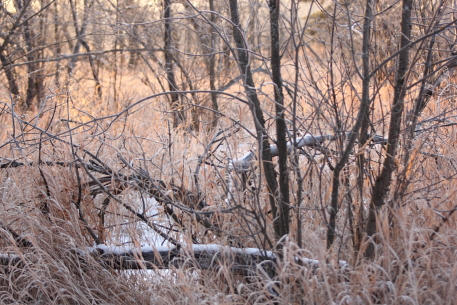
Update on the George Genereux Urban Regional Park Wildfire Area

Update on the George Genereux Urban Regional Park Wildfire Area

We received a follow-up report regarding the wildfire that occurred in George Genereux Urban Regional Park.

The Saskatoon Fire Department requested assistance from Urban Forestry staff to assess vegetation damage and determine whether any ongoing safety concerns remained within the affected area. Following a site inspection, an Urban Forestry supervisor reported that 44 small dead trees along the pathway were identified and marked with spray paint. The overall risk was assessed as low due to the area’s relatively low level of use, the low likelihood of tree failure, and the minimal potential for injury should a tree fall. While these trees should eventually be removed to prevent them from falling onto the pathway, they do not currently present an immediate hazard to the public.

As a result of this assessment, all identified safety concerns have now been addressed, and the area may continue to be used by the public. While some visible impacts from the wildfire remain, they do not pose a risk that would warrant restricting access to the site.

Visitors should be aware that tick populations remain very high in the area. The fire did not eliminate ticks, so appropriate precautions are strongly recommended, including wearing long clothing, staying on designated trails where possible, and conducting tick checks after visiting.

To help protect public health, natural areas, and reduce the risk of future wildfires, smoking and vaping are prohibited in all outdoor public spaces owned or operated by the City of Saskatoon under Smoking Control Bylaw No. 8286. This restriction applies to all tobacco products, cannabis products, and electronic cigarettes. Open fires, campfires, and any unauthorized flame-producing activities are also prohibited. Visitors are encouraged to respect these regulations to help safeguard forests, wetlands, wildlife habitat, and fellow park users.

The burned area also presents a valuable opportunity for ecological learning. Post-fire landscapes serve as living laboratories where environmental organizations such as the Friends of the Saskatoon Afforestation Areas can observe ecological succession and natural recovery processes firsthand. Over time, pioneering plants, insects, fungi, birds, and mammals gradually recolonize the site, demonstrating the resilience of natural ecosystems. Monitoring these changes can provide important information about biodiversity recovery, soil health, habitat restoration, carbon storage, and climate adaptation. Such areas also offer meaningful educational opportunities, helping visitors understand the role that fire can play in ecosystem renewal and fostering a deeper appreciation for the natural processes that shape and sustain healthy landscapes.

Previous posts about the grass fire.

Grass Fire Monitoring Continues Amid Extreme Dry Conditions

Grass and Brush Fire Response Underway

Understanding Wildfire Risk: The 30-30-30 Rule

When it comes to predicting how aggressively a wildfire will behave, Canadian firefighters and meteorologists look for a critical atmospheric tipping point known as the “crossover” effect. This danger zone is easily remembered by the 30-30-30 rule of thumb, which identifies the exact combination of weather conditions that cause small fires to rapidly explode out of control.

The rule states that wildfire danger reaches extreme levels when three specific conditions are met simultaneously:

  • Temperature: 30°C or higher.
  • Relative Humidity: 30% or lower.
  • Wind Speed: 30 km/h or faster.

Why This Combination is So Dangerous

When the air becomes that hot and dry, it acts like a sponge, rapidly evaporating moisture from forest vegetation, grass, and soil. This creates a massive amount of highly flammable fuel. Once you add sustained wind speeds of 30 km/h into the mix, a spark can instantly turn into an intense, fast-moving blaze. The wind not only supplies oxygen to the flames but also carries burning embers far ahead of the main fire line, igniting new flare-ups and making containment incredibly difficult for emergency crews.

When a region hits this “crossover” threshold, fire safety officials go on high alert, as any new ignition has the potential to become an unmanageable wildfire.
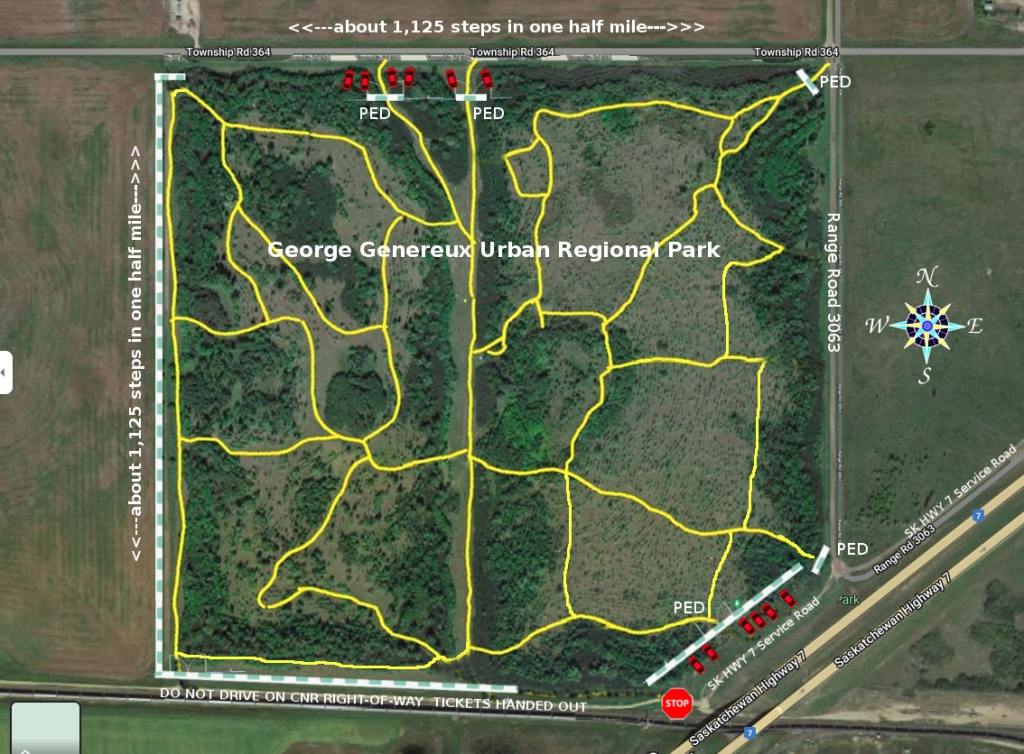
Addresses:

Part SE 23-36-6 – Richard St. Barbe Baker Afforestation Area – 241 Township Road 362-A

Part SE 23-36-6 – SW Off-Leash Recreation Area (Richard St. Barbe Baker Afforestation Area ) – 355 Township Road 362-A

S ½ 22-36-6 Richard St. Barbe Baker Afforestation Area (West of SW OLRA) – 467 Township Road 362-A

NE 21-36-6 “George Genereux” Afforestation Area – 133 Range Road 3063

Coming soon the Clavet Memorial Healing Forest honouring the Humboldt Broncos

Wikimapia Map: type in Richard St. Barbe Baker Afforestation Area or

Google Maps South West Off Leash area location pin at parking lot

Web page: https://stbarbebaker.wordpress.com

Where is the Richard St. Barbe Baker Afforestation Area? with map

Where is the George Genereux Urban Regional Park (Afforestation Area)?with map

Pinterest richardstbarbeb

Blogger: FriendsAfforestation

Tumblr friendsafforestation.tumblr.comFacebook Group Page: Users of the George Genereux Urban Regional Park

Facebook: StBarbeBaker Afforestation Area

Facebook for the non profit Charity Friends of the Saskatoon Afforestation Areas Inc. FriendsAreas

Facebook group page : Users of the St Barbe Baker Afforestation Area

Facebook: South West OLRA

Reddit: FriendsAfforestation

BlueSky Social

Mix: friendsareas

YouTube

Support via Zeffy

Please help protect / enhance your afforestation areas, please contact the Friends of the Saskatoon Afforestation Areas Inc. (e-mail / e-transfers )

Donate your old vehicle, here’s how!  

Support using Canada Helps

Support via a recycling bottle donation and Join the plastic-recycle challenge!

United Nations Decade on Ecosystem Restoration

““Be like a tree in pursuit of your cause. Stand firm, grip hard, thrust upward. Bend to the winds of heaven..”Richard St. Barbe Baker

Grass and Brush Fire Response Underway

Grass and Brush Fire Response Underway Near George Genereux Urban Regional Park

Residents are being asked to avoid the entire area surrounding George Genereux Urban Regional Park on Tuesday, May 26, as the Saskatoon Fire Department responds to a grass and brush fire located along the western edge of the park near the CNR rail corridor. George Genereux Urban Regional Park IS CLOSED till further notice stay tuned to the City of Saskatoon. Re-opened June 4, 2026

Emergency crews are actively working to contain the fire and protect surrounding green spaces, infrastructure, and nearby habitats. Smoke may be visible from surrounding neighbourhoods as firefighters manage hot spots and prevent the flames from spreading through dry grasses and brush.

The 148-acre urban regional park is an important naturalized area within Saskatoon’s west side, providing habitat for birds, pollinators, small mammals, and native vegetation. During dry spring conditions, grasslands and brush areas can become highly vulnerable to fast-moving fires, especially during windy weather or periods of low moisture.

Members of the public are encouraged to stay clear of the area while emergency operations continue. Avoiding the site helps ensure public safety and allows firefighters unobstructed access to trails, service roads, and fire response zones.

Grass and brush fires can spread rapidly through naturalized urban areas due to dry vegetation, accumulated plant litter, and changing wind conditions. Firefighters often work quickly to create containment lines, extinguish smouldering vegetation, and monitor surrounding areas for flare-ups.

Urban naturalized parks play an important ecological role by supporting biodiversity, improving air quality, reducing stormwater runoff, and providing opportunities for recreation and environmental education. Protecting these spaces during wildfire or brush fire events is important not only for public safety, but also for maintaining healthy urban ecosystems.

Residents are reminded to use caution during dry conditions by properly disposing of cigarettes, not smoking nor vaping in city greenspace park areas, avoiding open flames near grasslands, and reporting signs of smoke or fire immediately to emergency services and DO NOT use George Genereux Urban Regional Park until notice is given by the City of Saskatoon please.

Further updates regarding trail access or reopening of the area may become available following fire suppression and safety assessments by local authorities.

A sincere note of thanks and appreciation is extended to the members of the Saskatoon Fire Department for their rapid response, professionalism, and dedicated efforts in protecting both public safety and the natural environment during this grass and brush fire incident. Their work safeguarding Saskatoon’s communities, green spaces, wildlife habitat, and urban ecosystems is deeply appreciated.

The 30-30-30 Rule: A Formula for Wildfire Danger

In wildfire management, a critical environmental threshold called “crossover” indicates when fire behavior transitions from manageable to extreme. This high-risk state occurs when three weather elements hit the number 30 at the same time:

  • Heat: Temperatures reach 30°C or above.
  • Dryness: Relative humidity drops to 30% or lower.
  • Wind: Sustained wind speeds hit 30 km/h or faster.

The Bottom Line: When these conditions align, forests and grasslands dry out rapidly, allowing fires to ignite instantly, spread at terrifying speeds, and easily bypass containment lines.

Saskatoon firefighters battle grassland fire Tuesday

Addresses:

Part SE 23-36-6 – Richard St. Barbe Baker Afforestation Area – 241 Township Road 362-A

Part SE 23-36-6 – SW Off-Leash Recreation Area (Richard St. Barbe Baker Afforestation Area ) – 355 Township Road 362-A

S ½ 22-36-6 Richard St. Barbe Baker Afforestation Area (West of SW OLRA) – 467 Township Road 362-A

NE 21-36-6 “George Genereux” Afforestation Area – 133 Range Road 3063

Wikimapia Map: type in Richard St. Barbe Baker Afforestation Area or

Google Maps South West Off Leash area location pin at parking lot

Web page: https://stbarbebaker.wordpress.com

Where is the Richard St. Barbe Baker Afforestation Area? with map

Where is the George Genereux Urban Regional Park (Afforestation Area)?with map

Pinterest richardstbarbeb

Blogger: FriendsAfforestation

Tumblr friendsafforestation.tumblr.comFacebook Group Page: Users of the George Genereux Urban Regional Park

Facebook: StBarbeBaker Afforestation Area

Facebook for the non profit Charity Friends of the Saskatoon Afforestation Areas Inc. FriendsAreas

Facebook group page : Users of the St Barbe Baker Afforestation Area

Facebook: South West OLRA

Reddit: FriendsAfforestation

BlueSky Social

Mix: friendsareas

YouTube

Support via Zeffy

Please help protect / enhance your afforestation areas, please contact the Friends of the Saskatoon Afforestation Areas Inc. (e-mail / e-transfers )

Donate your old vehicle, here’s how!  

Support using Canada Helps

Support via a recycling bottle donation and Join the plastic-recycle challenge!

United Nations Decade on Ecosystem Restoration

““Be like a tree in pursuit of your cause. Stand firm, grip hard, thrust upward. Bend to the winds of heaven..”

Walking – Cycling Safely Among Moose

Sharing the Forest: Walking / Cycling Safely Among Moose in Urban Parks

There is something unforgettable about walking quietly through a forested park and suddenly noticing movement among the trees. A tall mother moose lifts her head from a willow thicket while her calf browses nearby, both perfectly at home in the woodland habitat they have adopted. In many Canadian communities, including parks and naturalized urban forests, moose are becoming more familiar sights as protected green spaces provide shelter, water, and abundant vegetation.

Moose are browsers, meaning they feed on leaves, twigs, aquatic plants, and shrubs rather than grazing on grasses. Wetlands, ponds, and wooded corridors offer ideal habitat, especially where willow, poplar, and dogwood grow naturally. A mother moose with a calf often seeks quieter forested areas away from roads and disturbances, where dense vegetation provides protection and food.

For park visitors, these encounters can feel magical. Watching a calf learning to browse beside its mother reminds us that urban forests are not simply recreational spaces for people; they are living ecosystems supporting wildlife. Yet experts caution that moose, especially females with calves, deserve both admiration and respect.

Wildlife agencies note that cow moose are highly protective during calving season and may charge if they perceive a threat. Moose can weigh over 700 kilograms and move surprisingly quickly despite their size. Unlike deer, moose often stand their ground rather than flee.

Precautions for Park Visitors

When walking in a park where moose live, several precautions help keep both people and wildlife safe:

  • Stay well back and observe quietly from a distance.
  • Never approach a calf, even if it appears alone; the mother is usually nearby.
  • Avoid getting between a mother and her calf.
  • Keep dogs leashed and far away, since moose may view dogs as predators similar to wolves.
  • Watch for warning signs such as pinned ears, raised neck hair, stomping, or head swaying.
  • If a moose appears agitated, slowly back away and place trees or large objects between yourself and the animal.
  • Never feed wildlife or attempt selfies or close photographs.
  • Moose Sightings in the Saskatoon Afforestation Areas: Why Reporting Matters

Parks agencies generally recommend remaining at least 25 metres away from moose, though greater distances are often safer around calves.

Morning and evening walks may increase the likelihood of encounters, especially near ponds, streams, or willow-rich habitats. Cyclists and joggers should slow down on wooded trails because sudden appearances can startle wildlife. Moose often blend remarkably well into forest vegetation despite their enormous size.

Perhaps the greatest lesson from sharing parks with moose is humility. These forests were wildlife habitats long before trails, benches, or paved pathways appeared. Seeing a mother moose and calf peacefully browsing among trembling aspens and willow shrubs is a reminder that successful conservation allows wild creatures to coexist alongside human communities.

When visitors respect boundaries and give wildlife space, parks remain safe for people while continuing to provide sanctuary for the animals that call the forest home.

Last sighted west of the SW OLRA, and east of the wetlands near the aspen bluff at or near GPS 52°06’04.7″N 106°45’53.3″W between the ancient abandoned portion of the Car Mart Road grade and the ancient and abandoned railway line grade. The latest update, is that there may be two different adult moose in the forest.

National Park Service. “Moose Safety.” Denali National Park and Preserve, U.S. Department of the Interior, https://www.nps.gov/dena/planyourvisit/wildlife-safety.htm. Accessed 21 May 2026.

National Park Service. “Moose Safety.” Kenai Fjords National Park, U.S. Department of the Interior, https://www.nps.gov/kefj/planyourvisit/moose-safety.htm. Accessed 21 May 2026.

Northern Moose Alliance. “Moose Safety and Viewing Etiquette.” Northern Moose Alliance, https://moosealliance.org/moose-safety-and-viewing-etiquette/. Accessed 21 May 2026.

Parks Canada. “Moose Safety.” Kouchibouguac National Park, Government of Canada, https://parks.canada.ca/pn-np/nb/kouchibouguac/visit/securite-safety/faune-wildlife/orignal-moose. Accessed 21 May 2026.

Afforestation Area Addresses:

Part SE 23-36-6 – Richard St. Barbe Baker Afforestation Area – 241 Township Road 362-A

Part SE 23-36-6 – SW Off-Leash Recreation Area (Richard St. Barbe Baker Afforestation Area ) – 355 Township Road 362-A

S ½ 22-36-6 Richard St. Barbe Baker Afforestation Area (West of SW OLRA) – 467 Township Road 362-A

NE 21-36-6 “George Genereux” Afforestation Area – 133 Range Road 3063

Clavet Memorial Healing Forest honouring the Humboldt Broncos.

Wikimapia Map: type in Richard St. Barbe Baker Afforestation Area or

Google Maps South West Off Leash area location pin at parking lot

Web page: https://stbarbebaker.wordpress.com

Where is the Richard St. Barbe Baker Afforestation Area? with map

Where is the George Genereux Urban Regional Park (Afforestation Area)?with map

Pinterest richardstbarbeb

Blogger: FriendsAfforestation

Tumblr friendsafforestation.tumblr.comFacebook Group Page: Users of the George Genereux Urban Regional Park

Facebook: StBarbeBaker Afforestation Area

Facebook for the non profit Charity Friends of the Saskatoon Afforestation Areas Inc. FriendsAreas

Facebook group page : Users of the St Barbe Baker Afforestation Area

Facebook: South West OLRA

Reddit: FriendsAfforestation

BlueSky Social

Mix: friendsareas

YouTube

Support via Zeffy

Please help protect / enhance your afforestation areas, please contact the Friends of the Saskatoon Afforestation Areas Inc. (e-mail / e-transfers )

Donate your old vehicle, here’s how!  

Support using Canada Helps

Support via a recycling bottle donation and Join the plastic-recycle challenge!

United Nations Decade on Ecosystem Restoration

“Be like a tree in pursuit of your cause. Stand firm, grip hard, thrust upward. Bend to the winds of heaven..” – Richard St. Barbe Baker

Protecting Farms, Wetlands, and Parks: Wild Pigs Canada Goes Live

FOR IMMEDIATE RELEASE

(Canada) August 20, 2025 – In response to the serious ecological and agricultural challenges posed by invasive wild pigs, Canada has launched Wild Pigs Canada, a new national online hub. This platform—created by Invasives Canada and Animal Health Canada, alongside the Invasive Wild Pig Leadership Group—provides one central place for Canadians to access tools, science-based information, and resources to help combat this growing threat.

Wild Pigs Canada equips the public, producers, and communities with practical knowledge: how to recognize wild pigs, where to report sightings, and how to stay informed about the latest research and coordinated actions across the country. Visit WildPigs.ca to learn more.

According to Dr. Leigh Rosengren, industry co-chair on the Animal Health Board of Directors, the new website is a valuable step forward: “This platform provides Canadians with clear, accessible information to help reduce the spread of invasive wild pigs and support their removal from the landscape.”

Invasive wild pigs—escaped or released domestic pigs now living in the wild—are highly adaptable, elusive, and expanding in range. They root up crops, damage pastures, and tear through natural areas. Their destructive feeding and wallowing cause severe damage to wetlands, greenspaces, and even urban parks, stripping away vegetation, eroding soil, and contaminating water with pathogens. Such impacts devastate native biodiversity, destroy habitat for waterfowl and pollinators, and degrade recreational spaces enjoyed by communities.

These animals also pose risks to people, pets, and livestock. They can be aggressive if threatened and may carry dangerous livestock diseases, including African swine fever (ASF).

ASF, though not present in Canada, is a major global concern. If wild pigs were to spread it here, the impacts on domestic pig farms, pork producers, and international trade would be catastrophic.

Currently, invasive wild pig populations are established in parts of Alberta, Saskatchewan, and Manitoba, though isolated occurrences have been reported in other provinces and territories. Their rapid spread and wide-ranging impacts make it clear that no single sector can solve this issue alone. Coordinated national action is critical.

Canada’s Invasive Wild Pig Strategy (2022–2032) calls for a unified approach to prevent and eradicate these destructive animals. Wild Pigs Canada delivers on one of the strategy’s top priorities: raising awareness and mobilizing the public to act. The Invasive Wild Pig Leadership Group continues to support this work, helping align efforts across provinces and regions.

Rebecca Lord, Executive Director of Invasives Canada, emphasizes the importance of partnerships: “Wild Pigs Canada is the result of collaboration across agriculture, conservation, and government. It connects Canadian expertise with international efforts in the U.S. and Mexico, building a stronger, coordinated response.”

Matt DeMille, Executive Director of the Ontario Federation of Anglers and Hunters, highlights the role of everyday Canadians: “Whether you’re a landowner, a hunter, or just someone who enjoys spending time outdoors, you now have one trusted place to learn what invasive wild pigs mean for Canada and how to report them. Everyone who uses the land has a part to play in being the first line of defense.”

What the Public Needs to Know:

  • Wild pigs are not native to Canada and are one of the most damaging invasive species on the planet.
  • Coexistence is not possible. Their destructive feeding and rapid reproduction mean they quickly overwhelm ecosystems, farms, and communities if left unchecked.
  • Sightings should be reported immediately through Wild Pigs Canada so that wildlife experts and authorities can respond quickly.
  • Avoid approaching or feeding wild pigs, as they can be aggressive and unpredictable.

Wild Pigs Canada is for anyone who wants to protect Canada’s farms, wetlands, greenspaces, parks, wildlife, and natural landscapes from this urgent and growing threat.


The most widely recognized expert on wild boars in Saskatchewan is Dr. Ryan Brook, an associate professor in the University of Saskatchewan’s College of Agriculture and Bioresources. He is best known as the leader of the Canadian Wild Pig Research Project, a long-running initiative that tracks the spread of invasive wild pigs across the country. His team uses a wide range of methods to monitor populations, from aerial surveys in planes and helicopters to ground crews, trail cameras, and reports from local residents. Dr. Brook’s work has made him a leading voice in the national conversation about invasive wild pigs. For over a decade, he has documented their expansion across millions of square kilometers of Canada, providing the first comprehensive baseline maps of their distribution. His warnings have often made headlines, including his stark prediction that, if left unchecked, Saskatchewan could one day have more wild pigs than people. The risks he highlights are serious and multifaceted. Wild pigs are highly adaptable, reproduce quickly, and are exceptionally difficult to control once established. Their rooting behavior tears up soil, accelerates erosion, spreads weeds, and destroys native vegetation, causing long-term ecological damage. On farmland, they trample and consume crops, leaving behind significant losses for producers. Just as concerning, they carry the potential to spread dangerous diseases to domestic livestock, wildlife, and even humans—posing both economic and public health risks. Through his teaching and research in the Department of Animal and Poultry Science, Dr. Brook has become a central figure in raising awareness about the growing crisis. His work emphasizes that invasive wild pigs are not simply a rural problem; they threaten wetlands, grasslands, and even public parks, making them a challenge for all Canadians.

🐗 What You Can Do to Help Stop Invasive Wild Pigs

  • Report Sightings Immediately – Go to WildPigs.ca to share any confirmed sightings. Quick reports help experts respond before pigs spread further.
  • Do Not Approach or Feed – Wild pigs can be aggressive and unpredictable. Keep people and pets at a safe distance.
  • Protect Nature – Remember that wetlands, greenspaces, and parks are at risk. Sharing information helps communities defend these landscapes.
  • Be a First Line of Defense – Farmers, hunters, hikers, and everyday citizens all play a role in stopping invasive wild pigs.

Watch “How the Chinese farmers earn thousands of dollars digging trenches around their fields?” on YouTube.

Addresses:

Part SE 23-36-6 – Richard St. Barbe Baker Afforestation Area – 241 Township Road 362-A

Part SE 23-36-6 – SW Off-Leash Recreation Area (Richard St. Barbe Baker Afforestation Area ) – 355 Township Road 362-A

S ½ 22-36-6 Richard St. Barbe Baker Afforestation Area (West of SW OLRA) – 467 Township Road 362-A

NE 21-36-6 “George Genereux” Afforestation Area – 133 Range Road 3063

Wikimapia Map: type in Richard St. Barbe Baker Afforestation Area or

Google Maps South West Off Leash area location pin at parking lot

Web page: https://stbarbebaker.wordpress.com

Where is the Richard St. Barbe Baker Afforestation Area? with map

Where is the George Genereux Urban Regional Park (Afforestation Area)?with map

Pinterest richardstbarbeb

Blogger: FriendsAfforestation

Tumblr friendsafforestation.tumblr.comFacebook Group Page: Users of the George Genereux Urban Regional Park

Facebook: StBarbeBaker Afforestation Area

Facebook for the non profit Charity Friends of the Saskatoon Afforestation Areas Inc. FriendsAreas

Facebook group page : Users of the St Barbe Baker Afforestation Area

Facebook: South West OLRA

Reddit: FriendsAfforestation

BlueSky Social

Mix: friendsareas

YouTube

Support via Zeffy

Please help protect / enhance your afforestation areas, please contact the Friends of the Saskatoon Afforestation Areas Inc. (e-mail / e-transfers )

Donate your old vehicle, here’s how!  

Support using Canada Helps

Support via a recycling bottle donation and Join the plastic-recycle challenge!

United Nations Decade on Ecosystem Restoration

““Be like a tree in pursuit of your cause. Stand firm, grip hard, thrust upward. Bend to the winds of heaven..”

Richard St. Barbe Baker

Gratitude for Community Spirit

Gratitude for Community Spirit:

A Collective Effort to Keep Our Trails Clear and Accessible

Snow Clearing at Richard St. Barbe Baker Afforestation Area, Saskatoon, SK

In the heart of winter, when snow blankets the ground and the trails are buried under a thick layer of ice and snow, it’s easy to forget the hard work that goes into maintaining our outdoor spaces. But thanks to the tireless volunteers and community partners, the Winter Trail Network in Saskatoon, the trails through the Richard St. Barbe Baker Afforestation Area, continues to be a cherished resource for everyone to enjoy.

One of the dedicated groups to keep these trails clear is the FatLanders FatTire Brigade (FFTB). Their hard work and commitment to preserving the 18 km of the Winter Trail Network – a shared pathway through the forest – is truly a labor of love. With each passing winter storm, the FFTB volunteers brave the cold to ensure that the trails are safe and passable for all who enjoy them. Their efforts allow skiers, walkers, and bicycle enthusiasts alike to embrace the outdoors, even in the most challenging of weather conditions.

But the effort to maintain these trails doesn’t stop with volunteers alone. The City of Saskatoon also plays a crucial role in ensuring that our recreation areas remain accessible throughout the winter months. We extend our heartfelt thanks to the city’s Parks Division for clearing the parking area, P2, at the South West Off Leash Recreation Area (SW OLRA), as well as the trails that run through the SW OLRA itself. Their work ensures that visitors have a safe place to park and access the trails, creating an environment where people can enjoy the natural beauty of the area without worrying about navigating snowy obstacles.

Additionally, we are incredibly grateful to the neighboring farmer who volunteers his time to clear the western parking area, P1, during the winter months. Armed with his front-end loader, he steps in to keep this vital access point open and safe, helping ensure that the parking area remains usable for trail users. It’s a generous gesture that truly reflects the sense of community spirit in the area.

Another community partner deserving of recognition is the Canadian National Railway (CNR), which takes on the responsibility of clearing the Saskatchewan Highway 7 service road by George Genereux Urban Regional Park. Their winter maintenance helps ensure that those visiting this area have a clear, safe route to access the park and its trails, further contributing to the area’s accessibility and the overall community spirit.

While these efforts are vital to maintaining the trails and access points, the community’s commitment extends beyond just clearing snow and maintaining pathways. The dog walking community plays an essential role in ensuring the area remains clean and safe for all users. We are especially grateful to individuals like Chris, Liz and others, who tirelessly volunteer their time to scoop the poop and encourage others to do the same. Their dedication is an invaluable part of keeping our public spaces clean and reducing the risk of spreading disease. Additionally, a heartfelt thank you goes out to all the dog walkers who take the time to clean up after their dogs, a small but significant action that helps maintain the cleanliness of the area and makes it a more pleasant environment for everyone.

The volunteers of the Friends of the Saskatoon Afforestation Areas also deserve special mention for their ongoing efforts to keep the trails clear of litter. These dedicated individuals walk the trails, collecting trash and cigarette butts that might otherwise harm the forest and its wildlife. Their vigilance helps protect the natural beauty of the afforestation area, preventing harmful substances like cigarette butts from poisoning the environment. With dogs often roaming and sniffing along the trails, the volunteers’ efforts to remove these hazards are critical to safeguarding the health of both wildlife and pets.

Did you know?

The toxic dose of nicotine for pets is just 0.5 to 1 mg per pound of body weight, while the lethal dose is 4 mg per pound. And here’s a startling fact: cigarette butts can contain 2-8 mg of nicotine, which is enough to pose a serious risk to animals who may ingest them. Always be mindful to clean up after smoking in public spaces to protect our pets and wildlife and abide by the etiquette of the City of Saskatoon “No Smoking” Bylaw No. 8286 for city spaces!

When it comes to the Richard St. Barbe Baker Afforestation Area, the collaboration between volunteers, the City of Saskatoon, neighboring farmers, and organizations like CNR is a testament to what can be achieved when we all come together. This collective effort ensures that the forest trails remain a welcoming space for people of all ages to explore and enjoy WinterCity YXE, whether they are looking to get outside for a peaceful walk in the woods, enjoy a cross-country ski session, pop out snowshoing, engage in the Christmas Bird Count between December 14 to January 5 every season or take a winter bicycle ride.

As we reflect on these generous contributions, we are reminded of the incredible sense of community that exists in Saskatoon and its surrounding areas. It’s thanks to these efforts that we are able to enjoy the beauty and tranquility of the Richard St. Barbe Baker Afforestation Area during the winter months. For all the volunteers, city workers, farmers, and organizations involved, we offer our deepest thanks.

Winter in Saskatoon is made brighter and more accessible through the collective efforts of this amazing community. It is a spirit we are truly thankful for and one that makes our trails – and our city – a better place to live.

For directions as to how to drive to “George Genereux” Urban Regional Park

For directions on how to drive to Richard St. Barbe Baker Afforestation Area

For more information:

Blairmore Sector Plan Report; planning for the Richard St. Barbe Baker Afforestation Area, George Genereux Urban Regional Park and West Swale and areas around them inside of Saskatoon city limits

NEW P4G District Official Community Plan

Richard St. Barbe Baker Afforestation Area is located in Saskatoon, Saskatchewan, Canada north of Cedar Villa Road, within city limits, in the furthest south west area of the city. 52° 06′ 106° 45′

Addresses:

Part SE 23-36-6 – Afforestation Area – 241 Township Road 362-A

Part SE 23-36-6 – SW Off-Leash Recreation Area (Richard St. Barbe Baker Afforestation Area ) – 355 Township Road 362-A

S ½ 22-36-6 Richard St. Barbe Baker Afforestation Area (West of SW OLRA) – 467 Township Road 362-A

NE 21-36-6 “George Genereux” Afforestation Area – 133 Range Road 3063

Wikimapia Map: type in Richard St. Barbe Baker Afforestation Area

Google Maps South West Off Leash area location pin at parking lot

Web page: https://stbarbebaker.wordpress.com

Where is the Richard St. Barbe Baker Afforestation Area? with map

Where is the George Genereux Urban Regional Park (Afforestation Area)?with map

Pinterest richardstbarbeb

Blogger: FriendsAfforestation

Tumblr friendsafforestation.tumblr.comFacebook Group Page: Users of the George Genereux Urban Regional Park

Facebook: StBarbeBaker Afforestation Area

Facebook for the non profit Charity Friends of the Saskatoon Afforestation Areas Inc. FriendsAreas

Facebook group page : Users of the St Barbe Baker Afforestation Area

Facebook: South West OLRA

Reddit: FriendsAfforestation

Twitter: St Barbe Baker Charity Twitter:FriendsAreas

Mix: friendsareas

YouTube

Support via Zeffy

Please help protect / enhance your afforestation areas, please contact the Friends of the Saskatoon Afforestation Areas Inc. (e-mail / e-transfers )

Donate your old vehicle, here’s how!  

Support using Canada Helps

Support via a recycling bottle donation and Join the plastic-recycle challenge!

United Nations Decade on Ecosystem Restoration

““Be like a tree in pursuit of your cause. Stand firm, grip hard, thrust upward. Bend to the winds of heaven..”

Richard St. Barbe Baker

Design a site like this with WordPress.com
Get started