World Biodiversity Day 2026

Acting Locally for Global Impact in Saskatoon’s Afforestation Areas

Today, May 22, marks World Biodiversity Day, a global celebration recognizing the extraordinary variety of life sustaining our planet. This year’s theme, “Acting Locally for Global Impact,” reminds us that meaningful environmental stewardship begins within our own communities, parks, wetlands, and forests.

In Saskatoon, the afforestation areas cared for and advocated by the Friends of the Saskatoon Afforestation Areas demonstrate how local conservation contributes directly toward global biodiversity goals. These urban forests are more than collections of trees; they are living ecosystems supporting birds, mammals, insects, pollinators, fungi, microorganisms, and native prairie biodiversity within Saskatchewan’s moist mixed grassland region.

West Swale and Richard St. Barbe Baker AFforestation Area wildlife Urban Forest Semi-Wilderness Area. Mountain Bluebird, White Tailed Deer Fawn. Barred Tiger Salamander or western tiger salamander. American Pelican, Mallard Duckling

The afforestation areas provide important ecological layers essential for healthy biodiversity. Towering canopy species such as native American Elm, Balsam Poplar, Manitoba Maple, Trembling Aspen, Bur Oak, Colorado Blue Spruce and White Spruce shelter birds and wildlife while stabilizing soils and moderating temperatures. Beneath them grow shrubs and understory plants including Saskatoon berry, chokecherry, red-osier dogwood, snowberry, buffaloberry, silverberry, gooseberries, currants, roses, and willow species which provide food, nesting habitat, pollen, nectar, and protection for pollinators, songbirds, mammals, and beneficial insects.

These forests also provide habitat corridors for wildlife including white-tailed deer, moose, rabbits, squirrels, owls, hawks, woodpeckers, migratory songbirds, and countless invertebrate species. Native flowering shrubs such as prairie rose, woods rose, silver buffaloberry, wolf willow, and western snowberry sustain pollinator populations critical to ecosystem resilience and agricultural health.

Biodiversity conservation also means understanding ecological challenges. Within the afforestation areas, introduced and invasive species such as European buckthorn require careful monitoring and community science participation. The Friends of the Saskatoon Afforestation Areas encourage the public to assist with observations through iNaturalist to help identify invasive species locations, monitor biodiversity, and contribute valuable ecological data supporting conservation efforts.

American Beaver, Porcupine, Red-winged Blackbird, Fawn, Mallard Ducks, Waxwing, Rabbit, Deer Chappell Marsh. West Swale Wetlands. Richard St. Barbe Baker Afforestation Area. Saskatoon, SK, CA

Several species found within the afforestation areas also carry conservation significance. American Elm and Green Ash are listed on the IUCN Red List because of threats from disease and environmental pressures. The Red-Berried Elder is ranked as a rare species within Saskatchewan. Every healthy urban forest supporting these species contributes to broader ecological resilience and conservation awareness.

Urban forests are increasingly recognized as essential climate adaptation infrastructure. Trees absorb carbon, reduce urban heat, improve air quality, retain stormwater, provide wildlife habitat, and contribute to mental and physical wellbeing for surrounding communities. In rapidly changing environments, afforestation areas become critical refuges not only for biodiversity, but also for people seeking connection with nature.

The Friends of the Saskatoon Afforestation Areas believe biodiversity protection begins with education, stewardship, and community participation. Every bird observation, invasive species report, pollinator garden, tree planting initiative, and conservation conversation helps strengthen environmental resilience locally while contributing to international biodiversity goals.

World Biodiversity Day reminds us that protecting ecosystems does not happen only within distant wilderness parks. It happens where communities choose to care for the landscapes around them. Saskatoon’s afforestation areas stand as living examples of how local environmental stewardship can create lasting global impact for biodiversity, climate resilience, and future generations.

Afforestation Area Addresses:

Part SE 23-36-6 – Richard St. Barbe Baker Afforestation Area – 241 Township Road 362-A

Part SE 23-36-6 – SW Off-Leash Recreation Area (Richard St. Barbe Baker Afforestation Area ) – 355 Township Road 362-A

S ½ 22-36-6 Richard St. Barbe Baker Afforestation Area (West of SW OLRA) – 467 Township Road 362-A

NE 21-36-6 “George Genereux” Afforestation Area – 133 Range Road 3063

Clavet Memorial Healing Forest honouring the Humboldt Broncos.

Wikimapia Map: type in Richard St. Barbe Baker Afforestation Area or

Google Maps South West Off Leash area location pin at parking lot

Web page: https://stbarbebaker.wordpress.com

Where is the Richard St. Barbe Baker Afforestation Area? with map

Where is the George Genereux Urban Regional Park (Afforestation Area)?with map

Pinterest richardstbarbeb

Blogger: FriendsAfforestation

Tumblr friendsafforestation.tumblr.comFacebook Group Page: Users of the George Genereux Urban Regional Park

Facebook: StBarbeBaker Afforestation Area

Facebook for the non profit Charity Friends of the Saskatoon Afforestation Areas Inc. FriendsAreas

Facebook group page : Users of the St Barbe Baker Afforestation Area

Facebook: South West OLRA

Reddit: FriendsAfforestation

BlueSky Social

Mix: friendsareas

YouTube

Support via Zeffy

Please help protect / enhance your afforestation areas, please contact the Friends of the Saskatoon Afforestation Areas Inc. (e-mail / e-transfers )

Donate your old vehicle, here’s how!  

Support using Canada Helps

Support via a recycling bottle donation and Join the plastic-recycle challenge!

United Nations Decade on Ecosystem Restoration

“Be like a tree in pursuit of your cause. Stand firm, grip hard, thrust upward. Bend to the winds of heaven..” – Richard St. Barbe Baker
Buzz and Bloom: Celebrating Pollinators, Native Plants, and Community Action in Saskatoon

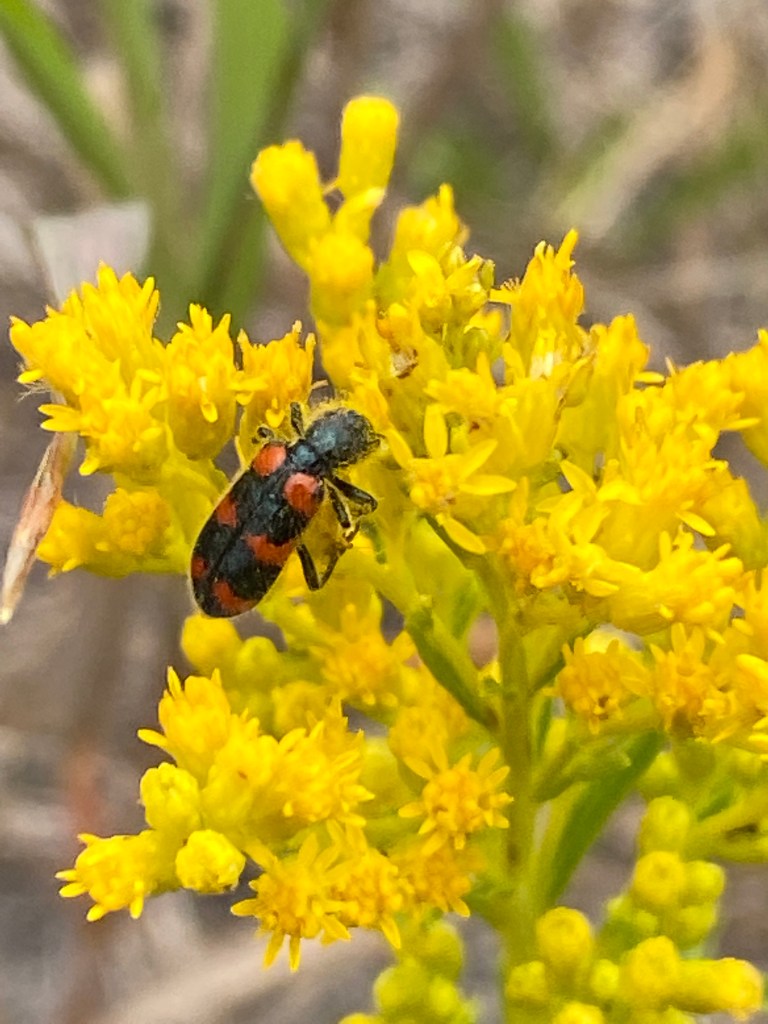
It’s time to go wild for wildflowers—and the insects that keep our ecosystems humming. As Pollinator Week 2025 June 16–22 approaches, Saskatoon is already buzzing with anticipation for a joyful, nature-rich kickoff: the second annual Plant and Pollinator Sunday, taking place June 8 from 1:00 to 4:00 p.m. on the grounds of Buena Vista School (McPherson Avenue between 5th and 6th Street East).

Hosted by Wild About Saskatoon, this free community event invites people of all ages to come celebrate the interconnected web of life, grounded in the plants and pollinators that sustain us. For those who know the role native bees play in prairie ecology—or are just beginning to learn—this event offers a hands-on, hearts-open opportunity to connect.

“A native plant,” writes author Lorraine Johnson, “is a species that has co-evolved and developed complex, intricate relationships within a particular ecosystem and both supports and is supported by this web of connections.”

At the core of this celebration is the call to restore those relationships—by planting with intention, observing with care, and stewarding the land, even in small patches, for generations of pollinators to come.


What to Expect on June 8: Pollinators, Plants, and People

This year’s Pollinator Celebration & Native Plant Market promises a vibrant mix of education, entertainment, and eco-conscious engagement, including:

🌿 Native plant sales by two of Saskatchewan’s best:
 • Blazing Star Wildflower Seed Company
 • A Prairie Bouquet

🎶 Live music by Garage Band to keep spirits high

🖌️ Face-painting, crafts, and activities for children

🧠 Eco-Fair booths featuring local organizations and citizen science projects

🌟 Special guests including Kendall Hanikenne and Joseph Naytowhow

🥤 Refreshments by donation, with space to chat, relax, and learn

🌱 The Friends of the Saskatoon Afforestation Areas are honoured to be tabling, sharing the story of the West Swale, the Richard St. Barbe Baker Afforestation Area, and their efforts to restore native habitat right here in Saskatoon.

Set amid the Buena Vista Boulevard Garden, a community-planted landscape rich with native and edible species, this event is both celebration and call to action. The garden, launched in 2022 by community members and supported by the Buena Vista Community Association and Buena Vista School, reflects a grassroots commitment to place-based ecological learning.

Future plans for the boulevard include expanded native beds, a rain barrel, Little Library, and volunteer-friendly tools. Everyone is welcome—whether you’re a seasoned native-plant grower or have never sown a seed.


Virtual Learning Opportunities for Pollinator Week

For those who want to deepen their knowledge beyond the garden, two excellent virtual webinars offer science-based insights into pollinator conservation:

🐝 Learn About Ground-Nesting Bees with Cornell’s GNBee Project

🗓️ May 22, 2025
🕐 12 PM PT / 1 PM MT / 2 PM CT / 2 PM CST / 3 PM ET
🔗 Register now

🦋 Insect Restoration and Conservation: Creating Usable Habitats in Human-Dominated Landscapes

🗓️ May 22, 2025
🕐 10 AM PT / 11 AM MT / 12 PM CT / 12 PM CST / 1 PM ET
🔗 Register now

Both webinars will provide evidence-based strategies for protecting pollinators—especially solitary and ground-nesting bees—by enhancing landscapes where humans and insects must coexist.


A Call to Act, A Reason to Hope

Native plants and pollinators are not optional elements of our environment—they are foundational. They shape the biodiversity of landscapes. They nourish food webs. They tell the story of place.

In Saskatoon, that story is blooming again—on boulevards, in backyards, and through the joy of shared action. Join us Sunday, June 8 and throughout Pollinator Week, June 16–22 to become part of this living landscape.


Mark your calendar. Invite a friend. Let’s go wild for wildflowers—and the busy, buzzy insects that keep our world blooming.

For more information, visit wildaboutsaskatoon.org or contact hello@wildaboutsaskatoon.org

Addresses:

Part SE 23-36-6 – Richard St. Barbe Baker Afforestation Area – 241 Township Road 362-A

Part SE 23-36-6 – SW Off-Leash Recreation Area (Richard St. Barbe Baker Afforestation Area ) – 355 Township Road 362-A

S ½ 22-36-6 Richard St. Barbe Baker Afforestation Area (West of SW OLRA) – 467 Township Road 362-A

NE 21-36-6 “George Genereux” Afforestation Area – 133 Range Road 3063

Wikimapia Map: type in Richard St. Barbe Baker Afforestation Area

Google Maps South West Off Leash area location pin at parking lot

Web page: https://stbarbebaker.wordpress.com

Where is the Richard St. Barbe Baker Afforestation Area? with map

Where is the George Genereux Urban Regional Park (Afforestation Area)?with map

Pinterest richardstbarbeb

Blogger: FriendsAfforestation

Tumblr friendsafforestation.tumblr.comFacebook Group Page: Users of the George Genereux Urban Regional Park

Facebook: StBarbeBaker Afforestation Area

Facebook for the non profit Charity Friends of the Saskatoon Afforestation Areas Inc. FriendsAreas

Facebook group page : Users of the St Barbe Baker Afforestation Area

Facebook: South West OLRA

Reddit: FriendsAfforestation

BlueSky Social

Mix: friendsareas

YouTube

Support via Zeffy

Please help protect / enhance your afforestation areas, please contact the Friends of the Saskatoon Afforestation Areas Inc. (e-mail / e-transfers )

Donate your old vehicle, here’s how!  

Support using Canada Helps

Support via a recycling bottle donation and Join the plastic-recycle challenge!

United Nations Decade on Ecosystem Restoration

““Be like a tree in pursuit of your cause. Stand firm, grip hard, thrust upward. Bend to the winds of heaven..”

Richard St. Barbe Baker

Saskatoon’s Wild Stats

Saskatoon’s Wild Stats: How Earth Month and Citizen Science Are Turning Clicks into Conservation

iNaturalist Connect with nature for the City Nature Challenge Saskatoon and Area Défi nature urbaine hosted by the Friends of the Saskatoon Afforestation Areas Inc

It starts with a snap.

A beetle on a bike path. A flowering weed near a schoolyard. A mystery bird flitting through a suburban backyard. These fleeting encounters, photographed by citizens armed with smartphones, are revolutionizing science from the soil up—and Saskatoon is leading the charge.

Let’s talk numbers. Because Earth Month in Saskatoon isn’t just a feel-good calendar square anymore. It’s become a data goldmine, a real-time pulse check on biodiversity thanks to one powerful tool: iNaturalist.

In 2021, only five Saskatonians took part in the “Where’s Waldo” Nature Connect challenge. Just five. But they submitted 464 observations, which sparked 109 identifications and confirmed 144 species. Not bad for a pandemic year. Fast forward to April 2023, and participation exploded. The City Nature Challenge saw 1,154 observations of 309 species by 148 observers—almost a 30-fold increase in human engagement.

It’s not just quantity. It’s the quality of the science.

These community sightings feed directly into global biodiversity databases. The AI-powered computer vision on iNaturalist suggests identifications, but it’s the humans—like the 142 identifiers in 2025’s Earth Month survey—who validate and enrich the data. This combo of artificial intelligence and community intelligence creates a living map of life on the prairies.

And let’s not forget the 2023 June BioDiverCity Challenge. A jaw-dropping 2,130 observations. Seven. Hundred. Twenty-eight. Species. From fungi to foxes, lichens to ladybugs. That’s not just a list—it’s an ecological manifesto.

Then there’s the detective work: in 2025, Saskatoon citizen scientists weren’t just celebrating biodiversity—they were reporting the bad guys. Observations of noxious invasive species were shared with iMap Invasives SK, while sightings of species at risk were flagged to the Saskatchewan Conservation Data Centre. It’s like CSI: Nature.

Even the species ranges are shifting. In 2025, local observers documented species scientists hadn’t seen in Saskatoon before—possible climate-related expansions that opened up conversations with researchers around the world. Talk about breaking news from a butterfly wing.

And here’s the kicker. While Saskatoon’s 2025 Earth Month stats clocked in at 881 observations and 301 species, it was powered by only 72 observers. That’s fewer people than a packed city bus—but look what they accomplished.

So next Earth Month, if someone tells you a single photo can’t make a difference, show them the numbers. Show them what happens when you empower regular people with a smartphone, a curious mind, and a few spare minutes.

Turns out, a snap really can change the world.

Biodiversity Blitz: Saskatoon’s Wild Side Gets a Standing Ovation

We came. We saw. We bio-blitzed.

The City Nature Challenge 2025 rolled through Saskatoon like a prairie storm—fast-moving, eye-opening, and, if you listened closely, filled with the sounds of citizen scientists shouting “I think that’s a tiger beetle!” while fumbling for their phones.

And now, as the data trickles in and the final identifications are confirmed, it’s time to put away the binoculars, un-mud the boots, and say two very important words:

Thank you.

Because this wasn’t just a weekend event. It was a symphony of collaboration—a grassroots crescendo of curiosity, care, and community. And if we’re applauding nature, we’d better be applauding the people who helped us find it.

Let’s start with the spark: Friends of the Saskatoon Afforestation Areas, the nonprofit environmental charity that took the wheel and drove CNC YXE 2025 straight into the hearts and minds of this city. These folks didn’t just sign up. They initiated the challenge. They were the ones in the trenches weeks—months—before the first warbler was spotted, crafting social media campaigns, issuing rallying cries, and putting pamphlets into the hands of teachers, trail-goers, and weekend wanderers.

Their mission? To turn every citizen into a scientist. And guess what? It worked.

They wrote educational articles. They distributed nature guides. They printed field sheets that turned families into field teams and schoolkids into species sleuths. Through workshops and social posts, press releases and posters, they did the thing that seems impossible in today’s digital chaos: they got people to look up from their screens and into the woods.

But they didn’t do it alone.

Enter the mighty partners of CNC YXE 2025. The Saskatoon Nature Society, with their deep field knowledge and uncanny ability to ID warblers from a single tweet. SaskPower, SaskTel, and SaskEnergy—thank you for plugging in to something bigger than the grid. Your support didn’t just keep the lights on; it lit up the entire nature-loving network.

Wild About Saskatoon brought the soul. You reminded us that “wild” is not something scary to be tamed—it’s something magical to be welcomed.

And the Saskatoon Public School Board—heroes of the future. You handed the next generation a magnifying glass and said, “Go explore.” That’s how naturalists are born. That’s how lifelong wonder begins.

And now let’s talk about the volunteers.

These are the people who kneel in the grass, who flip over leaves, who whisper to birds and squeal at spiders. The ones who stayed up late uploading observations, who battled bugs while logging beetles, who probably now dream in Latin species names. You are the reason this challenge was a success. You are the backbone of discovery.

And let’s not forget the identifiers—those generous, sharp-eyed naturalists around the world who turned our blurry caterpillar pics into solid science. Your keen insights and willingness to share your knowledge took this from “Hmm, what’s that?” to “Wow, it’s an Anopheles quadrimaculatus! And it’s a range expansion—we should flag it!”

That’s the magic. This wasn’t just about pretty flowers and charismatic critters. It was also about early detection. It was about spotting invasive species before they become ecological bullies. It was about mapping biodiversity—warts and all—and using that knowledge to protect what we love.

In total, hundreds of species were logged. Thousands of observations made. And perhaps most importantly, countless people fell in love with the natural world all over again.

Because when you stop to observe a beetle, you start to see the system. You start to see that even the smallest life has a role, a function, a place in the web. And that awareness? That’s the first step to stewardship.

So let’s raise a metaphorical glass (of native prairie tea, perhaps?) to everyone who showed up. To those who organized, to those who observed, and to those who identified. You made CNC YXE 2025 not just a scientific event—but a citywide celebration of curiosity.

And as for next year?

Let’s do it again. Bigger. Wilder. Even more connected. Because this isn’t just about logging species. It’s about remembering that we are part of something alive, something intricate, something beautiful—and that the story of Saskatoon’s wild side is still being written, one photo, one observation, one “Wow!” at a time.

Addresses:

Part SE 23-36-6 – Richard St. Barbe Baker Afforestation Area – 241 Township Road 362-A

Part SE 23-36-6 – SW Off-Leash Recreation Area (Richard St. Barbe Baker Afforestation Area ) – 355 Township Road 362-A

S ½ 22-36-6 Richard St. Barbe Baker Afforestation Area (West of SW OLRA) – 467 Township Road 362-A

NE 21-36-6 “George Genereux” Afforestation Area – 133 Range Road 3063

Wikimapia Map: type in Richard St. Barbe Baker Afforestation Area

Google Maps South West Off Leash area location pin at parking lot

Web page: https://stbarbebaker.wordpress.com

Where is the Richard St. Barbe Baker Afforestation Area? with map

Where is the George Genereux Urban Regional Park (Afforestation Area)?with map

Pinterest richardstbarbeb

Blogger: FriendsAfforestation

Tumblr friendsafforestation.tumblr.comFacebook Group Page: Users of the George Genereux Urban Regional Park

Facebook: StBarbeBaker Afforestation Area

Facebook for the non profit Charity Friends of the Saskatoon Afforestation Areas Inc. FriendsAreas

Facebook group page : Users of the St Barbe Baker Afforestation Area

Facebook: South West OLRA

Reddit: FriendsAfforestation

BlueSky Social

Mix: friendsareas

YouTube

Support via Zeffy

Please help protect / enhance your afforestation areas, please contact the Friends of the Saskatoon Afforestation Areas Inc. (e-mail / e-transfers )

Donate your old vehicle, here’s how!  

Support using Canada Helps

Support via a recycling bottle donation and Join the plastic-recycle challenge!

United Nations Decade on Ecosystem Restoration

““Be like a tree in pursuit of your cause. Stand firm, grip hard, thrust upward. Bend to the winds of heaven..”

Richard St. Barbe Baker

Welcome, nature explorers!

Did you know that here in Saskatoon, on the very first day of the City Nature Challenge, in these early spring months with amazing temperatures, we already had 188 observations of organisms, spotted 94 different species, with the help of 30 identifiers and 21 keen observers? What an incredible start — and it’s all thanks to everyday heroes like you who are stepping outside and tuning into the world around them. What a great time to be outside connecting to nature!

Now it’s your turn to join the adventure! 🌎✨ Download the free iNaturalist app and be part of this exciting global event. Every photo and sound you record — whether it’s the cheerful call of a Robin, the sweet song of a Meadowlark, a busy ant on the move, a fluttering butterfly, a playful squirrel, or the delicate shimmer of a spider web — helps scientists, conservationists, and our whole community understand and protect the biodiversity we treasure.

Be the voice for nature today, Sunday, and Monday (April 28)! Together, we can celebrate Saskatoon’s wild side and show the world just how vibrant our corner of the Earth truly is. 🌿📸🎶

We would like to extend our heartfelt thanks to our incredible supporters: SaskPower, SaskTel, SaskEnergy, the Saskatoon Nature Society, and Wild About Saskatoon. Your generosity and commitment to environmental stewardship make events like the City Nature Challenge possible. Together, we are fostering a stronger connection between people and the natural world, inspiring a new generation of nature lovers and citizen scientists. Thank you for helping us celebrate and protect the beauty that surrounds us!

For directions as to how to drive to “George Genereux” Urban Regional Park

For directions on how to drive to Richard St. Barbe Baker Afforestation Area

For more information:

Blairmore Sector Plan Report; planning for the Richard St. Barbe Baker Afforestation Area, George Genereux Urban Regional Park and West Swale and areas around them inside of Saskatoon city limits

NEW P4G District Official Community Plan

Richard St. Barbe Baker Afforestation Area is located in Saskatoon, Saskatchewan, Canada north of Cedar Villa Road, within city limits, in the furthest south west area of the city. 52° 06′ 106° 45′

Addresses:

Part SE 23-36-6 – Richard St. Barbe Baker Afforestation Area – 241 Township Road 362-A

Part SE 23-36-6 – SW Off-Leash Recreation Area (Richard St. Barbe Baker Afforestation Area ) – 355 Township Road 362-A

S ½ 22-36-6 Richard St. Barbe Baker Afforestation Area (West of SW OLRA) – 467 Township Road 362-A

NE 21-36-6 “George Genereux” Afforestation Area – 133 Range Road 3063

Wikimapia Map: type in Richard St. Barbe Baker Afforestation Area

Google Maps South West Off Leash area location pin at parking lot

Web page: https://stbarbebaker.wordpress.com

Where is the Richard St. Barbe Baker Afforestation Area? with map

Where is the George Genereux Urban Regional Park (Afforestation Area)?with map

Pinterest richardstbarbeb

Blogger: FriendsAfforestation

Tumblr friendsafforestation.tumblr.comFacebook Group Page: Users of the George Genereux Urban Regional Park

Facebook: StBarbeBaker Afforestation Area

Facebook for the non profit Charity Friends of the Saskatoon Afforestation Areas Inc. FriendsAreas

Facebook group page : Users of the St Barbe Baker Afforestation Area

Facebook: South West OLRA

Reddit: FriendsAfforestation

BlueSky Social

Mix: friendsareas

YouTube

Support via Zeffy

Please help protect / enhance your afforestation areas, please contact the Friends of the Saskatoon Afforestation Areas Inc. (e-mail / e-transfers )

Donate your old vehicle, here’s how!  

Support using Canada Helps

Support via a recycling bottle donation and Join the plastic-recycle challenge!

United Nations Decade on Ecosystem Restoration

““Be like a tree in pursuit of your cause. Stand firm, grip hard, thrust upward. Bend to the winds of heaven..”

Richard St. Barbe Baker

Seeing Yellow: Celebrate the City Nature Challenge and Earth Month with a Splash of Sunshine

The holiday stretch from Friday, April 19 to Sunday, April 27, 2025, feels extra special this year. Not only is it a perfect time for a well-deserved break, but it also overlaps with the 10th birthday of the City Nature Challenge (CNC). Oh, and let’s not forget: it’s also the 55th birthday of Earth Month—a celebration of everything green, thriving, and naturally beautiful on our planet. So why not combine the two and step outside to engage with nature like never before? Whether you’re celebrating a quiet moment with your loved ones or embarking on a solo adventure into the great outdoors, this holiday weekend is the ideal time to discover yellow in all its forms—particularly when it comes to the City Nature Challenge.

What’s the City Nature Challenge?

In case you’re wondering, the City Nature Challenge is a global event that gets citizens involved in the wonderful world of citizen science. From Friday, April 25 through Monday, April 28, 2025, cities worldwide will participate in documenting their local biodiversity by recording as many wild species as possible—whether animals, plants, fungi, or even those fascinating microbes we rarely think about. It’s an opportunity to build stronger connections with nature, and guess what? The challenge kicks off just as you’re heading into holiday mode, giving you the perfect excuse to spend your days in nature.

Yellow Wonders: Finding Sunshine in the Wild

When we think about the color yellow in nature, it’s impossible not to get excited. Yellow is the color of joy, energy, and, let’s face it—those sunny, cheerful moments we treasure during Earth Month. So, let’s explore how we can celebrate this vibrant color during the City Nature Challenge!

Bumble Bees, Lichens, and More!

Let’s start with the buzz! Do you love the gentle hum of pollinators like bumblebees? These fuzzy little creatures are a cornerstone of our ecosystems, zipping around and helping plants reproduce. Their yellow-and-black striped bodies are unmistakable as they move from flower to flower. And speaking of flowers, have you taken a moment to really look at a dandelion? It might seem simple, but if you peer closely at its golden petals, you’ll notice a tiny world of action: pollen-covered stigmas emerge through the fused anthers, creating a perfect storm of yellow brilliance.

But don’t stop there—look down at the ground and you might spot a bright yellow lichen, often clinging to rocks, tree trunks, or even buildings, providing a vibrant contrast against the bark and leaves. These organisms—fungi and algae working together—are unsung heroes in nature’s mosaic, often overlooked, yet critical to ecosystems.

Fungi and the Yellow-Headed Blackbird: What’s Hiding Beneath?

Nature can be full of surprises when you dive into its details. Ever thought to look at the underside of mushrooms or fungi? While the tops of fungi might often be a dull brown or earthy tone, the undersides may reveal delicate yellow gills that open up a whole new perspective on these fascinating organisms. There’s more to these forest dwellers than meets the eye!

And speaking of surprising finds, how about that unexpected pop of yellow from a yellow-headed blackbird? Yes, you read that right—a yellow-headed blackbird. Its golden yellow head is striking against its black body, making it a rare and memorable sight. These birds often grace the marshlands of Saskatchewan, adding another layer of beauty to the landscape. Have you seen one lately? If not, now’s your chance to search for it during the City Nature Challenge.

The Yellow Flowers of Spring: From Dandelions to Wildflowers

Springtime offers an entire array of yellow flowers to enjoy. Besides dandelions, have you seen the delicate caragana flower or the yellows of violets? Each of these flowers adds a splash of sunshine to the landscape, making every walk through the woods or local park feel like a celebration.

But if you really want to get up close and personal with yellow, take a moment to look at a dandelion up close. Notice the tiny, intricately arranged stigmas—the little ram’s horns that emerge through the fused anthers—each one an important part of the plant’s reproductive process. Nature is detail, and sometimes, the most magical things appear when we pause and look closely.

How to Join the City Nature Challenge

If you’re ready to make the most of your holiday and Earth Month, why not participate in the City Nature Challenge this year? It’s easier than you think! Simply create an iNaturalist account, a platform dedicated to helping you record and identify wildlife. Use the iNaturalist or Seek app to snap pictures of wild organisms—yes, that includes yellow ones too!

Here’s how it works:

  1. Observation & Data Collection Phase: Head outside between April 25 – April 28 and document as many species as you can. Whether you’re spotting a yellow-headed blackbird, a bumblebee, or a hidden yellow lichen, capture it! You can upload your observations to iNaturalist and be part of this global effort.
  2. Identification Phase: From April 29 – May 4, help identify species that others have uploaded. Don’t worry if you’re not an expert—you can always learn and contribute to this collective knowledge!
  3. Results: Stay tuned! The final results will be announced on May 5, 2025, showing how your city compares globally in the City Nature Challenge.

Make It a Holiday Adventure

So why not spend some of your days off embracing nature’s colorful treasures? Whether you’re wandering through your neighborhood or trekking into a nearby park, this is the perfect time to connect with local wildlife. Capture yellow organisms in your own backyard or explore new places to spot the cheerful yellows of spring. You’ll be amazed by the stunning diversity of organisms, many of which have been living right under your nose.

The City Nature Challenge isn’t just about the competition—it’s about connecting with our natural world, celebrating biodiversity, and making memories. So, as you kick back and relax this holiday weekend, don’t forget to take your camera, your curiosity, and your sense of wonder along with you.

And most importantly, celebrate Earth Month’s 55th anniversary with a deep breath of fresh air and a thankful heart for the beauty of nature in every shade—especially yellow. Come to Nature, Come to Life! …and there are free events!

For directions as to how to drive to “George Genereux” Urban Regional Park

For directions on how to drive to Richard St. Barbe Baker Afforestation Area

For more information:

Blairmore Sector Plan Report; planning for the Richard St. Barbe Baker Afforestation Area, George Genereux Urban Regional Park and West Swale and areas around them inside of Saskatoon city limits

NEW P4G District Official Community Plan

Richard St. Barbe Baker Afforestation Area is located in Saskatoon, Saskatchewan, Canada north of Cedar Villa Road, within city limits, in the furthest south west area of the city. 52° 06′ 106° 45′

Addresses:

Part SE 23-36-6 – Richard St. Barbe Baker Afforestation Area – 241 Township Road 362-A

Part SE 23-36-6 – SW Off-Leash Recreation Area (Richard St. Barbe Baker Afforestation Area ) – 355 Township Road 362-A

S ½ 22-36-6 Richard St. Barbe Baker Afforestation Area (West of SW OLRA) – 467 Township Road 362-A

NE 21-36-6 “George Genereux” Afforestation Area – 133 Range Road 3063

Wikimapia Map: type in Richard St. Barbe Baker Afforestation Area
Google Maps South West Off Leash area location pin at parking lot

Web page: https://stbarbebaker.wordpress.com

Where is the Richard St. Barbe Baker Afforestation Area? with map

Where is the George Genereux Urban Regional Park (Afforestation Area)?with map

Pinterest richardstbarbeb

Blogger: FriendsAfforestation

Tumblr friendsafforestation.tumblr.comFacebook Group Page: Users of the George Genereux Urban Regional Park

Facebook: StBarbeBaker Afforestation Area

Facebook for the non profit Charity Friends of the Saskatoon Afforestation Areas Inc. FriendsAreas

Facebook group page : Users of the St Barbe Baker Afforestation Area

Facebook: South West OLRA

Reddit: FriendsAfforestation

BlueSky Social

Mix: friendsareas

YouTube

Support via Zeffy

Please help protect / enhance your afforestation areas, please contact the Friends of the Saskatoon Afforestation Areas Inc. (e-mail / e-transfers )

Donate your old vehicle, here’s how!  

Support using Canada Helps

Support via a recycling bottle donation and Join the plastic-recycle challenge!

United Nations Decade on Ecosystem Restoration

““Be like a tree in pursuit of your cause. Stand firm, grip hard, thrust upward. Bend to the winds of heaven..”

Richard St. Barbe Baker

Let the iNaturalist Adventures Begin: Fun, Funny, and Fabulous Nature Discoveries Await!

If you think a walk in the park is just a walk in the park, think again. Imagine being out in nature, and instead of simply passing by the usual suspects – birds, trees, and flowers – you’re discovering bizarre, hilarious, and downright quirky creatures that are just waiting for you to spot them. Well, that’s where iNaturalist comes in. Whether you’re an experienced nature enthusiast or just someone who loves a good laugh, iNaturalist is your new best friend for fun-filled, sometimes wacky, outdoor exploration!

Let’s face it: the natural world is filled with endless surprises, and a simple nature hike can turn into an adventure full of laughs, discoveries, and, of course, some serious “what in the world?” moments. And this April, as we celebrate the 55th birthday of Earth Month and the 10th anniversary of the City Nature Challenge (April 25 – 28, 2025), there’s no better time to step outside and start your own journey of discovery.

Why iNaturalist?

Imagine you’re strolling through a meadow, and you spot a flower that’s not quite like any other – it’s vibrant, it’s strange, and it’s demanding to be admired. Now, imagine having the power to instantly identify that flower, learn its scientific name, and share your discovery with a global community of nature enthusiasts. That’s iNaturalist for you – a brilliant app that lets you document, identify, and explore the wonders of nature, all while contributing to science. It’s as simple as snapping a picture of your find and letting the app and its user community help you figure out what it is.

The Fun of iNaturalist: Hilarious Nature Hike Ideas

While observing nature for the City Nature Challenge, you’ll encounter the usual suspects like plants, animals, and fungi. But here are a few quirky, hilarious, and delightful ideas you can look out for on your hike – the kinds of observations that will leave you giggling and possibly even questioning how weird and wonderful the natural world truly is.

  • Not Your Average Wildlife Photography: Forget perfect wildlife shots – capture the hilarious moments when an animal is mid-sneeze or caught in a very awkward pose. (Hey, it’s not all about the majestic lion shots, right?)
  • The Gross but Cool Initiative: Let’s be real – sometimes nature is gross, but that’s exactly what makes it cool. Think slime molds, creepy crawlers, or fungi that look like they belong in a science fiction movie. Gross? Yes. Cool? Absolutely.
  • Splendid but Strange Wildflowers: Nature’s flowers are wonderful, but have you ever noticed those oddball wildflowers that don’t quite fit in? The ones with colors that seem to have been picked from the wrong palette, or petals that look like they were designed in a different dimension.
  • The Most Ridiculous Roadside Flora: You know that random plant growing on the side of the road that looks like it’s trying a little too hard to impress? (please be careful around traffic) Maybe it’s overachieving with a bit too much purple, or perhaps it’s flaunting a bizarre leaf arrangement – either way, it’s ripe for a photo!
  • Funky Fungi of the Day: Mushrooms come in all shapes, sizes, and colors, and some of them look like they belong in a cartoon rather than the forest floor. Keep your eyes peeled for the most bizarre fungi you can find – there’s always something funky lurking beneath the leaves!
  • The Weird World of Water Bugs: If you’re lucky enough to spot some water bugs in action, be prepared to be amazed by their aquatic acrobatics. These little creatures scuttle across water with such style that you’ll wonder if they’re secretly training for a water bug Olympics.
  • Superheroes of the Animal Kingdom: Ever wondered which critters have their own superpowers? Look no further than ants lifting 50 times their body weight, or birds that can communicate across miles with their calls. Nature is full of underappreciated superheroes!
  • Stuffed Animal Mimics: Some animals are so good at camouflaging that they look like stuffed animals. You’ll laugh when you find one that’s pretending to be a log or a rock—nature’s ultimate game of “Hide and Seek.”
  • The Antics of Ants: Ants are always up to something, whether they’re having a heated argument over food or forming impressive highways across the ground. Their teamwork is so impressive you might start rooting for them like they’re your favorite sports team!
  • Mammals Who Never Quite Got the Memo: Ever come across a squirrel who doesn’t quite get the whole “forage and store food for winter” thing? Instead, it’s the kind of mammal who seems to think, “I’m just going to hang out and look cute while everyone else works.”
  • Flying Insects with Impressive Skills: From dragonflies who perform aerial stunts to butterflies that flutter around like they’re auditioning for a ballet, these flying creatures are putting on a show. Don’t forget to capture their artistic flair!
  • Weird Wildflower Sightings: Sometimes, wildflowers seem to grow in the oddest places – like between cracks in the sidewalk or on the side of a busy highway. These resilient little blooms can be found in the most unexpected corners, and they deserve to be celebrated!

The list goes on! There’s no shortage of hilarious, quirky, and downright heartwarming discoveries you’ll make when you’re keeping your eyes wide open in nature. And the best part? You can share them with the world using iNaturalist, and you might even learn a thing or two about the plants and animals around you. iNaturalist has a magical Vision Recognition Technology to provide suggestions to you about what organism you have observed, and the naming of same!

The City Nature Challenge (CNC) – Let the Adventure Begin!

The City Nature Challenge (April 25 – 28, 2025) is not just a time to observe nature; it’s a global event that’s all about having fun while learning and contributing to citizen science. You’ll have the chance to discover and document as many wild species as you can – from insects to fungi, to the plants and animals that call your neighborhood home.

There are even four free events coming up for the CNC YXE to help you get involved, learn more, and connect with other nature lovers. Whether you’re a seasoned citizen scientist or a first-time adventurer, there’s something for everyone to enjoy.

And with Earth Month coinciding with this milestone anniversary of the City Nature Challenge, it’s the perfect time to dive into the celebration, have fun, and contribute to a global initiative that encourages us all to get outside, observe, and document the amazing world around us.

How to Participate

  1. Create an iNaturalist Account: Download the iNaturalist app (available for both Apple and Android), and start documenting the species you find during the City Nature Challenge.
  2. Observe & Record: Between April 25 – 28, 2025, get outdoors and capture the incredible wildlife in your neighborhood. Record your findings using iNaturalist and share them with the global community.
  3. Help Identify: After you’ve uploaded your observations, help others by identifying their species between April 29 – May 4, 2025. It’s a collaborative effort to make our biodiversity data as accurate as possible.

Ready to Start?

Don’t wait! Download the iNaturalist app today and get ready for a fun-filled nature hike like no other. Whether you’re out in the wild or exploring your backyard, the City Nature Challenge gives you the chance to discover the weird, wonderful, and downright funny side of nature. The world of organisms is just waiting for you to explore, and we can’t wait to see what you discover!

Happy exploring, and happy Earth Month! 🌿

Come to Nature, Come to Life! …and there are free events!

For directions as to how to drive to “George Genereux” Urban Regional Park

For directions on how to drive to Richard St. Barbe Baker Afforestation Area

For more information:

Blairmore Sector Plan Report; planning for the Richard St. Barbe Baker Afforestation Area, George Genereux Urban Regional Park and West Swale and areas around them inside of Saskatoon city limits

NEW P4G District Official Community Plan

Richard St. Barbe Baker Afforestation Area is located in Saskatoon, Saskatchewan, Canada north of Cedar Villa Road, within city limits, in the furthest south west area of the city. 52° 06′ 106° 45′

Addresses:

Part SE 23-36-6 – Richard St. Barbe Baker Afforestation Area – 241 Township Road 362-A

Part SE 23-36-6 – SW Off-Leash Recreation Area (Richard St. Barbe Baker Afforestation Area ) – 355 Township Road 362-A

S ½ 22-36-6 Richard St. Barbe Baker Afforestation Area (West of SW OLRA) – 467 Township Road 362-A

NE 21-36-6 “George Genereux” Afforestation Area – 133 Range Road 3063

Wikimapia Map: type in Richard St. Barbe Baker Afforestation Area

Google Maps South West Off Leash area location pin at parking lot

Web page: https://stbarbebaker.wordpress.com

Where is the Richard St. Barbe Baker Afforestation Area? with map

Where is the George Genereux Urban Regional Park (Afforestation Area)?with map

Pinterest richardstbarbeb

Blogger: FriendsAfforestation

Tumblr friendsafforestation.tumblr.comFacebook Group Page: Users of the George Genereux Urban Regional Park

Facebook: StBarbeBaker Afforestation Area

Facebook for the non profit Charity Friends of the Saskatoon Afforestation Areas Inc. FriendsAreas

Facebook group page : Users of the St Barbe Baker Afforestation Area

Facebook: South West OLRA

Reddit: FriendsAfforestation

BlueSky Social

Mix: friendsareas

YouTube

Support via Zeffy

Please help protect / enhance your afforestation areas, please contact the Friends of the Saskatoon Afforestation Areas Inc. (e-mail / e-transfers )

Donate your old vehicle, here’s how!  

Support using Canada Helps

Support via a recycling bottle donation and Join the plastic-recycle challenge!

United Nations Decade on Ecosystem Restoration

““Be like a tree in pursuit of your cause. Stand firm, grip hard, thrust upward. Bend to the winds of heaven..”

Richard St. Barbe Baker

Get Ready for a Hilarious and Heartwarming Nature Adventure

Get Ready for a Hilarious and Heartwarming Nature Adventure with iNaturalist and the City Nature Challenge!

Here’s a sneak peek of some of the funniest and most entertaining nature observations you might encounter while participating in the City Nature Challenge (CNC YXE). These are just a few ideas to get you excited for the fun and unexpected moments that await you in nature:

  • Quirky Nature Facts: Did you know that a group of porcupines is called a “prickle”? It’s true! And so is the fact that some plants can “communicate” with each other when under threat by releasing chemicals. Nature has some seriously funny and bizarre secrets up its sleeve.
  • Funny Animal Tracks: Ever wonder what it would look like if a deer tried to moonwalk? (a great place for deer tracks is the afforestation areas of Saskatoon) Check out the hilarious tracks they leave behind, or the mysterious prints of creatures that seem to defy the laws of physics.
  • Unusual Animal Homes: From birds who make their nests in shoes to ants building homes in the most unassuming places, you’ll be surprised at what nature considers “real estate.”
  • Mysterious Creatures in Unexpected Places: Have you ever spotted a frog in a tree, a lizard lounging on a mailbox, or a mouse living in a garden gnome? Nature’s got a knack for surprising you with its eccentric choices of habitat.
  • The Fast and the Furious (Insects): Those dragonflies zooming around like they’re in a race are nature’s tiny speedsters. Who knew that bugs could give Formula 1 cars a run for their money?
  • Cutest Animal Faces in Nature: Some animals just have faces that will melt your heart—baby bunnies, rabbits, and even certain frogs seem to have been made to look downright adorable!
  • Organisms That Don’t Make Sense: The world of fungi and plants is full of creatures that seem to have no business existing—like mushrooms that look like brains or flowers that appear to be wearing little hats.
  • Backyard Bug Detectives: Channel your inner Sherlock Holmes and investigate the oddities of the insect world. Watch ants in action or see how bees gather nectar from flowers as if they’re working on a top-secret mission.
  • High-Style Animals: Ever catch a squirrel with an attitude, or a bird perched so proudly that you can’t help but admire its confidence? Nature has its own fashionistas.
  • Unexpected Plant-Human Relationships: Have you ever noticed how some plants seem to “reach” for your hand when you walk by? Nature definitely has a way of playing games with your imagination.
  • Outrageously Old Trees: There’s something awe-inspiring (and a little funny) about seeing a tree so ancient it has probably witnessed history firsthand. Imagine if they could talk!
  • Wild Creatures from Your Wildest Dreams: Ever see something so strange that you question whether it belongs in a fantasy novel? You may just stumble upon a creature you’ve never seen before—like a bug that looks like it walked straight out of a sci-fi film.
  • Crazy Creatures That Don’t Realize They’re Crazy: Ever seen a bird try to sing to its reflection at the wetlands or a squirrel trying to balance an entire acorn collection in one paw? Nature’s got some seriously quirky performers.
  • A Garden of Goofy Plants: Ever seen a plant that looks like it’s trying to do a dance move? Or perhaps a tree that seems to be leaning just a little too dramatically to the left? Mother Nature sure knows how to get creative.
  • Backyard Nature Observations That Made Us Laugh: Whether it’s a lopsided flower or a mole digging a hole in your garden just to pop out and look confused, your backyard can be a source of endless entertainment.
  • The Offbeat Adventures of Backyard Birds: Who knew that birds could be so silly? From pigeons trying to strut like peacocks to robins making impromptu dance moves, there’s always something going on when you pay attention to the feathered creatures around you.
  • Nature’s Inexplicable Wonders: Have you ever wondered how the heck a plant grows through the cracks in a sidewalk? Or why certain animals seem to “arrive” in places where they definitely shouldn’t be? Nature is full of things that make us laugh, scratch our heads, and wonder.
  • The Best Animal Bloopers: Who hasn’t seen a bird trip over its own feet or a frog leap into the wrong pond? Nature’s blunders can be hilarious, especially when you capture them on camera.
  • What in the World Is That? Sometimes you’ll spot a creature so bizarre, so otherworldly, that you just have to stop and wonder: Is that a real thing? Nature is full of surprises.
  • Weirdest Backyard Critters: From overly enthusiastic grasshoppers to earthworms with curious personalities, your backyard is a treasure trove of strange and lovable critters.

Ready for more? There’s so much more to discover—Prankster Pollinators, Goofy Invertebrates, and The Eccentric Nature of Nature are just the beginning of your adventure.

Join the Fun with iNaturalist

Now that you’ve got a taste of all the quirky and funny things nature has to offer, it’s time to grab your phone, head outside, and let the fun begin! Download the iNaturalist app today and get involved in the City Nature Challenge (CNC YXE), a global event happening locally April 25–28, 2025. It’s a chance for you to make nature discoveries, connect with other nature lovers, and even contribute to important environmental research.

The CNC is all about discovering the wild creatures and plants in your neighborhood, recording your observations, and competing with other cities to see who can document the most species. And the best part? You’ll be learning about biodiversity, sharing the joy of nature with your community, and, of course, finding moments that will make you laugh out loud.

How to Participate in the City Nature Challenge

  1. Download the iNaturalist App – Available on both Apple and Android devices, iNaturalist lets you take pictures of wildlife, share your observations, and contribute to citizen science. You’ll even get ID suggestions from the app’s AI, making it easier than ever to identify what you find.
  2. Observe & Record (April 25–28, 2025) – Head outdoors and start documenting the wildlife you encounter. Whether you’re in the park, at the beach, or in your own backyard, every observation counts!
  3. Help Identify Species (April 29–May 4, 2025) – After the observation phase, it’s time to help identify the species others have found. If you have expertise, or, even if you wish to sort by plants and animals, please contribute your knowledge to make the project even more valuable.
  4. Have Fun! – The goal is simple: Connect with nature, connect with your community, and most importantly—have fun! Whether you’re out with friends, family, or solo, there’s always something new to learn, laugh at, and celebrate in nature. And….what’s more, you can use iNaturalist all year long!

Wrapping It Up: Let the Adventure Begin

So, what are you waiting for? Whether you’re an experienced nature explorer or just someone who loves a good laugh, iNaturalist is the app for you. Don’t miss out on this incredible opportunity to get outside, have fun, and join in on the worldwide celebration of nature during the City Nature Challenge 2025.

Happy hiking—and don’t forget to capture the silly moments when they happen! 🌿🐦

Come to Nature, Come to Life! …and there are free events!

For directions as to how to drive to “George Genereux” Urban Regional Park

For directions on how to drive to Richard St. Barbe Baker Afforestation Area

For more information:

Blairmore Sector Plan Report; planning for the Richard St. Barbe Baker Afforestation Area, George Genereux Urban Regional Park and West Swale and areas around them inside of Saskatoon city limits

NEW P4G District Official Community Plan

Richard St. Barbe Baker Afforestation Area is located in Saskatoon, Saskatchewan, Canada north of Cedar Villa Road, within city limits, in the furthest south west area of the city. 52° 06′ 106° 45′

Addresses:

Part SE 23-36-6 – Richard St. Barbe Baker Afforestation Area – 241 Township Road 362-A

Part SE 23-36-6 – SW Off-Leash Recreation Area (Richard St. Barbe Baker Afforestation Area ) – 355 Township Road 362-A

S ½ 22-36-6 Richard St. Barbe Baker Afforestation Area (West of SW OLRA) – 467 Township Road 362-A

NE 21-36-6 “George Genereux” Afforestation Area – 133 Range Road 3063

Wikimapia Map: type in Richard St. Barbe Baker Afforestation Area

Google Maps South West Off Leash area location pin at parking lot

Web page: https://stbarbebaker.wordpress.com

Where is the Richard St. Barbe Baker Afforestation Area? with map

Where is the George Genereux Urban Regional Park (Afforestation Area)?with map

Pinterest richardstbarbeb

Blogger: FriendsAfforestation

Tumblr friendsafforestation.tumblr.comFacebook Group Page: Users of the George Genereux Urban Regional Park

Facebook: StBarbeBaker Afforestation Area

Facebook for the non profit Charity Friends of the Saskatoon Afforestation Areas Inc. FriendsAreas

Facebook group page : Users of the St Barbe Baker Afforestation Area

Facebook: South West OLRA

Reddit: FriendsAfforestation

BlueSky Social

Mix: friendsareas

YouTube

Support via Zeffy

Please help protect / enhance your afforestation areas, please contact the Friends of the Saskatoon Afforestation Areas Inc. (e-mail / e-transfers )

Donate your old vehicle, here’s how!  

Support using Canada Helps

Support via a recycling bottle donation and Join the plastic-recycle challenge!

United Nations Decade on Ecosystem Restoration

““Be like a tree in pursuit of your cause. Stand firm, grip hard, thrust upward. Bend to the winds of heaven..”

Richard St. Barbe Baker

Sustainable Futures: How Understanding Ecosystems Shapes Conservation Effort

A Tale of Diversity and Discovery

Imagine a quiet morning in the Richard St. Barbe Baker Afforestation Area, or George Genereux Urban Regional Park where the first light of dawn filters through the towering evergreens and conifers that dominate the landscape. As the sun rises, it casts a golden glow over the lush woodland, wetland, and meadow ecosystems that form a unique tapestry of life. This serene setting is not just a collection of trees and plants but a dynamic living system where diverse organisms thrive and interact.

The Dance of the Ecosystems

In these remarkable places, the presence of evergreens and conifers has brought about a fascinating ecological phenomenon. These hardy trees, typically found in higher elevations and boreal forests, have created a special environment that merges with the moist mixed grasslands of the lower elevations around Saskatoon. This merging, known as an ecotone, creates a vibrant transition zone where the qualities of two different ecosystems blend.

In the woodlands, the evergreen canopy shelters a rich diversity of plants and animals. The fallen needles from these conifers enrich the soil with a unique layer of organic matter, which in turn supports a community of fungi, mosses, and lichens. These microorganisms play a crucial role in breaking down organic material, making nutrients available for the diverse plant life that flourishes beneath the canopy.

The wetlands of the west swale, with the deep waters of the permanent wetlands and the shallow waters of the temporary wetlands and abundant plant life, offer a stark contrast to the woodland. Here, reeds and cattails sway in the gentle breeze, providing a habitat for amphibians and insects. The constant presence of water creates a unique microclimate, which supports species adapted to wet conditions. Birds such as the herons and ducks find sanctuary in these wetlands, while insects like dragonflies and damselflies dart above the water, adding a splash of color to the landscape.

Further afield, the meadows bask in the open sunlight, where wildflowers and grasses create a carpet of color and life. This area supports a different set of species, including pollinators like bees and butterflies, as well as mammals such as deer and rabbits. The diversity of plant life in the meadows provides ample food and shelter, ensuring a thriving community of organisms.

A Tribute to Richard St. Barbe Baker

In this symphony of life, the legacy of Richard St. Barbe Baker, a pioneer in silviculture and a passionate advocate for trees, resonates deeply. Known as a “forest doctor,” Baker dedicated his life to studying and preserving forests around the world. His work led to the creation of the International Tree Foundation, an organization committed to reforestation and forest conservation.

Baker’s vision aligns with the principles of sustainable development. He understood that forests are not just collections of trees but complex ecosystems that support a myriad of life forms. His legacy continues to inspire those who work to preserve and enhance the diversity of living things.

Careers in Understanding Nature

The richness of the afforestation areas provides a living classroom for many careers dedicated to understanding and preserving biodiversity. Botanists study the various plant species and their roles in the ecosystem. Herpetologists focus on amphibians and reptiles, exploring their habitats and behaviors. Zoologists and wildlife biologists investigate the lives of mammals and birds, while entomologists delve into the world of insects.

Mycologists and lichenologists examine fungi and lichens, essential players in nutrient cycling. Dendrologists, who specialize in trees, study their growth patterns and ecological roles. Ornithologists observe and document the behavior and migration patterns of birds.

Bridging Knowledge Systems

As we embark on the International Decade of Sciences for Sustainable Development, there is an increasing emphasis on integrating Indigenous and Western knowledge systems. Indigenous peoples have long understood the interconnectedness of life, using traditional knowledge to manage and sustain their environments. This wisdom complements modern scientific approaches, providing a holistic view of ecological relationships.

Sustainable Development Goals and Conservation

Aligning with the United Nations Sustainable Development Goals, particularly Life Below Water and Life on Land, we recognize the importance of conserving and restoring natural habitats. Understanding the characteristics and behaviors of vertebrates and invertebrates helps us ensure that greenspaces, such as forests, grasslands, and wetlands, are preserved and managed sustainably.

By studying how individual organisms survive and adapt, we gain insights into the mechanisms that support biodiversity. This knowledge is essential for developing strategies to protect and enhance the natural world, ensuring that future generations can enjoy and benefit from its beauty and resources.

The Hidden World of Micro-Organisms

In the soil beneath our feet, a hidden world of micro-organisms plays a critical role in maintaining ecosystem health to understand noxious invasive species. Dr. Eric Lamb’s research into soil microbial communities reveals how these tiny organisms contribute to nutrient cycling and soil fertility. Their work underscores the importance of understanding and preserving the microbial world, which is vital for sustaining plant life and, by extension, the entire ecosystem.

As you explore the afforestation areas, take a moment to appreciate the intricate web of life that surrounds you. From the towering trees to the smallest microbes, each element plays a role in the grand tapestry of nature. By learning about and respecting this diversity, we can contribute to the ongoing preservation and enrichment of our natural world.

Activity 1: Ecotone Exploration

Objective: Understand the concept of an ecotone and how different ecosystems merge.

Instructions:

  1. Create a large poster or digital presentation of the Richard St. Barbe Baker Afforestation Area, including the woodland, wetland, and meadow ecosystems.
  2. Using images or drawings, identify and label key features of each ecosystem, and illustrate how they merge into an ecotone.
  3. Discuss how the presence of evergreens and conifers affects the soil and plant life in this transition zone.

Questions:

  1. What are the main characteristics of the woodland, wetland, and meadow ecosystems found in the afforestation area?
  2. How do evergreens and conifers influence the soil in the ecotone between the boreal forest and mixed grasslands?
  3. What types of plants and animals are adapted to the unique conditions of the ecotone?
  4. Why is the concept of an ecotone important for understanding biodiversity?
  5. How might the merging of different ecosystems in the afforestation area support a diverse range of species and over 60 species of concern?

Activity 2: Careers in Ecology

Objective: Explore various careers related to studying and preserving biodiversity.

Instructions:

  1. Research the careers of botanists, herpetologists, zoologists, wildlife biologists, entomologists, mycologists, lichenologists, dendrologists, and ornithologists. Have you ever taken part in the dendrochronology study conducted by Dr Colin Laroque in the Mistik Askiwin Dendrochronology Lab (MAD Lab) to work with the Canadian Light Source (CLS) Synchrotron?
  2. Create a brochure or presentation highlighting each career’s role, key responsibilities, and how they contribute to understanding ecosystems.
  3. Include information about Richard St. Barbe Baker’s career and its impact on forestry and conservation.

Questions:

  1. What are the main responsibilities of a botanist, and how do they contribute to our understanding of plant species –tree species / native wildflower plants?
  2. How do herpetologists study amphibians and reptiles, and why is this important for conservation? What amphibians and reptiles are present in the afforestation areas (this can be searched on iNaturalist using the “Explore” feature)
  3. What role do ornithologists play in studying bird behavior and migration? (E-bird resources are handy to determine birds of the afforestation areas)
  4. How did Richard St. Barbe Baker’s work influence modern forestry practices?
  5. Which career might you be interested in and why?

Activity 3: Indigenous and Western Knowledge Integration

Objective: Understand the integration of Indigenous and Western knowledge systems in environmental management.

Instructions:

  1. Investigate how Indigenous knowledge and Western scientific approaches complement each other in managing natural resources.
  2. Create a Venn diagram to compare and contrast Indigenous and Western knowledge systems related to ecosystem management.
  3. Discuss how both knowledge systems contribute to sustainable development goals.

Questions:

  1. What are some key principles of Indigenous knowledge related to environmental stewardship?
  2. How do Western scientific methods approach ecosystem management and conservation?
  3. In what ways can combining Indigenous and Western knowledge enhance the management of natural resources?
  4. How do these integrated approaches support the United Nations Sustainable Development Goals?
  5. Why is it important to respect and incorporate diverse knowledge systems in environmental conservation?

Activity 4: Investigating Micro-organisms

Objective: Explore the role of micro-organisms in soil health and ecosystem functioning.

Instructions:

  1. Research the types of micro-organisms found in soil and their roles in nutrient cycling and soil fertility.
  2. Conduct a simple soil experiment to observe micro-organisms using a microscope or soil sampling kit.
  3. Discuss the findings and their implications for ecosystem health and plant growth.

Questions:

  1. What types of micro-organisms are commonly found in soil, and what are their functions?
  2. How do micro-organisms contribute to nutrient cycling in the ecosystem?
  3. Why is it important to understand the role of micro-organisms in maintaining soil health?
  4. What might happen if soil micro-organisms were disrupted or removed?
  5. How can Dr. Eric Lamb and his lab’s research help us better manage soil health and plant life? National Forest Week event Sept 20

Activity 5: Survival Strategies of Local Species

Objective: Examine how local species adapt to their environments.

Instructions:

  1. Choose different vertebrates (mammals, birds, reptiles, amphibians, and fish) and invertebrates from the afforestation area.
  2. Research and present on how each species adapts to its specific habitat within the woodland, wetland, or meadow.
  3. Create a visual display or report showing these adaptations and their importance for survival.

Questions:

  1. How do the adaptations of a specific mammal help it survive in the woodland ecosystem? Would mammals adopt a naturalized “man-made forest” on the prairies, or only use trembling aspen bluffs or woodlands of the boreal forests north of the treeline?
  2. What special features allow birds in the wetland to thrive in their environment?
  3. How do amphibians adapt to the varying conditions of the wetland and meadow ecosystems?
  4. Why are certain plants or insects particularly suited to the meadow habitat?
  5. How do these survival strategies contribute to the overall health and balance of the ecosystem?
    For directions as to how to drive to “George Genereux” Urban Regional Park
    For directions on how to drive to Richard St. Barbe Baker Afforestation Area
    For more information:
    Blairmore Sector Plan Report; planning for the Richard St. Barbe Baker Afforestation Area, George Genereux Urban Regional Park and West Swale and areas around them inside of Saskatoon city limits
    NEW P4G District Official Community Plan
    Richard St. Barbe Baker Afforestation Area is located in Saskatoon, Saskatchewan, Canada north of Cedar Villa Road, within city limits, in the furthest south west area of the city. 52° 06′ 106° 45′
    Addresses:
    Part SE 23-36-6 – Afforestation Area – 241 Township Road 362-A
    Part SE 23-36-6 – SW Off-Leash Recreation Area (Richard St. Barbe Baker Afforestation Area ) – 355 Township Road 362-A
    S ½ 22-36-6 Richard St. Barbe Baker Afforestation Area (West of SW OLRA) – 467 Township Road 362-A
    NE 21-36-6 “George Genereux” Afforestation Area – 133 Range Road 3063
    Wikimapia Map: type in Richard St. Barbe Baker Afforestation Area
    Google Maps South West Off Leash area location pin at parking lot
    Web page: https://stbarbebaker.wordpress.com
    Where is the Richard St. Barbe Baker Afforestation Area? with map
    Where is the George Genereux Urban Regional Park (Afforestation Area)?with map
    Pinterest richardstbarbeb
    Blogger: FriendsAfforestation
    Tumblr friendsafforestation.tumblr.comFacebook Group Page: Users of the George Genereux Urban Regional Park
    Facebook: StBarbeBaker Afforestation Area
    Facebook for the non profit Charity Friends of the Saskatoon Afforestation Areas Inc. FriendsAreas
    Facebook group page : Users of the St Barbe Baker Afforestation Area
    Facebook: South West OLRA
    Reddit: FriendsAfforestation
    Twitter: St Barbe Baker Charity Twitter:FriendsAreas
    Mix: friendsareas
    YouTube
    Please help protect / enhance your afforestation areas, please contact the Friends of the Saskatoon Afforestation Areas Inc. (e-mail / e-transfers )
    Donate your old vehicle, here’s how!  
    Support using Canada Helps
    Support via a recycling bottle donation
    United Nations Decade on Ecosystem Restoration
    Use the UN Decade’s Visual Identity 
    Make it your own
    Spread the word about the UN Decade 
    Let’s Bring Back Forests
    Let’s Green Our Cities
    ““Be like a tree in pursuit of your cause. Stand firm, grip hard, thrust upward. Bend to the winds of heaven..”
    Richard St. Barbe Baker
Design a site like this with WordPress.com
Get started