Sustainable Futures: How Understanding Ecosystems Shapes Conservation Effort

A Tale of Diversity and Discovery

Imagine a quiet morning in the Richard St. Barbe Baker Afforestation Area, or George Genereux Urban Regional Park where the first light of dawn filters through the towering evergreens and conifers that dominate the landscape. As the sun rises, it casts a golden glow over the lush woodland, wetland, and meadow ecosystems that form a unique tapestry of life. This serene setting is not just a collection of trees and plants but a dynamic living system where diverse organisms thrive and interact.

The Dance of the Ecosystems

In these remarkable places, the presence of evergreens and conifers has brought about a fascinating ecological phenomenon. These hardy trees, typically found in higher elevations and boreal forests, have created a special environment that merges with the moist mixed grasslands of the lower elevations around Saskatoon. This merging, known as an ecotone, creates a vibrant transition zone where the qualities of two different ecosystems blend.

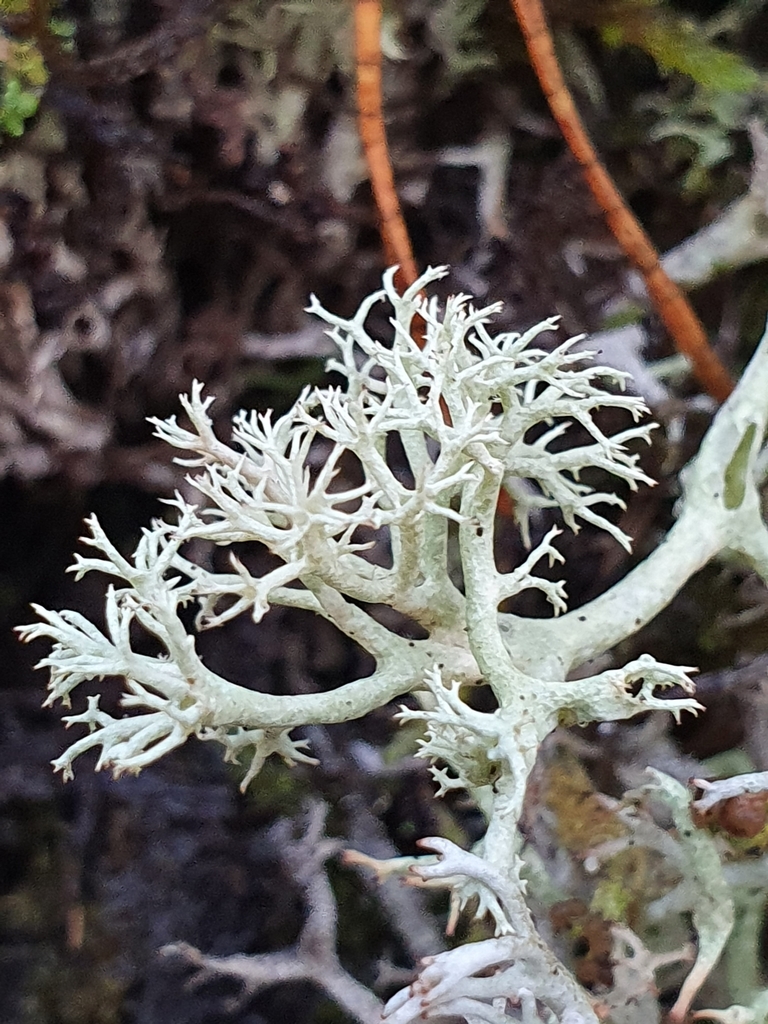
In the woodlands, the evergreen canopy shelters a rich diversity of plants and animals. The fallen needles from these conifers enrich the soil with a unique layer of organic matter, which in turn supports a community of fungi, mosses, and lichens. These microorganisms play a crucial role in breaking down organic material, making nutrients available for the diverse plant life that flourishes beneath the canopy.

The wetlands of the west swale, with the deep waters of the permanent wetlands and the shallow waters of the temporary wetlands and abundant plant life, offer a stark contrast to the woodland. Here, reeds and cattails sway in the gentle breeze, providing a habitat for amphibians and insects. The constant presence of water creates a unique microclimate, which supports species adapted to wet conditions. Birds such as the herons and ducks find sanctuary in these wetlands, while insects like dragonflies and damselflies dart above the water, adding a splash of color to the landscape.

Further afield, the meadows bask in the open sunlight, where wildflowers and grasses create a carpet of color and life. This area supports a different set of species, including pollinators like bees and butterflies, as well as mammals such as deer and rabbits. The diversity of plant life in the meadows provides ample food and shelter, ensuring a thriving community of organisms.

A Tribute to Richard St. Barbe Baker

In this symphony of life, the legacy of Richard St. Barbe Baker, a pioneer in silviculture and a passionate advocate for trees, resonates deeply. Known as a “forest doctor,” Baker dedicated his life to studying and preserving forests around the world. His work led to the creation of the International Tree Foundation, an organization committed to reforestation and forest conservation.

Baker’s vision aligns with the principles of sustainable development. He understood that forests are not just collections of trees but complex ecosystems that support a myriad of life forms. His legacy continues to inspire those who work to preserve and enhance the diversity of living things.

Careers in Understanding Nature

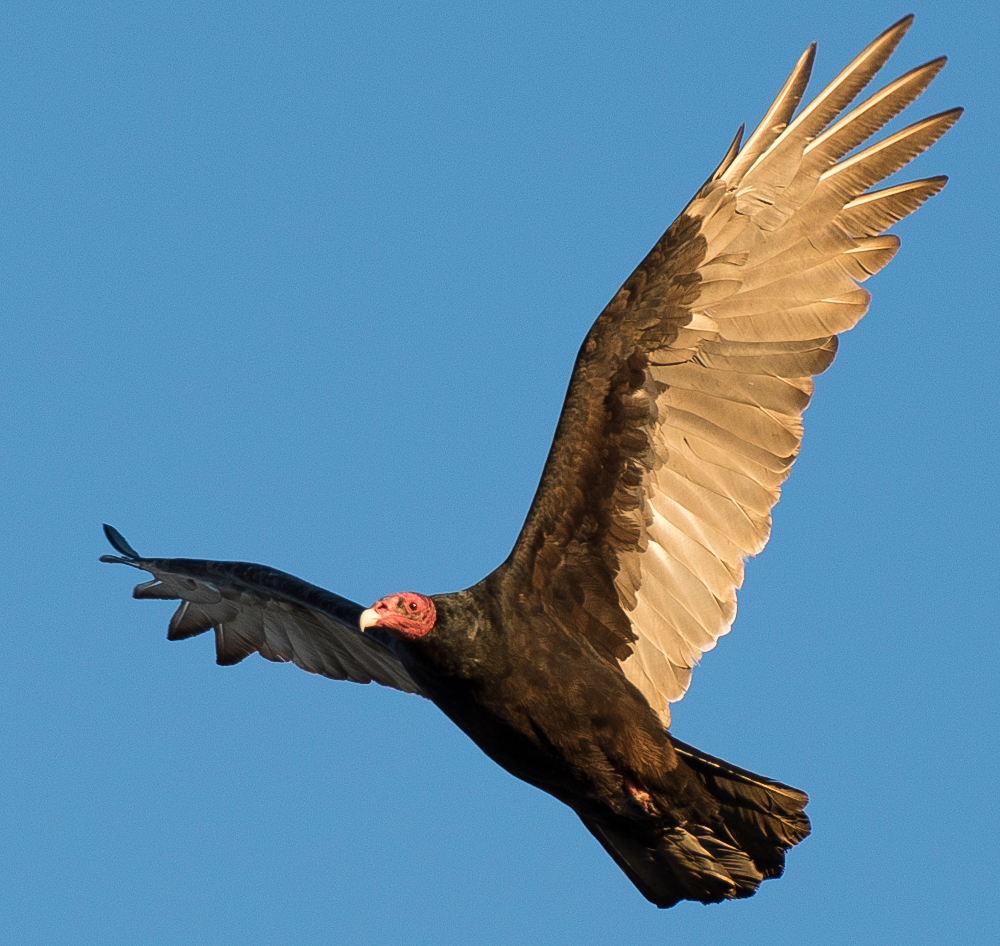
The richness of the afforestation areas provides a living classroom for many careers dedicated to understanding and preserving biodiversity. Botanists study the various plant species and their roles in the ecosystem. Herpetologists focus on amphibians and reptiles, exploring their habitats and behaviors. Zoologists and wildlife biologists investigate the lives of mammals and birds, while entomologists delve into the world of insects.

Mycologists and lichenologists examine fungi and lichens, essential players in nutrient cycling. Dendrologists, who specialize in trees, study their growth patterns and ecological roles. Ornithologists observe and document the behavior and migration patterns of birds.

Bridging Knowledge Systems

As we embark on the International Decade of Sciences for Sustainable Development, there is an increasing emphasis on integrating Indigenous and Western knowledge systems. Indigenous peoples have long understood the interconnectedness of life, using traditional knowledge to manage and sustain their environments. This wisdom complements modern scientific approaches, providing a holistic view of ecological relationships.

Sustainable Development Goals and Conservation

Aligning with the United Nations Sustainable Development Goals, particularly Life Below Water and Life on Land, we recognize the importance of conserving and restoring natural habitats. Understanding the characteristics and behaviors of vertebrates and invertebrates helps us ensure that greenspaces, such as forests, grasslands, and wetlands, are preserved and managed sustainably.

By studying how individual organisms survive and adapt, we gain insights into the mechanisms that support biodiversity. This knowledge is essential for developing strategies to protect and enhance the natural world, ensuring that future generations can enjoy and benefit from its beauty and resources.

The Hidden World of Micro-Organisms

In the soil beneath our feet, a hidden world of micro-organisms plays a critical role in maintaining ecosystem health to understand noxious invasive species. Dr. Eric Lamb’s research into soil microbial communities reveals how these tiny organisms contribute to nutrient cycling and soil fertility. Their work underscores the importance of understanding and preserving the microbial world, which is vital for sustaining plant life and, by extension, the entire ecosystem.

As you explore the afforestation areas, take a moment to appreciate the intricate web of life that surrounds you. From the towering trees to the smallest microbes, each element plays a role in the grand tapestry of nature. By learning about and respecting this diversity, we can contribute to the ongoing preservation and enrichment of our natural world.

Activity 1: Ecotone Exploration

Objective: Understand the concept of an ecotone and how different ecosystems merge.

Instructions:

  1. Create a large poster or digital presentation of the Richard St. Barbe Baker Afforestation Area, including the woodland, wetland, and meadow ecosystems.
  2. Using images or drawings, identify and label key features of each ecosystem, and illustrate how they merge into an ecotone.
  3. Discuss how the presence of evergreens and conifers affects the soil and plant life in this transition zone.

Questions:

  1. What are the main characteristics of the woodland, wetland, and meadow ecosystems found in the afforestation area?
  2. How do evergreens and conifers influence the soil in the ecotone between the boreal forest and mixed grasslands?
  3. What types of plants and animals are adapted to the unique conditions of the ecotone?
  4. Why is the concept of an ecotone important for understanding biodiversity?
  5. How might the merging of different ecosystems in the afforestation area support a diverse range of species and over 60 species of concern?

Activity 2: Careers in Ecology

Objective: Explore various careers related to studying and preserving biodiversity.

Instructions:

  1. Research the careers of botanists, herpetologists, zoologists, wildlife biologists, entomologists, mycologists, lichenologists, dendrologists, and ornithologists. Have you ever taken part in the dendrochronology study conducted by Dr Colin Laroque in the Mistik Askiwin Dendrochronology Lab (MAD Lab) to work with the Canadian Light Source (CLS) Synchrotron?
  2. Create a brochure or presentation highlighting each career’s role, key responsibilities, and how they contribute to understanding ecosystems.
  3. Include information about Richard St. Barbe Baker’s career and its impact on forestry and conservation.

Questions:

  1. What are the main responsibilities of a botanist, and how do they contribute to our understanding of plant species –tree species / native wildflower plants?
  2. How do herpetologists study amphibians and reptiles, and why is this important for conservation? What amphibians and reptiles are present in the afforestation areas (this can be searched on iNaturalist using the “Explore” feature)
  3. What role do ornithologists play in studying bird behavior and migration? (E-bird resources are handy to determine birds of the afforestation areas)
  4. How did Richard St. Barbe Baker’s work influence modern forestry practices?
  5. Which career might you be interested in and why?

Activity 3: Indigenous and Western Knowledge Integration

Objective: Understand the integration of Indigenous and Western knowledge systems in environmental management.

Instructions:

  1. Investigate how Indigenous knowledge and Western scientific approaches complement each other in managing natural resources.
  2. Create a Venn diagram to compare and contrast Indigenous and Western knowledge systems related to ecosystem management.
  3. Discuss how both knowledge systems contribute to sustainable development goals.

Questions:

  1. What are some key principles of Indigenous knowledge related to environmental stewardship?
  2. How do Western scientific methods approach ecosystem management and conservation?
  3. In what ways can combining Indigenous and Western knowledge enhance the management of natural resources?
  4. How do these integrated approaches support the United Nations Sustainable Development Goals?
  5. Why is it important to respect and incorporate diverse knowledge systems in environmental conservation?

Activity 4: Investigating Micro-organisms

Objective: Explore the role of micro-organisms in soil health and ecosystem functioning.

Instructions:

  1. Research the types of micro-organisms found in soil and their roles in nutrient cycling and soil fertility.
  2. Conduct a simple soil experiment to observe micro-organisms using a microscope or soil sampling kit.
  3. Discuss the findings and their implications for ecosystem health and plant growth.

Questions:

  1. What types of micro-organisms are commonly found in soil, and what are their functions?
  2. How do micro-organisms contribute to nutrient cycling in the ecosystem?
  3. Why is it important to understand the role of micro-organisms in maintaining soil health?
  4. What might happen if soil micro-organisms were disrupted or removed?
  5. How can Dr. Eric Lamb and his lab’s research help us better manage soil health and plant life? National Forest Week event Sept 20

Activity 5: Survival Strategies of Local Species

Objective: Examine how local species adapt to their environments.

Instructions:

  1. Choose different vertebrates (mammals, birds, reptiles, amphibians, and fish) and invertebrates from the afforestation area.
  2. Research and present on how each species adapts to its specific habitat within the woodland, wetland, or meadow.
  3. Create a visual display or report showing these adaptations and their importance for survival.

Questions:

  1. How do the adaptations of a specific mammal help it survive in the woodland ecosystem? Would mammals adopt a naturalized “man-made forest” on the prairies, or only use trembling aspen bluffs or woodlands of the boreal forests north of the treeline?
  2. What special features allow birds in the wetland to thrive in their environment?
  3. How do amphibians adapt to the varying conditions of the wetland and meadow ecosystems?
  4. Why are certain plants or insects particularly suited to the meadow habitat?
  5. How do these survival strategies contribute to the overall health and balance of the ecosystem?
    For directions as to how to drive to “George Genereux” Urban Regional Park
    For directions on how to drive to Richard St. Barbe Baker Afforestation Area
    For more information:
    Blairmore Sector Plan Report; planning for the Richard St. Barbe Baker Afforestation Area, George Genereux Urban Regional Park and West Swale and areas around them inside of Saskatoon city limits
    NEW P4G District Official Community Plan
    Richard St. Barbe Baker Afforestation Area is located in Saskatoon, Saskatchewan, Canada north of Cedar Villa Road, within city limits, in the furthest south west area of the city. 52° 06′ 106° 45′
    Addresses:
    Part SE 23-36-6 – Afforestation Area – 241 Township Road 362-A
    Part SE 23-36-6 – SW Off-Leash Recreation Area (Richard St. Barbe Baker Afforestation Area ) – 355 Township Road 362-A
    S ½ 22-36-6 Richard St. Barbe Baker Afforestation Area (West of SW OLRA) – 467 Township Road 362-A
    NE 21-36-6 “George Genereux” Afforestation Area – 133 Range Road 3063
    Wikimapia Map: type in Richard St. Barbe Baker Afforestation Area
    Google Maps South West Off Leash area location pin at parking lot
    Web page: https://stbarbebaker.wordpress.com
    Where is the Richard St. Barbe Baker Afforestation Area? with map
    Where is the George Genereux Urban Regional Park (Afforestation Area)?with map
    Pinterest richardstbarbeb
    Blogger: FriendsAfforestation
    Tumblr friendsafforestation.tumblr.comFacebook Group Page: Users of the George Genereux Urban Regional Park
    Facebook: StBarbeBaker Afforestation Area
    Facebook for the non profit Charity Friends of the Saskatoon Afforestation Areas Inc. FriendsAreas
    Facebook group page : Users of the St Barbe Baker Afforestation Area
    Facebook: South West OLRA
    Reddit: FriendsAfforestation
    Twitter: St Barbe Baker Charity Twitter:FriendsAreas
    Mix: friendsareas
    YouTube
    Please help protect / enhance your afforestation areas, please contact the Friends of the Saskatoon Afforestation Areas Inc. (e-mail / e-transfers )
    Donate your old vehicle, here’s how!  
    Support using Canada Helps
    Support via a recycling bottle donation
    United Nations Decade on Ecosystem Restoration
    Use the UN Decade’s Visual Identity 
    Make it your own
    Spread the word about the UN Decade 
    Let’s Bring Back Forests
    Let’s Green Our Cities
    ““Be like a tree in pursuit of your cause. Stand firm, grip hard, thrust upward. Bend to the winds of heaven..”
    Richard St. Barbe Baker

Discover the Natural Wonders of Saskatoon with the City Nature Challenge

Are you someone who loves spending time outdoors, observing the beauty of nature? Are you always intrigued by the diverse range of flora and fauna that surrounds us, but don’t know where to begin your journey to explore and document them? Look no further! The City Nature Challenge Saskatoon and area is the perfect opportunity for you to unleash your inner naturalist, and connect with the world around you in a meaningful way.

The City Nature Challenge is an annual international event where cities compete to see who can document the most species over a four-day period. This year, Saskatoon and area is participating in the challenge from April 28 to May 1, and you can be a part of it! You can join in as an individual, or as part of a group, and make observations of any plants, animals, fungi, or other organisms you see in your backyard, on your walks, or during your outdoor activities.

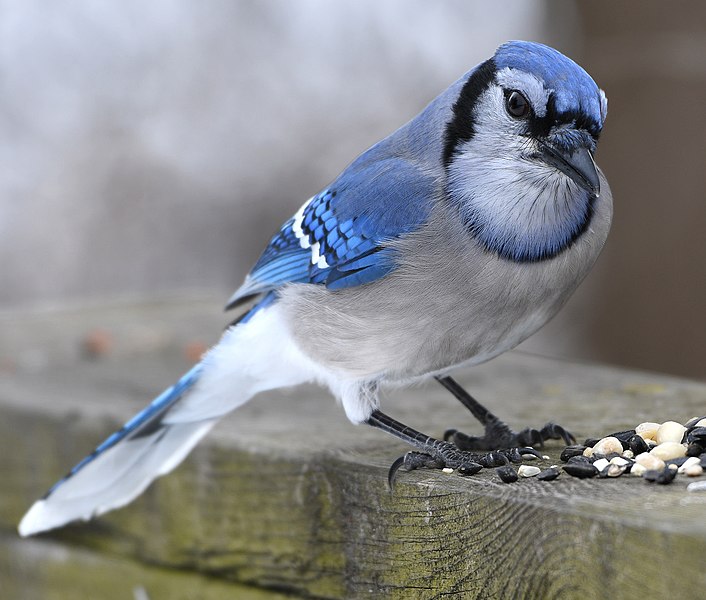
So far, the challenge has been off to an incredible start, with 136 species documented, including an American Mink, wolf spiders, zebra spiders, crab spiders, paradise jumping spiders, ducks, geese, robins, mourning cloak butterflies, blue jays, compton tortoiseshell butterfly, grebes, and pelicans, to name a few. With 46 identifiers and 20 observers already contributing, there’s no better time to get involved. Just use the explore feature in iNaturalist to see what has been discovered in Saskatoon already.

But why should you participate in the City Nature Challenge? For starters, it’s a fantastic way to enjoy the great outdoors, explore new areas, and connect with nature in a deeper way. Not only that, but by making observations and documenting the species you see, you’re contributing to vital conservation research that can help protect and preserve our planet’s biodiversity. Plus, it’s a fun and engaging way to challenge yourself and learn new things.

So what are you waiting for? Download the iNaturalist app, and join us in taking part in the #CNC #CityNatureChallenge Saskatoon and Area! You can participate on your own, with your family, or as part of a group event, and every observation you make helps contribute to our understanding of the natural world. Let’s work together to document the incredible diversity of species that surround us, and make a difference for our planet’s future. Learn more at FriendsAreas.ca. or at Hints and tips

There are still two great events to join during the challenge, or just document nature on your own with iNaturalist on your smartphone!

Nature Census: Discovering Wildlife Wonders Richard St. Barbe Baker Afforestation Area, Saskatoon, SK Monday 05/01/2023 07:00:00 PM


Wildlife Expedition: Find Your Wild Side George Genereux Urban Regional Park, Saskatoon, SK Sunday 04/30/2023 02:00:00 PM

For directions as to how to drive to “George Genereux” Urban Regional Park
For directions on how to drive to Richard St. Barbe Baker Afforestation Area
For more information:
Blairmore Sector Plan Report; planning for the Richard St. Barbe Baker Afforestation Area, George Genereux Urban Regional Park and West Swale and areas around them inside of Saskatoon city limits
NEW P4G District Official Community Plan
Richard St. Barbe Baker Afforestation Area is located in Saskatoon, Saskatchewan, Canada north of Cedar Villa Road, within city limits, in the furthest south west area of the city. 52° 06′ 106° 45′
Addresses:
Part SE 23-36-6 – Afforestation Area – 241 Township Road 362-A
Part SE 23-36-6 – SW Off-Leash Recreation Area (Richard St. Barbe Baker Afforestation Area ) – 355 Township Road 362-A
S ½ 22-36-6 Richard St. Barbe Baker Afforestation Area (West of SW OLRA) – 467 Township Road 362-A
NE 21-36-6 “George Genereux” Afforestation Area – 133 Range Road 3063
Wikimapia Map: type in Richard St. Barbe Baker Afforestation Area
Google Maps South West Off Leash area location pin at parking lot
Web page: https://stbarbebaker.wordpress.com
Where is the Richard St. Barbe Baker Afforestation Area? with map
Where is the George Genereux Urban Regional Park (Afforestation Area)?with map
Pinterest richardstbarbeb
Blogger: FriendsAfforestation
Tumblr friendsafforestation.tumblr.comFacebook Group Page: Users of the George Genereux Urban Regional Park
Facebook: StBarbeBaker Afforestation Area
Facebook for the non profit Charity Friends of the Saskatoon Afforestation Areas Inc. FriendsAreas
Facebook group page : Users of the St Barbe Baker Afforestation Area
Facebook: South West OLRA
Reddit: FriendsAfforestation
Twitter: St Barbe Baker Charity Twitter:FriendsAreas
Mix: friendsareas
YouTube
Please help protect / enhance your afforestation areas, please contact the Friends of the Saskatoon Afforestation Areas Inc. (e-mail / e-transfers )Support the afforestation areas with your donation or membership ($20.00/year). Please donate by paypal or by using e-transfers Please and thank you! Your donation and membership is greatly appreciated. Members e-mail your contact information to be kept up to date!
Donations can be made through Paypal, Canada Helps, Contact Donate A Car Canada, SARCAN Drop & Go 106100594 for the Friends of the Saskatoon Afforestation Areas Inc.
United Nations Decade on Ecosystem Restoration
Use the UN Decade’s Visual Identity
Make it your own
Spread the word about the UN Decade
Let’s Bring Back Forests
Let’s Green Our Cities
“Be like a tree in pursuit of your cause. Stand firm, grip hard, thrust upward. Bend to the winds of heaven..”
Richard St. Barbe Baker

Making a Difference: Environmental Preservation and Sustainable Development Goals

As an avid nature lover, you understand the importance of preserving our planet’s ecosystems and the unique species that inhabit them. That’s why your recent donation to Friends of the Saskatoon Afforestation Areas Inc is such a meaningful contribution to the conservation efforts taking place in the 474 acres of the Saskatoon Afforestation Areas. Fri, Mar 3, 2023 is World Wildlife Day.

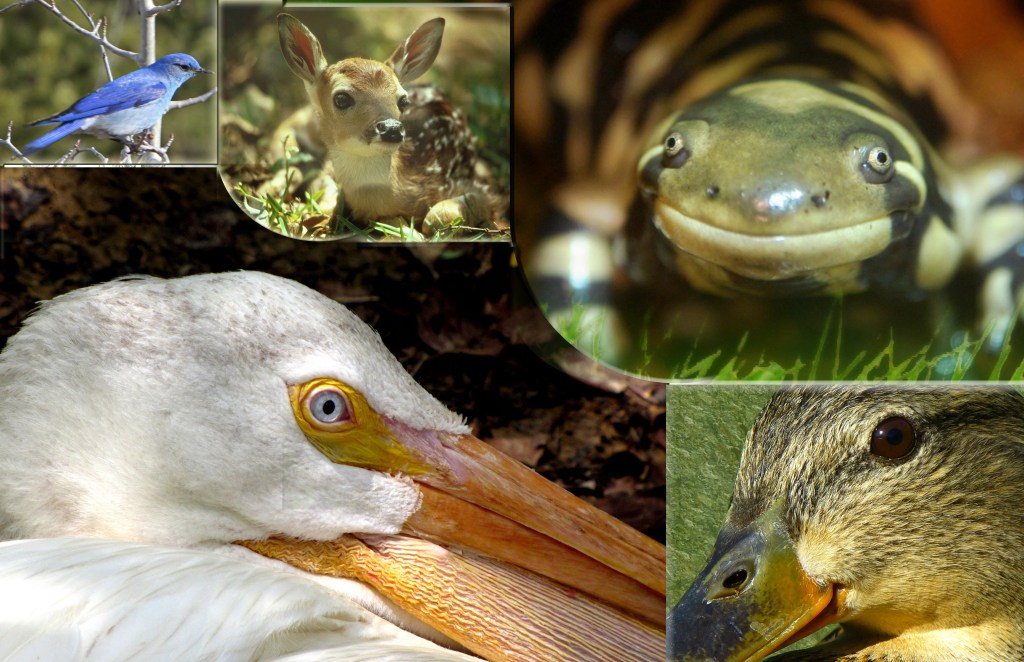
With your donation, the Friends of the Saskatoon Afforestation Areas will be able to make a significant environmental impact on providing education and awareness around preserving species at risk, restoring ecosystems, and advancing the United Nations Sustainable Development Goals. The Saskatoon Afforestation Areas comprise woodlands, meadows, and wetlands and are home to a wide variety of plant and animal species.

One of the key ways that the Friends of the Saskatoon Afforestation Areas will use your donation is through citizen science bio blitzes identifying invasive plant species that threaten the native plant and animal populations. This ecological restoration project will help to preserve species at risk and restore balance to the ecosystem.

In addition to ecological restoration, your donation will contribute to advancing several of the United Nations Sustainable Development Goals. The Friends of the Saskatoon Afforestation Areas are committed to working towards Life on Land, Life Under Water, Climate Action, and Sustainable Cities. Enlisting community support through tours and engagement events park stewards understand the mandate of the City of Saskatoon and Meewasin who aim towards preserving the natural environment and restoring ecosystems, the organization is taking concrete action towards achieving these goals.

For example, advocating for the removal of invasive plant species and encouraging the replanting native ones, the organization is promoting sustainable land use practices and contributing to the Life on Land and Climate Action goals. By maintaining the wetlands, they are also contributing to the Life Under Water goal by preserving the health of nearby water bodies and the species that depend on them.

In conclusion, your donation to Friends of the Saskatoon Afforestation Areas Inc will make a meaningful environmental impact on preserving the varied ecosystems, and advancing the United Nations Sustainable Development Goals. The Saskatoon Afforestation Areas, Richard St. Barbe Baker Afforestation Area and George Genereux Urban Regional Park, are a precious natural resource, and your contribution will help ensure they are protected and conserved for generations to come. We believe in the spirit of Witaskêwin, living together on the land. We believe this project can be part of an effective long-term strategy to focus our vision on this ideal. In a significant way this project allows the past to meet the present and future. The rich geological, historical, natural, and cultural heritage of the areas honours where we have been. Science, conservation, and hands on learning about the land, the environment and sustainability ensure our future. Thank you for your support!

For directions as to how to drive to “George Genereux” Urban Regional Park
For directions on how to drive to Richard St. Barbe Baker Afforestation Area
For more information:
Blairmore Sector Plan Report; planning for the Richard St. Barbe Baker Afforestation Area, George Genereux Urban Regional Park and West Swale and areas around them inside of Saskatoon city limits
NEW P4G District Official Community Plan
Richard St. Barbe Baker Afforestation Area is located in Saskatoon, Saskatchewan, Canada north of Cedar Villa Road, within city limits, in the furthest south west area of the city. 52° 06′ 106° 45′
Addresses:
Part SE 23-36-6 – Afforestation Area – 241 Township Road 362-A
Part SE 23-36-6 – SW Off-Leash Recreation Area (Richard St. Barbe Baker Afforestation Area ) – 355 Township Road 362-A
S ½ 22-36-6 Richard St. Barbe Baker Afforestation Area (West of SW OLRA) – 467 Township Road 362-A
NE 21-36-6 “George Genereux” Afforestation Area – 133 Range Road 3063
Wikimapia Map: type in Richard St. Barbe Baker Afforestation Area
Google Maps South West Off Leash area location pin at parking lot
Web page: https://stbarbebaker.wordpress.com
Where is the Richard St. Barbe Baker Afforestation Area? with map
Where is the George Genereux Urban Regional Park (Afforestation Area)?with map
Pinterest richardstbarbeb
Blogger: FriendsAfforestation
Tumblr friendsafforestation.tumblr.comFacebook Group Page: Users of the George Genereux Urban Regional Park
Facebook: StBarbeBaker Afforestation Area
Facebook for the non profit Charity Friends of the Saskatoon Afforestation Areas Inc. FriendsAreas
Facebook group page : Users of the St Barbe Baker Afforestation Area
Facebook: South West OLRA
Reddit: FriendsAfforestation
Twitter: St Barbe Baker Charity Twitter:FriendsAreas
Mix: friendsareas
YouTube
Please help protect / enhance your afforestation areas, please contact the Friends of the Saskatoon Afforestation Areas Inc. (e-mail / e-transfers )Support the afforestation areas with your donation or membership ($20.00/year). Please donate by paypal or by using e-transfers Please and thank you! Your donation and membership is greatly appreciated. Members e-mail your contact information to be kept up to date!
Donations can be made through Paypal, Canada Helps, Contact Donate A Car Canada, SARCAN Drop & Go 106100594 for the Friends of the Saskatoon Afforestation Areas Inc.
United Nations Decade on Ecosystem Restoration
Use the UN Decade’s Visual Identity

Spread the word about the UN Decade
Let’s Bring Back Forests
Let’s Green Our Cities
“Be like a tree in pursuit of your cause. Stand firm, grip hard, thrust upward. Bend to the winds of heaven..”
Richard St. Barbe Baker

Celebrate the Dark Sky

International Dark Sky Week (IDSW) 2022! April 22 to April 30 – what will you do? Download iNaturalist on your phone, and take pictures of the night life?

What could you find?

Bats, night herons, owls.

When butterflies go to sleep, moths wake up.

Crickets, and grasshoppers are also noctural.

Frogs, rabbits, beavers, skunks are night time creatures.

Go for an explore, and share your observations for the City Nature Challenge taking place April 29 to May 2! The City of Saskatoon and Area CNCYXE,

Find it. Snap it. Share it.

“Love is where attentiveness to nature starts, and responsibility towards one’s home landscape is where it leads.” – John Elder (1998)

Celebrate 50 years! Richard St. Barbe Baker Afforestation Area and George Genereux Urban Regional park were planted to trees in 1972, 50 years ago. Come out and say Happy Birthday!

For directions as to how to drive to “George Genereux” Urban Regional Park
For directions on how to drive to Richard St. Barbe Baker Afforestation Area
For more information:
Blairmore Sector Plan Report; planning for the Richard St. Barbe Baker Afforestation Area, George Genereux Urban Regional Park and West Swale and areas around them inside of Saskatoon city limits
NEW P4G District Official Community Plan
Richard St. Barbe Baker Afforestation Area is located in Saskatoon, Saskatchewan, Canada north of Cedar Villa Road, within city limits, in the furthest south west area of the city. 52° 06′ 106° 45′
Addresses:
Part SE 23-36-6 – Afforestation Area – 241 Township Road 362-A
Part SE 23-36-6 – SW Off-Leash Recreation Area (Richard St. Barbe Baker Afforestation Area ) – 355 Township Road 362-A
S ½ 22-36-6 Richard St. Barbe Baker Afforestation Area (West of SW OLRA) – 467 Township Road 362-A
NE 21-36-6 “George Genereux” Afforestation Area – 133 Range Road 3063
Wikimapia Map: type in Richard St. Barbe Baker Afforestation Area
Google Maps South West Off Leash area location pin at parking lot
Web page: https://stbarbebaker.wordpress.com
Where is the Richard St. Barbe Baker Afforestation Area? with map
Where is the George Genereux Urban Regional Park (Afforestation Area)?with map
Pinterest richardstbarbeb
Blogger: FriendsAfforestation
Tumblr friendsafforestation.tumblr.comFacebook Group Page: Users of the George Genereux Urban Regional Park
Facebook: StBarbeBaker Afforestation Area
Facebook for the non profit Charity Friends of the Saskatoon Afforestation Areas Inc. FriendsAreas
Facebook group page : Users of the St Barbe Baker Afforestation Area
Facebook: South West OLRA
Reddit: FriendsAfforestation
Twitter: St Barbe Baker Charity Twitter:FriendsAreas
Mix: friendsareas

YouTube

Please help protect / enhance your afforestation areas, please contact the Friends of the Saskatoon Afforestation Areas Inc. (e-mail / e-transfers )Support the afforestation areas with your donation or membership ($20.00/year). Please donate by paypal or by using e-transfers Please and thank you! Your donation and membership is greatly appreciated. Members e-mail your contact information to be kept up to date!

Donations can be made through Paypal, Canada Helps, Contact Donate A Car Canada, SARCAN Drop & Go 106100594 for the Friends of the Saskatoon Afforestation Areas Inc.

United Nations Decade on Ecosystem Restoration

“Be like a tree in pursuit of your cause. Stand firm, grip hard, thrust upward. Bend to the winds of heaven..”

Richard St. Barbe Baker

Design a site like this with WordPress.com
Get started