The Silent Architects: Listening to the Pulse of the Wood

By the Mycelial Collective

Beneath the canopy of our global forests, a slow-motion dialogue is taking place—a metabolic conversation between the standing giants of the timber world and the persistent, creeping network of the fungal kingdom. To the untrained eye, a mushroom is a mere ornament. But to those who walk the path of the Watu Wa Miti—the “People of the Trees”—it is a profound indicator of a landscape in transition.

The Ancestral Pledge

In 1922, Richard St. Barbe Baker and Chief Josiah Njonjo founded a movement in Kenya that would ripple across a century. The “Men of the Trees” (now Watu Wa Miti) understood a fundamental truth: our fate is intertwined with the sap and the spore. Their pledge—to plant ten trees a year and do one good deed daily—was more than a conservation effort; it was an acknowledgment of our role as stewards of a living, breathing respiratory system. Today, as we navigate an era of climate instability, the health of our forests depends on our ability to read the “language of the limb.”

The Polypore: Nature’s Hardened Wisdom

Look closely at the trunk of an aging oak or a weathered hemlock. You may see a woody shelf, hard as a horse’s hoof, jutting from the bark. These are the Polypores. Unlike the ephemeral meadow mushrooms with their delicate gills, these organisms possess millions of microscopic pores. When they take on this woody, hoof-like form, we call them conks.

These structures are not merely growing on the tree; they are growing with it. A conk like Fomes fomentarius (the Tinder Polypore) or Phellinus tremulae (Aspen Bracket) adds a new layer of spore tissue each season, mirroring the growth rings of the tree itself. If you find a conk with eight distinct layers, you are looking at a four-to-eight-year history of fungal respiration. It is a biological clock, ticking in the key of decomposition.

The Art of Decay

Among these architects is the Artist’s Conk (Ganoderma applanatum). Its creamy underside is a living canvas; a gentle scratch with a fingernail leaves a permanent brown line, preserved through the drying process. But the “art” goes deeper than the surface.

These fungi are saprophytes, the grand recyclers of the planet. They target the lignin—the very “rebar” of the tree’s structural concrete. While a white-rot fungus like the Artist’s Conk leaves the wood flexible but weakened, the Common Split Gill (Schizophyllum commune) thrives on the sun-scorched, drought-stressed limbs of trees already gasping for relief.

“A hollow or dull sound when knocking on a trunk is the tree’s way of whispering its internal secrets. It tells us that the mycelium has already moved into a tree wound, claiming the heartwood for the next generation of life.”

The Inevitable Transition

We must address the uncomfortable truth: once a polypore fruits, the mycelium has already occupied the fortress. Whether the infection began via a lightning strike, a pruning wound, stress on the root or a territorial woodpecker, the decay is a one-way street. There is no “cure” for wood-decay fungi.

In our human desire to “fix” nature, we often want to rip the conks off the bark. Do not destroy the evidence. Removing the fruiting body does nothing to stop the vegetative hyphae devouring the nutrients inside. In fact, if you tear a conk away during a humid rain, you may unwittingly help the fungus broadcast its spores to the rest of the grove.

Stewardship in the Mycelial Age

To care for our forests is not to wage war on fungi, but to mitigate the stress that invites them. Wood-decay fungi are opportunistic; they are the “undertakers” of the woods, summoned by wounds from machinery, fire, and drought.

To be Watu Wa Miti today means:

  1. Preventing Wounds: Protect the bark of your trees as you would your own skin.
  2. Mitigating Stress: Water during droughts and mulch to preserve soil health.
  3. Observing with Humility: Recognize that a “hazard tree” to a homeowner is a “wildlife skyscraper” to the ecosystem.

The polypore teaches us that death is simply a restructuring of energy. As the lignin breaks down, the nutrients stored from decades of sunshine and soil are released back into the web. We plant the trees, and the fungi ensure that no atom is ever wasted. In this sacred cycle, we find our place—not as masters of the forest, but as humble members of the Mycelial Collective.

To keep our forest healthy and safe, the City of Saskatoon Parks Dept. (led by Urban Forestry Supervisor Scott Kindrat) will be conducting essential tree maintenance in the RSBBA from June 9–11. Arborists will focus on removing trees marked with a painted dot—specifically those that are diseased or pose a risk of falling or fire. We appreciate your cooperation as we care for this natural space! Thank you.

Part SE 23-36-6 – Richard St. Barbe Baker Afforestation Area – 241 Township Road 362-A

Part SE 23-36-6 – SW Off-Leash Recreation Area (Richard St. Barbe Baker Afforestation Area ) – 355 Township Road 362-A

S ½ 22-36-6 Richard St. Barbe Baker Afforestation Area (West of SW OLRA) – 467 Township Road 362-A

NE 21-36-6 “George Genereux” Afforestation Area – 133 Range Road 3063

Wikimapia Map: type in Richard St. Barbe Baker Afforestation Area or

Google Maps South West Off Leash area location pin at parking lot

Web page: https://stbarbebaker.wordpress.com

Where is the Richard St. Barbe Baker Afforestation Area? with map

Where is the George Genereux Urban Regional Park (Afforestation Area)?with map

Pinterest richardstbarbeb

Blogger: FriendsAfforestation

Tumblr friendsafforestation.tumblr.comFacebook Group Page: Users of the George Genereux Urban Regional Park

Facebook: StBarbeBaker Afforestation Area

Facebook for the non profit Charity Friends of the Saskatoon Afforestation Areas Inc. FriendsAreas

Facebook group page : Users of the St Barbe Baker Afforestation Area

Facebook: South West OLRA

Reddit: FriendsAfforestation

BlueSky Social

Mix: friendsareas

YouTube

Support via Zeffy

Please help protect / enhance your afforestation areas, please contact the Friends of the Saskatoon Afforestation Areas Inc. (e-mail / e-transfers )

Donate your old vehicle, here’s how!  

Support using Canada Helps

Support via a recycling bottle donation and Join the plastic-recycle challenge!

United Nations Decade on Ecosystem Restoration

““Be like a tree in pursuit of your cause. Stand firm, grip hard, thrust upward. Bend to the winds of heaven..” Richard St. Barbe Baker

The Cathedral of the Night: Finding the Lost Cosmos in Saskatoon’s Southwest

As the sun dips below the horizon on Monday, April 13, a quiet transformation begins. For most of the modern world, this is the hour when the “second sun”—the relentless, amber hum of high-pressure sodium and LED glare—flickers to life, erasing the universe from view. But as we usher in International Dark Sky Week, there remains a sanctuary on the peri-urban fringes of Saskatoon where the ancient contract between humanity and the stars is still honored.

To find it, one must travel southwest, away from the city’s light-choked core, to the sprawling shadows of the Richard St. Barbe Baker Afforestation Area and George Genereux Urban Regional Park. Here, the urban grid dissolves into a silhouette of trees, and the sky ceases to be a gray ceiling; it becomes an abyss of wonder.

The Wild Architecture of the West Swale

In the stillness of these afforestation areas, the night is far from empty. It is a bustling, hidden metropolis. As the light fades over the West Swale wetlands, the “wild Saskatchewan nightlife” takes center stage. This is not the clatter of commerce, but the rhythmic pulse of an ecosystem that evolved over eons to function in the dark.

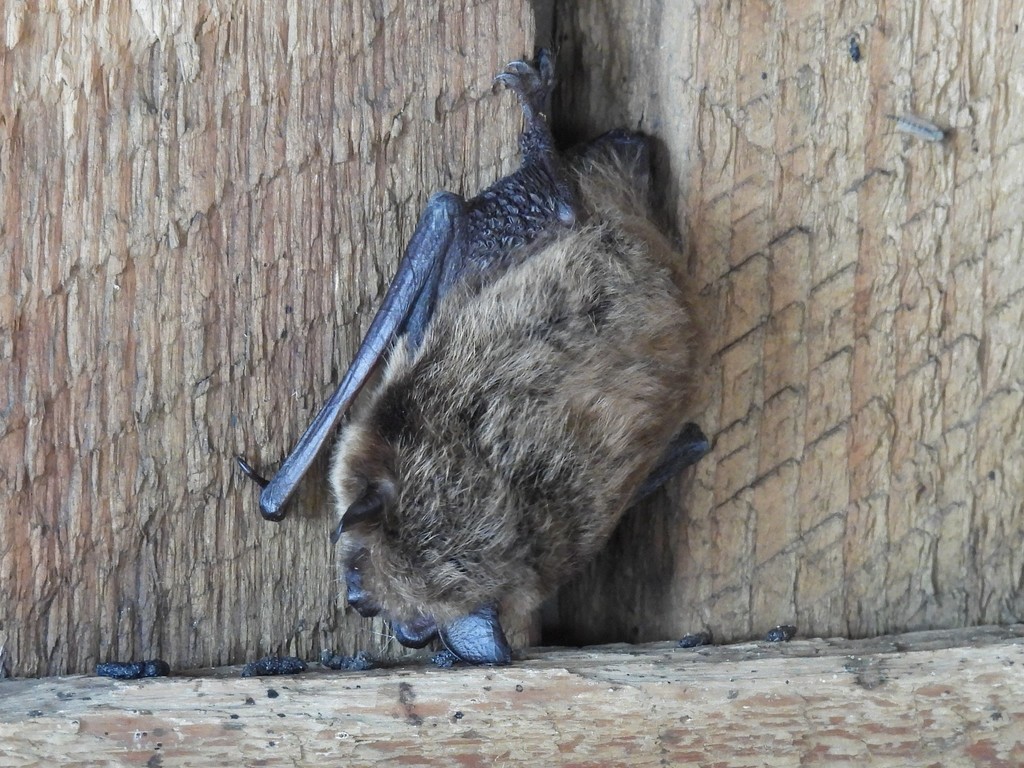
Out of the gallery of trees, the silhouettes of the night-fliers emerge. Among them are the Little Brown Myotis and the Northern Long-eared Bat, species now treading the precarious edge of the endangered list. These masters of echolocation are the sentinels of our night. To them, light pollution is not merely a nuisance; it is a barrier, a disruption of the predatory dance they have performed since the dawn of time. When we flood the night with artificial glare, we blind the nocturnal, turning their sanctuary into a gauntlet.

A Symphony in Shadow

The wetlands of the Swale act as a dark-mirror to the heavens. In the absence of city glow, the choir of the marsh reaches a crescendo, undisturbed by the biological confusion that artificial light brings to mating cycles and migration. This is the importance of International Dark Sky Week—it is a reminder that darkness is not the absence of life, but a requirement for it.

The Richard St. Barbe Baker and George Genereux lands are more than just parks; they are “star-grain” elevators, holding the precious resource of the cosmos for the next generation. Standing in the center of these woods, the Milky Way reveals itself not as a faint smudge, but as a frosted river of fire, casting soft shadows on the forest floor. It is a humbling reminder that we are citizens of a galaxy, not just residents of a municipality.

The Case for the Permanent Night

While April 13 marks the beginning of our celebration, the philosophy of the dark must be a year-round commitment. We have lived so long in the “electric cocoon” that we have forgotten the profound psychological and ecological necessity of a truly dark night. A dark sky preserves our health, guides the bird on its path, and grants the poet his muse.

As the wind whispers through the poplars of the southwest, let us recognize that darkness is an endangered species of its own. By shielding our lights and preserving the shadows of the West Swale, we aren’t just saving energy—we are reclaiming our place among the stars. This week, turn your eyes upward. The universe is waiting for you in the quiet, dark corners of Saskatoon.


“Darkness is as essential to our biological welfare, to our evolutionary heritage, as light itself.” — Inspired by the philosophy of the International Dark-Sky Association.

Part SE 23-36-6 – Richard St. Barbe Baker Afforestation Area – 241 Township Road 362-A

Part SE 23-36-6 – SW Off-Leash Recreation Area (Richard St. Barbe Baker Afforestation Area ) – 355 Township Road 362-A

S ½ 22-36-6 Richard St. Barbe Baker Afforestation Area (West of SW OLRA) – 467 Township Road 362-A

NE 21-36-6 “George Genereux” Afforestation Area – 133 Range Road 3063

Wikimapia Map: type in Richard St. Barbe Baker Afforestation Area or

Google Maps South West Off Leash area location pin at parking lot

Web page: https://stbarbebaker.wordpress.com

Where is the Richard St. Barbe Baker Afforestation Area? with map

Where is the George Genereux Urban Regional Park (Afforestation Area)?with map

Pinterest richardstbarbeb

Blogger: FriendsAfforestation

Tumblr friendsafforestation.tumblr.comFacebook Group Page: Users of the George Genereux Urban Regional Park

Facebook: StBarbeBaker Afforestation Area

Facebook for the non profit Charity Friends of the Saskatoon Afforestation Areas Inc. FriendsAreas

Facebook group page : Users of the St Barbe Baker Afforestation Area

Facebook: South West OLRA

Reddit: FriendsAfforestation

BlueSky Social

Mix: friendsareas

YouTube

Support via Zeffy

Please help protect / enhance your afforestation areas, please contact the Friends of the Saskatoon Afforestation Areas Inc. (e-mail / e-transfers )

Donate your old vehicle, here’s how!  

Support using Canada Helps

Support via a recycling bottle donation and Join the plastic-recycle challenge!

United Nations Decade on Ecosystem Restoration

““Be like a tree in pursuit of your cause. Stand firm, grip hard, thrust upward. Bend to the winds of heaven..”

Voices from the Afforestation Frontlines: Sustainable Human–Animal Interactions


In a world that grows louder with human industry and quieter with the fading calls of the wild, there are still voices—clear, compassionate, and resolute—rising to speak for those who cannot speak for themselves. Voices from the Afforestation Frontlines – Advancing Sustainable Solutions for a Resilient Planet gathers such voices from across the globe, reminding us that coexistence with the natural world is not merely a dream of idealists, but a necessity for our shared survival.

On Monday, November 3, at 10 AM EST, an extraordinary panel of international leaders will come together to discuss Sustainable Human–Animal Interactions—an urgent conversation about how we, as stewards of the Earth, might reimagine our relationship with both wild and domestic life in an age of ecological uncertainty.

Each speaker brings a story shaped by empathy and action:

🌍 Adeline Lerambert, Born Free Foundation, offers a vision of freedom rooted in compassion, where policy and advocacy serve the living beings behind the statistics.

🐘 Femke den Haas, Jakarta Animal Aid Network & Ellis Park Wildlife Sanctuary, brings courage from the field—rescuing, rehabilitating, and restoring dignity to those caught between human expansion and wilderness retreat.

🦒 Isaac Maina, Africa Network for Animal Welfare, bridges the worlds of people and wildlife, working to nurture coexistence that sustains communities and ecosystems alike.

🌳 Julia Adamson, Friends of the Saskatoon Afforestation Areas Inc., grounds the discussion in the living landscapes of urban nature—reminding us that even within city limits, forests breathe and teach us of resilience.

🥦 Dr. Kimmy Cushman, Plant Based Treaty, invites us to consider food systems as moral and ecological choices, pathways to planetary health that begin on our plates.

🐯 Pei F. Su, ACT Asia, advocates for education and cultural transformation, planting seeds of kindness in the next generation.

🕊 Tozie Zokufa, Coalition of African Animal Welfare Organizations, speaks for a continental movement toward justice—where compassion becomes policy and stewardship becomes identity.

🐾 Wolf Gordon Clifton, Animal People Inc., helps us see how science, journalism, and public discourse together shape the moral architecture of conservation.

🌱 Varda Mehrotra, Samayu and A Just World, challenges us to connect animal welfare with broader movements for equity, ethics, and planetary well-being.

Together, these thought-leaders remind us that sustainability is not only a matter of carbon or conservation—it is a question of relationship. The way we live with animals, wild or domestic, mirrors how we live with one another. Whether in the forests we replant, the cities we inhabit, or the choices we make at the table, every act of empathy echoes outward through the web of life.

This dialogue is not about opposition—between development and preservation, between human need and animal welfare—but about transformation. The transformation of systems, yes, but more profoundly, the transformation of the human heart.

As we stand at the edge of ecological tipping points, the path toward a resilient planet will not be forged through domination, but through understanding. The future will belong to those who listen—to the rustle of leaves, the whisper of wings, the wisdom of those who remember that we are all kin in this intricate, fragile web of being.

🔗 Register for this global conversation:
Eventbrite Registration
🌐 Or via the UNEP INDICO Portal

#VoicesFromTheAfforestationFrontlines #Sustainability #AnimalWelfare #Afforestation #Biodiversity #HumanWildlifeCoexistence #UNEP #ClimateAction #Conservation

Addresses:

Part SE 23-36-6 – Richard St. Barbe Baker Afforestation Area – 241 Township Road 362-A

Part SE 23-36-6 – SW Off-Leash Recreation Area (Richard St. Barbe Baker Afforestation Area ) – 355 Township Road 362-A

S ½ 22-36-6 Richard St. Barbe Baker Afforestation Area (West of SW OLRA) – 467 Township Road 362-A

NE 21-36-6 “George Genereux” Afforestation Area – 133 Range Road 3063

Wikimapia Map: type in Richard St. Barbe Baker Afforestation Area or

Google Maps South West Off Leash area location pin at parking lot

Web page: https://stbarbebaker.wordpress.com

Where is the Richard St. Barbe Baker Afforestation Area? with map

Where is the George Genereux Urban Regional Park (Afforestation Area)?with map

Pinterest richardstbarbeb

Blogger: FriendsAfforestation

Tumblr friendsafforestation.tumblr.comFacebook Group Page: Users of the George Genereux Urban Regional Park

Facebook: StBarbeBaker Afforestation Area

Facebook for the non profit Charity Friends of the Saskatoon Afforestation Areas Inc. FriendsAreas

Facebook group page : Users of the St Barbe Baker Afforestation Area

Facebook: South West OLRA

Reddit: FriendsAfforestation

BlueSky Social

Mix: friendsareas

YouTube

Support via Zeffy

Please help protect / enhance your afforestation areas, please contact the Friends of the Saskatoon Afforestation Areas Inc. (e-mail / e-transfers )

Donate your old vehicle, here’s how!  

Support using Canada Helps

Support via a recycling bottle donation and Join the plastic-recycle challenge!

United Nations Decade on Ecosystem Restoration

““Be like a tree in pursuit of your cause. Stand firm, grip hard, thrust upward. Bend to the winds of heaven..”

Richard St. Barbe Baker
Tree Planting Song

Tree Planting Song: In Movement and Meaning
As taught in the Forest Schools and sung beneath open skies

“Be like a tree in pursuit of your cause.”
Action: Stand firmly upon the Earth in Tadasana (Mountain Pose), feet hip-width apart, grounding through the soles like roots spreading deep into the soil. Bring your hands together before your chest in Anjali Mudra (Prayer Pose). This is your alignment with purpose, your stillness before growth. Close your eyes, breathe deeply. You are the seed.

“Stand firm, grip hard, thrust upward.”
Action: Spread your toes, gripping the Earth. Feel your roots go down, down, down into the deep womb of the Earth. Then inhale, raise your arms slowly outward and then overhead in Urdhva Hastasana (Upward Mountain Pose or Volcano Pose). Let your palms meet above your head. Reach upward as if growing to the sun. Your spine becomes the trunk; your fingers, the tips of branches piercing the sky. Hold this powerful ascent with courage in your chest.

“Bend to the winds of heaven.”
Action: Keep your arms raised and sway gently from side to side in Mountain Pose Raised Arms Hips Sway Flow. Be supple, resilient. Feel the breeze of heaven play upon your leaves. The wind is change, and you, noble tree, must bend but never break. Like the Trembling Aspen and the Saskatoon, your strength lies in your flexibility.

“And learn tranquility.”
Action: Circle your arms down and around in a wide arc, as though drawing down sunlight and starlight. Bring your hands once more to your heart in Anjali Mudra. Bow your head slightly. In stillness you find peace. In rootedness, wisdom. In reverence, a bond with all life.


And then, as the wind stills and the Earth listens, the Watu Wa Miti, the Forest Scouts, speak their Threefold Promise aloud:

“I promise to plant ten trees each year,
To protect trees everywhere,
And to perform one good deed every day.”

These words are not only spoken—they are lived by us all. This is the pledge of all of us who are the children of the world who walk softly upon the Earth, hands soiled with hope, hearts tuned to the rhythms of the forest.

Let us all rise, hand in hand across nations and lands, under one sky. Let our branches intertwine in peace. For as St. Barbe said, “The Green Front marches forward.” Let us go forth as trees in the wind—firm in our roots, wide in our embrace.

For directions as to how to drive to “George Genereux” Urban Regional Park

For directions on how to drive to Richard St. Barbe Baker Afforestation Area

For more information:

Blairmore Sector Plan Report; planning for the Richard St. Barbe Baker Afforestation Area, George Genereux Urban Regional Park and West Swale and areas around them inside of Saskatoon city limits

NEW P4G District Official Community Plan

Richard St. Barbe Baker Afforestation Area is located in Saskatoon, Saskatchewan, Canada north of Cedar Villa Road, within city limits, in the furthest south west area of the city. 52° 06′ 106° 45′

Addresses:

Part SE 23-36-6 – Afforestation Area – 241 Township Road 362-A

Part SE 23-36-6 – SW Off-Leash Recreation Area (Richard St. Barbe Baker Afforestation Area ) – 355 Township Road 362-A

S ½ 22-36-6 Richard St. Barbe Baker Afforestation Area (West of SW OLRA) – 467 Township Road 362-A

NE 21-36-6 “George Genereux” Afforestation Area – 133 Range Road 3063

Wikimapia Map: type in Richard St. Barbe Baker Afforestation Area

Google Maps South West Off Leash area location pin at parking lot

Web page: https://stbarbebaker.wordpress.com

Where is the Richard St. Barbe Baker Afforestation Area? with map

Where is the George Genereux Urban Regional Park (Afforestation Area)?with map

Pinterest richardstbarbeb

Blogger: FriendsAfforestation

Tumblr friendsafforestation.tumblr.comFacebook Group Page: Users of the George Genereux Urban Regional Park

Facebook: StBarbeBaker Afforestation Area

Facebook for the non profit Charity Friends of the Saskatoon Afforestation Areas Inc. FriendsAreas

Facebook group page : Users of the St Barbe Baker Afforestation Area

Facebook: South West OLRA

Reddit: FriendsAfforestation

Twitter: St Barbe Baker Charity Twitter:FriendsAreas

Mix: friendsareas

YouTube

Please help protect / enhance your afforestation areas, please contact the Friends of the Saskatoon Afforestation Areas Inc. (e-mail / e-transfers )

Donate your old vehicle, here’s how!  

Support using Canada Helps

Support via a recycling bottle donation

United Nations Decade on Ecosystem Restoration

““Be like a tree in pursuit of your cause. Stand firm, grip hard, thrust upward. Bend to the winds of heaven…and learn tranquility.”

Richard St. Barbe Baker

Celebrating Women Who Changed the Earth: A Tribute to Environmental Pioneers

As we gather to celebrate International Women’s Day on March 8, 2025, it is a perfect moment to reflect on the profound, lasting impact of women who have shaped the environmental movement. These women have not only led with passion but have forged new paths in the fight for our planet’s health, justice, and sustainability. From the deepest forests to the vast oceans, they’ve shown us what it means to truly care for the Earth. Let us raise our glasses to them and honor the work they’ve done for all of us.


Rachel Carson:
In 1962, Rachel Carson wrote a book that would change the world: Silent Spring. Carson was a biologist, a writer, and an advocate for the natural world who alerted the public to the dangers of pesticides like DDT, a chemical that was harming wildlife, polluting ecosystems, and even threatening human health. Her work sparked the environmental movement that we know today, reminding us of the delicate interconnection between humans and nature. Rachel showed us that it is not enough to just enjoy nature—we must also protect it.

Wangari Maathai:
When Wangari Maathai founded the Green Belt Movement in Kenya in 1977, she did more than plant trees—she planted seeds of hope. By encouraging women to plant trees in deforested areas, she not only worked to restore the environment but empowered women to take leadership roles in their communities. Maathai became the first African woman to win the Nobel Peace Prize in 2004, showing the world that environmental justice and human rights go hand in hand.

Vandana Shiva:
Vandana Shiva, an Indian environmentalist and activist, has dedicated her life to protecting biodiversity and promoting sustainable farming practices. Through her advocacy for seed sovereignty and her fierce opposition to genetically modified crops, she has become a powerful voice for farmers and communities around the globe. Her work calls us to rethink our relationship with the land and to value local, organic agriculture as the key to nourishing people and preserving the planet.

Greta Thunberg:
Greta Thunberg, the Swedish teenager who began striking outside her school in 2018 to demand climate action, has become the face of the global youth-led climate movement. Her powerful speeches at international forums like the UN have rallied millions of young people to take action, reminding us all of the urgency of addressing climate change. With unyielding determination, Greta has made it clear that the planet’s future cannot wait, and it is the younger generation who will bear the brunt of inaction.

Sylvia Earle:
When it comes to the oceans, Sylvia Earle is a pioneer. A marine biologist, explorer, and advocate, she has spent her career diving into the depths of the world’s seas to discover and protect the delicate ecosystems within. In 1970, she led the first all-female team of aquanauts on the Tektite II mission, and since then, she has led efforts to establish marine protected areas. As the founder of Mission Blue, Sylvia has worked tirelessly to raise awareness about ocean conservation and has inspired a generation to become stewards of the sea.

Jane Goodall:
For decades, Jane Goodall has studied chimpanzees in their natural habitats, forever altering our understanding of animal behavior and intelligence. Her groundbreaking work at Gombe Stream National Park in Tanzania showed the world that humans are not as different from other species as we once believed. A staunch advocate for conservation, Goodall’s Roots & Shoots program has empowered young people around the world to take action in their local communities, making a lasting impact on wildlife protection and environmental education.

Winona LaDuke:
In the fight to preserve the land, Winona LaDuke, an Ojibwe environmentalist and activist, has been a fearless leader. Her work focuses on protecting Indigenous lands, advocating for sustainable farming, and challenging corporate control of natural resources. Through her work with organizations like the White Earth Land Recovery Project, LaDuke has led efforts to re-establish tribal sovereignty and fight the devastating impacts of resource extraction on Indigenous communities.

Isatou Ceesay:
In the Gambia, Isatou Ceesay has transformed her community by tackling the issue of plastic waste. Known as the “Queen of Recycling,” Isatou created a program that teaches women in rural Gambia to turn discarded plastic bags into woven handbags. This initiative not only addresses the growing problem of plastic pollution but also empowers women economically and socially. Isatou has shown us that waste can be transformed into opportunity, and one woman’s vision can make a world of difference.


In addition to these trailblazers, there are numerous inspiring women who are making remarkable strides in their own communities, bringing fresh perspectives to the environmental movement.

Aubrey-Anne Laliberte-Pewapisconias, a passionate advocate for Indigenous rights and environmental justice, has been working with local communities to combat climate change and support sustainable practices. Her work emphasizes the connection between traditional Indigenous knowledge and modern environmental science, demonstrating how ancient practices can be pivotal in the fight for a more sustainable future.

Dr. Kaminskyj, a biology professor at the University of Saskatchewan, is advancing our understanding of the intricate relationships between fungi and ecosystems, helping to build solutions for combating climate change and environmental degradation. Her work in environmental microbiology is a testament to how every aspect of nature, no matter how small, contributes to the health of the planet.

Candace Savage, the distinctive voice of Western Canada, has long been a force in environmental education, literature, and activism. Through her writing, she brings to life the natural world of the Canadian prairies, emphasizing the importance of conservation and sustainable practices in a rapidly changing world. Her perspective is not just one of environmentalism, but of the deep interconnectedness of people and the land.

Elizabeth Bekolay, A local nature-based educator, naturalist, and writer in our own community has inspired countless individuals through guided nature walks, storytelling, and an unshakeable belief in the power of direct interaction with the natural world. With a deep love for the land and a firm commitment to fostering environmental stewardship, she’s been instrumental in helping others understand the importance of local ecosystems and how we can all play a role in their protection.


Each of these women has contributed something extraordinary to the health of our planet. Whether through groundbreaking scientific research, community-driven grassroots movements, or unyielding advocacy, they have made indelible marks on the landscape of environmental change.

The women highlighted in this piece represent just a small fraction of the countless remarkable women who have shaped and continue to shape the environmental movement. From grassroots organizers to leading scientists, the list of women who have made significant contributions to environmental protection, climate action, and sustainability is vast and diverse. We deeply regret that this story cannot encompass every woman whose work deserves recognition and admiration. Their efforts inspire us to keep pushing forward, and we encourage you to seek out and learn about even more incredible women in the field who have dedicated their lives to making the planet a better place for all.

This International Women’s Day, let us not only celebrate their achievements but also honor their legacy by continuing the fight for a healthier, more sustainable world. The work of these great women has only just begun, and now it is our turn to ensure their efforts are carried forward.

For directions as to how to drive to “George Genereux” Urban Regional Park

For directions on how to drive to Richard St. Barbe Baker Afforestation Area

For more information:

Blairmore Sector Plan Report; planning for the Richard St. Barbe Baker Afforestation Area, George Genereux Urban Regional Park and West Swale and areas around them inside of Saskatoon city limits

NEW P4G District Official Community Plan

Richard St. Barbe Baker Afforestation Area is located in Saskatoon, Saskatchewan, Canada north of Cedar Villa Road, within city limits, in the furthest south west area of the city. 52° 06′ 106° 45′

Addresses:

Part SE 23-36-6 – Richard St. Barbe Baker Afforestation Area – 241 Township Road 362-A

Part SE 23-36-6 – SW Off-Leash Recreation Area (Richard St. Barbe Baker Afforestation Area ) – 355 Township Road 362-A

S ½ 22-36-6 Richard St. Barbe Baker Afforestation Area (West of SW OLRA) – 467 Township Road 362-A

NE 21-36-6 “George Genereux” Afforestation Area – 133 Range Road 3063

Wikimapia Map: type in Richard St. Barbe Baker Afforestation Area

Google Maps South West Off Leash area location pin at parking lot

Web page: https://stbarbebaker.wordpress.com

Where is the Richard St. Barbe Baker Afforestation Area? with map

Where is the George Genereux Urban Regional Park (Afforestation Area)?with map

Pinterest richardstbarbeb

Blogger: FriendsAfforestation

Tumblr friendsafforestation.tumblr.comFacebook Group Page: Users of the George Genereux Urban Regional Park

Facebook: StBarbeBaker Afforestation Area

Facebook for the non profit Charity Friends of the Saskatoon Afforestation Areas Inc. FriendsAreas

Facebook group page : Users of the St Barbe Baker Afforestation Area

Facebook: South West OLRA

Reddit: FriendsAfforestation

Twitter: St Barbe Baker Charity Twitter:FriendsAreas

Mix: friendsareas

YouTube

Support via Zeffy

Please help protect / enhance your afforestation areas, please contact the Friends of the Saskatoon Afforestation Areas Inc. (e-mail / e-transfers )

Donate your old vehicle, here’s how!  

Support using Canada Helps

Support via a recycling bottle donation and Join the plastic-recycle challenge!

United Nations Decade on Ecosystem Restoration

““Be like a tree in pursuit of your cause. Stand firm, grip hard, thrust upward. Bend to the winds of heaven..”

Richard St. Barbe Baker

Nurturing Nature

Together for Tomorrow: Environmental Progress Report YouTube

Roots of Renewal 2030 Vision

Annual Report 2023

Advocacy Statement
Connecting People and Nature: The Cultural Value of Afforestation Areas: Advocacy Strategy

Nurturing Nature: The Vision and Achievements of Friends of the Saskatoon Afforestation Areas

As a dedicated non-profit Canadian registered charity, the Friends of the Saskatoon Afforestation Areas (FSAAI) passionately work to promote and preserve the natural beauty of the Richard St. Barbe Baker Afforestation Area and George Genereux Urban Regional Park. Our mission centers around advancing educational and interpretive programs that nurture both current and future stewards of these vital natural spaces.

Our Mission

At (FSAAI), we believe that fostering a deep appreciation for our diverse ecosystems is essential for their preservation. Through research, program development, workshops, and events, we aim to enhance the experience of park visitors, creating lasting connections between people and nature.

The magic of George Genereux Park, City of Saskatoon at RM of Corman Park 344 boundary

Progress and Achievements

Over the past year, our initiatives have flourished, leading to significant advancements in community engagement and environmental stewardship:

  • City Nature Challenge: This event successfully engaged the community in documenting local biodiversity, highlighting the richness of our urban ecosystems across Saskatoon. Supporting the environmental stewardship. Rapid detection early response to invasive species. You can’t protect what you don’t know regarding species at risk.
  • Jane’s Walk: We encouraged exploration of our urban landscapes, fostering a deeper appreciation for the unique blend of nature and city life. Learning, and appreciating the complex work undertaken by the City of Saskatoon in urban planning and environmental sustainability and supporting efforts being undertaken
  • Arbor Week & National Forest Week: These celebrations advocated for the importance of trees and forests, emphasizing their role in enhancing urban life and continuing the Richard St. Barbe Baker pledge with Forest Guides and Forest Scouts everywhere.
  • ParticipACTION Challenge: By promoting active lifestyles echoing Olympic Champion George Genereux, we encouraged outdoor engagement, connecting citizens with their natural surroundings. Come to Nature, Come to Life!

Our commitment to these programs is made possible through the generous contributions of donors, grants, and volunteers. Every effort counts, and we are grateful for the ongoing support from our community and corporate partners.

Advocacy for Sustainability

Advocacy is at the heart of our mission. It facilitates collaboration between community organizations, government agencies, and businesses, allowing us to implement effective conservation strategies. Our advocacy efforts focus on promoting sustainable practices that minimize negative impacts on our environment, ensuring that the afforestation areas remain vibrant and accessible for all.

We highlight the cultural and recreational value of these green spaces, fostering a sense of pride and connection among citizens. Through educational outreach, we raise awareness about the significance of biodiversity conservation, influencing policy decisions at local, regional, and national levels.

Geocaching, Orienteering skills in the forest wander forest trails in search of adventure led by Saskatchewan Orienteering or the Saskatoon Geocache community

Focus Areas for Future Initiatives

As we look ahead, our focus will be on several key areas:

  1. Native Ecosystem Education: Enhancing awareness of the ecological significance of native flora and fauna, particularly species at risk, by targeting various stakeholders including naturalists, walkers, and municipal policymakers.
  2. Preserving and Restoring Nature’s Diversity: Advocating strategic conservation approaches that ensure healthy populations of native species and ecosystems.
  3. Sustainable Land Utilization: Supporting practices that positively affect biodiversity and combat climate change.
  4. Diversity and Inclusion: Engaging equity-deserving groups in our initiatives, recognizing and addressing barriers faced by various communities, and fostering an inclusive environment for all.

Get Involved

We invite everyone to explore the afforestation areas and join us in our mission. Whether through membership, volunteering, or simply visiting, your involvement makes a tangible difference. We also encourage support for our sponsors who play a vital role in our success.

Skimmer (Dragonfly) mating in air courtesy Prasan Shrestha

A Community Effort

With heartfelt gratitude, we thank our local companies and community partners for their unwavering support. Your contributions enable us to achieve our goals each year and help make the Richard St. Barbe Baker and George Genereux Urban Regional Park Saskatoon’s premier urban forest destination.

For more information or to get involved, please visit our website or follow us on social media. We welcome your comments and suggestions as we continue to work towards preserving and enhancing our beloved parks.

Together, we can nurture nature and ensure that these cherished spaces thrive for generations to come.


With your dedication and support, we can create a lasting impact on the environment and our community. Thank you for being a part of the Friends of the Saskatoon Afforestation Areas!

For directions as to how to drive to “George Genereux” Urban Regional Park


For directions on how to drive to Richard St. Barbe Baker Afforestation Area

For more information:

Blairmore Sector Plan Report; planning for the Richard St. Barbe Baker Afforestation Area, George Genereux Urban Regional Park and West Swale and areas around them inside of Saskatoon city limits

NEW P4G District Official Community Plan

Richard St. Barbe Baker Afforestation Area is located in Saskatoon, Saskatchewan, Canada north of Cedar Villa Road, within city limits, in the furthest south west area of the city. 52° 06′ 106° 45′

Addresses:

Part SE 23-36-6 – Afforestation Area – 241 Township Road 362-A

Part SE 23-36-6 – SW Off-Leash Recreation Area (Richard St. Barbe Baker Afforestation Area ) – 355 Township Road 362-A

S ½ 22-36-6 Richard St. Barbe Baker Afforestation Area (West of SW OLRA) – 467 Township Road 362-A

NE 21-36-6 “George Genereux” Afforestation Area – 133 Range Road 3063

Wikimapia Map: type in Richard St. Barbe Baker Afforestation Area

Google Maps South West Off Leash area location pin at parking lot

Web page: https://stbarbebaker.wordpress.com

Where is the Richard St. Barbe Baker Afforestation Area? with map

Where is the George Genereux Urban Regional Park (Afforestation Area)?with map

Pinterest richardstbarbeb

Blogger: FriendsAfforestation

Tumblr friendsafforestation.tumblr.comFacebook Group Page: Users of the George Genereux Urban Regional Park

Facebook: StBarbeBaker Afforestation Area

Facebook for the non profit Charity Friends of the Saskatoon Afforestation Areas Inc. FriendsAreas

Facebook group page : Users of the St Barbe Baker Afforestation Area

Facebook: South West OLRA

Reddit: FriendsAfforestation

Twitter: St Barbe Baker Charity Twitter:FriendsAreas

Mix: friendsareas

YouTube

Please help protect / enhance your afforestation areas, please contact the Friends of the Saskatoon Afforestation Areas Inc. (e-mail / e-transfers )

Donate your old vehicle, here’s how!  

Support using Canada Helps

Support via a recycling bottle donation

United Nations Decade on Ecosystem Restoration

Richard St. Barbe Baker

““Be like a tree in pursuit of your cause. Stand firm, grip hard, thrust upward. Bend to the winds of heaven..”

Celebrating Gender Equality Week: Embracing Equality in Saskatoon’s Green Spaces

Each year, the fourth week of September is dedicated to Gender Equality Week, a crucial time for reflecting on and advancing gender equality. This year’s theme, “Unlocking Potential: Economic Power Through Gender Equality,” underscores the essential role of gender equality in fostering a thriving and equitable society. As we recognize the importance of dismantling barriers to gender equality for a more robust and sustainable economy, consider celebrating independently while immersing yourself in the natural beauty of Richard St. Barbe Baker Afforestation Area and George Genereux Urban Regional Park.

Each year, the fourth week of September is dedicated to Gender Equality Week, a crucial time for reflecting on and advancing gender equality. This year’s theme, “Unlocking Potential: Economic Power Through Gender Equality,” underscores the essential role of gender equality in fostering a thriving and equitable society. As we recognize the importance of dismantling barriers to gender equality for a more robust and sustainable economy, consider celebrating independently while immersing yourself in the natural beauty of Richard St. Barbe Baker Afforestation Area and George Genereux Urban Regional Park.

Richard St. Barbe Baker, a pioneering environmentalist, is well known for his global conservation efforts. In 1921, he founded the Men of the Trees organization, which became a crucial force in promoting global reforestation. However, recognizing that the original name did not fully encompass the inclusive nature of the movement, Baker supported a transformative change. By 1992, the organization evolved into the International Tree Foundation (ITF). This new name reflected a broader vision and acknowledged the vital contributions of women to the movement. The ITF continues to honor Baker’s legacy by empowering individuals, regardless of gender, to actively participate in conservation efforts worldwide. His vision was not only about planting trees but also about fostering a community where everyone, regardless of gender, could contribute to environmental preservation.

The name “Men of the Trees” has been changed to “International Tree Foundation,” acknowledging the crucial role that women have played and continue to play in this global movement. Richard St. Barbe Baker found significant friendship and guidance from key female collaborators and colleagues, and the ITF stands as a testament to this collaborative spirit. Celebrating Gender Equality Week in the Richard St. Barbe Baker Afforestation Area or George Genereux Urban Regional Park allows you to honor this legacy while reflecting on the broader theme of unlocking potential through gender equality.

St. Barbe Baker’s remarkable journey—from his impactful work in Kenya to his pioneering efforts against desertification—serves as a powerful reminder of how dedicated individuals can drive global change. His partnership with fellow environmentalists like Wangari Maathai underscores the importance of collaboration and inclusivity in achieving environmental and social goals. As you explore these natural spaces this Gender Equality Week, remember the enduring impact of Baker’s work and the ongoing significance of gender equality in building a sustainable future for all.

Richard St. Barbe Baker Afforestation Area: A Space for Personal Reflection and Activism

Richard St. Barbe Baker Afforestation Area, with its lush woodlands and serene trails, provides a perfect backdrop for honoring Gender Equality Week on a personal level.

1. Wear Purple for Equality: Begin your day by donning purple, a color associated with gender equality and empowerment. Wear a purple shirt, scarf, or accessory as you explore the afforestation area, symbolizing your commitment to gender equality and encouraging awareness among fellow park-goers.

Purple is internationally recognized as the color of women and gender equality. It represents justice and dignity, and embodies visionary thinking. Throughout modern history, purple has been a powerful symbol in the ongoing fight for gender equality, highlighting its significance and commitment to progress.

2. Reflect on Gender Equality: Find a peaceful spot among the trees or near a trail and take time to reflect on the theme of this year’s Gender Equality Week. Bring along a journal or sketchbook to document your thoughts on how gender equality impacts economic power and opportunities.

3. Educate Yourself: Utilize the tranquility of the forest to dive into educational materials about Gender-based Analysis Plus (GBA Plus). Download a course or read an article about how GBA Plus ensures policies and services benefit everyone, regardless of gender or other identity factors.

4. Create a Personal Commemorative Space: Set up a small area in the afforestation space for personal commemoration. Lay out a blanket, place some educational resources and honour nature’s symbolism of this week. Use this space to meditate on gender equality and its significance in your life and community.

5. Share Your Experience: Document your reflections and experiences through photos or notes. Share them on social media with the hashtag #GenderEqualityWeek to contribute to the broader conversation about gender equality and inspire others to participate.

George Genereux Urban Regional Park: Engaging with Nature and Equality

George Genereux Urban Regional Park offers expansive green spaces that are ideal for celebrating Gender Equality Week independently.

1. Wear Your Purple Attire: As you explore the park, wear purple to symbolize your support for gender equality. This visible gesture aligns with the week’s theme and shows your commitment to advancing gender equity.

2. A Nature Walk with a Purpose: Take a walk through the park while reflecting on gender equality. Consider how a gender-equal society would enhance not just economic opportunities but also community well-being. Reflect on what changes you’d like to see in society and how nature can symbolize growth and potential.

3. Host a Virtual Discussion: Use the park’s peaceful environment to prepare for a virtual group discussion on gender equality. Invite friends or colleagues to join a conversation about the importance of gender equality in economic contexts and share insights on how to drive positive change.

4. Design an Infographic: Create an infographic about gender equality’s economic impact and share it on social media. Use the park’s natural beauty as inspiration for your design, making it engaging and visually compelling. Tools like Canva can help you craft a professional-looking infographic.

5. Envision a Gender-Equal Future: While in the park, unleash your creativity by writing or drawing a vision of a gender-equal society. Whether it’s a short story, a graphic novel, or a comic strip, depict what a world with gender equality looks like and share it with your network.

Making a Difference: Your Personal Contribution

By celebrating Gender Equality Week in these beautiful natural settings, you honor the week’s theme while connecting deeply with the message of gender equality. Whether through personal reflection, educational engagement, or creative expression, your actions contribute to a broader movement toward equity and inclusion.

For more resources and to get involved in the conversation, follow us on X, Instagram, Facebook, or LinkedIn. Share your experiences and insights using the hashtag #GenderEqualityWeek and explore our Learning Toolkit for Gender Equality Week to deepen your understanding and commitment.

Every step you take in promoting gender equality matters, and your independent celebration can make a meaningful impact on advancing a more inclusive society.

For additional tools and resources, visit the Gender Equality Week 2024 page and learn about milestones and achievements in gender equality.

Reflecting on Baker’s Holistic Approach

As the world increasingly recognizes the importance of conservation and sustainable living, the legacy of Richard St. Barbe Baker stands out as a pioneering beacon. Often heralded as the first global conservationist, Baker’s visionary work in environmental stewardship is intrinsically linked to his commitment to vegetarianism. As we approach World Vegetarian Day on October 1, it’s fitting to reflect on his remarkable contributions and the broader implications of his lifestyle choices for today’s world.

The Visionary Green Pioneer

Born in 1889 in the tranquil English countryside, Richard St. Barbe Baker was a man ahead of his time. While many conservationists focus on protecting specific natural areas, Baker’s scope was global. His profound belief in the interconnectedness of all life led him to establish the Men of the Trees organization in 1922 now known as the International Tree Foundation. His mission was simple yet ambitious: to combat deforestation and promote global reforestation. Baker traveled the world, from the arid landscapes of Africa to the dense forests of South America, planting trees and advocating for the cause.

Baker’s work was revolutionary. At a time when environmental issues were often dismissed or overlooked, he spoke about the urgent need for a global approach to conservation. His efforts helped to plant millions of trees and inspired a generation of environmentalists. In 1950, the United Nations recognized his contributions by making him the International Forester of the Year, underscoring the global impact of his endeavors.

The Vegetarian Connection

Baker’s environmental philosophy extended beyond trees and forests. He was also a staunch advocate of vegetarianism, believing that a plant-based diet was integral to both personal health and environmental sustainability. His commitment to vegetarianism was not merely a personal choice but a reflection of his broader ethical and ecological beliefs.

In his view, reducing meat consumption was a key strategy to alleviate the strain on natural resources. He understood that the agricultural industry, particularly livestock farming, was a significant contributor to deforestation, water depletion, and greenhouse gas emissions. By choosing a vegetarian lifestyle, Baker aimed to set an example of how individual choices could positively impact the planet.

World Vegetarian Day: A Tribute to a Visionary

World Vegetarian Day, observed on October 1 each year, serves as a global reminder of the benefits of a plant-based lifestyle. The day was established by the North American Vegetarian Society in 1977 to promote the ethical, environmental, and health benefits of vegetarianism. This annual event is a tribute to the pioneers like Baker who championed a diet that aligns with the principles of conservation and sustainability.

As we celebrate World Vegetarian Day, it’s an opportunity to reflect on how dietary choices intersect with environmental conservation. Baker’s legacy underscores the profound impact that individual decisions can have on the health of our planet. By adopting a vegetarian or plant-based diet, we can contribute to reducing our ecological footprint and fostering a more sustainable world.

Continuing the Legacy

Richard St. Barbe Baker’s legacy is not just in the trees he planted or the lands he helped preserve, but in the enduring message of global responsibility and conscious living. His life’s work demonstrates that true environmental stewardship encompasses a holistic approach, one that includes mindful choices about what we eat.

As we honor World Vegetarian Day, let’s remember Baker’s vision and consider how we can integrate his values into our own lives. Whether through reducing meat consumption, supporting reforestation efforts, or simply advocating for more sustainable practices, we have the power to continue his legacy and make a meaningful difference.

Richard St. Barbe Baker may have lived in a different era, but his message is as relevant today as ever. On October 1, as we celebrate World Vegetarian Day, let’s not only acknowledge the benefits of a plant-based diet but also commit to the broader mission of preserving our planet for future generations—a mission that Baker so passionately championed.

For more information on how to get involved in global conservation efforts and celebrate World Vegetarian Day, visit https://www.friendsareas.ca/

“The world’s problem, is not a population explosion, but animal explosion. We’ve got to decide whether we are going to feed animals or humans. To feed animals is a roundabout way of getting food. It takes 18 times more land to feed people on beef than on vegetables, nuts fruits and grains.” Richard St. Barbe Baker.

For directions as to how to drive to “George Genereux” Urban Regional Park

For directions on how to drive to Richard St. Barbe Baker Afforestation Area

For more information:

Blairmore Sector Plan Report; planning for the Richard St. Barbe Baker Afforestation Area, George Genereux Urban Regional Park and West Swale and areas around them inside of Saskatoon city limits

NEW P4G District Official Community Plan

Richard St. Barbe Baker Afforestation Area is located in Saskatoon, Saskatchewan, Canada north of Cedar Villa Road, within city limits, in the furthest south west area of the city. 52° 06′ 106° 45′

Addresses:

Part SE 23-36-6 – Afforestation Area – 241 Township Road 362-A

Part SE 23-36-6 – SW Off-Leash Recreation Area (Richard St. Barbe Baker Afforestation Area ) – 355 Township Road 362-A

S ½ 22-36-6 Richard St. Barbe Baker Afforestation Area (West of SW OLRA) – 467 Township Road 362-A

NE 21-36-6 “George Genereux” Afforestation Area – 133 Range Road 3063

Wikimapia Map: type in Richard St. Barbe Baker Afforestation Area

Google Maps South West Off Leash area location pin at parking lot

Web page: https://stbarbebaker.wordpress.com

Where is the Richard St. Barbe Baker Afforestation Area? with map

Where is the George Genereux Urban Regional Park (Afforestation Area)?with map

Pinterest richardstbarbeb

Blogger: FriendsAfforestation

Tumblr friendsafforestation.tumblr.comFacebook Group Page: Users of the George Genereux Urban Regional Park

Facebook: StBarbeBaker Afforestation Area

Facebook for the non profit Charity Friends of the Saskatoon Afforestation Areas Inc. FriendsAreas

Facebook group page : Users of the St Barbe Baker Afforestation Area

Facebook: South West OLRA

Reddit: FriendsAfforestation

Twitter: St Barbe Baker Charity Twitter:FriendsAreas

Mix: friendsareas

YouTube

Please help protect / enhance your afforestation areas, please contact the Friends of the Saskatoon Afforestation Areas Inc. (e-mail / e-transfers )

Donate your old vehicle, here’s how!  

Support using Canada Helps

Support via a recycling bottle donation

United Nations Decade on Ecosystem Restoration

““Be like a tree in pursuit of your cause. Stand firm, grip hard, thrust upward. Bend to the winds of heaven..”

Richard St. Barbe Baker

Design a site like this with WordPress.com
Get started