

As the sun crosses the equator on September 22nd, marking the Autumn Equinox, we witness a unique moment of balance when day and night are equal. This astronomical event is not just a transition into fall but an opportunity to reflect on the diverse ways different cultures perceive and celebrate the changing seasons. In particular, Indigenous Cree cultures offer a rich and nuanced understanding of the seasonal cycle, revealing a profound connection between people and nature.
Indigenous Cree Seasonal Perspectives
In many Cree communities, the year unfolds through six distinct seasons, each with its own rhythms and significance. This perspective contrasts with the conventional four-season model and highlights a deep-rooted relationship with the natural world.
Pre-Spring (March and April): Known as the time when the moon is reflected on the ice, this period is a precursor to the rebirth of nature. March, or “otter month,” and April mark the gradual melting of ice and the promise of renewal.


Spring (May and June): Spring, or “sīkwan,” is a time of awakening and growth. May is celebrated as the month of flowers, while June is recognized for the abundance of strawberries, symbolizing the bounty of nature’s resurgence.
Summer (July and August): As the days stretch towards the summer solstice on June 21st, summer, or “nīpin,” brings forth the arrival of fruit and the maturing of young animals. July is the month of raspberries, and August witnesses young birds learning to fly.
Autumn (September): September, or “takwākin,” is marked by the falling leaves and the breeding season of porcupines. The Autumn Equinox on September 21st signifies a time of balance before the daylight hours begin to wane, leading into the winter months.
Pre-Winter (November and December): The transition into winter, or “mikiskāw,” is characterized by the return of snow and the preparation of animals for the colder months. November and December are times of trapping and utilizing every part of harvested animals.
Winter (January and February): Winter, or “pipon,” sets in with full force. January is the longest month, and February, known as Groundhog Month, continues the deep winter phase until the days begin to lengthen again.
Australian Aboriginal and Woodland Cree Seasonal Systems
Interestingly, this nuanced view of seasons is mirrored in other Indigenous cultures, such as the Noongar people of Australia, who celebrate six distinct seasons:
- Birak (December – January)
- Bunuru (February – March)
- Djeran (April – May)Makuru (June – July)
- Djilba (August – September)
- Kambarang (October – November)
Similarly, the Woodland Cree recognize six seasons, reflecting a detailed observation of environmental changes:
- Break Up (mithoskamin)
- Spring (sīkwan)
- Summer (nīpin)
- Fall (takwākin)
- Freeze-Up (mikiskāw)
- Winter (pipon) Activities and Reflections for the Equinox
To honor the Autumn Equinox and connect with these seasonal traditions, consider engaging in activities that celebrate the transition and reflect on the natural world:
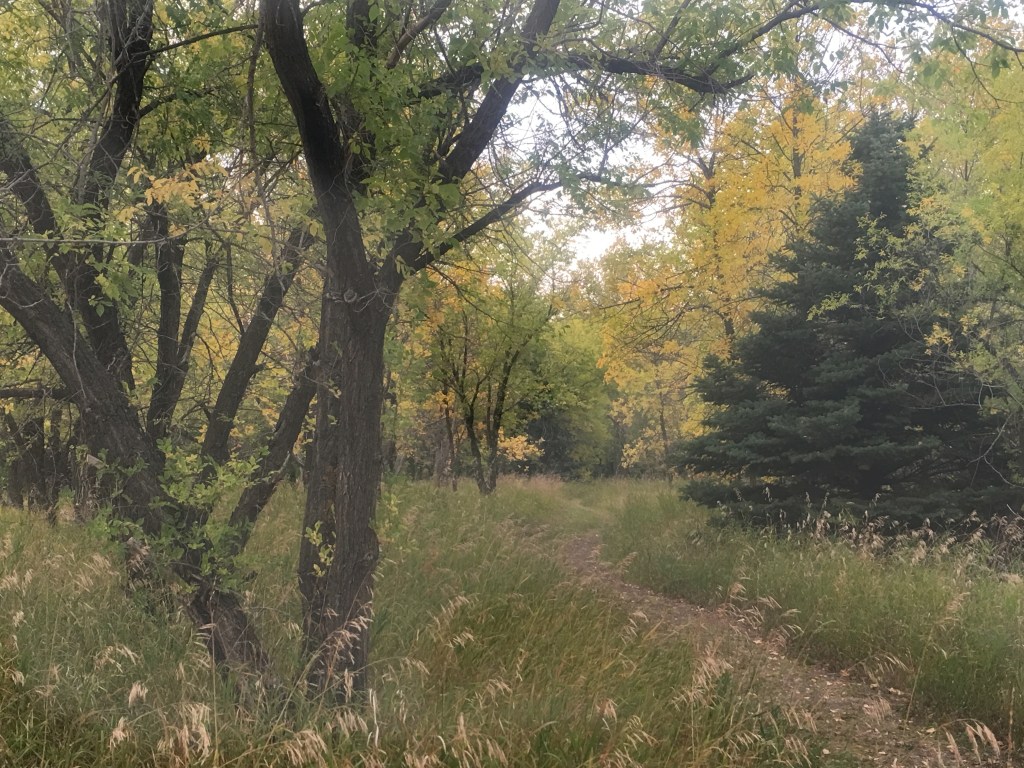
K-2 Students: Take a walk to observe fall changes. Collect leaves, acorns, and seeds to create art projects like collages or crayon rubbings. If a walk isn’t possible, guide an imaginary forest journey, focusing on sensory experiences and changes.Grades 3-5: Investigate the causes of seasonal changes and their impact on daily life. Explore when the autumn equinox occurs in your area and discuss the seasonal adjustments families make.Grades 6-8: Research why leaves change color and create collages reflecting autumn hues. Additionally, test the myth of balancing an egg on the equinox, and analyze the results to understand the scientific principles behind it.
The Autumn Equinox serves as a potent reminder of the cyclical nature of our environment and the deep connections Indigenous cultures have with the seasons. By exploring these traditions and engaging with seasonal changes, we honor the profound wisdom embedded in diverse cultural perspectives and enrich our understanding of the natural world.
For directions as to how to drive to “George Genereux” Urban Regional Park
For directions on how to drive to Richard St. Barbe Baker Afforestation Area
For more information:
NEW P4G District Official Community Plan
Richard St. Barbe Baker Afforestation Area is located in Saskatoon, Saskatchewan, Canada north of Cedar Villa Road, within city limits, in the furthest south west area of the city. 52° 06′ 106° 45′
Addresses:
Part SE 23-36-6 – Afforestation Area – 241 Township Road 362-A
Part SE 23-36-6 – SW Off-Leash Recreation Area (Richard St. Barbe Baker Afforestation Area ) – 355 Township Road 362-A
S ½ 22-36-6 Richard St. Barbe Baker Afforestation Area (West of SW OLRA) – 467 Township Road 362-A
NE 21-36-6 “George Genereux” Afforestation Area – 133 Range Road 3063
Wikimapia Map: type in Richard St. Barbe Baker Afforestation Area
Google Maps South West Off Leash area location pin at parking lot
Web page: https://stbarbebaker.wordpress.com
Where is the Richard St. Barbe Baker Afforestation Area? with map
Where is the George Genereux Urban Regional Park (Afforestation Area)?with map
Blogger: FriendsAfforestation
Tumblr friendsafforestation.tumblr.comFacebook Group Page: Users of the George Genereux Urban Regional Park
Facebook: StBarbeBaker Afforestation Area
Facebook for the non profit Charity Friends of the Saskatoon Afforestation Areas Inc. FriendsAreas
Facebook group page : Users of the St Barbe Baker Afforestation Area
Twitter: St Barbe Baker Charity Twitter:FriendsAreas
Please help protect / enhance your afforestation areas, please contact the Friends of the Saskatoon Afforestation Areas Inc. (e-mail / e-transfers )
Donate your old vehicle, here’s how!
Support using Canada Helps
Support via a recycling bottle donation
United Nations Decade on Ecosystem Restoration
- Use the UN Decade’s Visual Identity
- Make it your own
- Spread the word about the UN Decade
- Let’s Bring Back Forests
- Let’s Green Our Cities
““Be like a tree in pursuit of your cause. Stand firm, grip hard, thrust upward. Bend to the winds of heaven..”
Richard St. Barbe Baker




 Forests of Memory. Forests of Learning. Forests for Life.