Science Literacy Week: September 18-24 – Fostering Curiosity and Knowledge in Saskatchewan Schools

As the crisp air of September ushers in a new academic year, it also brings an exciting opportunity for students across Saskatchewan to dive deep into the wonders of science. From September 18-24, Science Literacy Week shines a spotlight on the importance of scientific understanding and encourages students to engage with the natural world in meaningful ways. This year, we’re exploring how Saskatchewan’s science curriculum supports this celebration, with hands-on activities that inspire curiosity and promote scientific literacy.

Embracing Science Literacy in the Classroom

Science Literacy Week offers a chance to invigorate the classroom with activities that make science both engaging and educational. The Saskatchewan science curriculum provides a comprehensive framework for exploring scientific concepts, and during this special week, teachers can align their lessons with this celebration. Here are some curriculum-related activities that can be incorporated into classroom instruction to honor Science Literacy Week:

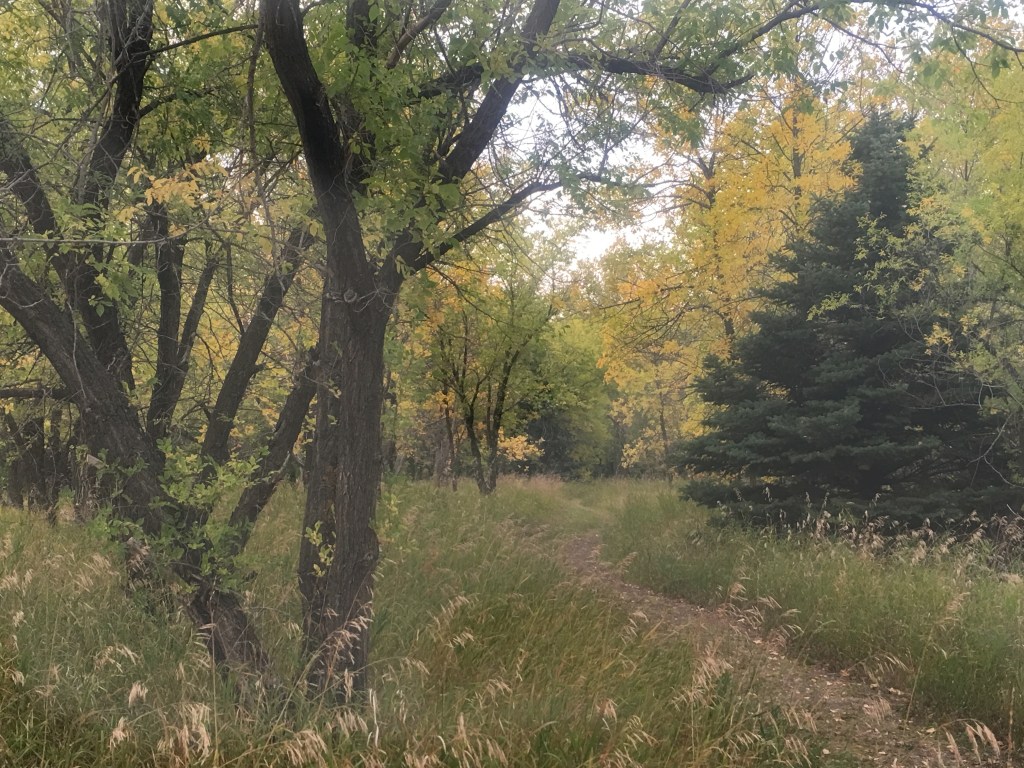
Children enjoying their time collecting leaves in the autumn forest.

Grades K-2: Exploring the Natural World

Activity 1: Sensory Nature Walk

Curriculum Link: Science K-2, Understanding the Environment

Description: Take your students on a sensory walk around the school grounds or a nearby park. Encourage them to use their senses to observe changes in their environment. Students can listen for different sounds, look for changes in plant life, and feel the textures of leaves and soil. After the walk, have students draw or describe their observations.

Learning Outcome: Students will develop an awareness of their environment and understand how living things interact with their surroundings.

Activity 2: Leaf Collection and Identification

Curriculum Link: Science 1, Plants and Animals

Description: Collect a variety of leaves from different types of trees and plants. In class, use a leaf identification guide to help students classify the leaves and discuss the different types of plants. Students can create a leaf collage and label each type.

Learning Outcome: Students will identify various types of plants and understand the basic needs of plants for survival.

Grades 3-5: Delving Deeper into Science Concepts

Activity 1: Weather Station Project

Curriculum Link: Science 3, Weather and Seasons

Description: Set up a simple weather station in the classroom or outdoors. Use tools like thermometers, rain gauges, and wind vanes to measure weather conditions. Have students record their observations over the course of the week and analyze the data to identify patterns.

Learning Outcome: Students will learn about weather patterns and develop skills in data collection and analysis.

Activity 2: Ecosystem Exploration

Curriculum Link: Science 4, Ecosystems and Interactions

Description: Create a model of a local ecosystem using materials such as cardboard, clay, and natural objects. Have students research the plants and animals native to their region and include these in their models. Discuss how each component of the ecosystem interacts with the others.

Learning Outcome: Students will understand the relationships between living organisms and their environments.

Grades 6-8: Advanced Scientific Inquiry

Activity 1: Scientific Method Investigation

Curriculum Link: Science 6, Scientific Inquiry

Description: Design a simple experiment based on a question or hypothesis that interests the students. Use the scientific method to guide the investigation, including forming a hypothesis, conducting experiments, and analyzing results. For example, students might test how different variables affect plant growth.

Learning Outcome: Students will apply the scientific method to conduct experiments and interpret data.

Activity 2: Environmental Impact Study

Curriculum Link: Science 8, Environmental Stewardship

Description: Have students research a local environmental issue, such as water pollution or habitat destruction. They can present their findings through a report or a presentation, proposing solutions or ways to mitigate the impact.

Learning Outcome: Students will analyze human impacts on the environment and explore potential solutions.

Integrating Science Literacy into Daily Learning

Science Literacy Week is not just about specific activities but about fostering a continuous curiosity for science in students. Incorporate science literacy into everyday learning by encouraging questions, conducting simple experiments, and discussing current scientific topics. Use available resources from the Saskatchewan science curriculum to guide and enhance students’ learning experiences.

Celebrating Science Literacy Week

Whether through outdoor explorations, hands-on experiments, or classroom discussions, Science Literacy Week is an excellent opportunity to inspire students and cultivate a lifelong appreciation for science. By aligning activities with the Saskatchewan science curriculum, educators can ensure that their students gain a robust understanding of scientific concepts while having fun. Let’s celebrate this week by igniting curiosity and fostering a deeper connection with the natural world!

For directions as to how to drive to “George Genereux” Urban Regional Park

For directions on how to drive to Richard St. Barbe Baker Afforestation Area

For more information:

Blairmore Sector Plan Report; planning for the Richard St. Barbe Baker Afforestation Area, George Genereux Urban Regional Park and West Swale and areas around them inside of Saskatoon city limits

NEW P4G District Official Community Plan

Richard St. Barbe Baker Afforestation Area is located in Saskatoon, Saskatchewan, Canada north of Cedar Villa Road, within city limits, in the furthest south west area of the city. 52° 06′ 106° 45′

Addresses:

Part SE 23-36-6 – Afforestation Area – 241 Township Road 362-A

Part SE 23-36-6 – SW Off-Leash Recreation Area (Richard St. Barbe Baker Afforestation Area ) – 355 Township Road 362-A

S ½ 22-36-6 Richard St. Barbe Baker Afforestation Area (West of SW OLRA) – 467 Township Road 362-A

NE 21-36-6 “George Genereux” Afforestation Area – 133 Range Road 3063

Wikimapia Map: type in Richard St. Barbe Baker Afforestation Area

Google Maps South West Off Leash area location pin at parking lot

Web page: https://stbarbebaker.wordpress.com

Where is the Richard St. Barbe Baker Afforestation Area? with map

Where is the George Genereux Urban Regional Park (Afforestation Area)?with map

Pinterest richardstbarbeb

Blogger: FriendsAfforestation

Tumblr friendsafforestation.tumblr.comFacebook Group Page: Users of the George Genereux Urban Regional Park

Facebook: StBarbeBaker Afforestation Area

Facebook for the non profit Charity Friends of the Saskatoon Afforestation Areas Inc. FriendsAreas

Facebook group page : Users of the St Barbe Baker Afforestation Area

Facebook: South West OLRA

Reddit: FriendsAfforestation

Twitter: St Barbe Baker Charity Twitter:FriendsAreas

Mix: friendsareas

YouTube

Please help protect / enhance your afforestation areas, please contact the Friends of the Saskatoon Afforestation Areas Inc. (e-mail / e-transfers )

Donate your old vehicle, here’s how!  

Support using Canada Helps

Support via a recycling bottle donation

United Nations Decade on Ecosystem Restoration

““Be like a tree in pursuit of your cause. Stand firm, grip hard, thrust upward. Bend to the winds of heaven..”

Richard St. Barbe Baker

Embracing Autumn Equinox Day: Celebrating Seasonal Shifts with Indigenous Perspectives

As the sun crosses the equator on September 22nd, marking the Autumn Equinox, we witness a unique moment of balance when day and night are equal. This astronomical event is not just a transition into fall but an opportunity to reflect on the diverse ways different cultures perceive and celebrate the changing seasons. In particular, Indigenous Cree cultures offer a rich and nuanced understanding of the seasonal cycle, revealing a profound connection between people and nature.

Indigenous Cree Seasonal Perspectives

In many Cree communities, the year unfolds through six distinct seasons, each with its own rhythms and significance. This perspective contrasts with the conventional four-season model and highlights a deep-rooted relationship with the natural world.

  1. Pre-Spring (March and April): Known as the time when the moon is reflected on the ice, this period is a precursor to the rebirth of nature. March, or “otter month,” and April mark the gradual melting of ice and the promise of renewal.

  1. Spring (May and June): Spring, or “sīkwan,” is a time of awakening and growth. May is celebrated as the month of flowers, while June is recognized for the abundance of strawberries, symbolizing the bounty of nature’s resurgence.

  1. Summer (July and August): As the days stretch towards the summer solstice on June 21st, summer, or “nīpin,” brings forth the arrival of fruit and the maturing of young animals. July is the month of raspberries, and August witnesses young birds learning to fly.

  1. Autumn (September): September, or “takwākin,” is marked by the falling leaves and the breeding season of porcupines. The Autumn Equinox on September 21st signifies a time of balance before the daylight hours begin to wane, leading into the winter months.

  1. Pre-Winter (November and December): The transition into winter, or “mikiskāw,” is characterized by the return of snow and the preparation of animals for the colder months. November and December are times of trapping and utilizing every part of harvested animals.

  1. Winter (January and February): Winter, or “pipon,” sets in with full force. January is the longest month, and February, known as Groundhog Month, continues the deep winter phase until the days begin to lengthen again.

  2. Australian Aboriginal and Woodland Cree Seasonal Systems

Interestingly, this nuanced view of seasons is mirrored in other Indigenous cultures, such as the Noongar people of Australia, who celebrate six distinct seasons:

  • Birak (December – January)

  • Bunuru (February – March)

  • Djeran (April – May)Makuru (June – July)

  • Djilba (August – September)

  • Kambarang (October – November)

Similarly, the Woodland Cree recognize six seasons, reflecting a detailed observation of environmental changes:

  • Break Up (mithoskamin)

  • Spring (sīkwan)

  • Summer (nīpin)

  • Fall (takwākin)

  • Freeze-Up (mikiskāw)

  • Winter (pipon)
  • Activities and Reflections for the Equinox

To honor the Autumn Equinox and connect with these seasonal traditions, consider engaging in activities that celebrate the transition and reflect on the natural world:

  • K-2 Students: Take a walk to observe fall changes. Collect leaves, acorns, and seeds to create art projects like collages or crayon rubbings. If a walk isn’t possible, guide an imaginary forest journey, focusing on sensory experiences and changes.Grades 3-5: Investigate the causes of seasonal changes and their impact on daily life. Explore when the autumn equinox occurs in your area and discuss the seasonal adjustments families make.Grades 6-8: Research why leaves change color and create collages reflecting autumn hues. Additionally, test the myth of balancing an egg on the equinox, and analyze the results to understand the scientific principles behind it.

The Autumn Equinox serves as a potent reminder of the cyclical nature of our environment and the deep connections Indigenous cultures have with the seasons. By exploring these traditions and engaging with seasonal changes, we honor the profound wisdom embedded in diverse cultural perspectives and enrich our understanding of the natural world.

For directions as to how to drive to “George Genereux” Urban Regional Park

For directions on how to drive to Richard St. Barbe Baker Afforestation Area

For more information:

Blairmore Sector Plan Report; planning for the Richard St. Barbe Baker Afforestation Area, George Genereux Urban Regional Park and West Swale and areas around them inside of Saskatoon city limits

NEW P4G District Official Community Plan

Richard St. Barbe Baker Afforestation Area is located in Saskatoon, Saskatchewan, Canada north of Cedar Villa Road, within city limits, in the furthest south west area of the city. 52° 06′ 106° 45′

Addresses:

Part SE 23-36-6 – Afforestation Area – 241 Township Road 362-A

Part SE 23-36-6 – SW Off-Leash Recreation Area (Richard St. Barbe Baker Afforestation Area ) – 355 Township Road 362-A

S ½ 22-36-6 Richard St. Barbe Baker Afforestation Area (West of SW OLRA) – 467 Township Road 362-A

NE 21-36-6 “George Genereux” Afforestation Area – 133 Range Road 3063

Wikimapia Map: type in Richard St. Barbe Baker Afforestation Area

Google Maps South West Off Leash area location pin at parking lot

Web page: https://stbarbebaker.wordpress.com

Where is the Richard St. Barbe Baker Afforestation Area? with map

Where is the George Genereux Urban Regional Park (Afforestation Area)?with map

Pinterest richardstbarbeb

Blogger: FriendsAfforestation

Tumblr friendsafforestation.tumblr.comFacebook Group Page: Users of the George Genereux Urban Regional Park

Facebook: StBarbeBaker Afforestation Area

Facebook for the non profit Charity Friends of the Saskatoon Afforestation Areas Inc. FriendsAreas

Facebook group page : Users of the St Barbe Baker Afforestation Area

Facebook: South West OLRA

Reddit: FriendsAfforestation

Twitter: St Barbe Baker Charity Twitter:FriendsAreas

Mix: friendsareas

YouTube

Please help protect / enhance your afforestation areas, please contact the Friends of the Saskatoon Afforestation Areas Inc. (e-mail / e-transfers )

Donate your old vehicle, here’s how!  

Support using Canada Helps

Support via a recycling bottle donation

United Nations Decade on Ecosystem Restoration

““Be like a tree in pursuit of your cause. Stand firm, grip hard, thrust upward. Bend to the winds of heaven..”

Richard St. Barbe Baker

Embracing Inclusivity: Celebrating International Day of Sign Language

As September ushers in the vibrant hues of fall, it also brings a momentous occasion for global awareness and inclusion: International Day of Sign Language, observed annually on September 23. This year emphasize the value of integrating diverse knowledge systems, particularly in the context of environmental stewardship. In conjunction with International Day of Sign Language, National Forest Week (September 22-28) and Science Literacy Week (September 18-24) offers an opportunity to deepen our understanding of the natural world through inclusive and educational activities.

Understanding the Importance of Sign Language

International Day of Sign Language serves as a crucial reminder of the importance of inclusivity and accessibility for Deaf communities worldwide. Sign language is not merely a means of communication but a rich, expressive language with its own grammar, culture, and history. By celebrating this day, we acknowledge the contributions of Deaf individuals and advocate for a more inclusive society where everyone’s voice is heard and respected.

Celebrating with Purpose: Integrating Science and Sign Language

This year’s theme for National Forest Week, “Two-Eyed Seeing: Welcoming All Knowledge to Sustain Our Forests,” encourages us to value diverse perspectives and knowledge systems. This aligns beautifully with the goals of Science Literacy Week, which highlights the importance of scientific understanding and inquiry.

Here’s how you can celebrate International Day of Sign Language while engaging with National Forest Week and Science Literacy Week, incorporating activities from the Saskatchewan science curriculum for a well-rounded educational experience:

1. Sign Language Science Fair

Host a science fair that incorporates sign language into the presentation. Encourage students to research a scientific topic related to forest conservation, such as biodiversity, ecosystems, or climate change. Students can create posters or digital presentations that use sign language to explain their findings. This not only promotes scientific literacy but also fosters inclusivity by making information accessible to Deaf students and community members.

2. Nature Exploration with Sign Language

Organize a nature walk or field trip to explore local forests or natural areas. Prior to the excursion, teach students some basic sign language related to nature, such as “tree,” “leaf,” “bird,” and “water.” During the walk, use sign language to describe observations and encourage students to use these signs to communicate their discoveries. This activity aligns with the Saskatchewan science curriculum’s focus on environmental science and promotes interactive learning.

Did you know? International Sign Language (ISL), developed in the 1950s by the World Federation of the Deaf, facilitates global communication by breaking down linguistic barriers, fostering cross-cultural understanding, and creating opportunities for Deaf individuals to connect with others regardless of spoken languages or written translations.

3. Hands-On Science Activities

Incorporate hands-on science activities that align with the Saskatchewan science curriculum. For instance, students can create a model of a forest ecosystem using recycled materials, and present their models using sign language to describe different components, such as flora, fauna, and ecological interactions. This approach supports the curriculum’s emphasis on scientific inquiry and environmental stewardship while promoting inclusivity.

4. Interactive Workshops

Host workshops on September 22-28 that teach both sign language and scientific concepts. For younger students (Grades K-2), activities might include simple experiments like growing plants and learning the signs for various parts of the plant. For older students (Grades 3-8), workshops could delve deeper into topics like the role of forests in carbon sequestration or the impact of deforestation, using sign language to facilitate discussions and presentations.

5. Digital Sign Language Resources

Leverage digital resources to enhance learning and accessibility. Create or share videos that teach scientific concepts using sign language. For example, a video explaining the water cycle or forest ecosystems in sign language can be an effective educational tool. Ensure these resources are available to all students and encourage them to use sign language to discuss and share their learning.

6. Science Literacy Week Integration

During Science Literacy Week, integrate activities that promote both scientific understanding and sign language awareness. For instance, have students conduct experiments to explore concepts like plant growth or the water cycle, and incorporate sign language to explain their methods and results. This dual focus enhances both scientific literacy and inclusivity.

7. Community Engagement

Engage with local Deaf organizations or sign language interpreters to enrich your activities. Invite guest speakers to discuss the role of sign language in science communication and its importance in fostering an inclusive environment. Collaboration with the Deaf community can provide valuable insights and support for your educational efforts.

Conclusion

International Day of Sign Language, National Forest Week and Science Literacy Week provide a unique opportunity to celebrate diversity, inclusivity, and scientific understanding. By integrating sign language into your forest field trips, science activities, you not only honor the Deaf community but also enhance the educational experience for all students. Let’s embrace diverse knowledge systems and promote a more inclusive and accessible world.

Celebrate these important days with meaningful activities that bridge the gap between science and sign language, fostering a deeper appreciation for both our natural world and the rich tapestry of human communication.

For directions as to how to drive to “George Genereux” Urban Regional Park

For directions on how to drive to Richard St. Barbe Baker Afforestation Area

For more information:

Blairmore Sector Plan Report; planning for the Richard St. Barbe Baker Afforestation Area, George Genereux Urban Regional Park and West Swale and areas around them inside of Saskatoon city limits

NEW P4G District Official Community Plan

Richard St. Barbe Baker Afforestation Area is located in Saskatoon, Saskatchewan, Canada north of Cedar Villa Road, within city limits, in the furthest south west area of the city. 52° 06′ 106° 45′

Addresses:

Part SE 23-36-6 – Afforestation Area – 241 Township Road 362-A

Part SE 23-36-6 – SW Off-Leash Recreation Area (Richard St. Barbe Baker Afforestation Area ) – 355 Township Road 362-A

S ½ 22-36-6 Richard St. Barbe Baker Afforestation Area (West of SW OLRA) – 467 Township Road 362-A

NE 21-36-6 “George Genereux” Afforestation Area – 133 Range Road 3063

Wikimapia Map: type in Richard St. Barbe Baker Afforestation Area

Google Maps South West Off Leash area location pin at parking lot

Web page: https://stbarbebaker.wordpress.com

Where is the Richard St. Barbe Baker Afforestation Area? with map

Where is the George Genereux Urban Regional Park (Afforestation Area)?with map

Pinterest richardstbarbeb

Blogger: FriendsAfforestation

Tumblr friendsafforestation.tumblr.comFacebook Group Page: Users of the George Genereux Urban Regional Park

Facebook: StBarbeBaker Afforestation Area

Facebook for the non profit Charity Friends of the Saskatoon Afforestation Areas Inc. FriendsAreas

Facebook group page : Users of the St Barbe Baker Afforestation Area

Facebook: South West OLRA

Reddit: FriendsAfforestation

Twitter: St Barbe Baker Charity Twitter:FriendsAreas

Mix: friendsareas

YouTube

Please help protect / enhance your afforestation areas, please contact the Friends of the Saskatoon Afforestation Areas Inc. (e-mail / e-transfers )

Donate your old vehicle, here’s how!  

Support using Canada Helps

Support via a recycling bottle donation

United Nations Decade on Ecosystem Restoration

Richard St. Barbe Baker


For directions as to how to drive to “George Genereux” Urban Regional Park For directions on how to drive to Richard St. Barbe Baker Afforestation Area For more information: Blairmore
Sector Plan Report; planning for the Richard St. Barbe Baker
Afforestation Area, George Genereux Urban Regional Park and West Swale
and areas around them inside of Saskatoon city limits
NEW P4G District Official Community Plan Richard St. Barbe Baker Afforestation Area is located in Saskatoon,
Saskatchewan, Canada north of Cedar Villa Road, within city limits, in
the furthest south west area of the city. 52° 06′ 106° 45′ Addresses: Part SE 23-36-6 – Afforestation Area – 241 Township Road 362-A Part SE 23-36-6 – SW Off-Leash Recreation Area (Richard St. Barbe Baker Afforestation Area ) – 355 Township Road 362-A S ½ 22-36-6 Richard St. Barbe Baker Afforestation Area (West of SW OLRA) – 467 Township Road 362-A NE 21-36-6 “George Genereux” Afforestation Area – 133 Range Road 3063 Wikimapia Map: type in Richard St. Barbe Baker Afforestation Area Google Maps South West Off Leash area location pin at parking lot Web page: https://stbarbebaker.wordpress.com Where is the Richard St. Barbe Baker Afforestation Area? with map

Where is the George Genereux Urban Regional Park (Afforestation Area)?with map Pinterest richardstbarbeb Blogger: FriendsAfforestation Tumblr friendsafforestation.tumblr.comFacebook Group Page: Users of the George Genereux Urban Regional Park Facebook: StBarbeBaker Afforestation Area Facebook for the non profit Charity Friends of the Saskatoon Afforestation Areas Inc. FriendsAreas Facebook group page : Users of the St Barbe Baker Afforestation Area Facebook: South West OLRA Reddit: FriendsAfforestation Twitter: St Barbe Baker Charity Twitter:FriendsAreas Mix: friendsareas YouTube Please help protect / enhance your afforestation areas, please contact the Friends of the Saskatoon Afforestation Areas Inc. (e-mail / e-transfers ) Donate your old vehicle, here’s how!   Support using Canada Helps Support via a recycling bottle donation United Nations Decade on Ecosystem Restoration


““Be like a tree in pursuit of your cause. Stand firm, grip hard, thrust upward. Bend to the winds of heaven..”


Richard St. Barbe Baker


““Be like a tree in pursuit of your cause. Stand firm, grip hard, thrust upward. Bend to the winds of heaven..”

Exploring the Principles of Flight: From Ancient Fascination to Modern Innovation

Introduction

Flight has always captured human imagination, from ancient myths of Icarus and Daedalus to contemporary marvels of aerospace engineering. Our fascination with soaring through the skies has driven scientific inquiry and technological advancements, leading to groundbreaking innovations in aviation and aerospace careers. At the heart of flight lies a complex interplay of four fundamental forces: thrust, drag, lift, and gravity. Understanding these forces not only illuminates the principles of flight but also reveals the remarkable adaptations of various flying creatures and the evolution of flight technology.

The Four Forces of Flight

  1. Thrust is the force that propels an object forward. In aircraft, engines generate thrust to overcome resistance and achieve forward motion. In living creatures, like birds and bats, thrust is created by flapping wings or other specialized adaptations.
  2. Drag is the resistance encountered as an object moves through the air. It acts opposite to the direction of thrust, slowing the object down. Aerodynamic designs in both natural and artificial flyers minimize drag to enhance efficiency.
  3. Lift is the upward force that counteracts gravity. It occurs when air pressure above the wings is lower than below them, allowing an object to rise. For birds and bats, lift is crucial for maintaining flight and maneuvering.
  4. Gravity is the force that pulls objects toward the Earth. The weight of an object must be counterbalanced by lift for sustained flight.

Flight Mechanisms in Nature

The principles of flight are exemplified across a diverse range of species, each adapted to their environment and lifestyle. Let’s examine the flight mechanisms of some intriguing examples:

  • Birds of Saskatchewan: Saskatchewan bird species have evolved unique flight adaptations that suit their ecological niches and lifestyles, from agile hovering and silent hunting to efficient soaring and graceful gliding.
  • Flapping and Hovering Ability The Black-capped Chickadee exhibits remarkable agility and maneuverability in flight. One of its most unique flight behaviors is its ability to hover in place, a skill it uses to feed on insects and seeds. This hovering ability is facilitated by its rapid wingbeats, which create enough lift to counteract gravity. Additionally, chickadees have a high wingbeat frequency that allows them to perform acrobatic maneuvers among dense vegetation.
  • Soaring and Dynamic Thermals Utilization Turkey Vultures are known for their soaring flight, primarily utilizing thermal updrafts to stay aloft with minimal effort. Their large wings and broad wing span (which can exceed 6 feet) allow them to glide effortlessly. This soaring flight helps them cover large distances in search of carrion while conserving energy. They are highly efficient at finding and exploiting rising air currents to maintain their altitude.
  • Silent Flight The Great Horned Owl is renowned for its silent flight, a trait that is crucial for its role as a nocturnal predator. This silent flight is achieved through the unique structure of its feathers. The leading edges of the owl’s wing feathers have a serrated structure that reduces noise by breaking up the airflow, while the trailing edges are fringed to further minimize sound. This adaptation allows the owl to hunt efficiently in the dark without alerting its prey.
  • Dynamic Hovering and Gliding Red-tailed Hawks are known for their impressive soaring and gliding abilities. They use thermal currents to gain altitude and then glide with minimal wing flapping. Additionally, they can perform dynamic hovering during hunting, where they use their broad wings and strong tail feathers to remain stationary in the air while scanning the ground for prey. This method allows them to maintain a strategic position over their hunting grounds.
  • Maneuverability in Dense Vegetation Red-winged Blackbirds are highly maneuverable fliers, which is essential for their life in dense marshlands and reed beds. They exhibit rapid, agile flight patterns with quick takeoffs and landings. Their flight involves a combination of flapping and short, quick glides, which helps them navigate through thick vegetation and evade predators.
  • Short, Rapid Flights with Strong Takeoffs Woodpeckers are not particularly long-distance fliers but exhibit powerful, short bursts of flight. You can spot a woodpecker in flight by its distinctive undulating motion. As it flaps its wings, the bird moves up and down in a rhythmic pattern, beating its wings a few short times before tucking them in against its body briefly. This style of flight aids them in moving between feeding sites and nesting areas efficiently through densely packed forests. Their strong takeoffs are crucial for moving quickly from tree to tree or escaping from predators. Woodpeckers land on sides of tree trunks by approaching below their target landing spot and then rising upward to land.
  • Slow, Graceful Flight with Long Legs Extended The Little Blue Heron is known for its slow and graceful flight, which is characterized by its extended legs trailing behind it. This heron’s flight involves slow, deliberate wingbeats and long, smooth glides. This style of flight helps it cover large areas of wetland habitat while foraging for food, and its extended legs aid in balancing during takeoff and landing.
  • Efficient Takeoffs from Water Red-necked Grebes are adapted for efficient takeoffs from the water. They have strong legs and webbed feet that allow them to perform a running start on the water’s surface before becoming airborne. Their flight involves a rapid series of wingbeats and low, straight-line glides, which help them transition from their aquatic environment to the air with minimal energy expenditure.
  • Bats: Bats are exceptional flyers with highly specialized adaptations. The Little Brown Bat, Long-eared Bat, Western Small-footed Bat, Silver-haired Bat, Red Bat, Big Brown Bat, and Hoary Bat each use their flexible wings to navigate through the air. Unlike birds, bats have wings formed by a membrane stretched between elongated fingers, allowing for unique flying styles and maneuverability.
  • Insects: Insects like flies, butterflies (Lepidoptera), and dragonflies (Odonata) exhibit fascinating flight mechanisms. Insects exhibit diverse flight mechanisms, with bumblebees utilizing rapid, figure-eight wing movements for hovering and maneuverability, flies employing a high wing-beat frequency and rapid wing oscillations for agile flight, butterflies using slow, graceful wing strokes to create lift and stability, and dragonflies harnessing their four independently moving wings to achieve exceptional speed, maneuverability, and hovering capabilities. Dragonflies, for example, have the ability to hover and change direction rapidly due to their unique wing structure and movement patterns.

Historical Influence and Scientific Pioneers

The study of flight has been significantly influenced by pioneering scientists and inventors. For instance, Leonardo da Vinci’s sketches of flying machines and his observations of bird flight laid foundational principles for aerodynamic design. Aviation pioneer Wilbur Wright observed Turkey Vultures’ flight patterns while designing the Wright Flyer, the world’s first controllable airplane. The Wright brothers’ successful invention of the airplane in 1903 demonstrated the practical application of these principles, marking the beginning of modern aviation. Scientists still examine and study the complex maneuvres of bumble bees and flies who are capable of astonishing feats of flight. There are theories that people were gifted the knowledge of flight from flies, and that birds see visually in two-dimensions to navigate the complex branches of trees as compared to the three-dimensional world of humans.

Comparing Natural and Artificial Flight

Comparing the flight mechanisms of living creatures with human-made devices highlights both the complexity of natural adaptation and the ingenuity of technological solutions. Birds and bats use flapping motions to generate thrust and lift, while aircraft use engines and fixed wings. Insects employ various wing motions to achieve lift and maneuverability, often with complex wingbeat patterns.

Flight in Action: Soaring and Maneuvering

Soaring birds, like vultures, use thermal updrafts to remain aloft with minimal energy expenditure. Similarly, bats use their ability to maneuver through complex environments, aided by their flexible wing structure and sophisticated sensory adaptations. Both rely on the interaction of aerodynamic forces to navigate and hunt effectively.

Conclusion

The principles of flight, rooted in the interaction of thrust, drag, lift, and gravity, are central to both natural and technological achievements. By studying the flight mechanisms of various species and historical advancements, we gain a deeper understanding of the forces that allow objects to fly. This knowledge not only fuels technological innovation but also enriches our appreciation of the natural world’s incredible diversity and adaptation.

Explore More

Dive into the science of flight by exploring resources on bat flight aerodynamics, insect flight patterns, and the aerodynamic principles that drive modern aviation. Whether you’re fascinated by the soaring of birds, the agility of bats, or the precision of aircraft, the study of flight continues to inspire and inform our quest to conquer the skies.

Inquiry-Based Activities

  1. Flight Force Analysis
    • Objective: Investigate how thrust, drag, lift, and gravity influence flight.
    • Activity: Use simple materials to create model gliders and observe how changes in wing shape and size affect their flight. Measure how different designs impact distance, height, and stability, and relate these observations to the four forces of flight. Would you model your wing shape on birds, insects, bats, human made airplanes and gliders? Why?
  2. Bird Flight Observation
    • Objective: Examine the flight characteristics of local bird species.
    • Activity: During the field trip, observe and document the flight patterns of various birds (e.g., Black-capped Chickadee, American Crow). Use binoculars to note their wingbeats, glides, and maneuvers. Discuss how these patterns might be adapted to their specific environments and compare them with flight principles.
  3. Design Your Flyer
    • Objective: Apply principles of flight to design and test a flying object.
    • Activity: Create paper airplanes or simple rubber-band-powered planes that meet specified performance criteria (e.g., distance, stability). Experiment with different designs and materials, then test and refine your prototypes based on their flight performance.
  4. Compare and Contrast
    • Objective: Explore the similarities and differences between natural and artificial flight.
    • Activity: Compare the flight mechanisms of birds, bats, and insects with human-made aircraft. Create diagrams to illustrate how each uses thrust, drag, lift, and gravity. Discuss how observations of natural flight have influenced aviation technology.
  5. Silent Flight Investigation
    • Objective: Investigate how silent flight adaptations work.
    • Activity: Create models of wing structures using materials like cardboard and fabric to simulate the noise-reducing features of owl feathers. Test the models in a wind tunnel or a homemade setup to observe how different wing designs affect noise levels during flight.

Thought-Provoking Questions

  1. How did observing the flight patterns of birds like Turkey Vultures help Wilbur Wright develop the Wright Flyer?
    • Explore the connection between natural flight observations and technological advancements in aviation.
  2. In what ways do the principles of flight observed in birds and insects inspire modern aerodynamics and aircraft design?
    • Discuss how natural flight mechanisms influence human engineering and technological innovations.
  3. How do the adaptations for silent flight in owls compare to the noise-reducing technologies used in modern aircraft?
    • Consider the similarities and differences between biological adaptations and technological solutions for minimizing noise.
  4. What role does each force (thrust, drag, lift, gravity) play in the flight of a woodpecker compared to an airplane?
    • Analyze how these forces are managed differently in natural fliers versus man-made aircraft.
  5. How might understanding the flight dynamics of insects like dragonflies and bees contribute to future advancements in robotic or drone technology?
    • Reflect on how the flight strategies of small, agile insects could inspire new designs and functionalities in robotics and drones.

For directions as to how to drive to “George Genereux” Urban Regional Park
For directions on how to drive to Richard St. Barbe Baker Afforestation Area
For more information:
Blairmore Sector Plan Report; planning for the Richard St. Barbe Baker Afforestation Area, George Genereux Urban Regional Park and West Swale and areas around them inside of Saskatoon city limits
NEW P4G District Official Community Plan
Richard St. Barbe Baker Afforestation Area is located in Saskatoon, Saskatchewan, Canada north of Cedar Villa Road, within city limits, in the furthest south west area of the city. 52° 06′ 106° 45′
Addresses:
Part SE 23-36-6 – Afforestation Area – 241 Township Road 362-A
Part SE 23-36-6 – SW Off-Leash Recreation Area (Richard St. Barbe Baker Afforestation Area ) – 355 Township Road 362-A
S ½ 22-36-6 Richard St. Barbe Baker Afforestation Area (West of SW OLRA) – 467 Township Road 362-A
NE 21-36-6 “George Genereux” Afforestation Area – 133 Range Road 3063
Wikimapia Map: type in Richard St. Barbe Baker Afforestation Area
Google Maps South West Off Leash area location pin at parking lot
Web page: https://stbarbebaker.wordpress.com
Where is the Richard St. Barbe Baker Afforestation Area? with map
Where is the George Genereux Urban Regional Park (Afforestation Area)?with map
Pinterest richardstbarbeb
Blogger: FriendsAfforestation
Tumblr friendsafforestation.tumblr.comFacebook Group Page: Users of the George Genereux Urban Regional Park
Facebook: StBarbeBaker Afforestation Area
Facebook for the non profit Charity Friends of the Saskatoon Afforestation Areas Inc. FriendsAreas
Facebook group page : Users of the St Barbe Baker Afforestation Area
Facebook: South West OLRA
Reddit: FriendsAfforestation
Twitter: St Barbe Baker Charity Twitter:FriendsAreas
Mix: friendsareas
YouTube
Please help protect / enhance your afforestation areas, please contact the Friends of the Saskatoon Afforestation Areas Inc. (e-mail / e-transfers )
Donate your old vehicle, here’s how!
Support using Canada Helps
Support via a recycling bottle donation
United Nations Decade on Ecosystem Restoration
Use the UN Decade’s Visual Identity
Make it your own
Spread the word about the UN Decade
Let’s Bring Back Forests
Let’s Green Our Cities
““Be like a tree in pursuit of your cause. Stand firm, grip hard, thrust upward. Bend to the winds of heaven..”
Richard St. Barbe Baker

Design a site like this with WordPress.com
Get started