

The plants found in the Richard St. Barbe Baker Afforestation Area and George Genereux Urban Regional Park are a mix of rugged prairie natives and hardy introduced species. Because these areas were originally part of afforestation efforts, the soil often has to support both deep-rooted trees and shallow-rooted wildflowers.
Here is a breakdown of the soil requirements for the key groups you listed, categorized by their “soil appetite.”
1. The Nitrogen Fixers (Improve Soil Quality)
These plants are unique because they “make their own fertilizer” by taking nitrogen from the air and putting it into the soil. They thrive in low-nitrogen areas where other plants struggle.
- Wild Licorice, Alfalfa, Caragana, Sweetclover, American Vetch: * Soil: They prefer loamy to sandy soil.
- Nutrients: They are heavy users of Phosphorus and Potassium but don’t need Nitrogen added to the soil.
- Condition: They are very tolerant of alkaline (high pH) soils, which are common in Saskatoon.
2. The Heavy Hitters (Trees and Large Shrubs)
These species define the “Afforestation” look and require specific textures to keep their massive structures stable.
- Pines & Spruces (Scots Pine, Blue Spruce, White Spruce):
- Soil: Prefer sandy to loamy textures.
- Condition: They actually prefer slightly acidic soil (which they help create with their needles), but local varieties are adapted to our alkaline Saskatoon dirt. They need well-drained spots; they hate “wet feet.”
- Green Ash, Elms, Bur Oak, Box Elder (Manitoba Maple):
- Soil: These are “clay-tolerant.” They can handle the heavy, sticky B Horizon clay.
- Nutrients: They need high levels of Nitrogen to grow their large leaf canopies.
- Saskatoon, Chokecherry, Buffaloberry:
- Soil: Very adaptable, but they fruit best in loamy soil rich in organic matter (O and A horizons).
3. The Moisture Seekers (Wetland & Swale Plants)
If you find these, you are likely near the West Swale or a low-lying depression where water collects.
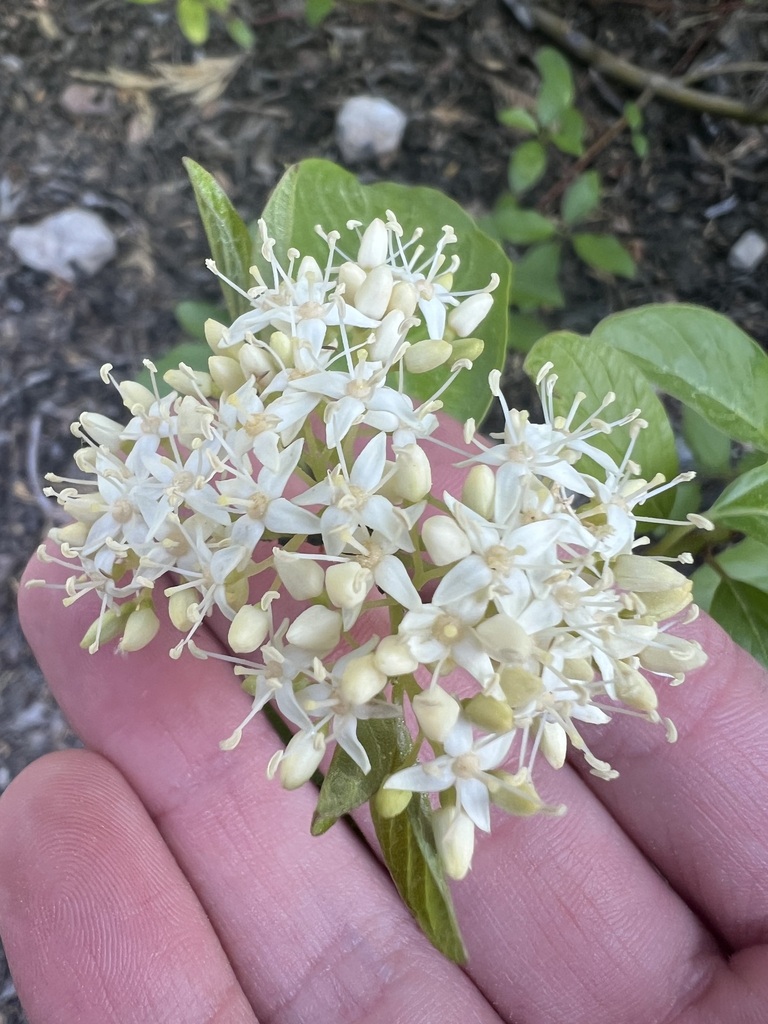
- Red Osier Dogwood & Bebb’s Willow:
- Soil: Clay or Silty Clay. * Condition: They need high moisture and can survive in “anaerobic” (low oxygen) soil where water sits for long periods.
- Yellow Lady’s Slipper (Orchid):
- Soil: Requires a very specific moist, loamy soil with high organic content and a relationship with soil fungi.
4. The Prairie Survivors (Tough Wildflowers & Grasses)
These plants are adapted to the “C Horizon”—the raw glacial till left behind by the ice age.
- Goldenrods, Asters, Yarrow, Fleabane:
- Soil: Sandy to Loamy.
- Nutrients: They are low-demand plants. Too much nitrogen actually makes them “leggy” and weak. They thrive on the natural mineral balance of the prairies.
- Needle-and-Thread Grass & Prairie Junegrass:
- Soil: Sandy. They need the air pockets found in coarse sand to keep their roots healthy.
Summary Table: Soil “Wishlist”
- Soil: Sandy. They need the air pockets found in coarse sand to keep their roots healthy.
| Plant Group | Texture Preference | Primary Nutrient Need | pH Preference |
| Nitrogen Fixers (Alfalfa/Caragana) | Sandy/Loamy | Phosphorus (P) | Alkaline (High pH) |
| Conifers (Pine/Spruce) | Well-drained Sand | Potassium (K) | Slightly Acidic |
| Deciduous Trees (Ash/Elm) | Heavy Clay/Loam | Nitrogen (N) | Neutral to Alkaline |
| Wildflowers (Asters/Goldenrod) | Gritty Sand/Silt | Low Nutrients | Neutral |
| Wetland Shrubs (Willow/Dogwood) | Heavy Clay | High Moisture | Neutral |
Why this matters for the Citizen Scientists:
When you use iNaturalist to record these plants, look at the soil around them. When you examine the soil, realize that the plants around you are also helping you to “read” the soil characteristics. If you see Silver Buffaloberry, you are likely in a spot with high Nitrogen-fixing potential. If you see Blue Spruce, the soil is likely better drained. The plants are essentially “living labels” for the soil types beneath your feet!
Which of these plants are you most excited to hunt for during your walk and exploration?
Why this matters for Naturalists:
When you use iNaturalist to record these plants, look at the soil around them. If you see Silver Buffaloberry, you are likely in a spot with high Nitrogen-fixing potential. If you see Blue Spruce, the soil is likely better drained. The plants are essentially “living labels” for the soil types beneath your feet!
Which of these plants are you most excited to hunt for during the walk?
Living Labels: What Wildflowers Tell Us About the Earth
| Plant Name | Soil Texture | pH Preference | Key Nutrients / Conditions |
| Nitrogen Fixers | |||
| Wild Licorice, Alfalfa, Caragana, Sweetclover, Vetch | Sandy to Loam | Alkaline (pH 7.0+) | Phosphorus (P); Fixes its own Nitrogen (N). |
| Silver Buffaloberry | Sandy/Gravelly | Neutral to Alkaline | Fixes Nitrogen; very drought tolerant. |
| Siberian Peashrub | Loamy/Sandy | Very Adaptable | High Potassium (K) for winter hardiness. |
| Conifers (Evergreens) | |||
| Scots Pine, White/Blue Spruce | Sandy/Well-drained | Slightly Acidic to Neutral | Needs Potassium; sensitive to high salt. |
| Deciduous Trees | |||
| Green Ash, American Elm | Clay to Loam | Neutral to Alkaline | High Nitrogen for leaf growth; clay tolerant. |
| Siberian Elm | Sandy to Clay | Very Adaptable | Extremely hardy; tolerates poor, dry soils. |
| Quaking Aspen, Bur Oak | Loamy | Neutral | High Organic Matter (Humus); needs deep soil. |
| Box Elder (Manitoba Maple) | Moist Loam | Neutral to Alkaline | Loves Nitrogen; tolerates seasonal flooding. |
| Fruit-Bearing Shrubs | |||
| Saskatoon, Chokecherry, Silverberry | Loamy to Sandy | Neutral | Needs Phosphorus for flowering and fruiting. |
| Red Osier Dogwood, Willows | Clay/Heavy Silt | Neutral | High Moisture; tolerates wet, heavy clay. |
| Western Snowberry, Roses | Loamy | Neutral to Alkaline | Adaptable; thrives in the A Horizon. |
| Wildflowers & Forbs | |||
| Goldenrods, Asters, Fleabane, Yarrow | Sandy to Loam | Neutral to Alkaline | Low nutrient needs; thrives in mineral-rich soil. |
| Sunflowers (Helianthus) | Loamy | Neutral | High Nitrogen and Potassium seekers. |
| Yellow Lady’s Slipper (Orchid) | Rich Loam | Neutral | Needs Mycorrhizal fungi and high organic matter. |
| Grasses & Others | |||
| Smooth Brome, Crested Wheatgrass | Loamy to Clay | Neutral to Alkaline | High Nitrogen response; very competitive. |
| Little Bluestem, Needle-and-Thread | Sandy | Neutral | Requires high Pore Space (oxygen) in soil. |
| Mosses (Feather/Tamarisk) | Organic Surface | Slightly Acidic | Requires a stable O Horizon (leaf litter). |
Key Takeaways for being out in the forest
- The “Nitrogen Factory”: Notice how many of your listed plants (Alfalfa, Caragana, Buffaloberry, Vetch) are Nitrogen fixers. These plants are working to “build” the soil with high nitrogen.
- Alkalinity: Most of these species are selected for their ability to handle Calcium Carbonate (Lime) in the soil, which is a hallmark of the Saskatoon “C Horizon.”
- Texture Matters: You will find the Willows and Dogwoods in the low spots (more clay/water) and the Pines and Needle Grass on the higher, sandier ridges.
By identifying the plant, you are essentially identifying the “hidden” chemistry of the soil beneath it.
Think of it as a two-way conversation between the earth and the sky: by identifying a plant, you are essentially reading a “chemical map” of the hidden soil layers beneath it. Conversely, by exploring the soil’s texture, and color and therefore its mineral content, you can predict exactly which species are best adapted to thrive there, turning a simple patch of dirt into a prediction for the entire habitat.
The Symbiotic Connection
Here are two ways to look at that relationship:
- Plants as Bio-Indicators: If you see Silver Buffaloberry or Caragana, the “hidden chemistry” is a lack of nitrogen; these plants act as the soil’s natural fertilization team. If you see Red Osier Dogwood, the soil is whispering that it is heavy, wet, and oxygen-poor.
- Soil as a Habitat Blueprint: When you dig a small pit and find a gritty, pale C Horizon, you’ve discovered a site where only drought-tolerant “pioneer” species like Needle-and-Thread Grass can survive. The soil’s high lime content acts as a gatekeeper, choosing the specific residents of the Richard St. Barbe Baker Afforestation Area.
- City Nature Challenge Events Apr 24, 2026 – Apr 27, 2026
- CNCYXE 2026
- City Nature Challenge Project on iNaturalist



Part SE 23-36-6 – Richard St. Barbe Baker Afforestation Area – 241 Township Road 362-A
Part SE 23-36-6 – SW Off-Leash Recreation Area (Richard St. Barbe Baker Afforestation Area ) – 355 Township Road 362-A
S ½ 22-36-6 Richard St. Barbe Baker Afforestation Area (West of SW OLRA) – 467 Township Road 362-A
NE 21-36-6 “George Genereux” Afforestation Area – 133 Range Road 3063
Wikimapia Map: type in Richard St. Barbe Baker Afforestation Area or
Google Maps South West Off Leash area location pin at parking lot
Web page: https://stbarbebaker.wordpress.com
Where is the Richard St. Barbe Baker Afforestation Area? with map
Where is the George Genereux Urban Regional Park (Afforestation Area)?with map
Blogger: FriendsAfforestation
Tumblr friendsafforestation.tumblr.comFacebook Group Page: Users of the George Genereux Urban Regional Park
Facebook: StBarbeBaker Afforestation Area
Facebook for the non profit Charity Friends of the Saskatoon Afforestation Areas Inc. FriendsAreas
Facebook group page : Users of the St Barbe Baker Afforestation Area
Support via Zeffy
Please help protect / enhance your afforestation areas, please contact the Friends of the Saskatoon Afforestation Areas Inc. (e-mail / e-transfers )
Donate your old vehicle, here’s how!
Support using Canada Helps
Support via a recycling bottle donation and Join the plastic-recycle challenge!
United Nations Decade on Ecosystem Restoration
- Use the UN Decade’s Visual Identity
- Make it your own
- Spread the word about the UN Decade
- Let’s Bring Back Forests
- Let’s Green Our Cities
““Be like a tree in pursuit of your cause. Stand firm, grip hard, thrust upward. Bend to the winds of heaven..”
 Forests of Memory. Forests of Learning. Forests for Life.