

In the stillness of a bustling city, where the hum of human activity drowns out the more delicate sounds of nature, it’s easy to forget that the world around us is teeming with life. But even here, in what seems like an urban wilderness, nature’s invisible threads are quietly holding everything together. Yet, as the shadow of human progress continues to spread across the land, we are witnessing what some have called the silent extinction of species—an ongoing loss of life that echoes through every corner of our ecosystems. Insects, often overlooked and dismissed as insignificant, are among the most affected in this vast tapestry of decline.


Naturalists know that every living thing on this planet is intricately connected, and the loss of one will ripple through the entire web of life.” This is the essence of biodiversity: the understanding that species do not exist in isolation. When one vanishes, it triggers a chain reaction that reverberates across the ecosystem. And it is this interconnectedness that we are losing, often without even noticing.
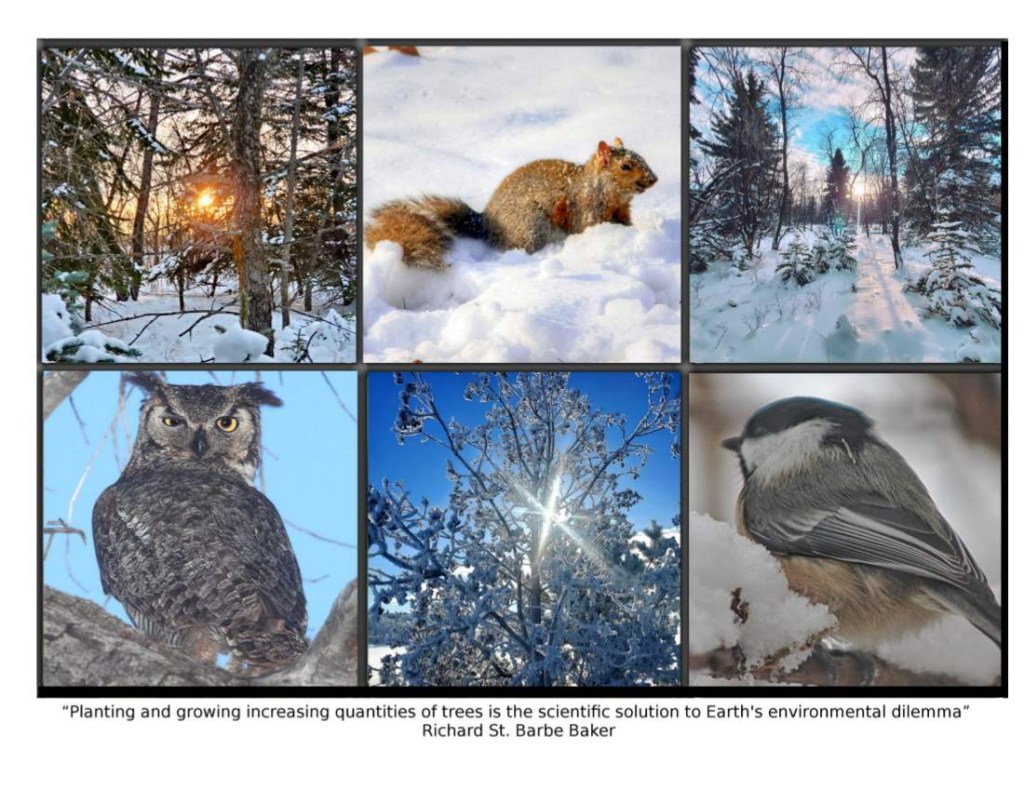
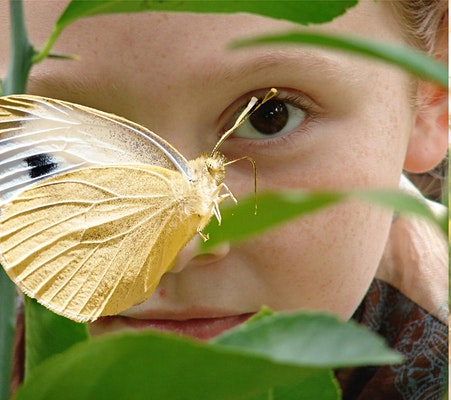
The decline of insects is perhaps one of the most concerning aspects of this global extinction event. Insects are “bird food on wings.” Insects, with their humble and often unnoticed roles, are vital to the survival of countless species—especially birds. Consider this: 96 percent of bird species would not survive without insects. A single clutch of four to six chickadee chicks requires between 6,000 to 9,000 insects to feed and sustain them. Without insects, the delicate balance of our ecosystems would unravel.
Yet, as we bulldoze through habitats, turning parking lots, housing developments, and shopping centers into concrete jungles, we fail to recognize that these once-thriving natural spaces were home to a multitude of creatures. “At some point,” as entomologist Droege says, “if you go back far enough, that was great natural habitat.” Our cities, towns, and suburbs are, in many ways, built on the remnants of what once was—habitats teeming with life. And now, as the pace of development accelerates, we’re losing what little remains.
The numbers are staggering. During this insect apocalypse, with over 40% of insect species are in decline, with a third already endangered. The rate of their extinction is now eight times faster than that of mammals, birds, and reptiles. And if we don’t change the way we approach food production, insects—those small but mighty creatures—could vanish entirely within a few decades.
This, of course, is part of a larger pattern. The Holocene extinction—or Anthropocene extinction, as it is increasingly known—spans not only insects but also mammals, birds, amphibians, and even fungi. Human activities, from deforestation to industrial farming to the burning of fossil fuels, have set in motion an extinction event that is unlike anything the Earth has seen before. In just the past 100 to 200 years, biodiversity loss has reached such alarming levels that we now stand on the precipice of what some scientists call the sixth mass extinction.
And yet, there is still so much we don’t know. In Saskatchewan, for example, there is a critical lack of data on the fungi species that call this province home. Organizations like SARA, COSEWIC, and the SCDC have not been able to categorize many of these species, leaving them vulnerable and unprotected. This gap in knowledge means that the very species that could help mitigate the impacts of this extinction event—by supporting ecosystems, maintaining soil health, and cycling nutrients—are at risk of disappearing unnoticed. This is where you come in. Citizen scientists, like you, can help fill this knowledge gap by documenting fungi, insects, and other species that are crucial to our understanding of the natural world.
As Richard St. Barbe Baker, a visionary in the fight to conserve the world’s forests, once said, “ This generation may either be the last to exist in any semblance of a civilised world or that it will be the first to have the vision, the bearing and the greatness to say, ‘I will have nothing to do with this destruction of life, I will play no part in this devastation of the land, I am determined to live and work for peaceful construction for I am morally responsible for the world of today and the generations of tomorrow.’ “ The extinction of species is not inevitable—it is a consequence of human action. But through awareness, collaboration, and a deeper connection to nature, we can begin to reverse the damage we have caused.
Together, we can become stewards of the land, safeguarding the intricate web of life that sustains us all. Every small action—whether it’s planting a tree, documenting an insect, or protecting a patch of wild grass—contributes to a larger movement of conservation and recovery. Did you know that the temperate grasslands here in the Saskatoon ecoregion are “the most endangered ecosystem” worldwide? The fate of the species, and of the ecosystems that support them, lies in our hands. Will we continue down the path of destruction, or will we choose to protect and restore the natural world for future generations? The choice is ours, and the time to act is now. What can I do?
The Extinction of Experience: How Citizen Science is Reviving Our Connection to Nature
In today’s bustling cities, the nature that surrounds us often goes unnoticed, hidden in plain sight. As urban life continues to evolve, the green spaces that once provided a close connection to nature are now overlooked or ignored. Parks, gardens, vacant lots, and even the cracks in the pavement host ecosystems rich with life—yet many residents are “blind” to the biodiversity thriving right under their noses. This disconnection from the natural world is not just an oversight; it’s a trend that experts call “the extinction of experience,” where our fading relationship with nature reduces both our appreciation and our desire to protect it.
To reverse this trend and engage urban dwellers in conservation efforts, there are opportunities to participate in activities like the City Nature Challenge and bioblitzes. A bioblitz is a community-driven event where people come together to observe and document as many species as possible within a specific area and time frame. It’s an invaluable tool for collecting data on biodiversity, as it brings people into direct contact with nature and encourages them to share their observations, often through free apps like iNaturalist.
Engaging with iNaturalist allows anyone to document and share sightings of local flora, fauna, fungi, and even signs of life such as tracks, scat, or nests. This not only enhances our awareness of the biodiversity around us but also helps scientists track the presence and health of different species. Early detection of invasive species, which threaten local ecosystems, is another crucial reason why participating in these citizen science activities matters. Invasive species can spread rapidly, disrupting native habitats, but by identifying them early, we can respond before they become a significant problem.
The power of citizen science is simple yet profound: you cannot protect what you don’t know. Every observation, whether of an insect or an urban “weed,” contributes valuable data to conservation efforts, allowing scientists and local authorities to monitor ecosystems, identify species at risk, and formulate strategies to protect them. Participating in bioblitzes and the City Nature Challenge provides a hands-on opportunity to reconnect with the natural world while contributing to efforts to conserve it.
As we rediscover and engage with the biodiversity around us, we can begin to restore our connection to nature and work together to protect the species that share our urban spaces. By fostering this sense of community and stewardship, we help ensure that our cities remain vibrant, sustainable, and full of life for generations to come.
With heartfelt gratitude and appreciation, we are pleased to share that the City Nature Challenge in Saskatoon is hosted by the Friends of the Saskatoon Afforestation Areas Inc., with generous sponsorship from SaskPower and SaskTel. Thank you for your invaluable support in making this event possible!
For directions as to how to drive to “George Genereux” Urban Regional Park
For directions on how to drive to Richard St. Barbe Baker Afforestation Area
For more information:
NEW P4G District Official Community Plan
Richard St. Barbe Baker Afforestation Area is located in Saskatoon, Saskatchewan, Canada north of Cedar Villa Road, within city limits, in the furthest south west area of the city. 52° 06′ 106° 45′
Addresses:
Part SE 23-36-6 – Richard St. Barbe Baker Afforestation Area – 241 Township Road 362-A
Part SE 23-36-6 – SW Off-Leash Recreation Area (Richard St. Barbe Baker Afforestation Area ) – 355 Township Road 362-A
S ½ 22-36-6 Richard St. Barbe Baker Afforestation Area (West of SW OLRA) – 467 Township Road 362-A
NE 21-36-6 “George Genereux” Afforestation Area – 133 Range Road 3063
Wikimapia Map: type in Richard St. Barbe Baker Afforestation Area
Google Maps South West Off Leash area location pin at parking lot
Web page: https://stbarbebaker.wordpress.com
Where is the Richard St. Barbe Baker Afforestation Area? with map
Where is the George Genereux Urban Regional Park (Afforestation Area)?with map
Blogger: FriendsAfforestation
Tumblr friendsafforestation.tumblr.comFacebook Group Page: Users of the George Genereux Urban Regional Park
Facebook: StBarbeBaker Afforestation Area
Facebook for the non profit Charity Friends of the Saskatoon Afforestation Areas Inc. FriendsAreas
Facebook group page : Users of the St Barbe Baker Afforestation Area
Twitter: St Barbe Baker Charity Twitter:FriendsAreas
Support via Zeffy
Please help protect / enhance your afforestation areas, please contact the Friends of the Saskatoon Afforestation Areas Inc. (e-mail / e-transfers )
Donate your old vehicle, here’s how!
Support using Canada Helps
Support via a recycling bottle donation and Join the plastic-recycle challenge!
United Nations Decade on Ecosystem Restoration
- Use the UN Decade’s Visual Identity
- Make it your own
- Spread the word about the UN Decade
- Let’s Bring Back Forests
- Let’s Green Our Cities
““Be like a tree in pursuit of your cause. Stand firm, grip hard, thrust upward. Bend to the winds of heaven..”
Richard St. Barbe Baker





 Forests of Memory. Forests of Learning. Forests for Life.