Guardians of the Elms: Saskatoon’s Ecological Emergency

The elm, with its sweeping arch of green, has long been the cathedral tree of our northern cities. Its vaulted canopy shades our streets, cools our homes, and whispers to us of continuity with nature. In Saskatoon, nearly a quarter of the urban forest is elm—a treasure beyond measure. In the afforestation areas, too, Siberian Elms, and American Elms are a great portion of the canopy. Yet today, we face a dire crisis. The City has declared an ecological emergency as Dutch elm disease spreads with alarming speed. How to Identify an Elm. How to Spot Dutch Elm Disease Symptoms.

This is no ordinary ailment. Dutch elm disease (DED) is a ruthless invader, a fungus—Ophiostoma ulmi and its more virulent cousin Ophiostoma novo-ulmi—that enters the tree’s veins and clogs them, cutting off life itself. The carriers are small, inconspicuous elm bark beetles. On their wings, they bear spores like unwelcome cargo. Seeking places to lay their eggs, they search for damaged elm—pruned in the wrong season, broken by storm, or cut for careless firewood. From there, death marches through the canopy.

Richard St. Barbe Baker, silviculturist (forest doctor) has seen many forests suffer, but few plagues advance as swiftly as this. A tree that stood proudly in May may be yellowed and withered by August, its crown shriveling, its roots starving. So entire boulevards may fall silent, their green vaults gone, sunlight harsh and unbroken upon the pavement.

The Call to Action

The City has confirmed a record twelve cases this summer—more than ever before. Seven more trees show unmistakable signs and will be removed. Already, over 8,700 kilograms of elm wood have been gathered and destroyed, yet more remains.

Thai Hoang, Director of Parks, sounded the alarm plainly: “Do not store elm wood on your property. Do not burn it in your fire pit. About a quarter of our forest canopy is elm. This is not a minor issue—it is an ecological emergency.”

Indeed, the beetle thrives in neglected woodpiles. Every log, every stored branch, is a breeding ground. To keep elm wood is to endanger the very heart of our city.

Best Practices for Guardianship

We who love trees must become their guardians. There are simple yet essential practices:

  • Never transport or store elm wood. Dispose of it only at the City landfill, where handling is safe and free.
  • Obey the provincial pruning ban between April 1 and August 31. Fresh cuts draw the beetles like moths to a flame.
  • Water wisely. From April until mid-August, water deeply. Then let the trees harden for winter, with one or two final soakings before freeze-up.
  • Prune in very early spring. At that time, wounds heal quickly, and beetles are less active.
  • Maintain soil and roots. Fertilize thoughtfully, protect roots from damage during construction, and mulch well to prevent mower injury.

The elm is resilient if cared for. But neglect is its undoing.

The Mystery of the Survivor Elms

Yet even in this dark time, there is hope. Researchers tell us of survivor elms—trees that, though surrounded by the dying, endure. These are not unlike people who endured the scourge of COVID-19. Those with co-morbidities fared worse, while the strong sometimes resisted. So it is with elms. Healthy, vigorous trees may overcome where weakened ones fail.

In Minnesota and elsewhere, researchers funded by the MITPPC are studying these survivor trees, seeking to propagate their resilience. Early-flushing clones, resistant hybrids, and cultivars like Valley Forge, Prairie Expedition, and Jefferson may offer us a new generation of elms. Some of these hybrids draw strength from Asian species, which co-evolved with the fungus and are far less susceptible.

This is the field of hope: not only to protect the present, but to plant a future forest of resistance.

A Plea for Stewardship

Let us remember: the elm is more than wood and leaves. It is a shelter for birds, a fortress against wind, a cooling balm in summer, a companion in our daily walk. To lose it is to lose part of ourselves.

As Richard St. Barbe Baker often said, “if a man loses one-third of his skin he dies; if a tree loses one third of its bark, it too dies. If the Earth is a ‘sentient being’, would it not be reasonable to expect that if it loses one third of its trees and vegetable covering, it will also die?” The elm has stood beside us for generations; now we must stand for it.

The emergency in Saskatoon is real, but it need not be the end. With vigilance, with science, with love, and with law, we can yet preserve these cathedral trees. And in time, with resistant cultivars and survivor elms, we may restore what is lost.

But only if we act—together, now.

“The minimum for safety is one third of the total land area. I think what is happening to the elms must be alerting the whole country to the necessity of trees, of the need for more trees. The elm has the largest leaf surface of any tree in Britain. If you …. put the leaves together edge to edge, they would cover ten acres. So naturally, the first tree to suffer from air pollution was the elm and, of course, when an elm is suffering from fatigue it is subject to attack by disease: the elm bark beetle, the carrier of the elm fungus, comes along and the tree succumbs.

I look at it this way. If a person is living a normal life and not abusing themselves – not smoking too much, not eating too much, not drinking too much – but living normally and eating the right food – they will be fit and well. It is only when they start abusing themselves that they are prone to attack by disease. It is the same with trees.

The next tree to go (the next tree with the largest leaf surface after the elm) is probably the beech: after that the sycamore: and so on. Finally it will be Man’s turn. We forget that we owe our existence to the presence of trees and as far as forest cover goes, we have never been in such a vulnerable position as we are today. The only answer is to plant more trees – to plant for our lives.
Richard St. Barbe Baker answers the first question above” Richard St. Barbe Baker.


Bibliography


Addresses:

Part SE 23-36-6 – Richard St. Barbe Baker Afforestation Area – 241 Township Road 362-A

Part SE 23-36-6 – SW Off-Leash Recreation Area (Richard St. Barbe Baker Afforestation Area ) – 355 Township Road 362-A

S ½ 22-36-6 Richard St. Barbe Baker Afforestation Area (West of SW OLRA) – 467 Township Road 362-A

NE 21-36-6 “George Genereux” Afforestation Area – 133 Range Road 3063

Wikimapia Map: type in Richard St. Barbe Baker Afforestation Area or

Google Maps South West Off Leash area location pin at parking lot

Web page: https://stbarbebaker.wordpress.com

Where is the Richard St. Barbe Baker Afforestation Area? with map

Where is the George Genereux Urban Regional Park (Afforestation Area)?with map

Pinterest richardstbarbeb

Blogger: FriendsAfforestation

Tumblr friendsafforestation.tumblr.comFacebook Group Page: Users of the George Genereux Urban Regional Park

Facebook: StBarbeBaker Afforestation Area

Facebook for the non profit Charity Friends of the Saskatoon Afforestation Areas Inc. FriendsAreas

Facebook group page : Users of the St Barbe Baker Afforestation Area

Facebook: South West OLRA

Reddit: FriendsAfforestation

BlueSky Social

Mix: friendsareas

YouTube

Support via Zeffy

Please help protect / enhance your afforestation areas, please contact the Friends of the Saskatoon Afforestation Areas Inc. (e-mail / e-transfers )

Donate your old vehicle, here’s how!  

Support using Canada Helps

Support via a recycling bottle donation and Join the plastic-recycle challenge!

United Nations Decade on Ecosystem Restoration

““Be like a tree in pursuit of your cause. Stand firm, grip hard, thrust upward. Bend to the winds of heaven..”

Richard St. Barbe Baker

How to Identify an Elm

To stand as guardians of the elm, we must first know how to recognize it. The elm (Ulmus genus) is among the most graceful of trees, with hallmarks that set it apart from all others. How to Spot Dutch Elm Disease Symptoms. Guardians of the Elm. Saskatoon’s Ecological Emergency!

1. The Shape

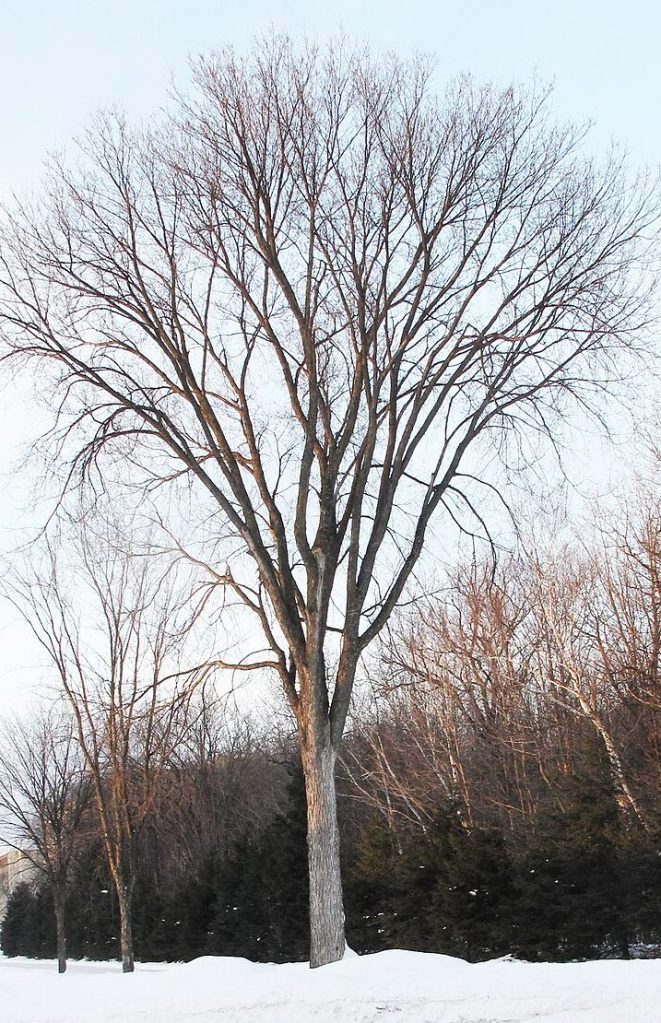
The American elm, our most familiar, forms a vase-like silhouette. The trunk rises tall and straight, then branches arch outward and upward, meeting high above the street like the roof of a Gothic cathedral. From a distance, this vaulting canopy is unmistakable.

Elm Silhouette:
Silhouette of an American elm (Ulmus americana), its tall trunk rising into a graceful, vase-like form. The arching branches sweep upward and outward, creating a broad, fan-shaped crown that spreads wide like an open canopy, a classic hallmark of the species.
Elm Silhouette: Silhouette of an American elm (Ulmus americana), its tall trunk rising into a graceful, vase-like form. The arching branches sweep upward and outward, creating a broad, fan-shaped crown that spreads wide like an open canopy, a classic hallmark of the species.

2. The Leaves

Elm leaves are simple, oval, and finely toothed along the edge. They have a distinct asymmetrical base—one side of the leaf blade longer than the other where it meets the stem. This “uneven foot” is a true signature. The veins are bold and parallel, running straight from the midrib to each tooth of the margin.

3. The Bark

On young elms, bark is smooth and gray. As the tree matures, the bark becomes dark, deeply furrowed, and rough to the touch. These ridges may twist and interlace, giving the trunk an ancient, rugged strength.

Close-up of an American elm (Ulmus americana) trunk, showing the characteristic gray-brown bark with a distinctive lattice-like pattern of intersecting ridges and furrows. Other identifiable features include irregular, rough-textured plates and shallow fissures that run both vertically and horizontally along the trunk, giving the elm its iconic textured appearance.

4. The Seeds

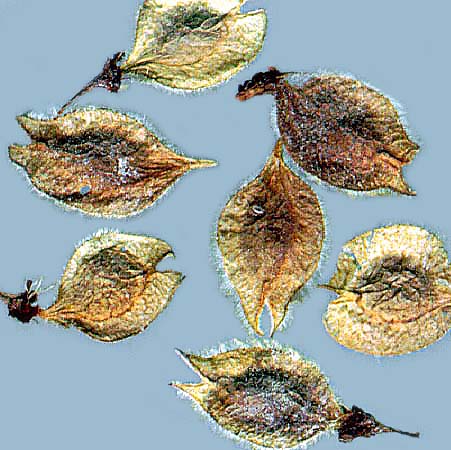
Elms produce seeds in spring, often in great abundance. Each seed is round and flat, encased in a papery wing (a samara) that spins through the air like a coin tossed by the wind.

Close-up of American elm (Ulmus americana) seeds showing the small, oval to slightly round seed bodies. The surface is smooth to lightly textured, with a central embryo visible within each seed.
Courtesy Gmihail, CC BY 3.0
Close-up of American elm (Ulmus americana) seeds showing the small, oval to slightly round seed bodies. The surface is smooth to lightly textured, with a central embryo visible within each seed. Courtesy Gmihail, CC BY 3.0

5. Species in Saskatoon

In our city, you may encounter:

  • American elm (Ulmus americana) – the classic vase-shaped elm, most common in boulevards.
  • Siberian elm (Ulmus pumila) – smaller, faster-growing, but brittle; often used in shelterbelts.
  • Japanese elm (Ulmus japonica) – less common, sometimes planted as a hardy ornamental.

Siberian Elm (Ulmus pumila)

  • Buds: Tiny, dark, and rounded, resembling peppercorns with a flaky outer layer; 3 or more overlapping scales.
  • Twig: Young twigs hairy to sparsely hairy, initially green, maturing to gray-brown.
  • Bud Size: About 1/8 inch long; purplish-brown scales somewhat hairy, especially at the edges.

American Elm (Ulmus americana)

  • Buds: Oval-shaped with a pointed tip, scale-like pattern; projected in the same direction as the subtending branch.
  • Twig: Young twigs brown, hairy or smooth.
  • Bud Color & Texture: Brown with reddish scales, somewhat hairy at edges; longer and less squat than Siberian elm buds.

Key Differences:

  • Siberian elm buds are round and peppercorn-like; American elm buds are oval and pointed.
  • Siberian elm twigs are initially green, American elm twigs are brown.
  • Bud projection: American elm buds grow aligned with the branch, while Siberian elm buds are more rounded and sitting atop the twig.

Why It Matters

Elm bark beetles do not discriminate between species. All are vulnerable to Dutch elm disease. By learning to recognize these noble trees, you can help watch over them, notice early symptoms of DED, and take steps to protect Saskatoon’s canopy.

Did you Know?

“The City of Saskatoon started a unique project for the prairies called Afforestation, of “Man-made Forest”…aimed at improving the future environment of the City. The selection of plant material is based on the soil types, lay of the land, and type of planting scheme.

The following tree species were used:

American and Siberian Elm, Manitoba Maple, Green Ash, Poplar, Willow, Colorado Spruce, Scotch Pine and Caragana.” from a report written by A.L. Ligtermoet Assistant Parks Superintendent, City of Saskatoon. January 4, 1974 CoS archives.

These afforestation areas became known as Richard St. Barbe Baker Afforestation Area and George Genereux Urban Regional Park.


“To know a tree by name is the beginning of kinship. And when we know the elm, we see in it not just a tree, but a guardian of the land.”


“The minimum for safety is one third of the total land area. I think what is happening to the elms must be alerting the whole country to the necessity of trees, of the need for more trees. The elm has the largest leaf surface of any tree in Britain. If you …. put the leaves together edge to edge, they would cover ten acres. So naturally, the first tree to suffer from air pollution was the elm and, of course, when an elm is suffering from fatigue it is subject to attack by disease: the elm bark beetle, the carrier of the elm fungus, comes along and the tree succumbs.

I look at it this way. If a person is living a normal life and not abusing themselves – not smoking too much, not eating too much, not drinking too much – but living normally and eating the right food – they will be fit and well. It is only when they start abusing themselves that they are prone to attack by disease. It is the same with trees.

The next tree to go (the next tree with the largest leaf surface after the elm) is probably the beech: after that the sycamore: and so on. Finally it will be Man’s turn. We forget that we owe our existence to the presence of trees and as far as forest cover goes, we have never been in such a vulnerable position as we are today. The only answer is to plant more trees – to plant for our lives.
Richard St. Barbe Baker answers the first question above” Richard St. Barbe Baker.


Addresses:

Part SE 23-36-6 – Richard St. Barbe Baker Afforestation Area – 241 Township Road 362-A

Part SE 23-36-6 – SW Off-Leash Recreation Area (Richard St. Barbe Baker Afforestation Area ) – 355 Township Road 362-A

S ½ 22-36-6 Richard St. Barbe Baker Afforestation Area (West of SW OLRA) – 467 Township Road 362-A

NE 21-36-6 “George Genereux” Afforestation Area – 133 Range Road 3063

Wikimapia Map: type in Richard St. Barbe Baker Afforestation Area or

Google Maps South West Off Leash area location pin at parking lot

Web page: https://stbarbebaker.wordpress.com

Where is the Richard St. Barbe Baker Afforestation Area? with map

Where is the George Genereux Urban Regional Park (Afforestation Area)?with map

Pinterest richardstbarbeb

Blogger: FriendsAfforestation

Tumblr friendsafforestation.tumblr.comFacebook Group Page: Users of the George Genereux Urban Regional Park

Facebook: StBarbeBaker Afforestation Area

Facebook for the non profit Charity Friends of the Saskatoon Afforestation Areas Inc. FriendsAreas

Facebook group page : Users of the St Barbe Baker Afforestation Area

Facebook: South West OLRA

Reddit: FriendsAfforestation

BlueSky Social

Mix: friendsareas

YouTube

Support via Zeffy

Please help protect / enhance your afforestation areas, please contact the Friends of the Saskatoon Afforestation Areas Inc. (e-mail / e-transfers )

Donate your old vehicle, here’s how!  

Support using Canada Helps

Support via a recycling bottle donation and Join the plastic-recycle challenge!

United Nations Decade on Ecosystem Restoration

““Be like a tree in pursuit of your cause. Stand firm, grip hard, thrust upward. Bend to the winds of heaven..”

Richard St. Barbe Baker

Let the iNaturalist Adventures Begin: Fun, Funny, and Fabulous Nature Discoveries Await!

If you think a walk in the park is just a walk in the park, think again. Imagine being out in nature, and instead of simply passing by the usual suspects – birds, trees, and flowers – you’re discovering bizarre, hilarious, and downright quirky creatures that are just waiting for you to spot them. Well, that’s where iNaturalist comes in. Whether you’re an experienced nature enthusiast or just someone who loves a good laugh, iNaturalist is your new best friend for fun-filled, sometimes wacky, outdoor exploration!

Let’s face it: the natural world is filled with endless surprises, and a simple nature hike can turn into an adventure full of laughs, discoveries, and, of course, some serious “what in the world?” moments. And this April, as we celebrate the 55th birthday of Earth Month and the 10th anniversary of the City Nature Challenge (April 25 – 28, 2025), there’s no better time to step outside and start your own journey of discovery.

Why iNaturalist?

Imagine you’re strolling through a meadow, and you spot a flower that’s not quite like any other – it’s vibrant, it’s strange, and it’s demanding to be admired. Now, imagine having the power to instantly identify that flower, learn its scientific name, and share your discovery with a global community of nature enthusiasts. That’s iNaturalist for you – a brilliant app that lets you document, identify, and explore the wonders of nature, all while contributing to science. It’s as simple as snapping a picture of your find and letting the app and its user community help you figure out what it is.

The Fun of iNaturalist: Hilarious Nature Hike Ideas

While observing nature for the City Nature Challenge, you’ll encounter the usual suspects like plants, animals, and fungi. But here are a few quirky, hilarious, and delightful ideas you can look out for on your hike – the kinds of observations that will leave you giggling and possibly even questioning how weird and wonderful the natural world truly is.

  • Not Your Average Wildlife Photography: Forget perfect wildlife shots – capture the hilarious moments when an animal is mid-sneeze or caught in a very awkward pose. (Hey, it’s not all about the majestic lion shots, right?)
  • The Gross but Cool Initiative: Let’s be real – sometimes nature is gross, but that’s exactly what makes it cool. Think slime molds, creepy crawlers, or fungi that look like they belong in a science fiction movie. Gross? Yes. Cool? Absolutely.
  • Splendid but Strange Wildflowers: Nature’s flowers are wonderful, but have you ever noticed those oddball wildflowers that don’t quite fit in? The ones with colors that seem to have been picked from the wrong palette, or petals that look like they were designed in a different dimension.
  • The Most Ridiculous Roadside Flora: You know that random plant growing on the side of the road that looks like it’s trying a little too hard to impress? (please be careful around traffic) Maybe it’s overachieving with a bit too much purple, or perhaps it’s flaunting a bizarre leaf arrangement – either way, it’s ripe for a photo!
  • Funky Fungi of the Day: Mushrooms come in all shapes, sizes, and colors, and some of them look like they belong in a cartoon rather than the forest floor. Keep your eyes peeled for the most bizarre fungi you can find – there’s always something funky lurking beneath the leaves!
  • The Weird World of Water Bugs: If you’re lucky enough to spot some water bugs in action, be prepared to be amazed by their aquatic acrobatics. These little creatures scuttle across water with such style that you’ll wonder if they’re secretly training for a water bug Olympics.
  • Superheroes of the Animal Kingdom: Ever wondered which critters have their own superpowers? Look no further than ants lifting 50 times their body weight, or birds that can communicate across miles with their calls. Nature is full of underappreciated superheroes!
  • Stuffed Animal Mimics: Some animals are so good at camouflaging that they look like stuffed animals. You’ll laugh when you find one that’s pretending to be a log or a rock—nature’s ultimate game of “Hide and Seek.”
  • The Antics of Ants: Ants are always up to something, whether they’re having a heated argument over food or forming impressive highways across the ground. Their teamwork is so impressive you might start rooting for them like they’re your favorite sports team!
  • Mammals Who Never Quite Got the Memo: Ever come across a squirrel who doesn’t quite get the whole “forage and store food for winter” thing? Instead, it’s the kind of mammal who seems to think, “I’m just going to hang out and look cute while everyone else works.”
  • Flying Insects with Impressive Skills: From dragonflies who perform aerial stunts to butterflies that flutter around like they’re auditioning for a ballet, these flying creatures are putting on a show. Don’t forget to capture their artistic flair!
  • Weird Wildflower Sightings: Sometimes, wildflowers seem to grow in the oddest places – like between cracks in the sidewalk or on the side of a busy highway. These resilient little blooms can be found in the most unexpected corners, and they deserve to be celebrated!

The list goes on! There’s no shortage of hilarious, quirky, and downright heartwarming discoveries you’ll make when you’re keeping your eyes wide open in nature. And the best part? You can share them with the world using iNaturalist, and you might even learn a thing or two about the plants and animals around you. iNaturalist has a magical Vision Recognition Technology to provide suggestions to you about what organism you have observed, and the naming of same!

The City Nature Challenge (CNC) – Let the Adventure Begin!

The City Nature Challenge (April 25 – 28, 2025) is not just a time to observe nature; it’s a global event that’s all about having fun while learning and contributing to citizen science. You’ll have the chance to discover and document as many wild species as you can – from insects to fungi, to the plants and animals that call your neighborhood home.

There are even four free events coming up for the CNC YXE to help you get involved, learn more, and connect with other nature lovers. Whether you’re a seasoned citizen scientist or a first-time adventurer, there’s something for everyone to enjoy.

And with Earth Month coinciding with this milestone anniversary of the City Nature Challenge, it’s the perfect time to dive into the celebration, have fun, and contribute to a global initiative that encourages us all to get outside, observe, and document the amazing world around us.

How to Participate

  1. Create an iNaturalist Account: Download the iNaturalist app (available for both Apple and Android), and start documenting the species you find during the City Nature Challenge.
  2. Observe & Record: Between April 25 – 28, 2025, get outdoors and capture the incredible wildlife in your neighborhood. Record your findings using iNaturalist and share them with the global community.
  3. Help Identify: After you’ve uploaded your observations, help others by identifying their species between April 29 – May 4, 2025. It’s a collaborative effort to make our biodiversity data as accurate as possible.

Ready to Start?

Don’t wait! Download the iNaturalist app today and get ready for a fun-filled nature hike like no other. Whether you’re out in the wild or exploring your backyard, the City Nature Challenge gives you the chance to discover the weird, wonderful, and downright funny side of nature. The world of organisms is just waiting for you to explore, and we can’t wait to see what you discover!

Happy exploring, and happy Earth Month! 🌿

Come to Nature, Come to Life! …and there are free events!

For directions as to how to drive to “George Genereux” Urban Regional Park

For directions on how to drive to Richard St. Barbe Baker Afforestation Area

For more information:

Blairmore Sector Plan Report; planning for the Richard St. Barbe Baker Afforestation Area, George Genereux Urban Regional Park and West Swale and areas around them inside of Saskatoon city limits

NEW P4G District Official Community Plan

Richard St. Barbe Baker Afforestation Area is located in Saskatoon, Saskatchewan, Canada north of Cedar Villa Road, within city limits, in the furthest south west area of the city. 52° 06′ 106° 45′

Addresses:

Part SE 23-36-6 – Richard St. Barbe Baker Afforestation Area – 241 Township Road 362-A

Part SE 23-36-6 – SW Off-Leash Recreation Area (Richard St. Barbe Baker Afforestation Area ) – 355 Township Road 362-A

S ½ 22-36-6 Richard St. Barbe Baker Afforestation Area (West of SW OLRA) – 467 Township Road 362-A

NE 21-36-6 “George Genereux” Afforestation Area – 133 Range Road 3063

Wikimapia Map: type in Richard St. Barbe Baker Afforestation Area

Google Maps South West Off Leash area location pin at parking lot

Web page: https://stbarbebaker.wordpress.com

Where is the Richard St. Barbe Baker Afforestation Area? with map

Where is the George Genereux Urban Regional Park (Afforestation Area)?with map

Pinterest richardstbarbeb

Blogger: FriendsAfforestation

Tumblr friendsafforestation.tumblr.comFacebook Group Page: Users of the George Genereux Urban Regional Park

Facebook: StBarbeBaker Afforestation Area

Facebook for the non profit Charity Friends of the Saskatoon Afforestation Areas Inc. FriendsAreas

Facebook group page : Users of the St Barbe Baker Afforestation Area

Facebook: South West OLRA

Reddit: FriendsAfforestation

BlueSky Social

Mix: friendsareas

YouTube

Support via Zeffy

Please help protect / enhance your afforestation areas, please contact the Friends of the Saskatoon Afforestation Areas Inc. (e-mail / e-transfers )

Donate your old vehicle, here’s how!  

Support using Canada Helps

Support via a recycling bottle donation and Join the plastic-recycle challenge!

United Nations Decade on Ecosystem Restoration

““Be like a tree in pursuit of your cause. Stand firm, grip hard, thrust upward. Bend to the winds of heaven..”

Richard St. Barbe Baker

Get Ready for a Hilarious and Heartwarming Nature Adventure

Get Ready for a Hilarious and Heartwarming Nature Adventure with iNaturalist and the City Nature Challenge!

Here’s a sneak peek of some of the funniest and most entertaining nature observations you might encounter while participating in the City Nature Challenge (CNC YXE). These are just a few ideas to get you excited for the fun and unexpected moments that await you in nature:

  • Quirky Nature Facts: Did you know that a group of porcupines is called a “prickle”? It’s true! And so is the fact that some plants can “communicate” with each other when under threat by releasing chemicals. Nature has some seriously funny and bizarre secrets up its sleeve.
  • Funny Animal Tracks: Ever wonder what it would look like if a deer tried to moonwalk? (a great place for deer tracks is the afforestation areas of Saskatoon) Check out the hilarious tracks they leave behind, or the mysterious prints of creatures that seem to defy the laws of physics.
  • Unusual Animal Homes: From birds who make their nests in shoes to ants building homes in the most unassuming places, you’ll be surprised at what nature considers “real estate.”
  • Mysterious Creatures in Unexpected Places: Have you ever spotted a frog in a tree, a lizard lounging on a mailbox, or a mouse living in a garden gnome? Nature’s got a knack for surprising you with its eccentric choices of habitat.
  • The Fast and the Furious (Insects): Those dragonflies zooming around like they’re in a race are nature’s tiny speedsters. Who knew that bugs could give Formula 1 cars a run for their money?
  • Cutest Animal Faces in Nature: Some animals just have faces that will melt your heart—baby bunnies, rabbits, and even certain frogs seem to have been made to look downright adorable!
  • Organisms That Don’t Make Sense: The world of fungi and plants is full of creatures that seem to have no business existing—like mushrooms that look like brains or flowers that appear to be wearing little hats.
  • Backyard Bug Detectives: Channel your inner Sherlock Holmes and investigate the oddities of the insect world. Watch ants in action or see how bees gather nectar from flowers as if they’re working on a top-secret mission.
  • High-Style Animals: Ever catch a squirrel with an attitude, or a bird perched so proudly that you can’t help but admire its confidence? Nature has its own fashionistas.
  • Unexpected Plant-Human Relationships: Have you ever noticed how some plants seem to “reach” for your hand when you walk by? Nature definitely has a way of playing games with your imagination.
  • Outrageously Old Trees: There’s something awe-inspiring (and a little funny) about seeing a tree so ancient it has probably witnessed history firsthand. Imagine if they could talk!
  • Wild Creatures from Your Wildest Dreams: Ever see something so strange that you question whether it belongs in a fantasy novel? You may just stumble upon a creature you’ve never seen before—like a bug that looks like it walked straight out of a sci-fi film.
  • Crazy Creatures That Don’t Realize They’re Crazy: Ever seen a bird try to sing to its reflection at the wetlands or a squirrel trying to balance an entire acorn collection in one paw? Nature’s got some seriously quirky performers.
  • A Garden of Goofy Plants: Ever seen a plant that looks like it’s trying to do a dance move? Or perhaps a tree that seems to be leaning just a little too dramatically to the left? Mother Nature sure knows how to get creative.
  • Backyard Nature Observations That Made Us Laugh: Whether it’s a lopsided flower or a mole digging a hole in your garden just to pop out and look confused, your backyard can be a source of endless entertainment.
  • The Offbeat Adventures of Backyard Birds: Who knew that birds could be so silly? From pigeons trying to strut like peacocks to robins making impromptu dance moves, there’s always something going on when you pay attention to the feathered creatures around you.
  • Nature’s Inexplicable Wonders: Have you ever wondered how the heck a plant grows through the cracks in a sidewalk? Or why certain animals seem to “arrive” in places where they definitely shouldn’t be? Nature is full of things that make us laugh, scratch our heads, and wonder.
  • The Best Animal Bloopers: Who hasn’t seen a bird trip over its own feet or a frog leap into the wrong pond? Nature’s blunders can be hilarious, especially when you capture them on camera.
  • What in the World Is That? Sometimes you’ll spot a creature so bizarre, so otherworldly, that you just have to stop and wonder: Is that a real thing? Nature is full of surprises.
  • Weirdest Backyard Critters: From overly enthusiastic grasshoppers to earthworms with curious personalities, your backyard is a treasure trove of strange and lovable critters.

Ready for more? There’s so much more to discover—Prankster Pollinators, Goofy Invertebrates, and The Eccentric Nature of Nature are just the beginning of your adventure.

Join the Fun with iNaturalist

Now that you’ve got a taste of all the quirky and funny things nature has to offer, it’s time to grab your phone, head outside, and let the fun begin! Download the iNaturalist app today and get involved in the City Nature Challenge (CNC YXE), a global event happening locally April 25–28, 2025. It’s a chance for you to make nature discoveries, connect with other nature lovers, and even contribute to important environmental research.

The CNC is all about discovering the wild creatures and plants in your neighborhood, recording your observations, and competing with other cities to see who can document the most species. And the best part? You’ll be learning about biodiversity, sharing the joy of nature with your community, and, of course, finding moments that will make you laugh out loud.

How to Participate in the City Nature Challenge

  1. Download the iNaturalist App – Available on both Apple and Android devices, iNaturalist lets you take pictures of wildlife, share your observations, and contribute to citizen science. You’ll even get ID suggestions from the app’s AI, making it easier than ever to identify what you find.
  2. Observe & Record (April 25–28, 2025) – Head outdoors and start documenting the wildlife you encounter. Whether you’re in the park, at the beach, or in your own backyard, every observation counts!
  3. Help Identify Species (April 29–May 4, 2025) – After the observation phase, it’s time to help identify the species others have found. If you have expertise, or, even if you wish to sort by plants and animals, please contribute your knowledge to make the project even more valuable.
  4. Have Fun! – The goal is simple: Connect with nature, connect with your community, and most importantly—have fun! Whether you’re out with friends, family, or solo, there’s always something new to learn, laugh at, and celebrate in nature. And….what’s more, you can use iNaturalist all year long!

Wrapping It Up: Let the Adventure Begin

So, what are you waiting for? Whether you’re an experienced nature explorer or just someone who loves a good laugh, iNaturalist is the app for you. Don’t miss out on this incredible opportunity to get outside, have fun, and join in on the worldwide celebration of nature during the City Nature Challenge 2025.

Happy hiking—and don’t forget to capture the silly moments when they happen! 🌿🐦

Come to Nature, Come to Life! …and there are free events!

For directions as to how to drive to “George Genereux” Urban Regional Park

For directions on how to drive to Richard St. Barbe Baker Afforestation Area

For more information:

Blairmore Sector Plan Report; planning for the Richard St. Barbe Baker Afforestation Area, George Genereux Urban Regional Park and West Swale and areas around them inside of Saskatoon city limits

NEW P4G District Official Community Plan

Richard St. Barbe Baker Afforestation Area is located in Saskatoon, Saskatchewan, Canada north of Cedar Villa Road, within city limits, in the furthest south west area of the city. 52° 06′ 106° 45′

Addresses:

Part SE 23-36-6 – Richard St. Barbe Baker Afforestation Area – 241 Township Road 362-A

Part SE 23-36-6 – SW Off-Leash Recreation Area (Richard St. Barbe Baker Afforestation Area ) – 355 Township Road 362-A

S ½ 22-36-6 Richard St. Barbe Baker Afforestation Area (West of SW OLRA) – 467 Township Road 362-A

NE 21-36-6 “George Genereux” Afforestation Area – 133 Range Road 3063

Wikimapia Map: type in Richard St. Barbe Baker Afforestation Area

Google Maps South West Off Leash area location pin at parking lot

Web page: https://stbarbebaker.wordpress.com

Where is the Richard St. Barbe Baker Afforestation Area? with map

Where is the George Genereux Urban Regional Park (Afforestation Area)?with map

Pinterest richardstbarbeb

Blogger: FriendsAfforestation

Tumblr friendsafforestation.tumblr.comFacebook Group Page: Users of the George Genereux Urban Regional Park

Facebook: StBarbeBaker Afforestation Area

Facebook for the non profit Charity Friends of the Saskatoon Afforestation Areas Inc. FriendsAreas

Facebook group page : Users of the St Barbe Baker Afforestation Area

Facebook: South West OLRA

Reddit: FriendsAfforestation

BlueSky Social

Mix: friendsareas

YouTube

Support via Zeffy

Please help protect / enhance your afforestation areas, please contact the Friends of the Saskatoon Afforestation Areas Inc. (e-mail / e-transfers )

Donate your old vehicle, here’s how!  

Support using Canada Helps

Support via a recycling bottle donation and Join the plastic-recycle challenge!

United Nations Decade on Ecosystem Restoration

““Be like a tree in pursuit of your cause. Stand firm, grip hard, thrust upward. Bend to the winds of heaven..”

Richard St. Barbe Baker

Embracing Nature: A Symphony of Hobbies in Saskatoon’s Hidden Gems

The other day, I was asked, What is your favorite hobby or pastime? Well here are twenty which I totally enjoy, and I share these experiences with you so that they may become your favourites as well! Please share how you connect with nature or what your favourite hobby or pastime might be!

As the seasons transition into the enchanting hues of autumn, the Richard St. Barbe Baker Afforestation Area and George Genereux Urban Regional Park in Saskatoon become a canvas for an array of outdoor hobbies and pastimes. These hidden treasures, teeming with meadows, forests, wetlands, and a celebration of biodiversity, invite enthusiasts to connect with nature in unique and meaningful ways.

Bird Watching: Gazing up into the trees, I find myself in awe of the diverse avian residents that call these parks home. From vibrant songbirds to majestic raptors, every branch seems to hold a feathered surprise.

Nature Photography: Armed with a camera, I embark on a journey to capture the vibrant colors of autumn and the unique flora and fauna that grace these parks. Each snapshot is a testament to the beauty of biodiversity.

Hiking Trails: Exploring the meandering trails reveals hidden nooks and crannies, inviting me to venture deeper into the heart of nature. Every step is a discovery, a chance to connect with the land.

Meditation: In a quiet glade, surrounded by the gentle rustling of leaves, I find a peaceful spot for meditation. Nature’s tranquility becomes a guiding force, bringing a sense of calm to the mind and soul.

Sketching: With a sketchpad in hand, I attempt to capture the intricate details of the landscape—the play of light on leaves, the texture of bark, and the dance of shadows on the forest floor.

Picnicking: Amidst the symphony of rustling leaves, a quiet picnic becomes a sensory feast. The crisp air, the earthy scent, and the touch of sunlight create the perfect ambiance.

Stargazing: Clear autumn nights offer a celestial show above. I lay back on a blanket, gazing at the stars and contemplating the vastness of the universe.

Wildlife Spotting: Observing the various critters that call these parks home adds an element of excitement. From busy squirrels to elusive deer, each encounter is a cherished moment.

Tree Identification: Learning about the different tree species becomes a fascinating journey. Armed with knowledge, each tree becomes a story waiting to be told.

Trail Running: Embracing the crisp air, I challenge myself with trail running. The trails provide both a physical and mental workout, invigorating the senses.

Nature Journaling: Recording observations and reflections in a dedicated journal allows me to document the ever-changing beauty of the parks. It becomes a personal journey through seasons.

Yoga: Practicing yoga amidst the natural serenity, I connect mind and body. The gentle rustle of leaves becomes a soothing backdrop to each pose.

Reading: Finding a cozy spot under a tree, or nestled upon a bench, I lose myself in a good book. The symphony of nature serves as the perfect soundtrack to literary adventures.

Volunteering: Contributing to conservation efforts and park maintenance becomes a rewarding way to give back to these natural havens. Each act of service is a step towards preserving their beauty.

Tree Hugging: Literally embracing the giants that have witnessed generations, I feel a profound connection to the ancient wisdom that trees hold.

Nature Sound Recording: Capturing the ambient sounds, from rustling leaves to bird songs, becomes a way to immortalize the natural soundtrack of these parks. The free smartphone iNaturalist app becomes a keen companion in identifying the biodiversity around.

Geocaching: Combining the thrill of a treasure hunt with the beauty of nature, geocaching adds an element of adventure to each visit.

Botanical Studies: Examining the various plant species and their ecological roles unveils the intricate web of life within these parks. It’s a journey of discovery into the world of flora.

Nature Education: Sharing knowledge and fostering appreciation for biodiversity becomes a mission. Whether through guided walks or informal conversations, every opportunity to educate becomes a step towards conservation.

In the embrace of Saskatoon’s hidden gems, these hobbies transcend mere pastimes—they become a celebration of life, nature, and the rich tapestry of biodiversity. Each visit to the Richard St. Barbe Baker Afforestation Area and George Genereux Urban Regional Park is a reminder of the importance of preserving these sanctuaries for generations to come.

For more information:
Blairmore Sector Plan Report; planning for the Richard St. Barbe Baker Afforestation Area, George Genereux Urban Regional Park and West Swale and areas around them inside of Saskatoon city limits
NEW P4G District Official Community Plan
Richard St. Barbe Baker Afforestation Area is located in Saskatoon, Saskatchewan, Canada north of Cedar Villa Road, within city limits, in the furthest south west area of the city. 52° 06′ 106° 45′
Addresses:
Part SE 23-36-6 – Afforestation Area – 241 Township Road 362-A
Part SE 23-36-6 – SW Off-Leash Recreation Area (Richard St. Barbe Baker Afforestation Area ) – 355 Township Road 362-A
S ½ 22-36-6 Richard St. Barbe Baker Afforestation Area (West of SW OLRA) – 467 Township Road 362-A
NE 21-36-6 “George Genereux” Afforestation Area – 133 Range Road 3063
Wikimapia Map: type in Richard St. Barbe Baker Afforestation Area
Google Maps South West Off Leash area location pin at parking lot
Web page: https://stbarbebaker.wordpress.com
Where is the Richard St. Barbe Baker Afforestation Area? with map
Where is the George Genereux Urban Regional Park (Afforestation Area)?with map
Pinterest richardstbarbeb
Blogger: FriendsAfforestation
Tumblr friendsafforestation.tumblr.comFacebook Group Page: Users of the George Genereux Urban Regional Park
Facebook: StBarbeBaker Afforestation Area
Facebook for the non profit Charity Friends of the Saskatoon Afforestation Areas Inc. FriendsAreas
Facebook group page : Users of the St Barbe Baker Afforestation Area
Facebook: South West OLRA
Reddit: FriendsAfforestation
Twitter: St Barbe Baker Charity Twitter:FriendsAreas
Mix: friendsareas
YouTube
Please help protect / enhance your afforestation areas, please contact the Friends of the Saskatoon Afforestation Areas Inc. (e-mail / e-transfers )Support the afforestation areas with your donation or membership ($20.00/year). Please donate by paypal or by using e-transfers Please and thank you! Your donation and membership is greatly appreciated. Members e-mail your contact information to be kept up to date!
Donations can be made through Paypal, Canada Helps, Contact Donate A Car Canada, SARCAN Drop & Go 106100594 for the Friends of the Saskatoon Afforestation Areas Inc.
United Nations Decade on Ecosystem Restoration
Use the UN Decade’s Visual Identity
Make it your own
Spread the word about the UN Decade
Let’s Bring Back Forests
Let’s Green Our Cities
“Be like a tree in pursuit of your cause. Stand firm, grip hard, thrust upward. Bend to the winds of heaven..”
Richard St. Barbe Baker
Design a site like this with WordPress.com
Get started