Help Us Name Our Local Moose: A Guide to Safe Encounters and the Contest

Name the Moose Contest: Help Us Choose the Perfect Name for Our Local Giants!

The Name the Moose contest is an exciting opportunity to get involved with the wildlife of Richard St. Barbe Baker Afforestation Area and George Genereux Park -City of Saskatoon urban regional parks- where moose have occasionally been sighted. We’re calling on local residents and wildlife enthusiasts to submit their best name suggestions for these magnificent creatures. The proposed moose name with the most likes on our Facebook page will be crowned the winner, if they can answer the questions at the end of this article, and the lucky submitter will receive a special prize! Join us in celebrating the moose, and help us give one of these majestic animals a name that truly represents its spirit. Don’t miss out on this fun and rewarding opportunity to contribute to the park’s natural heritage!

Navigating Life with Moose: Tips for Safe Coexistence in Their Habitat

Living in harmony with moose (Alces alces), the majestic giants of the deer family, requires awareness, respect, and understanding of their behavior and needs. As one of the largest terrestrial mammals, moose hold a significant place in the ecosystems of northern forests and wetlands, playing a vital role in shaping their environments. However, living alongside these magnificent animals requires careful navigation of the potential risks and responsibilities involved.

Moose
Moose

Understanding Moose Behavior

Moose are generally solitary and peaceful animals, but they can become dangerous when they feel threatened, especially if they are protecting their young, navigating through stressful conditions, or during the fall mating season. In the spring; Moose are highly protective of their calves and can become aggressive when approached by people or dogs. Bull moose, too, can be unpredictable, particularly during the rut in late September and early October, when they are driven by the desire to establish dominance and find mates. Additionally, moose may feel cornered or threatened when they are obstructed on trails, roads, or other resting areas.

It’s important to observe the moose from a distance and be aware of physical warning signs. If a moose lowers its head, flattens its ears, or shows signs of agitation such as licking its lips or snorting, this could indicate that the animal feels threatened. When a moose is in this state, retreating slowly and maintaining distance is crucial to avoid escalating the situation.

Keep Your Distance: Respecting Boundaries

Maintaining a safe distance is paramount. A general rule of thumb is to stay at least 30 meters (roughly three school bus lengths) away from a moose. If you’re on a trail or road and encounter one, it’s best to wait for the moose to move away naturally. If you need to pass, however preferably you should retreat, keep a large object such as a tree, vehicle, or building between you and the moose. This allows you to make an escape if the animal becomes aggressive.

Moose are curious creatures, but they are also unpredictable. When on foot, bicycle or in a vehicle, avoid disturbing a moose’s rest or routine. Approaching them too closely can lead to unnecessary stress and provoke dangerous behavior to yourself or others nearby.

The Danger of Feeding Moose

Feeding moose is not only illegal but also dangerous. Humans can inadvertently condition moose to expect food, making the animals more aggressive and potentially dangerous when they aren’t fed. Wild animals should be allowed to forage naturally, without interference from humans. For the safety of both people and moose, never feed them, and discourage others from doing so.

Avoiding Conflict with Moose

  1. Stay Alert and Calm: If you encounter a moose, stay calm and slowly back away in the direction you came from. Moose usually don’t chase humans but will defend themselves or their young if they feel cornered.
  2. Keep Dogs Leashed: Dogs can provoke moose and lead to aggressive encounters. Always keep your dog on a leash when walking in areas where moose might be present.
  3. Drive Cautiously: Moose are large and difficult to see on the road, especially at night or during dawn and dusk. Always drive slowly in areas where moose are common, and stay vigilant for signs of wildlife along roadsides.
  4. Stay Inside: If a moose is lingering near a public area, especially a playground inside the city, report it to local wildlife authorities, but do not approach it. Maintain a safe distance and avoid placing yourself or others at risk.

Understanding Moose Habits: How to Practice Safe Avoidance

Know that your best chances of viewing a moose are in the afforestation areas, with Richard St. Barbe Baker Afforestation Area and George Genereux Park being prime locations. The best time for spotting these majestic creatures is typically in May and early June, during the evening around dusk, or, better still, during the two or three hours after dawn when moose are most active. If you’re out driving in these areas, it’s crucial to be cautious. Easy on the gas pedal — you don’t want to have a vehicle-moose collision! If you see a driver ahead of you slow down for no apparent reason or stop by the side of the road with hazard lights flashing, it’s time to slow down yourself and approach cautiously. Chances are, the driver has spotted some wildlife, and in spring, it could very well be a moose.

Always remember: If you stop to view a moose, pull right over onto the shoulder, turn on your flashers, and stay in your car. It’s important to stay inside for your safety, as moose can be unpredictable, especially if they feel threatened. Keep your eyes peeled and have your camera ready, but always prioritize safety first!

Respecting Moose Habitat

Moose are herbivores and rely on a variety of plants throughout the year. During the warmer months, they feed on aquatic vegetation and shrubs. In winter, they turn to woody browse, such as twigs and young trees. Understanding the food sources and seasonal patterns of moose can help us appreciate their role in the ecosystem and how they adapt to changing conditions.

Climate change poses an additional threat to moose, as warmer temperatures and shifts in vegetation favor species like the white-tailed deer, which can outcompete moose in certain habitats. This, coupled with human expansion and habitat fragmentation, makes it more difficult for moose to thrive in their native ranges. Efforts to conserve and protect their habitats, such as preserving forests and wetlands, are essential in ensuring the survival of moose populations for future generations.

Collaborating for Conservation

Moose are a keystone species, impacting their environment and the wildlife that share it. In some regions, moose are at risk due to habitat loss, climate change, and disease such as chronic wasting disease (CWD), which has been identified in moose populations. Conservation efforts, including collaboration with local communities, governments, and indigenous knowledge systems, are vital to sustaining moose populations. We can all play a role in their preservation by respecting their natural behaviors, supporting conservation initiatives, and ensuring that human activity does not disrupt their ecosystems.

In summary, living in harmony with moose involves respecting their space, observing their behavior, and protecting their environment. By understanding the risks, maintaining safe distances, and helping preserve their natural habitat, we can coexist with these powerful creatures in a way that benefits both moose and humans alike.

For the Name the Moose contest, we will be asking these five questions:

What would be your advice for a moose encounter?

Have you ever encountered a moose anywhere?

Why was the person Richard St. Barbe Baker notable?

Why was the person George Genereux significant?

What wild animals have you seen in either Richard St. Barbe Baker Afforestation Area, or in George Genereux Urban Regional Park?

Bibliography:

Alaska Department of Fish and Game. “Living with Aggressive Moose.” Alaska Department of Fish and Game, https://www.adfg.alaska.gov/index.cfm?adfg=livewith.aggressivemoose.

AMC Outdoors. “Responding to Moose Encounters.” Appalachian Mountain Club, https://www.outdoors.org/resources/amc-outdoors/outdoor-resources/responding-to-moose-encounters/.

Colorado Parks & Wildlife. “Living with Moose.” Colorado Parks & Wildlife, https://cpw.state.co.us/living-moose.

Government of Manitoba. “Coexisting with Moose.” Government of Manitoba, https://www.gov.mb.ca/nrnd/fish-wildlife/pubs/fish_wildlife/ws_coexisting_moose_fs.pdf.

Government of Saskatchewan. “Moose in the Provincial Forest.” Government of Saskatchewan, https://www.saskatchewan.ca/residents/environment-public-health-and-safety/saskatchewan-state-of-the-environment-2023/state-of-the-environment-2019-a-focus-on-forests/conserving-biological-diversity/moose-in-the-provincial-forest.

Government of Saskatchewan. “Reporting Nuisance or Aggressive Wildlife.” Government of Saskatchewan, https://www.saskatchewan.ca/residents/environment-public-health-and-safety/wildlife-issues/living-with-wildlife/reporting-nuisance-or-aggressive-wildlife.

Saskatchewan Wildlife Federation. “Mind Your Moose.” Saskatchewan Wildlife Federation, https://swf.sk.ca/2015/10/mind-your-moose/.

The Great Canadian Wilderness. “Spring Moose Encounters North of Toronto.” The Great Canadian Wilderness, https://thegreatcanadianwilderness.com/spring-moose-encounters-north-of-toronto/.

Utah Division of Wildlife Resources. “How to Stay Safe if You Encounter a Moose.” Utah Wildlife News, https://wildlife.utah.gov/news/utah-wildlife-news/1448-how-to-stay-safe-if-you-encounter-a-moose.html.

Wildlife Management, City of Saskatoon. “Wildlife Management and Safety.” City of Saskatoon, https://www.saskatoon.ca/services-residents/pet-licensing-animal-services/wildlife-management.

Wildlife Safety Tips from a Conservation Officer. Discover Estevan, https://www.discoverestevan.com/articles/moose-safety-tips-from-a-conservation-officer.

For directions as to how to drive to “George Genereux” Urban Regional Park

For directions on how to drive to Richard St. Barbe Baker Afforestation Area

For more information:

Blairmore Sector Plan Report; planning for the Richard St. Barbe Baker Afforestation Area, George Genereux Urban Regional Park and West Swale and areas around them inside of Saskatoon city limits

NEW P4G District Official Community Plan

Richard St. Barbe Baker Afforestation Area is located in Saskatoon, Saskatchewan, Canada north of Cedar Villa Road, within city limits, in the furthest south west area of the city. 52° 06′ 106° 45′

Addresses:

Part SE 23-36-6 – Richard St. Barbe Baker Afforestation Area – 241 Township Road 362-A

Part SE 23-36-6 – SW Off-Leash Recreation Area (Richard St. Barbe Baker Afforestation Area ) – 355 Township Road 362-A

S ½ 22-36-6 Richard St. Barbe Baker Afforestation Area (West of SW OLRA) – 467 Township Road 362-A

NE 21-36-6 “George Genereux” Afforestation Area – 133 Range Road 3063

Wikimapia Map: type in Richard St. Barbe Baker Afforestation Area

Google Maps South West Off Leash area location pin at parking lot

Web page: https://stbarbebaker.wordpress.com

Where is the Richard St. Barbe Baker Afforestation Area? with map

Where is the George Genereux Urban Regional Park (Afforestation Area)?with map

Pinterest richardstbarbeb

Blogger: FriendsAfforestation

Tumblr friendsafforestation.tumblr.comFacebook Group Page: Users of the George Genereux Urban Regional Park

Facebook: StBarbeBaker Afforestation Area

Facebook for the non profit Charity Friends of the Saskatoon Afforestation Areas Inc. FriendsAreas

Facebook group page : Users of the St Barbe Baker Afforestation Area

Facebook: South West OLRA

Reddit: FriendsAfforestation

Twitter: St Barbe Baker Charity Twitter:FriendsAreas

Mix: friendsareas

YouTube

Support via Zeffy

Please help protect / enhance your afforestation areas, please contact the Friends of the Saskatoon Afforestation Areas Inc. (e-mail / e-transfers )

Donate your old vehicle, here’s how!  

Support using Canada Helps

Support via a recycling bottle donation and Join the plastic-recycle challenge!

United Nations Decade on Ecosystem Restoration

““Be like a tree in pursuit of your cause. Stand firm, grip hard, thrust upward. Bend to the winds of heaven..”

Exploring the Vibrant Habitats of the Afforestation Areas

Imagine stepping into the Richard St. Barbe Baker Afforestation Area or George Genereux Urban Regional Park, a lush tapestry of life where every element of the forest plays a crucial role in the grand ecosystem. This planted forest inside this naturalizing greenspace is not just a serene retreat but a dynamic community where plants, animals, and humans interweave their lives in a delicate balance.

As you walk through the forest, observe how the towering trees, such as the stately goldenrods and various spruces and pines, form the backbone of this habitat. Their broad canopies provide essential shelter and food sources for many forest inhabitants. The fallen leaves and decomposing wood create a rich layer of nutrients in the soil, supporting a hidden network of fungi, insects, and microorganisms that contribute to the forest’s food web.

Look closely, and you might spot the graceful movement or presence of a white-tailed or mule deer that had been navigating through the underbrush. These deer are adept at utilizing the forest’s resources, feeding on tender shoots and leaves while avoiding predators. Their presence is a testament to the forest’s health, reflecting the balance of the habitat that supports a variety of species.

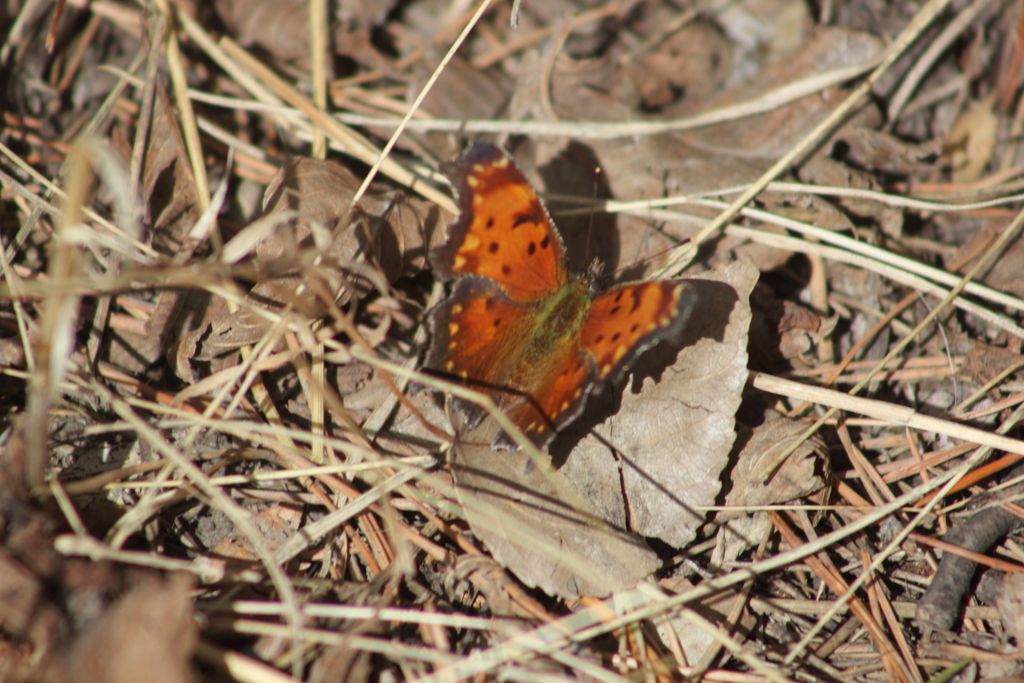
In the air, watch for the delicate flutter of native bumblebees, butterflies and moths, which play a vital role in pollination. Their presence, alongside the busy activity of dragonflies and damselflies skimming across the wetlands of Chappell Marsh, highlights the forest’s role as a sanctuary for pollinators. These insects are crucial for the reproduction of many plant species, demonstrating the intricate interdependence within the forest community.

Did you know that you can tell time by the biennial flower Evening Primrose? Full opening of this beautiful yellow flower takes less than 20 minutes to receive its moth hosts overnight, and by noon, the flower has closed up again. It’s nick name is “beautiful of the night.” Dandelions will reverse this process to save energy, closing up at night, and opening fully in the early morning hours of the day. What are the habitats of flowers and flora of the afforestation areas- meadow or forest, wetlands or shoreline edges, sunny or shady areas?

Do you think all birds build their nests in the branches of trees? Some birds, like the Great Horned Owl, actually don’t make their own nests and instead use nests created by other birds. Additionally, some birds nest on the ground, in tree cavities made by woodpeckers, or along water and shoreline edges. Why would the different bird species choose a variety of habitats for the safety of their young, wouldn’t tree branches be safest?

What about snowshoe hares and jackrabbits? Do they live in underground burrows like Bugs Bunny, or do they create nests for their young? As lagomorphs (which include rabbits and hares) are at the bottom of the food chain, how do they ensure their safety and find shelter?

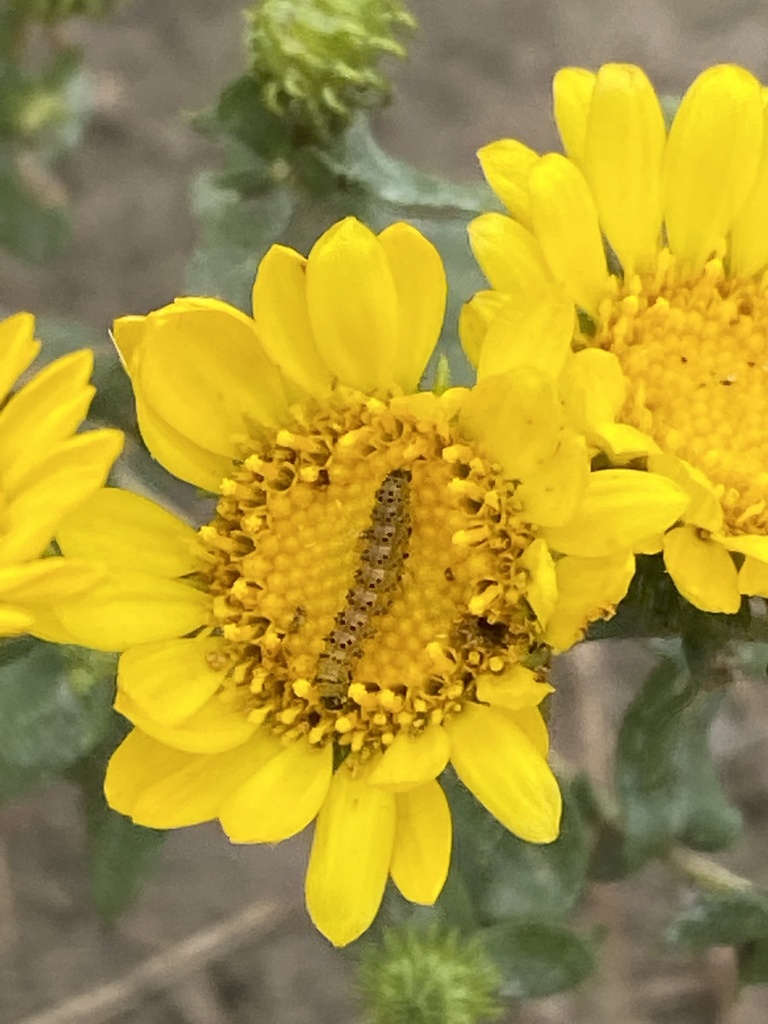
Consider the Lepidoptera family, which includes butterflies and moths. Where do they lay their eggs in the spring? Do their larvae have specific habitats, and where do the adults live? How many Lepidoptera migrate to escape the cold winter, how many and which lepidoptera have no mouth parts having short lifespans and only live to lay eggs, and which species in Saskatchewan overwinter here to start a family in the spring? Why are butterflies diurnal, flying in the daytime, and moths are nocturnal waking up when the butterflies go to sleep. Where do Lepidoptera sleep?

Finally, dragonflies and damselflies, which are both part of the Odonata order, rely heavily on wetlands and aquatic plants. What makes these habitats so important for Odonata, and what type of habitat do adult Odonata prefer?

Human activities, however, can disrupt this delicate balance. One key practice to help preserve the integrity of this natural space is “staying on trails.” Walking only on designated paths protects the forest’s sensitive areas from unnecessary damage. When visitors stray off-trail, they can inadvertently trample delicate vegetation, compact soil, and disturb wildlife habitats. This can lead to erosion, reduced plant regeneration, and increased stress on animal communities that rely on a stable environment.

By staying on established trails, you minimize your impact on the ecosystem, allowing the forest to maintain its natural processes and beauty. Trails are carefully planned to avoid areas of high ecological sensitivity and to provide access while preserving the surrounding habitat. They also help concentrate foot traffic, reducing the spread of invasive plant species that could otherwise take hold in disturbed areas.

Human activities, such as littering, pose additional threats to wildlife. Plastic bags and containers can be mistaken for food by animals, leading to harmful consequences. To protect this valuable habitat for future visitors, it’s essential to follow the principle of “Pack it in, Pack it out, Leave no trace.” Be part of the Clean Green Community Scene! By disposing of waste responsibly and minimizing our impact, we help ensure that the forest remains a thriving sanctuary for all its inhabitants.

For those keen to delve deeper into the intricate web of life within the afforestation area, other resources are available. “Exploring the Wildwoods of Saskatoon: The Ecology of a Planted Forest” in English or French by Norman Lipinski offers insights into the food webs and food chains that sustain the forest’s ecosystem. Meanwhile, “Richard St. Barbe Baker Stories with Place-Based Nature Activities Through the Seasons” by Elizabeth Bekolay provides engaging activities and a comprehensive wildlife listing, enriching your understanding of the forest’s dynamic community.

For a closer look at the diverse organisms that make the afforestation area their home, including over 60 species at risk, visit the wildlife resource page. Here, you can explore the rich biodiversity and learn about the various tree species and wildlife that thrive in this unique environment.

As you journey through the Richard St. Barbe Baker Afforestation Area, take a moment to appreciate the intricate relationships between plants, animals, and humans. Each species, from the towering trees to the smallest insects, plays a role in maintaining the health of the habitat. By respecting the trails and protecting this natural treasure, we ensure that future generations can also experience the wonder of this vibrant forest community.

1. Habitat Exploration Project:

  • Activity: Investigate the populations of plants and animals in various habitats such as grassland meadows, forests, wetlands, and riparian edges of Chappell Marsh. Create a poster or presentation showcasing the different species found in each habitat and their roles.
  • Objective: Understand the variety of life in different habitats and how each species contributes to its ecosystem.

2. Indigenous Worldview Simulation:

  • Activity: Use the Medicine Wheel or Circle of Life concept to role-play how plants and animals interact and depend on each other within an ecosystem. Have students act out different roles (e.g., predator, prey, producer, consumer) and demonstrate their interdependence.
  • Objective: Explore Indigenous perspectives on the interconnectedness of life and understand how different species rely on each other.

3. Food Chain Classification Activity:

  • Activity: Classify various plants and animals, including humans, based on their roles in food chains (e.g., producer, herbivore, omnivore, predator). Create a food chain diagram using the classified organisms.
  • Objective: Learn about the different roles organisms play in food chains and understand how energy flows through ecosystems.

4. Food Web Construction:

  • Activity: Construct a visual representation of a specific food web within a chosen habitat (e.g., forest, wetland). Include multiple interconnected food chains and show how different organisms are linked.
  • Objective: Analyze how food webs represent complex interactions between different food chains and species.

5. Impact of Human Activities Role Play:

  • Activity: Role-play scenarios where students act as forest visitors who either follow or ignore guidelines like staying on trails and packing out trash. Discuss the potential impact of their actions on the forest ecosystem and its inhabitants.
  • Objective: Understand the effects of human activities on ecosystems and learn how to protect natural environments.

Related Questions

Objective: Understand the consequences of human actions on ecosystems and learn ways to reduce environmental harm.

What types of plants and animals live in grassland meadows, forests, wetlands, and riparian edges of Chappell Marsh, and how do they contribute to their habitats?

Objective: Identify and describe the species in different habitats and their roles.

How does the Medicine Wheel or Circle of Life concept illustrate the interdependence of plants and animals in an ecosystem?

Objective: Explore Indigenous views on the interconnectedness of life.

What are the different roles of organisms in a food chain, and how do they interact with one another?

Objective: Classify organisms based on their roles and understand their interactions in food chains.

How does a food web differ from a food chain, and what does it reveal about the relationships between different species in an ecosystem?

Objective: Analyze the complexity of food webs and their representation of multiple food chains.

What are the effects of human activities, such as trampling vegetation or littering, on forest ecosystems, and how can we minimize these impacts?

For directions as to how to drive to “George Genereux” Urban Regional Park

For directions on how to drive to Richard St. Barbe Baker Afforestation Area

For more information:

Blairmore Sector Plan Report; planning for the Richard St. Barbe Baker Afforestation Area, George Genereux Urban Regional Park and West Swale and areas around them inside of Saskatoon city limits

NEW P4G District Official Community Plan

Richard St. Barbe Baker Afforestation Area is located in Saskatoon, Saskatchewan, Canada north of Cedar Villa Road, within city limits, in the furthest south west area of the city. 52° 06′ 106° 45′

Addresses:

Part SE 23-36-6 – Afforestation Area – 241 Township Road 362-A

Part SE 23-36-6 – SW Off-Leash Recreation Area (Richard St. Barbe Baker Afforestation Area ) – 355 Township Road 362-A

S ½ 22-36-6 Richard St. Barbe Baker Afforestation Area (West of SW OLRA) – 467 Township Road 362-A

NE 21-36-6 “George Genereux” Afforestation Area – 133 Range Road 3063

Wikimapia Map: type in Richard St. Barbe Baker Afforestation Area

Google Maps South West Off Leash area location pin at parking lot

Web page: https://stbarbebaker.wordpress.com

Where is the Richard St. Barbe Baker Afforestation Area? with map

Where is the George Genereux Urban Regional Park (Afforestation Area)?with map

Pinterest richardstbarbeb

Blogger: FriendsAfforestation

Tumblr friendsafforestation.tumblr.comFacebook Group Page: Users of the George Genereux Urban Regional Park

Facebook: StBarbeBaker Afforestation Area

Facebook for the non profit Charity Friends of the Saskatoon Afforestation Areas Inc. FriendsAreas

Facebook group page : Users of the St Barbe Baker Afforestation Area

Facebook: South West OLRA

Reddit: FriendsAfforestation

Twitter: St Barbe Baker Charity Twitter:FriendsAreas

Mix: friendsareas

YouTube

Please help protect / enhance your afforestation areas, please contact the Friends of the Saskatoon Afforestation Areas Inc. (e-mail / e-transfers )

Donate your old vehicle, here’s how!  

Support using Canada Helps

Support via a recycling bottle donation

United Nations Decade on Ecosystem Restoration

““Be like a tree in pursuit of your cause. Stand firm, grip hard, thrust upward. Bend to the winds of heaven..”

Richard St. Barbe Baker

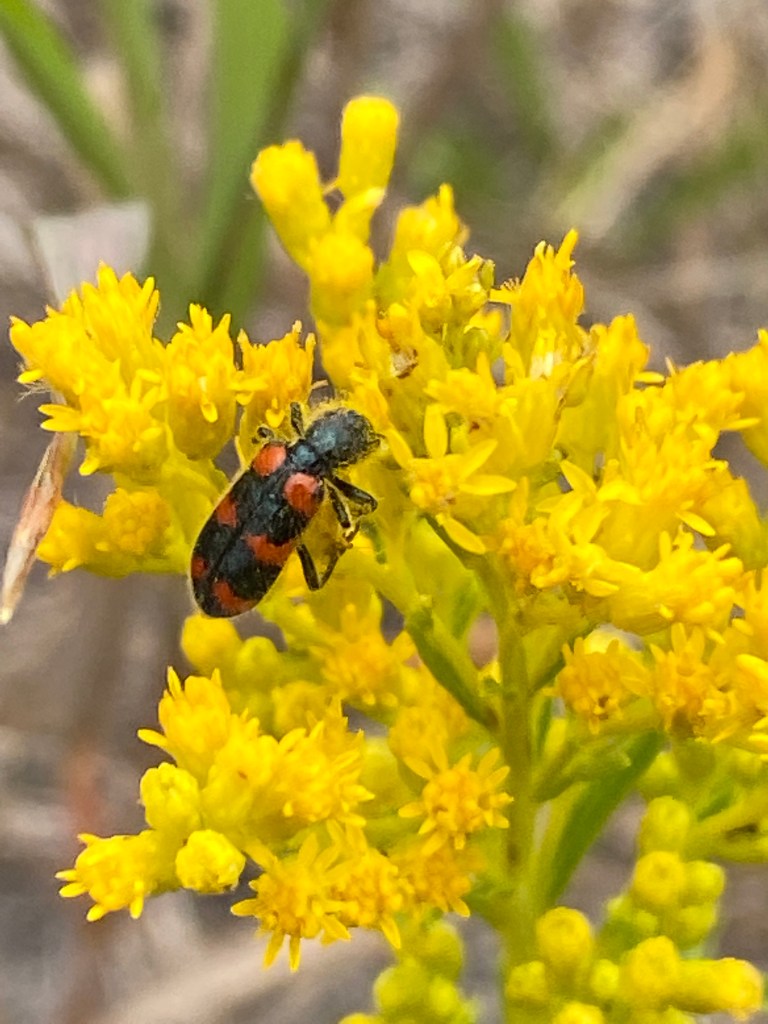
Blister Beetles: Pretty colors, serious powers

🌿🐞 Did you know about Nuttall’s Blister Beetles? These vibrant insects are a part of our local parks and greenspaces, often found on flowers like lupines and milk-vetch. 

🌼 While they may look beautiful with their bright colors, handling them can be risky! 

🚫 Their bodies contain cantharidin, a toxin that causes skin blistering if mishandled.

Here’s how to enjoy nature safely: 

👀 Spot them from a distance—avoid touching! 

🧤 Wear gloves if gardening or exploring where beetles are present. 

🚫 Never crush, swat or handle them roughly. 

🌱 Let’s respect their space and ours—keep a safe distance and admire their beauty responsibly!

Nature is amazing, but it’s always good to know who you’re sharing it with. Stay safe and enjoy your time in the greenspace! 🌳💚 #NatureSafety #BlisterBeetles #GreenspaceAwareness

Here’s a concise fact sheet about blister beetles (specifically focusing on L. nuttallii, Nuttall’s Blister Beetle), tailored for park greenspace users:


Nuttall’s Blister Beetle (Lytta nuttallii)

  • Appearance: Medium-sized, brightly colored beetle often found on flowers.
  • Behavior: Feeds on leguminous plants like milk-vetch and lupine.
  • Caution: Handle with care to avoid skin contact with cantharidin, a blister-inducing substance exuded when disturbed.
  • Season: Most active in June and July, often seen in groups (circuses) on flowering plants.
  • Safety: If exposed, wash affected area with soap and water; seek medical help for severe reactions.

This fact sheet aims to inform park users about the beetle’s habits, potential hazards, and basic safety measures when encountering them.

Friendsareas.ca

Friends of the Saskatoon Afforestation Areas Inc.
https://stbarbebaker.wordpress.com/
http://www.friendsareas.ca/
friendsafforestation@gmail.com

For directions as to how to drive to “George Genereux” Urban Regional Park
For directions on how to drive to Richard St. Barbe Baker Afforestation Area
For more information:
Blairmore Sector Plan Report; planning for the Richard St. Barbe Baker Afforestation Area, George Genereux Urban Regional Park and West Swale and areas around them inside of Saskatoon city limits
NEW P4G District Official Community Plan
Richard St. Barbe Baker Afforestation Area is located in Saskatoon, Saskatchewan, Canada north of Cedar Villa Road, within city limits, in the furthest south west area of the city. 52° 06′ 106° 45′
Addresses:
Part SE 23-36-6 – Afforestation Area – 241 Township Road 362-A
Part SE 23-36-6 – SW Off-Leash Recreation Area (Richard St. Barbe Baker Afforestation Area ) – 355 Township Road 362-A
S ½ 22-36-6 Richard St. Barbe Baker Afforestation Area (West of SW OLRA) – 467 Township Road 362-A
NE 21-36-6 “George Genereux” Afforestation Area – 133 Range Road 3063
Wikimapia Map: type in Richard St. Barbe Baker Afforestation Area
Google Maps South West Off Leash area location pin at parking lot
Web page: https://stbarbebaker.wordpress.com
Where is the Richard St. Barbe Baker Afforestation Area? with map
Where is the George Genereux Urban Regional Park (Afforestation Area)?with map
Pinterest richardstbarbeb
Blogger: FriendsAfforestation
Tumblr friendsafforestation.tumblr.comFacebook Group Page: Users of the George Genereux Urban Regional Park
Facebook: StBarbeBaker Afforestation Area
Facebook for the non profit Charity Friends of the Saskatoon Afforestation Areas Inc. FriendsAreas
Facebook group page : Users of the St Barbe Baker Afforestation Area
Facebook: South West OLRA
Reddit: FriendsAfforestation
Twitter: St Barbe Baker Charity Twitter:FriendsAreas
Mix: friendsareas
YouTube
Please help protect / enhance your afforestation areas, please contact the Friends of the Saskatoon Afforestation Areas Inc. (e-mail / e-transfers )Support the afforestation areas with your donation or membership ($20.00/year). Please donate by paypal or by using e-transfers Please and thank you! Your donation and membership is greatly appreciated. Members e-mail your contact information to be kept up to date!
Donations can be made through Paypal, Canada Helps, Contact Donate A Car Canada, SARCAN Drop & Go 106100594 for the Friends of the Saskatoon Afforestation Areas Inc.
United Nations Decade on Ecosystem Restoration
Use the UN Decade’s Visual Identity
Make it your own
Spread the word about the UN Decade
Let’s Bring Back Forests
Let’s Green Our Cities
“Be like a tree in pursuit of your cause. Stand firm, grip hard, thrust upward. Bend to the winds of heaven..”
Richard St. Barbe Baker

Design a site like this with WordPress.com
Get started