Richard St. Barbe Baker Afforestation Area. George Genereux Urban Regional Park. Humboldt Broncos Memorial Forest. Come to Nature. Come to Life. Friends of the Saskatoon Afforestationk Areas Inc. friendsareas.ca
MOST OBSERVED SPECIES IN SASKATOON FOR THIS FOUR DAY STRETCH ….IN A SNOWSTORM NO LESS Most Observed Species ROBIN! Turdus migratorius 64 yellow-rumped warbler Setophaga coronata 43 dark-eyed junco Junco hyemalis 40 American crow Corvus brachyrhynchos 28 black-capped chickadee Poecile atricapillus 25 Canada goose Branta canadensis 23
(Canada) August 20, 2025 – In response to the serious ecological and agricultural challenges posed by invasive wild pigs, Canada has launched Wild Pigs Canada, a new national online hub. This platform—created by Invasives Canada and Animal Health Canada, alongside the Invasive Wild Pig Leadership Group—provides one central place for Canadians to access tools, science-based information, and resources to help combat this growing threat.
Wild Pigs Canada equips the public, producers, and communities with practical knowledge: how to recognize wild pigs, where to report sightings, and how to stay informed about the latest research and coordinated actions across the country. Visit WildPigs.ca to learn more.
According to Dr. Leigh Rosengren, industry co-chair on the Animal Health Board of Directors, the new website is a valuable step forward: “This platform provides Canadians with clear, accessible information to help reduce the spread of invasive wild pigs and support their removal from the landscape.”
Invasive wild pigs—escaped or released domestic pigs now living in the wild—are highly adaptable, elusive, and expanding in range. They root up crops, damage pastures, and tear through natural areas. Their destructive feeding and wallowing cause severe damage to wetlands, greenspaces, and even urban parks, stripping away vegetation, eroding soil, and contaminating water with pathogens. Such impacts devastate native biodiversity, destroy habitat for waterfowl and pollinators, and degrade recreational spaces enjoyed by communities.
These animals also pose risks to people, pets, and livestock. They can be aggressive if threatened and may carry dangerous livestock diseases, including African swine fever (ASF).
ASF, though not present in Canada, is a major global concern. If wild pigs were to spread it here, the impacts on domestic pig farms, pork producers, and international trade would be catastrophic.
Currently, invasive wild pig populations are established in parts of Alberta, Saskatchewan, and Manitoba, though isolated occurrences have been reported in other provinces and territories. Their rapid spread and wide-ranging impacts make it clear that no single sector can solve this issue alone. Coordinated national action is critical.
Canada’s Invasive Wild Pig Strategy (2022–2032) calls for a unified approach to prevent and eradicate these destructive animals. Wild Pigs Canada delivers on one of the strategy’s top priorities: raising awareness and mobilizing the public to act. The Invasive Wild Pig Leadership Group continues to support this work, helping align efforts across provinces and regions.
Rebecca Lord, Executive Director of Invasives Canada, emphasizes the importance of partnerships: “Wild Pigs Canada is the result of collaboration across agriculture, conservation, and government. It connects Canadian expertise with international efforts in the U.S. and Mexico, building a stronger, coordinated response.”
Matt DeMille, Executive Director of the Ontario Federation of Anglers and Hunters, highlights the role of everyday Canadians: “Whether you’re a landowner, a hunter, or just someone who enjoys spending time outdoors, you now have one trusted place to learn what invasive wild pigs mean for Canada and how to report them. Everyone who uses the land has a part to play in being the first line of defense.”
What the Public Needs to Know:
Wild pigs are not native to Canada and are one of the most damaging invasive species on the planet.
Coexistence is not possible. Their destructive feeding and rapid reproduction mean they quickly overwhelm ecosystems, farms, and communities if left unchecked.
Sightings should be reported immediately through Wild Pigs Canada so that wildlife experts and authorities can respond quickly.
Avoid approaching or feeding wild pigs, as they can be aggressive and unpredictable.
Wild Pigs Canada is for anyone who wants to protect Canada’s farms, wetlands, greenspaces, parks, wildlife, and natural landscapes from this urgent and growing threat.
The most widely recognized expert on wild boars in Saskatchewan is Dr. Ryan Brook, an associate professor in the University of Saskatchewan’s College of Agriculture and Bioresources. He is best known as the leader of the Canadian Wild Pig Research Project, a long-running initiative that tracks the spread of invasive wild pigs across the country. His team uses a wide range of methods to monitor populations, from aerial surveys in planes and helicopters to ground crews, trail cameras, and reports from local residents.
Dr. Brook’s work has made him a leading voice in the national conversation about invasive wild pigs. For over a decade, he has documented their expansion across millions of square kilometers of Canada, providing the first comprehensive baseline maps of their distribution. His warnings have often made headlines, including his stark prediction that, if left unchecked, Saskatchewan could one day have more wild pigs than people.
The risks he highlights are serious and multifaceted. Wild pigs are highly adaptable, reproduce quickly, and are exceptionally difficult to control once established. Their rooting behavior tears up soil, accelerates erosion, spreads weeds, and destroys native vegetation, causing long-term ecological damage. On farmland, they trample and consume crops, leaving behind significant losses for producers. Just as concerning, they carry the potential to spread dangerous diseases to domestic livestock, wildlife, and even humans—posing both economic and public health risks.
Through his teaching and research in the Department of Animal and Poultry Science, Dr. Brook has become a central figure in raising awareness about the growing crisis. His work emphasizes that invasive wild pigs are not simply a rural problem; they threaten wetlands, grasslands, and even public parks, making them a challenge for all Canadians.
🐗 What You Can Do to Help Stop Invasive Wild Pigs
Report Sightings Immediately – Go to WildPigs.ca to share any confirmed sightings. Quick reports help experts respond before pigs spread further.
Do Not Approach or Feed – Wild pigs can be aggressive and unpredictable. Keep people and pets at a safe distance.
Protect Nature – Remember that wetlands, greenspaces, and parks are at risk. Sharing information helps communities defend these landscapes.
Be a First Line of Defense – Farmers, hunters, hikers, and everyday citizens all play a role in stopping invasive wild pigs.
As the final days of Easter Break wrapped up, so did the City Nature Challenge 2025 (CNC YXE), a four-day whirlwind of discovery, observation, and community engagement. This year, Saskatoon not only embraced the spirit of Earth Month but also marked the 10th anniversary of the global initiative to celebrate biodiversity in urban spaces. Through iNaturalist, over 800 observations from Saskatoon’s citizens were logged, showing our collective eagerness to connect with and protect the natural world around us.
Our city’s journey into nature was nothing short of inspiring, sparking curiosity in everyone who ventured outdoors—from the most seasoned naturalists to first-time observers. Through the eyes of the community, Saskatoon’s wild side came alive, with photos of everything from quirky insects to beautiful blooms, all documenting the biodiversity that surrounds us. Whether it was spotting the rare Twice-stabbed Lady Beetle or the iconic Horned Grebe, every observation counted.
But let’s be real—this wasn’t just a competition. It was about something much more profound: the joy of observing nature and the power of local collaboration. Volunteers, schools, community organizations, and even the weather itself came together to make the challenge a huge success.
What the Numbers Say: Saskatoon may not have been at the top of the leaderboard, but we more than held our own. In fact, with 874 observations from our passionate volunteers, we outpaced Niagara Falls, Kincardine, and Regina, showcasing that even in the face of our unpredictable spring weather, nature thrives in our city. These observations weren’t just numbers—they were a testament to the dedication of our community. From local families to budding citizen scientists, we saw people from all walks of life getting involved and getting their hands dirty, learning and exploring side by side.
Biodiversity Blitz and Invasive Species: The event wasn’t just a celebration of the natural world; it also sparked important conversations about invasive species and early detection. Volunteers were keen to spot potential threats like the Anopheles quadrimaculatus, a species whose range is expanding, and this helped local scientists monitor and address environmental changes before they become bigger problems.
While some species were charmingly quirky, like the vibrant red organisms observed in the Seeing Red initiative, others—like invasive plants—reminded us of the importance of vigilance in preserving our ecosystems.
A Community Effort: None of this would have been possible without the tireless support of our local partners:
Saskatoon Public School Division: Your outreach encouraged the next generation to be nature detectives, fostering curiosity and environmental stewardship.
Wild About Saskatoon: You helped guide us through the wonders of our own backyard, reminding us that wildness is something to be celebrated and nurtured.
Friends of the Saskatoon Afforestation Areas: Your passion and leadership drove the challenge from start to finish, ensuring the event was as impactful as it was educational.
Saskatoon Nature Society, Sask Power, Sask Tel, Sask Energy: Your unwavering support gave the challenge the energy it needed to succeed.
And to the volunteers—you are the heart of this endeavor. Each observation, each photo, each recorded sound was a small but mighty contribution to a much larger movement. Whether it was sharing a moment with a prairie dog or capturing the call of a warbler, your curiosity and commitment sparked joy, creativity, and a renewed appreciation for the world around us.
Finally, a huge thank you to the scientists and naturalists—both locally and globally—who helped identify our observations and provided expertise. Your knowledge turned our enthusiasm into meaningful data that will help us protect and preserve our environment for generations to come.
Looking Ahead: As we look ahead to next year, we can’t help but imagine an even bigger, wilder, and more connected CNC YXE. With more community involvement, more schools participating, and an ever-growing network of supporters, the future is bright for Saskatoon’s urban biodiversity. This isn’t just about logging species—it’s about building a culture of curiosity and stewardship, where we all have a role to play in the conservation of the places we love.
So, as the City Nature Challenge ends for 2025, we’ll continue to keep our eyes open, our boots on the ground, and our phones ready to capture the next big discovery. After all, we’re not just counting species—we’re making every species count.
Saskatoon’s Wild Stats: How Earth Month and Citizen Science Are Turning Clicks into Conservation
It starts with a snap.
A beetle on a bike path. A flowering weed near a schoolyard. A mystery bird flitting through a suburban backyard. These fleeting encounters, photographed by citizens armed with smartphones, are revolutionizing science from the soil up—and Saskatoon is leading the charge.
Let’s talk numbers. Because Earth Month in Saskatoon isn’t just a feel-good calendar square anymore. It’s become a data goldmine, a real-time pulse check on biodiversity thanks to one powerful tool: iNaturalist.
In 2021, only five Saskatonians took part in the “Where’s Waldo” Nature Connect challenge. Just five. But they submitted 464 observations, which sparked 109 identifications and confirmed 144 species. Not bad for a pandemic year. Fast forward to April 2023, and participation exploded. The City Nature Challenge saw 1,154 observations of 309 species by 148 observers—almost a 30-fold increase in human engagement.
It’s not just quantity. It’s the quality of the science.
These community sightings feed directly into global biodiversity databases. The AI-powered computer vision on iNaturalist suggests identifications, but it’s the humans—like the 142 identifiers in 2025’s Earth Month survey—who validate and enrich the data. This combo of artificial intelligence and community intelligence creates a living map of life on the prairies.
And let’s not forget the 2023 June BioDiverCity Challenge. A jaw-dropping 2,130 observations. Seven. Hundred. Twenty-eight. Species. From fungi to foxes, lichens to ladybugs. That’s not just a list—it’s an ecological manifesto.
Then there’s the detective work: in 2025, Saskatoon citizen scientists weren’t just celebrating biodiversity—they were reporting the bad guys. Observations of noxious invasive species were shared with iMap Invasives SK, while sightings of species at risk were flagged to the Saskatchewan Conservation Data Centre. It’s like CSI: Nature.
Even the species ranges are shifting. In 2025, local observers documented species scientists hadn’t seen in Saskatoon before—possible climate-related expansions that opened up conversations with researchers around the world. Talk about breaking news from a butterfly wing.
And here’s the kicker. While Saskatoon’s 2025 Earth Month stats clocked in at 881 observations and 301 species, it was powered by only 72 observers. That’s fewer people than a packed city bus—but look what they accomplished.
So next Earth Month, if someone tells you a single photo can’t make a difference, show them the numbers. Show them what happens when you empower regular people with a smartphone, a curious mind, and a few spare minutes.
Turns out, a snap really can change the world.
Biodiversity Blitz: Saskatoon’s Wild Side Gets a Standing Ovation
We came. We saw. We bio-blitzed.
The City Nature Challenge 2025 rolled through Saskatoon like a prairie storm—fast-moving, eye-opening, and, if you listened closely, filled with the sounds of citizen scientists shouting “I think that’s a tiger beetle!” while fumbling for their phones.
And now, as the data trickles in and the final identifications are confirmed, it’s time to put away the binoculars, un-mud the boots, and say two very important words:
Thank you.
Because this wasn’t just a weekend event. It was a symphony of collaboration—a grassroots crescendo of curiosity, care, and community. And if we’re applauding nature, we’d better be applauding the people who helped us find it.
Let’s start with the spark: Friends of the Saskatoon Afforestation Areas, the nonprofit environmental charity that took the wheel and drove CNC YXE 2025 straight into the hearts and minds of this city. These folks didn’t just sign up. They initiated the challenge. They were the ones in the trenches weeks—months—before the first warbler was spotted, crafting social media campaigns, issuing rallying cries, and putting pamphlets into the hands of teachers, trail-goers, and weekend wanderers.
Their mission? To turn every citizen into a scientist. And guess what? It worked.
They wrote educational articles. They distributed nature guides. They printed field sheets that turned families into field teams and schoolkids into species sleuths. Through workshops and social posts, press releases and posters, they did the thing that seems impossible in today’s digital chaos: they got people to look up from their screens and into the woods.
But they didn’t do it alone.
Enter the mighty partners of CNC YXE 2025. The Saskatoon Nature Society, with their deep field knowledge and uncanny ability to ID warblers from a single tweet. SaskPower, SaskTel, and SaskEnergy—thank you for plugging in to something bigger than the grid. Your support didn’t just keep the lights on; it lit up the entire nature-loving network.
Wild About Saskatoon brought the soul. You reminded us that “wild” is not something scary to be tamed—it’s something magical to be welcomed.
And the Saskatoon Public School Board—heroes of the future. You handed the next generation a magnifying glass and said, “Go explore.” That’s how naturalists are born. That’s how lifelong wonder begins.
And now let’s talk about the volunteers.
These are the people who kneel in the grass, who flip over leaves, who whisper to birds and squeal at spiders. The ones who stayed up late uploading observations, who battled bugs while logging beetles, who probably now dream in Latin species names. You are the reason this challenge was a success. You are the backbone of discovery.
And let’s not forget the identifiers—those generous, sharp-eyed naturalists around the world who turned our blurry caterpillar pics into solid science. Your keen insights and willingness to share your knowledge took this from “Hmm, what’s that?” to “Wow, it’s an Anopheles quadrimaculatus! And it’s a range expansion—we should flag it!”
That’s the magic. This wasn’t just about pretty flowers and charismatic critters. It was also about early detection. It was about spotting invasive species before they become ecological bullies. It was about mapping biodiversity—warts and all—and using that knowledge to protect what we love.
In total, hundreds of species were logged. Thousands of observations made. And perhaps most importantly, countless people fell in love with the natural world all over again.
Because when you stop to observe a beetle, you start to see the system. You start to see that even the smallest life has a role, a function, a place in the web. And that awareness? That’s the first step to stewardship.
So let’s raise a metaphorical glass (of native prairie tea, perhaps?) to everyone who showed up. To those who organized, to those who observed, and to those who identified. You made CNC YXE 2025 not just a scientific event—but a citywide celebration of curiosity.
And as for next year?
Let’s do it again. Bigger. Wilder. Even more connected. Because this isn’t just about logging species. It’s about remembering that we are part of something alive, something intricate, something beautiful—and that the story of Saskatoon’s wild side is still being written, one photo, one observation, one “Wow!” at a time.
Addresses:
Part SE 23-36-6 – Richard St. Barbe Baker Afforestation Area – 241 Township Road 362-A
Part SE 23-36-6 – SW Off-Leash Recreation Area (Richard St. Barbe Baker Afforestation Area ) – 355 Township Road 362-A
S ½ 22-36-6 Richard St. Barbe Baker Afforestation Area (West of SW OLRA) – 467 Township Road 362-A
NE 21-36-6 “George Genereux” Afforestation Area – 133 Range Road 3063
Wikimapia Map: type in Richard St. Barbe Baker Afforestation Area
Google Maps South West Off Leash area location pin at parking lot
It’s official—the numbers are in, and Saskatoon, you’ve outdone yourselves.
As the sun rose and fell over four days of nature-inspired curiosity, a wave of boots hit the ground, lenses zoomed in on wings and petals, and a chorus of chirps, buzzes, and croaks filled the air. The City Nature Challenge 2025—our region’s own biodiversity bonanza—delivered a brilliant snapshot of life on the land, in the skies, and beneath our feet.
Let’s talk numbers, because they tell a wild story. 72 observers made 874 observations of 300 unique species, backed by the sharp eyes of 139 identifiers from around the globe. That’s not just a headcount—it’s a celebration of the diversity we live among every single day.
A Bite from the Unexpected
Among the many highlights, one encounter raised eyebrows and perhaps pulses. Melissa Clawson, a sharp-eyed vector ecologist with a soft spot for mosquitoes, identified a game-changing moment: the Anopheles quadrimaculatus, also known as the North American Malaria Mosquito. Yes, you read that right—a species with a storied past in disease transmission made its presence known in Saskatoon. This find could mark a noteworthy range expansion for the species, and it’s a powerful example of how citizen science can uncover emerging ecological stories.
Familiar Faces, Prairie Darlings
Not all our finds were ominous. Some brought pure delight that spring has arrived. Take Pulsatilla nuttalliana, the Prairie Pasqueflower, with its violet blooms ushering in spring like a prairie poet laureate. Or the ever-endearing Turdus migratorius, the American Robin, whose cheerful call reminded us that even our most common neighbours are essential threads in this ecological quilt.
Quietly at Risk
But this year’s challenge did more than entertain—it informed. Several species documented during the blitz are species at risk, painting a more sobering but essential portrait of our shared responsibilities.
The Twice-stabbed Lady Beetle (Chilocorus stigma)—a striking, tiny beetle with a superhero name—was spotted twice. A beneficial predator of scale insects, its numbers have been in decline elsewhere.
The Togwotee Harvestman (Togwoteeus biceps)—rare, reclusive, and just plain weird—was observed twice as well, a haunting reminder of how much we still don’t know about the understory.
The Horned Grebe (Podiceps auritus), whose red eyes and slick profile belie its vulnerability, surfaced in local waters.
Spring Cankerworm Moths (Paleacrita vernata) made a strong showing, their understated appearance belying their ecological role—and, in some areas, their precarious future.
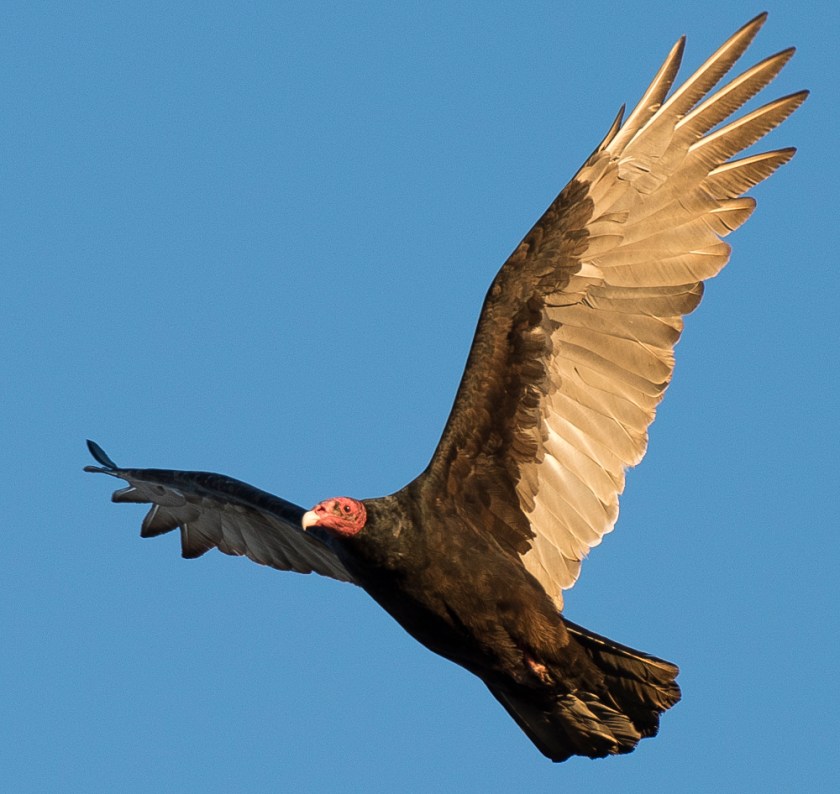
Turkey Vultures (Cathartes aura) and Pileated Woodpeckers (Dryocopus pileatus)—those iconic silhouettes—remind us of the success of conservation efforts, and the thin line they walk.
And let’s not forget the Red-tailed Mining Bee (Andrena erythrogaster), a pollinator whose presence is as hopeful as it is vital.
Even flora had their moment. Rough Fescue (Festuca hallii), a hallmark of healthy native grassland, stood proud. American Elm (Ulmus americana) and Green Ash (Fraxinus pennsylvanica), which face threats from disease and invasive pests, were also logged. Their inclusion in the dataset is a quiet plea for protection.
Behind the Scenes
Of course, none of this would have been possible without the army of community scientists and nature nerds—armed with smartphones, hand lenses, and a love for the wild. But let’s shine a spotlight on those who made the whole thing happen.
The Friends of the Saskatoon Afforestation Areas, a nonprofit environmental charity, didn’t just participate—they launched this year’s CNC YXE 2025 campaign. From designing educational pamphlets and creating social media buzz to rallying the public and coordinating the effort, their tireless organizing made this event sing. Their voice echoed across Saskatoon—”come see what’s out there!”—and people listened.
And it wasn’t just them. Heartfelt thanks are also due to Sask Power, SaskTel, SaskEnergy, the Saskatoon Nature Society, the Saskatoon Public School Board, and Wild About Saskatoon. Your support turned curiosity into community, and data points into stories. You and all the countless volunteers and citizen scientists helped make sure that each photo snapped, each bird spotted, each beetle discovered, added up to something much larger—a moment of connection between a city and its natural surroundings.
So here’s to the moss-covered, the many-legged, the winged, and the wild. Saskatoon, you showed your true colours this year—and they’re vibrant, rare, and absolutely worth protecting.
Let’s do it again next year.
Addresses:
Part SE 23-36-6 – Richard St. Barbe Baker Afforestation Area – 241 Township Road 362-A
Part SE 23-36-6 – SW Off-Leash Recreation Area (Richard St. Barbe Baker Afforestation Area ) – 355 Township Road 362-A
S ½ 22-36-6 Richard St. Barbe Baker Afforestation Area (West of SW OLRA) – 467 Township Road 362-A
NE 21-36-6 “George Genereux” Afforestation Area – 133 Range Road 3063
Wikimapia Map: type in Richard St. Barbe Baker Afforestation Area
Google Maps South West Off Leash area location pin at parking lot
Today is Monday, April 28, and while it marks the final day of the City Nature Challenge YXE 2025, don’t despair! The clock may be ticking, but there’s still time for one last big adventure out in the wilds of our city. The last official event of the challenge is tonight, but even if you can’t make it, you can still get outside and enjoy the extended daylight hours that spring has so graciously granted us. After all, sunset won’t happen until around 8:30 p.m., so there’s plenty of time to catch a glimpse of nature doing its thing, and there is plenty of songs from nature to be heard after that!
Spring is in full swing, and as you head out, your trusty iNaturalist app will be there to document everything you encounter. Whether it’s a surprising wildflower sprouting by the sidewalk or an odd insect making a swift getaway, every moment is an opportunity to connect with the natural world. This week has been about more than just collecting data – it’s been a celebration of the quirks, humor, and wonderful surprises of nature. Who would’ve thought that urban wildlife could be so hilarious and downright delightful?
So what have we learned from the last few days of observing? Let’s get into some of the wildest and wackiest observations you might make out on your final hike:
The Case of the Lazy Bumblebee: If you’ve ever seen a bumblebee just hanging out on a dandelion, not buzzing about like usual, you might wonder: Is it napping? Maybe. Is it too full from all that nectar? Quite possibly. That adorable bumbling friend might just surprise you by being totally chill – it’s a nature mystery that’s both perplexing and endearing!
The Lurking Squirrel Conspiracy: Squirrels are everywhere, but have you noticed their absolutely theatrical behavior? One minute they’re darting up a tree, the next they’re freeze-frame statues on the lawn. What are they up to? Squirrel shenanigans are an ever-present source of entertainment. Are they plotting? Are they rehearsing for an Oscar-winning performance? You decide.
When Trees Talk Back: Ever look at a tree and wonder if it’s judging you? No? Well, next time you stand beneath a towering pine or elm, take a moment to appreciate the sheer majesty. You might catch yourself thinking, If I were that tree, I’d probably be considering my options for the next 50 years. Nature doesn’t just grow, it observes.
The Accidental Frog Parade: Springtime is when frogs make their grand entrances. A quick hop across a muddy trail and suddenly, you’ve discovered the amphibian procession you didn’t know you were looking for. Tiny frogs, big frogs, frogs with questionable jumping skills – they’re all part of the show. And remember, those little guys love to croak back at you when you least expect it!
Unlikely Plant Companions: Nature doesn’t follow our rules – and that’s what makes it so charming. Sometimes, you’ll find a fern nestled comfortably inside the root system of a tree, or a rogue moss patch thriving on a mailbox post. No one asked for this plant party, but the world of flora is showing us just how much fun it can have when it does its own thing.
These are just a handful of the hilarious, heartwarming, and awe-inspiring surprises that await when you spend time outside – whether you’re in your backyard or trekking through one of Saskatoon’s vibrant parks. The City Nature Challenge isn’t just about the science; it’s about the joy of discovering what’s around us. Every leaf, every chirp, and every twitch of an animal is an invitation to pause, observe, and enjoy.
Don’t forget – this event is more than just a competition. It’s a worldwide effort to bring us closer to the biodiversity right under our noses, and to celebrate the creatures that we might overlook in our everyday lives. Download the iNaturalist app, take a moment to observe the world around you, and get involved in this citizen science adventure. Whether you’re just getting started or already deep into recording, remember: Every observation counts!
So, what are you waiting for? There’s still time to make one last observation (or four) and share it with the global iNaturalist community. Whether it’s a flower, an insect, or an unknown little critter, take a photo, upload it, and let your findings contribute to the beautiful, often hilarious tapestry of life. Who knows? Maybe your observation after it is identified, will be the next viral sensation in the iNaturalist world!
As we wrap up this year’s City Nature Challenge YXE, remember to keep the spirit of exploration alive. And remember, you can use iNaturalist all y ear long! There’s no better time to appreciate the wonders of nature than now. Whether you’re on a nature hike or just enjoying a quiet moment outdoors, keep your eyes wide open – because the world is a lot more fascinating than you might realize.
Let the laughs, the discoveries, and the adventure continue! 🌿🌸🐦
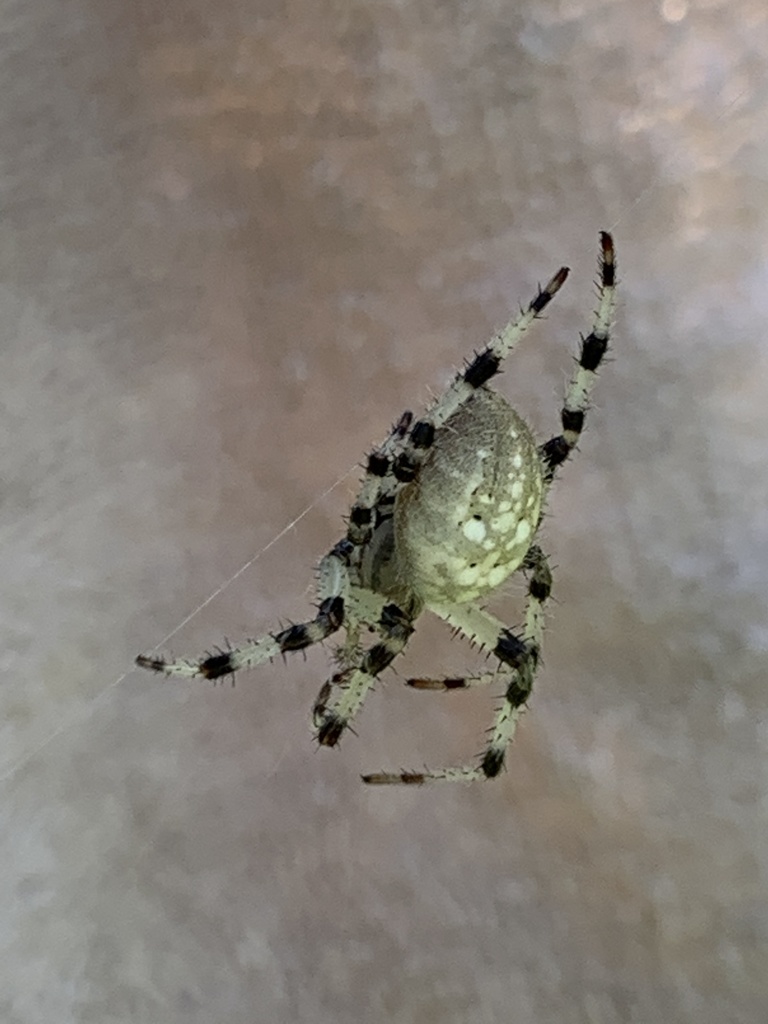
Photo by Chu Chup Hinh on Pexels.comCity Nature Challenge CNCYXE City Nature Challenge free iNaturalist AppAngulate And Round Shouldered Spider Genus AraneusThe Trembling Aspen is also referred to as the Quaking Aspen (Populus tremuloides Michx) A Dioecious Catkin or Ament Tim1357 cc2
Richard St. Barbe Baker Afforestation Area is located in Saskatoon, Saskatchewan, Canada north of Cedar Villa Road, within city limits, in the furthest south west area of the city. 52° 06′ 106° 45′
Addresses:
Part SE 23-36-6 – Richard St. Barbe Baker Afforestation Area – 241 Township Road 362-A
Part SE 23-36-6 – SW Off-Leash Recreation Area (Richard St. Barbe Baker Afforestation Area ) – 355 Township Road 362-A
S ½ 22-36-6 Richard St. Barbe Baker Afforestation Area (West of SW OLRA) – 467 Township Road 362-A
NE 21-36-6 “George Genereux” Afforestation Area – 133 Range Road 3063
Wikimapia Map: type in Richard St. Barbe Baker Afforestation Area
Google Maps South West Off Leash area location pin at parking lot
American Crow Chappell Marsh. West Swale Wetlands. Richard St. Barbe Baker Afforestation Area. Saskatoon, SK, CA iNaturalist Observation with smart phone connecting with nature, supporting vital conservation research worldwide.SmartPhone nature Photo using the free iNaturalist app
Did you know that here in Saskatoon, on the very first day of the City Nature Challenge, in these early spring months with amazing temperatures, we already had 188 observations of organisms, spotted 94 different species, with the help of 30 identifiers and 21 keen observers? What an incredible start — and it’s all thanks to everyday heroes like you who are stepping outside and tuning into the world around them. What a great time to be outside connecting to nature!
Now it’s your turn to join the adventure! 🌎✨ Download the free iNaturalist app and be part of this exciting global event. Every photo and sound you record — whether it’s the cheerful call of a Robin, the sweet song of a Meadowlark, a busy ant on the move, a fluttering butterfly, a playful squirrel, or the delicate shimmer of a spider web — helps scientists, conservationists, and our whole community understand and protect the biodiversity we treasure.
Be the voice for nature today, Sunday, and Monday (April 28)! Together, we can celebrate Saskatoon’s wild side and show the world just how vibrant our corner of the Earth truly is. 🌿📸🎶
We would like to extend our heartfelt thanks to our incredible supporters: SaskPower, SaskTel, SaskEnergy, the Saskatoon Nature Society, and Wild About Saskatoon. Your generosity and commitment to environmental stewardship make events like the City Nature Challenge possible. Together, we are fostering a stronger connection between people and the natural world, inspiring a new generation of nature lovers and citizen scientists. Thank you for helping us celebrate and protect the beauty that surrounds us!
Richard St. Barbe Baker Afforestation Area is located in Saskatoon, Saskatchewan, Canada north of Cedar Villa Road, within city limits, in the furthest south west area of the city. 52° 06′ 106° 45′
Addresses:
Part SE 23-36-6 – Richard St. Barbe Baker Afforestation Area – 241 Township Road 362-A
Part SE 23-36-6 – SW Off-Leash Recreation Area (Richard St. Barbe Baker Afforestation Area ) – 355 Township Road 362-A
S ½ 22-36-6 Richard St. Barbe Baker Afforestation Area (West of SW OLRA) – 467 Township Road 362-A
NE 21-36-6 “George Genereux” Afforestation Area – 133 Range Road 3063
Wikimapia Map: type in Richard St. Barbe Baker Afforestation Area
Google Maps South West Off Leash area location pin at parking lot
Mark your calendars, folks! From Friday, April 19 to Sunday, April 27, 2025, as students and families dive into their Easter break, there’s an exciting global event unfolding locally in Saskatoon and area that promises fun, adventure, and a lot of nature-loving joy! We’re talking about the 55th birthday of Earth Month and the 10th anniversary of the City Nature Challenge (CNC), happening from April 25 to April 28, 2025. This isn’t just any event—it’s a celebration of biodiversity, a call to action to connect with the natural world, and a chance to have a blast while doing it. While students are wrapping up their Easter Break (a glorious 9-day stretch of nature-filled fun from April 19 to April 27), the City Nature Challenge presents an incredible opportunity for all of us to connect with the great outdoors, discover wild organisms, and take part in citizen science.
So, have you downloaded theiNaturalist appyet? If not, what are you waiting for? This is the perfect opportunity to embark on an adventure of your own. Whether you’re a budding biologist or just looking to enjoy the beauty around you, the CNC is a chance to capture and catalog wild organisms with your phone. Plants, fungi, animals—if it’s alive, you can spot it and log it! And if there are signs of life along your journey, please take a picture! Trust us, you’ll be amazed by the hidden gems that lie where? In your backyard, and just beyond your backyard. And iNaturalist with its magical computer vision, helps to give you the names of what you are seeing?!?! Imagine that!
Let’s bring back memories of the past week when we talked about some of the colorful fun waiting for you. Have you ever thought about how much joy a splash of blue can bring? (Check out the “Show Us Your Blues” project on iNaturalist for some inspiration!) But wait, there’s more! Earth Month and the CNC are all about vibrant hues—how about yellow to brighten your day? If that wasn’t enough, we’ve got some red to add some fiery excitement to your observations.
And, just when you thought we were done—hold the bus!—we almost forgot about purple. Show us your favorite purple organisms! I spy with my little eye! Think of the Easter pasque flower also known as that wonderful spring flower, the prairie crocus, the American vetch, or maybe even a violet. Hmmm? Are there purple bugs? Purple birds? Purple is not only regal but also a color that adds a delightful touch of mystery to your nature walks.
Now, let’s get back to the City Nature Challenge. What is it, exactly? It’s a global event that motivates people from all walks of life to explore, discover, and document the wild organisms in their bus stops, along the sidewalks, in the parks, back yards, and neighborhoods. Heck, you can even record bird songs and cricket chirps from your open window! Whether you’re in a bustling city or a peaceful suburb, you’ll find nature is all around you, just waiting to be observed. During the observation phase from April 25 to April 28, 2025, get outside, snap photos, and upload your findings using the iNaturalist app (don’t worry, it’s free and easy to use!). From majestic trees to tiny insects, there’s so much to explore!
And here’s the kicker—this is about more than just collecting data. It’s about building a community of nature enthusiasts. It’s about connecting with each other, sharing stories of the weird and wonderful creatures you spot, and competing in friendly rivalry with other cities worldwide. It’s fun, it’s rewarding, and it’s a great way to encourage your friends and family to spend some quality time outdoors.
But wait, there’s more! Not only are you contributing to citizen science by collecting biodiversity data for future conservation efforts, but you’re also joining a global effort that’s as heartwarming as it is educational. By participating, you’re helping scientists and conservationists gain a better understanding of our planet’s precious ecosystems. And, let’s face it, there’s something magical about being part of a worldwide community working toward the same goal.
Ready to take the plunge? Here’s how you can join in on the fun:
Create your iNaturalist account (seriously, it’s easy!).
Download the free app (iOS and Android available).
Head outdoors during the observation period, and start snapping pictures of all the cool critters, plants, and fungi you come across.
Help identifyother people’s observations during the identification phase from April 29 to May 4, 2025. The more you help, the more you learn!
And the best part? You don’t need to be an expert to contribute. The iNaturalist community is full of friendly enthusiasts who will be happy to lend a hand. Plus, the app’s built-in AI will give you suggestions for what your organism might be, helping guide you along the way.
So, are you ready to make the most of Earth Month and celebrate the 10th anniversary of the City Nature Challenge in style? Grab your phone, lace up your shoes, and let’s get observing! Whether you’re chasing after a butterfly or admiring a field of wildflowers, there’s no better time to connect with nature, share your findings, and make memories that will last a lifetime.
Let’s have fun, explore, and celebrate the beauty of the wild world around us. Who knows? You might even capture a few purple moments along the way!
Come to Nature, Come to Life! …and, Whoa! There are also free events! Free events in a forest. A forest in Saskatoon. NO way, it doesn’t get much better than this.
Wild Bergamot Monarda FistulosaSouthern Cloudywing Thorybes bathyllus courtesy of John Flannery CC 2.0
Richard St. Barbe Baker Afforestation Area is located in Saskatoon, Saskatchewan, Canada north of Cedar Villa Road, within city limits, in the furthest south west area of the city. 52° 06′ 106° 45′
Addresses:
Part SE 23-36-6 – Richard St. Barbe Baker Afforestation Area – 241 Township Road 362-A
Part SE 23-36-6 – SW Off-Leash Recreation Area (Richard St. Barbe Baker Afforestation Area ) – 355 Township Road 362-A
S ½ 22-36-6 Richard St. Barbe Baker Afforestation Area (West of SW OLRA) – 467 Township Road 362-A
NE 21-36-6 “George Genereux” Afforestation Area – 133 Range Road 3063
Wikimapia Map: type in Richard St. Barbe Baker Afforestation Area
Google Maps South West Off Leash area location pin at parking lot
Picture this: You’re standing in a field, playing the classic “I spy with my little eye” game, and there it is—something red. Maybe it’s a flash of fiery color in the sky. Or a little critter with a crimson touch. Red, it turns out, is everywhere in nature, and when you’re out in the wild, there’s a lot more to this color than just its appearance.
Red is often linked to boldness and danger, but also to beauty, vibrancy, and sometimes a touch of mystery. When you think of red in nature, what comes to mind? Perhaps it’s a male woodpecker, rocking a bright red tuft atop its head. Or maybe it’s the lady beetle, decked out in its signature scarlet shell. How about the red and blue checkered beetle? It’s like a walking party on six legs. And we can’t forget the endless sea of red flowers—petals as rich as rubies, filling the air with a scent of spring and hope.
But hold on, there’s something even more mind-blowing waiting for you—have you ever seen the slime molds of Saskatchewan? If you’re picturing an otherworldly, gooey creature, you’re absolutely right. These slime molds are living pieces of art, with fiery red hues that are impossible to miss!
Now, here’s where it gets even cooler. As we gear up for the 2025 City Nature Challenge, you might just want to channel your inner explorer and keep an eye out for red organisms as you roam the wild. In fact, there’s a special project on iNaturalist that might just spark your interest: the Red List Project.
What’s the Red List, you ask? Well, it’s a collection of species that are in conservation concern, species you’ll want to keep a special eye on as you walk through the natural world. By participating in this project, you’re not only admiring the vibrant reds that nature has to offer, but you’re also contributing to global efforts to protect these at-risk organisms (which may or may not be red). It’s a simple way to make a huge difference while enjoying the color-filled adventure that nature always provides!
The City Nature Challenge (CNC) is more than just a chance to spy some red—it’s an event that motivates people to connect with nature and engage in citizen science. From April 25–28, 2025, you’ll be able to head outdoors, snap pics of any wild creatures, and upload them to iNaturalist (or Seek) to help catalog biodiversity across the city. This isn’t just about spotting creatures with red markings; it’s about gathering valuable data that can be used to help protect our planet’s biodiversity.
So, how can you get involved? First, create an iNaturalist account and download the app. Whether you’re using iNaturalist or the Seek app, you’ll be able to easily log your observations and help identify species in your area. After all, the CNC isn’t just about observing; it’s also about identification, and everyone—yes, even you!—can contribute to the global database of biodiversity.
While you’re out there, make sure to join in on the red fun by looking for those red-clad critters and plants. Whether it’s a brilliant red flower or a beetle with an eye-popping red shell, your observations are valuable. You’ll be amazed at how many red organisms are hiding right under your nose, waiting for you to discover them.
The City Nature Challenge isn’t just about observing wildlife; it’s about connecting with others, building community, and learning together. It’s about making science accessible to everyone and having fun while doing it. Plus, you’ll get to track your progress and see how your city stacks up against others in this global event. Don’t worry, there’s no need to be overly competitive (unless you want to)—this is about having a blast with some friendly competition!
As for the Red List Project, every organism you record helps build awareness and create a safety net for endangered species. It’s a fantastic way to contribute to conservation efforts while also diving deep into the beauty of nature.
So, next time you’re outdoors, remember to keep an eye out for red. It’s everywhere! Whether you’re spotting a crimson beetle or a blooming red tulip, every red observation you make is a step toward understanding and protecting the world around us.
Happy red seeking, fellow nature enthusiasts, and don’t forget to share your finds with the City Nature Challenge! Come to Nature, Come to Life! …and there are free events!
The Trembling Aspen A Dioecious Catkin or Ament Tim1357 cc2Red FoxShepherdia argentea, commonly called silver buffaloberry bull berry, or thorny buffaloberry. CC-BY-SA-3.0 credit Julia AdamsonRed-Winged Blackbird. West Swale Wetlands Chappell Marsh. Richard St. Barbe Baker Afforestation Area Saskatoon, SK
Richard St. Barbe Baker Afforestation Area is located in Saskatoon, Saskatchewan, Canada north of Cedar Villa Road, within city limits, in the furthest south west area of the city. 52° 06′ 106° 45′
Addresses:
Part SE 23-36-6 – Richard St. Barbe Baker Afforestation Area – 241 Township Road 362-A
Part SE 23-36-6 – SW Off-Leash Recreation Area (Richard St. Barbe Baker Afforestation Area ) – 355 Township Road 362-A
S ½ 22-36-6 Richard St. Barbe Baker Afforestation Area (West of SW OLRA) – 467 Township Road 362-A
NE 21-36-6 “George Genereux” Afforestation Area – 133 Range Road 3063
Wikimapia Map: type in Richard St. Barbe Baker Afforestation Area
Google Maps South West Off Leash area location pin at parking lot
Ah, blue—the color of the sky, the ocean, and, surprisingly, the least common color in nature. So, have you ever stopped to wonder just how many organisms out there are actually blue? Well, here’s your chance to play detective! With Easter Break coinciding perfectly with the City Nature Challenge (April 25 – 28, 2025), why not head out into nature and celebrate both the 10th anniversary of the City Nature Challenge and the 55th birthday of Earth Month by hunting down some beautiful blue specimens?
What is the City Nature Challenge, anyway? It’s a global event where people from cities around the world come together to record the biodiversity around them. Participants use the iNaturalist app to document as many wild organisms—plants, fungi, animals, and more—as they can, while contributing to valuable data that scientists can use for conservation and research. This is where the fun begins!
But here’s the twist—during the City Nature Challenge let us know what you find in nature with a focus on all things “blue”. It’s kind of like playing “I spy with my little eye, I see something blue” in nature…. And it doesn’t have to be a full-on blue creature or plant. As long as the primary color is blue, you’re good to go! Think about that gorgeous Blue-winged Teal, the rich blue of a dragonfly’s wings, or the striking blue feathers of a Blue Jay. Perhaps you’ll spot a butterfly from the blues subfamily, or even a stunning blue flower like the Easter Pasque flower. Can you picture it?
If you’re feeling excited, there’s also an iNaturalist project dedicated to all things blue! You can join the project here: Blue on iNaturalist, where you can track your findings and compare with what others have observed.
So, What Will You Find? As you venture outdoors, consider how you can spot blue in your local landscape. Birds and arthropods are often the stars of the show when it comes to blue hues—perhaps a Northern Blue butterfly or the iridescent blue of a fly’s body. If you’re lucky, you might even spot a blue dragonfly skimming across a pond or a bluebird perched atop a tree.
But the challenge isn’t just about what you find, it’s about engaging with nature on a deeper level. Have you ever thought about how the rarity of blue might influence how we perceive the color in nature? Given its scarcity, every blue organism feels like a little treasure. And there’s something undeniably magical about spotting a creature in this rare hue. Whether it’s the splash of blue in a butterfly’s wings or the glint of blue feathers peeking through the trees, nature’s blues are worth celebrating.
How to Participate Here’s the scoop:
Observe as many wild organisms as possible from April 25 to 28. Head outdoors, camera in hand (or iPhone with the iNaturalist app), and begin documenting your blue sightings. You’ll record everything from birds and insects to flowers and fungi—all with a dash of blue!
Upload your findings to iNaturalist and be part of a global database helping scientists track biodiversity.
Identification Phase: From April 29 to May 4, 2025, help identify the species others have observed. Don’t worry if you’re not a botanist or entomologist—iNaturalist’s helpful AI can suggest species, and you can always learn from others!
In addition to the online component, there are four free in-person nature walks where you can explore local blue wildlife and contribute to the project. You can even join the City Nature Challenge community to track progress in Saskatoon and beyond!
What’s Blue in Saskatchewan? In Saskatchewan, blue is a bit of a rarity, but that makes it all the more exciting when you spot it! Keep your eyes peeled for bluebirds fluttering across the prairies or blue dragonflies darting around wetlands. The sparkling wings of a blue damselfly or the cobalt feathers of a Blue Jay could appear on your adventures. You might even find a bluebell flower or another blue flower blooming in your backyard!
Blue organisms may not be as common as their red or green counterparts, but they’re a reminder of how incredibly diverse—and beautiful—nature truly is. And by participating in the City Nature Challenge, you’re not just observing; you’re helping protect this fragile biodiversity and connecting with your community in a meaningful way.
Join the Fun Are you ready to show us your blue? Don’t just sit there—grab your smartphone, create your iNaturalist account, and start looking for all the shades of blue in your backyard, at the park, or on a trail near you. Let’s see how many blue organisms we can find together this Easter break, all while celebrating the beauty of nature and the power of citizen science.
Blue Jay (Cyanocitta cristata) Great Blue Heron Ardea herodias Mallard duck courtesy Dennis G JarvisRuddy Duck. with a blue billBlue Crocus or Easter Pasque Flower
Richard St. Barbe Baker Afforestation Area is located in Saskatoon, Saskatchewan, Canada north of Cedar Villa Road, within city limits, in the furthest south west area of the city. 52° 06′ 106° 45′
Addresses:
Part SE 23-36-6 – Richard St. Barbe Baker Afforestation Area – 241 Township Road 362-A
Part SE 23-36-6 – SW Off-Leash Recreation Area (Richard St. Barbe Baker Afforestation Area ) – 355 Township Road 362-A
S ½ 22-36-6 Richard St. Barbe Baker Afforestation Area (West of SW OLRA) – 467 Township Road 362-A
NE 21-36-6 “George Genereux” Afforestation Area – 133 Range Road 3063
Wikimapia Map: type in Richard St. Barbe Baker Afforestation Area
Google Maps South West Off Leash area location pin at parking lot








 Forests of Memory. Forests of Learning. Forests for Life.