Buddy Bryan(1929-1997)
- Actor
- Additional Crew

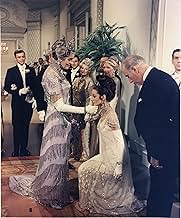
Best remembered as Audrey's Hepburn's prince in My Fair Lady, Buddy Bryan was a durable dancer and actor whose indelible smile and solid dancing talent brightened numerous films, television shows, and stage productions from the 1950s to the 1990s.
Born Byron Ross Bryan in Kansas City, Missouri, Bryan was raised in Compton, California where he had moved with his divorced-and-remarried mother and older brother before the age of four. Bryan dreamed of a career in dance and theater, and immediately following his seventeenth birthday, he joined the Navy with the specific aim of using the G.I. Bill to finance a professional education. After his discharge in 1949 and five months of studying ballet with Bronislava Njinska (sister of the famed Vaslav Nijinsky), Bryan auditioned successfully for his on-stage debut as a dancer in a Los Angeles Civic Light Opera production of the The Chocolate Soldier. He would return as a leading dancer in nine more LACLO productions over the next four years. Bryan danced in the American Legion's touring production Red, White and Blue: An All-American Review, playing eighteen venues between October 1950 and January 1951. He also began working in film, his first, The Merry Widow (1952), auspiciously being choreographed by Jack Cole. When the 1951 LACLO production of Three Wishes for Jamie made the leap to Broadway in early 1952, Bryan went along as part of the dancing ensemble. He also performed in club engagements in Las Vegas, appearing on the bill with headliners including Hoagy Carmichael, Margaret Whiting, Dorothy Shay, and Denise Darcel.
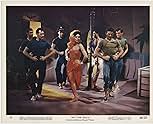
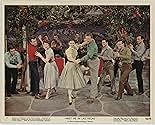
Throughout the early 1950s, Bryan appeared frequently as a chorus dancer in Hollywood musicals for most of the major studios. He was cast in films with top stars such as Lana Turner, Gene Kelly, Bing Crosby, Doris Day, Rex Harrison, and Barbra Streisand, and partnered with Vera-Ellen, Ethel Merman, Shirley MacLaine, and French ballerina Zizi Jeanmaire in dance numbers. In his first seven years he appeared in eighteen films. Although Bryan was only occasionally pulled out of the chorus to dance in a featured position with the leading lady, his height, good looks, and radiant smile seem to have secured him prominent placement onscreen. Bryan also appeared frequently on television with such hosts as Jimmy Durante, Milton Berle, Eddie Cantor, on The Colgate Comedy Hour (1950), and in many of the then-popular "Spectaculars".
In 1958, Bryan returned to Las Vegas to appear onstage in "C'est Magnifique", the inaugural show of le Lido de Paris at the Stardust hotel. This show, staged by Donn Arden, was the first of the European-style spectaculars that would become the standard for Las Vegas entertainment. During his six-month run as the leading male dancer in the show, Bryan married dancer and fellow cast member Carole Sharpley. English-born Sharpley was one of the prestigious "Bluebell Girls" who had been imported from le Lido in Paris. They would appear both together and separately in films and on television through the early 1960s.
Bryan's experience in the francocentric Lido show was put to good use when he returned to Los Angeles to work on the film Can-Can (1960), serving both as a dancer and as assistant to the film's choreographer, Hermes Pan. Bryan subsequently appeared as one of The Hermes Pan Dancers on television and in 1963, was chosen by Pan (under Fred Astaire's watchful eye) to dance with Barrie Chase in her nightclub act at the Hotel Sahara in Las Vegas along with Bert May and Christopher Riordan.
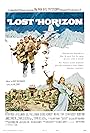
Despite the diminishing number of traditional Hollywood musicals in the 1960s and 1970s, Bryan continued to secure film appearances. Marking the most memorable of his career, he played Prince Gregor of Transylvania in My Fair Lady (1964), dancing with Audrey Hepburn in the film's climactic scene. In Hello, Dolly! (1969), he was featured in an extended non-dancing cameo as a frustrated diner in the "Waiter's Gavotte" number, in addition to dancing in most of the other production numbers. His prominent placement as a litter bearer and dancer in Lost Horizon (1973), (undoubtedly due to his association with the film's choreographer Hermes Pan) shows that in his mid-forties he was still extremely fit and could hold his own with the much younger dancers in the cast.
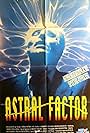
In addition to film, Bryan continued to work in television and on stage. He appeared in club acts with Betty Grable, Juliet Prowse, Cyd Charisse, Dinah Shore, and in production numbers at all the major Vegas venues including the Tropicana (opening with Eddie Fisher), New Frontier, El Rancho, Sahara, and Riviera, frequently both dancing and serving as the choreographer's assistant. He toured in the Lincoln Center revival of the stage musical Kismet in 1965, having previously appeared in the film version in 1955 and in a LACLO production of the show in 1963. He reprised the role of Akbar for a third time in 1976 at LACLO. He danced on numerous variety shows including The Judy Garland Show (1963), The Andy Williams Show (1962), The Jonathan Winters Show, The Hollywood Palace (1964), and Jimmy Durante Presents the Lennon Sisters (1969). Unfortunately, his appearance in the made-for-TV thriller Invisible Strangler (1976), for which he also served as choreographer, was cut down substantially in the re-edited version, The Astral Factor (1978).
In his later career, Bryan turned to small bit and background parts on television and occasionally on film, appearing repeatedly in several of the popular dramatic series. Buddy Bryan passed away at age 67 in 1997, survived by his ex-wife and one son. He is remembered as a fine dancer and a generous, helpful, and supportive friend.
Born Byron Ross Bryan in Kansas City, Missouri, Bryan was raised in Compton, California where he had moved with his divorced-and-remarried mother and older brother before the age of four. Bryan dreamed of a career in dance and theater, and immediately following his seventeenth birthday, he joined the Navy with the specific aim of using the G.I. Bill to finance a professional education. After his discharge in 1949 and five months of studying ballet with Bronislava Njinska (sister of the famed Vaslav Nijinsky), Bryan auditioned successfully for his on-stage debut as a dancer in a Los Angeles Civic Light Opera production of the The Chocolate Soldier. He would return as a leading dancer in nine more LACLO productions over the next four years. Bryan danced in the American Legion's touring production Red, White and Blue: An All-American Review, playing eighteen venues between October 1950 and January 1951. He also began working in film, his first, The Merry Widow (1952), auspiciously being choreographed by Jack Cole. When the 1951 LACLO production of Three Wishes for Jamie made the leap to Broadway in early 1952, Bryan went along as part of the dancing ensemble. He also performed in club engagements in Las Vegas, appearing on the bill with headliners including Hoagy Carmichael, Margaret Whiting, Dorothy Shay, and Denise Darcel.
Throughout the early 1950s, Bryan appeared frequently as a chorus dancer in Hollywood musicals for most of the major studios. He was cast in films with top stars such as Lana Turner, Gene Kelly, Bing Crosby, Doris Day, Rex Harrison, and Barbra Streisand, and partnered with Vera-Ellen, Ethel Merman, Shirley MacLaine, and French ballerina Zizi Jeanmaire in dance numbers. In his first seven years he appeared in eighteen films. Although Bryan was only occasionally pulled out of the chorus to dance in a featured position with the leading lady, his height, good looks, and radiant smile seem to have secured him prominent placement onscreen. Bryan also appeared frequently on television with such hosts as Jimmy Durante, Milton Berle, Eddie Cantor, on The Colgate Comedy Hour (1950), and in many of the then-popular "Spectaculars".
In 1958, Bryan returned to Las Vegas to appear onstage in "C'est Magnifique", the inaugural show of le Lido de Paris at the Stardust hotel. This show, staged by Donn Arden, was the first of the European-style spectaculars that would become the standard for Las Vegas entertainment. During his six-month run as the leading male dancer in the show, Bryan married dancer and fellow cast member Carole Sharpley. English-born Sharpley was one of the prestigious "Bluebell Girls" who had been imported from le Lido in Paris. They would appear both together and separately in films and on television through the early 1960s.
Bryan's experience in the francocentric Lido show was put to good use when he returned to Los Angeles to work on the film Can-Can (1960), serving both as a dancer and as assistant to the film's choreographer, Hermes Pan. Bryan subsequently appeared as one of The Hermes Pan Dancers on television and in 1963, was chosen by Pan (under Fred Astaire's watchful eye) to dance with Barrie Chase in her nightclub act at the Hotel Sahara in Las Vegas along with Bert May and Christopher Riordan.
Despite the diminishing number of traditional Hollywood musicals in the 1960s and 1970s, Bryan continued to secure film appearances. Marking the most memorable of his career, he played Prince Gregor of Transylvania in My Fair Lady (1964), dancing with Audrey Hepburn in the film's climactic scene. In Hello, Dolly! (1969), he was featured in an extended non-dancing cameo as a frustrated diner in the "Waiter's Gavotte" number, in addition to dancing in most of the other production numbers. His prominent placement as a litter bearer and dancer in Lost Horizon (1973), (undoubtedly due to his association with the film's choreographer Hermes Pan) shows that in his mid-forties he was still extremely fit and could hold his own with the much younger dancers in the cast.
In addition to film, Bryan continued to work in television and on stage. He appeared in club acts with Betty Grable, Juliet Prowse, Cyd Charisse, Dinah Shore, and in production numbers at all the major Vegas venues including the Tropicana (opening with Eddie Fisher), New Frontier, El Rancho, Sahara, and Riviera, frequently both dancing and serving as the choreographer's assistant. He toured in the Lincoln Center revival of the stage musical Kismet in 1965, having previously appeared in the film version in 1955 and in a LACLO production of the show in 1963. He reprised the role of Akbar for a third time in 1976 at LACLO. He danced on numerous variety shows including The Judy Garland Show (1963), The Andy Williams Show (1962), The Jonathan Winters Show, The Hollywood Palace (1964), and Jimmy Durante Presents the Lennon Sisters (1969). Unfortunately, his appearance in the made-for-TV thriller Invisible Strangler (1976), for which he also served as choreographer, was cut down substantially in the re-edited version, The Astral Factor (1978).
In his later career, Bryan turned to small bit and background parts on television and occasionally on film, appearing repeatedly in several of the popular dramatic series. Buddy Bryan passed away at age 67 in 1997, survived by his ex-wife and one son. He is remembered as a fine dancer and a generous, helpful, and supportive friend.