
Latest news
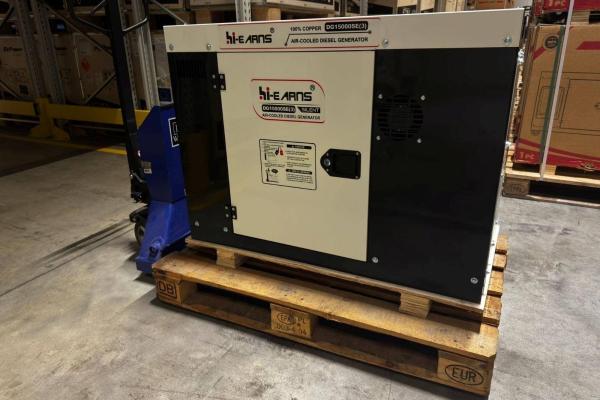
The European Commission is today deploying 447 emergency generators from EU strategic reserves to restore power to hospitals, shelters and critical services. The generators - mobilised from rescEU strategic reserves hosted in Poland - will be distributed to the most affected communities.
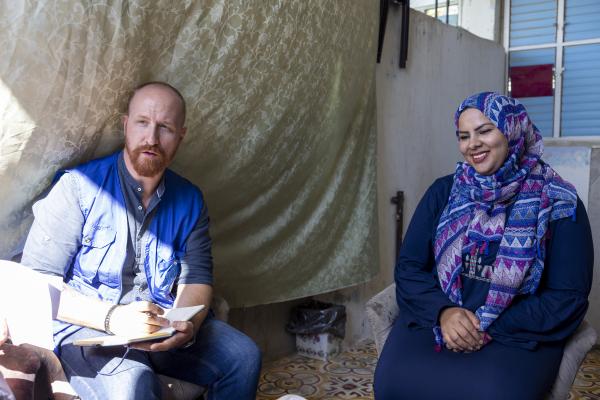
At a time when 239 million people need assistance and major donors are cutting funding. Commissioner Hadja Lahbib brings this commitment to Davos today, seeking to mobilise private sector finance and innovative solutions that can complement public funding and reach people in need.
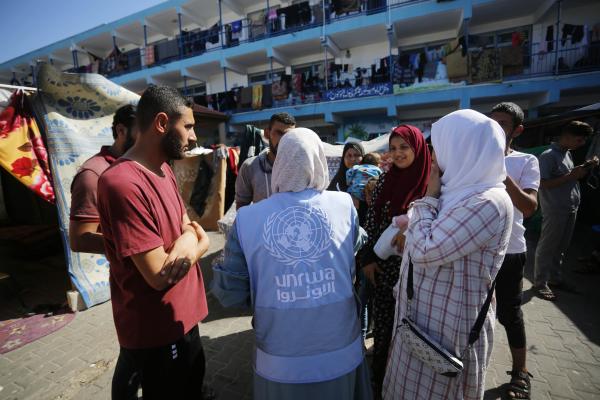
The EU is committed to continuing its political and financial support to UNRWA. UNRWA's functioning contributes to maintaining conditions conducive to peace and security, and any disruption of its work has significant humanitarian, , political, and socio-economic repercussions.






Calls for proposals
- Call status: Open
This is an invitation to submit proposals for EU grants in the field of prevention and preparedness projects on civil protection and more specifically adaptation grants, in the field of the European Civil Protection Pool (ECPP, the Pool) under the EU Civil Protection Mechanism (UCPM).
- Call status: Open
Investing in resilience unlocks social, economic and environmental benefits that outweigh the cost regardless of whether and when a disaster materialises.
Recommended
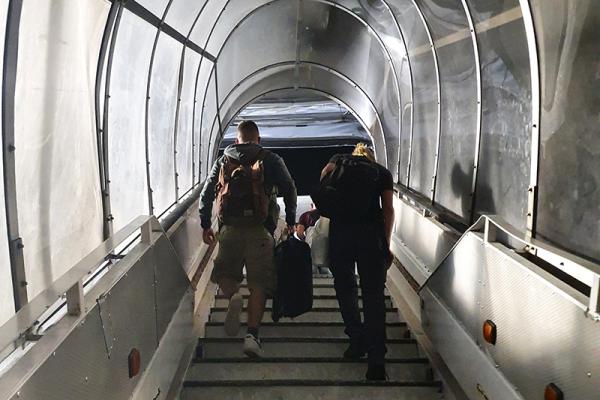
The EU Civil Protection Mechanism can be activated to request assistance for consular support during evacuation operations.
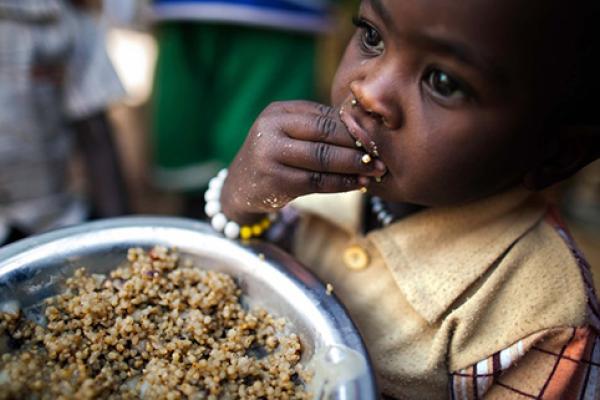
Through its humanitarian food assistance, the EU aims to ensure access to safe and nutritious food for the most hungry and vulnerable people in crises.

The European Commission has set up an operational system to channel in-kind donations from third countries and the private sector to Ukraine, Moldova, and neighbouring EU countries.
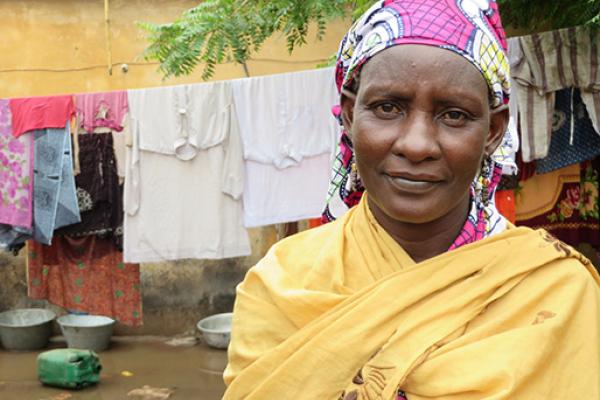
Humanitarian protection addresses violence, coercion, deliberate deprivation and abuse for persons, groups, and communities in humanitarian crises