 A goroutine pool for Go


English | 中文
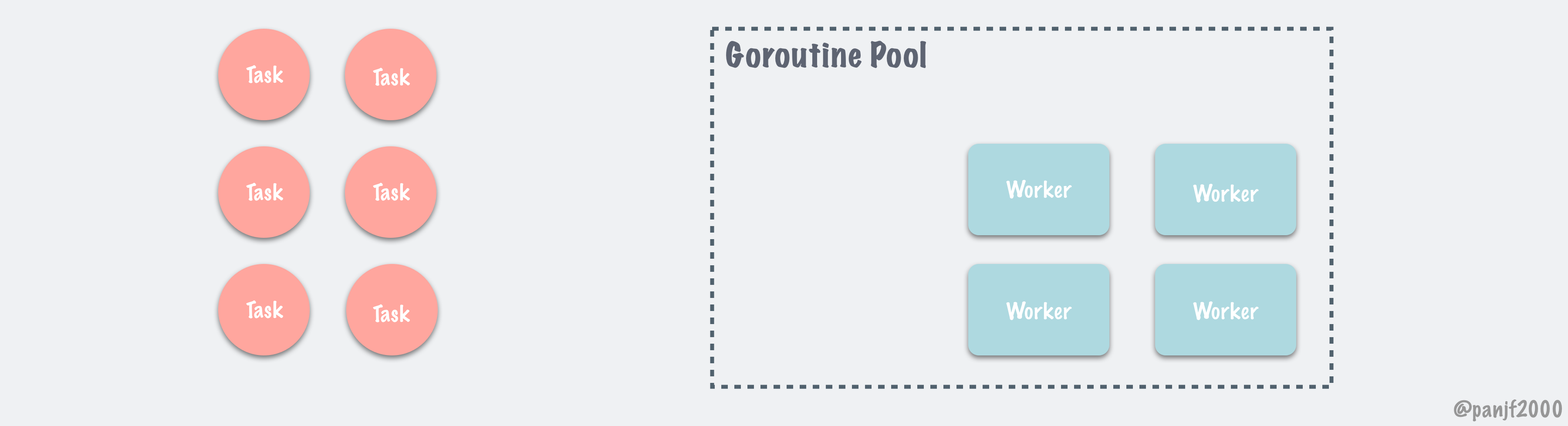
Library ants implements a goroutine pool with fixed capacity, managing and recycling a massive number of goroutines, allowing developers to limit the number of goroutines in your concurrent programs.
This project is derived from: https://github.com/panjf2000/ants
Original Author: Andy Pan License: MIT
This fork includes significant modifications and refactoring.
- Managing and recycling a massive number of goroutines automatically
- Purging overdue goroutines periodically
- Abundant APIs: submitting tasks, getting the number of running goroutines, tuning the capacity of the pool dynamically, releasing the pool, rebooting the pool, etc.
- Handle panic gracefully to prevent programs from crash
- Efficient in memory usage and it may even achieve higher performance than unlimited goroutines in Go
- Nonblocking mechanism
- Preallocated memory (ring buffer, optional)



go get -u github.com/phamnam2003/antsCheck out the examples for basic usage.
ants.Optionscontains all optional configurations of the ants pool, which allows you to customize the goroutine pool by invoking option functions to set up each configuration in NewPool/NewPoolWithFunc/NewPoolWithFuncGeneric method.
Check out ants.Options and ants.Option for more details.
ants supports customizing the capacity of the pool. You can call the NewPool method to instantiate a Pool with a given capacity, as follows:
p, _ := ants.NewPool(10000)Tasks can be submitted by calling ants.Submit
ants.Submit(func(){})You can tune the capacity of ants pool at runtime with ants.Tune:
pool.Tune(1000) // Tune its capacity to 1000
pool.Tune(100000) // Tune its capacity to 100000
Don't worry about the contention problems in this case, the method here is thread-safe (or should be called goroutine-safe).
ants allows you to pre-allocate the memory of the goroutine queue in the pool, which may get a performance enhancement under some special certain circumstances such as the scenario that requires a pool with ultra-large capacity, meanwhile, each task in goroutine lasts for a long time, in this case, pre-mallocing will reduce a lot of memory allocation in goroutine queue.
// ants will pre-malloc the whole capacity of pool when calling ants.NewPool.
p, _ := ants.NewPool(100000, ants.WithPreAlloc(true))pool.Release()or
pool.ReleaseTimeout(time.Second * 3)// A pool that has been released can be still used after calling the Reboot().
pool.Reboot()All tasks submitted to ants pool will not be guaranteed to be addressed in order, because those tasks scatter among a series of concurrent workers, thus those tasks would be executed concurrently.
Please read our Contributing Guidelines before opening a PR and thank you to all the developers who already made contributions to ants!
The source code in ants is available under the MIT License.