Guardians of the Elms: Saskatoon’s Ecological Emergency

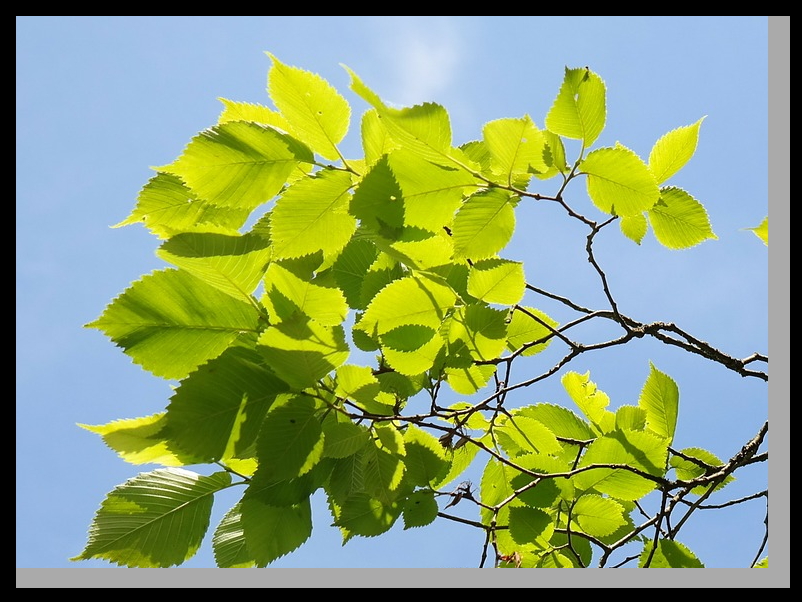
The elm, with its sweeping arch of green, has long been the cathedral tree of our northern cities. Its vaulted canopy shades our streets, cools our homes, and whispers to us of continuity with nature. In Saskatoon, nearly a quarter of the urban forest is elm—a treasure beyond measure. In the afforestation areas, too, Siberian Elms, and American Elms are a great portion of the canopy. Yet today, we face a dire crisis. The City has declared an ecological emergency as Dutch elm disease spreads with alarming speed. How to Identify an Elm. How to Spot Dutch Elm Disease Symptoms.

This is no ordinary ailment. Dutch elm disease (DED) is a ruthless invader, a fungus—Ophiostoma ulmi and its more virulent cousin Ophiostoma novo-ulmi—that enters the tree’s veins and clogs them, cutting off life itself. The carriers are small, inconspicuous elm bark beetles. On their wings, they bear spores like unwelcome cargo. Seeking places to lay their eggs, they search for damaged elm—pruned in the wrong season, broken by storm, or cut for careless firewood. From there, death marches through the canopy.

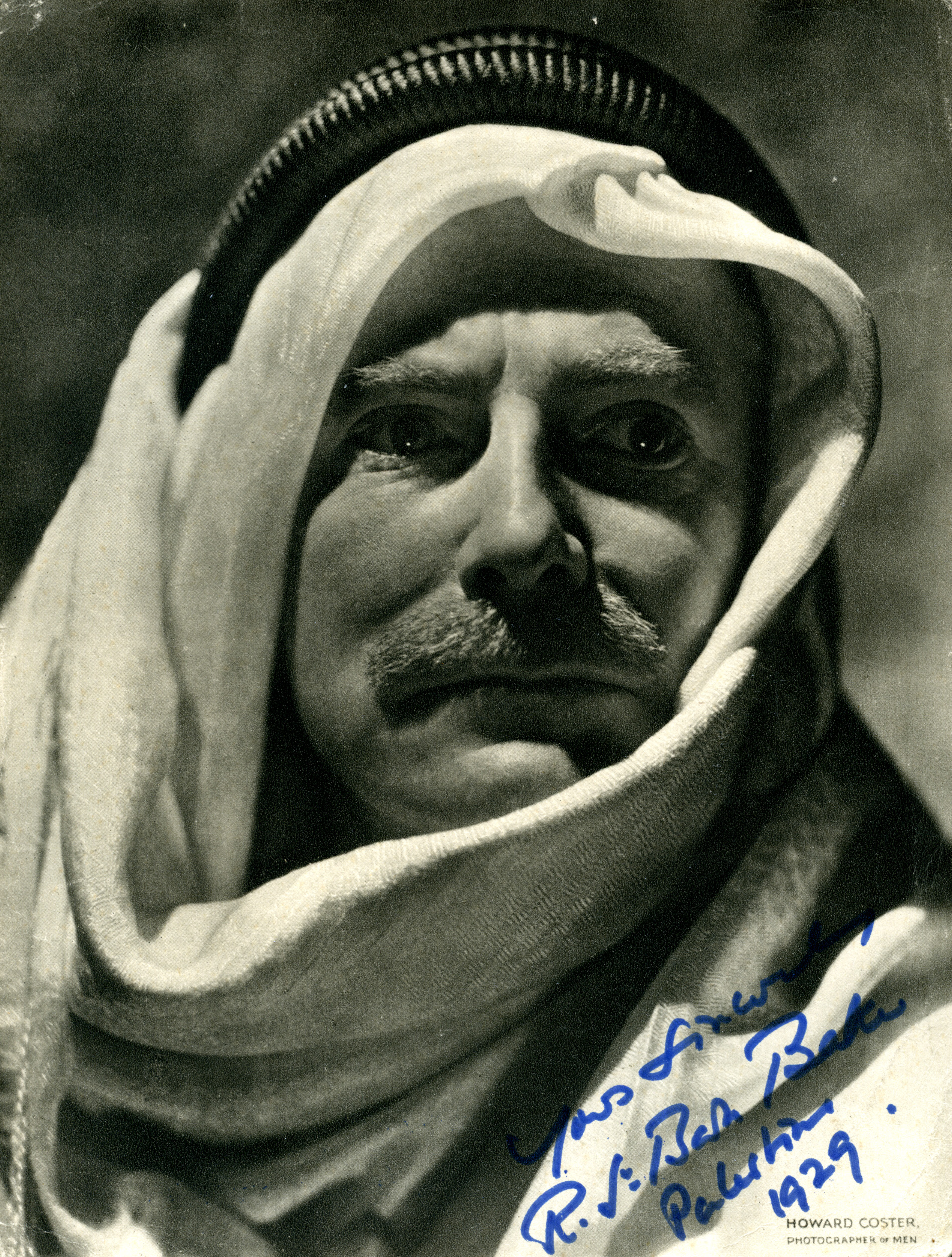
Richard St. Barbe Baker, silviculturist (forest doctor) has seen many forests suffer, but few plagues advance as swiftly as this. A tree that stood proudly in May may be yellowed and withered by August, its crown shriveling, its roots starving. So entire boulevards may fall silent, their green vaults gone, sunlight harsh and unbroken upon the pavement.

The Call to Action

The City has confirmed a record twelve cases this summer—more than ever before. Seven more trees show unmistakable signs and will be removed. Already, over 8,700 kilograms of elm wood have been gathered and destroyed, yet more remains.

Thai Hoang, Director of Parks, sounded the alarm plainly: “Do not store elm wood on your property. Do not burn it in your fire pit. About a quarter of our forest canopy is elm. This is not a minor issue—it is an ecological emergency.”

Indeed, the beetle thrives in neglected woodpiles. Every log, every stored branch, is a breeding ground. To keep elm wood is to endanger the very heart of our city.

Best Practices for Guardianship

We who love trees must become their guardians. There are simple yet essential practices:

  • Never transport or store elm wood. Dispose of it only at the City landfill, where handling is safe and free.
  • Obey the provincial pruning ban between April 1 and August 31. Fresh cuts draw the beetles like moths to a flame.
  • Water wisely. From April until mid-August, water deeply. Then let the trees harden for winter, with one or two final soakings before freeze-up.
  • Prune in very early spring. At that time, wounds heal quickly, and beetles are less active.
  • Maintain soil and roots. Fertilize thoughtfully, protect roots from damage during construction, and mulch well to prevent mower injury.

The elm is resilient if cared for. But neglect is its undoing.

The Mystery of the Survivor Elms

Yet even in this dark time, there is hope. Researchers tell us of survivor elms—trees that, though surrounded by the dying, endure. These are not unlike people who endured the scourge of COVID-19. Those with co-morbidities fared worse, while the strong sometimes resisted. So it is with elms. Healthy, vigorous trees may overcome where weakened ones fail.

In Minnesota and elsewhere, researchers funded by the MITPPC are studying these survivor trees, seeking to propagate their resilience. Early-flushing clones, resistant hybrids, and cultivars like Valley Forge, Prairie Expedition, and Jefferson may offer us a new generation of elms. Some of these hybrids draw strength from Asian species, which co-evolved with the fungus and are far less susceptible.

This is the field of hope: not only to protect the present, but to plant a future forest of resistance.

A Plea for Stewardship

Let us remember: the elm is more than wood and leaves. It is a shelter for birds, a fortress against wind, a cooling balm in summer, a companion in our daily walk. To lose it is to lose part of ourselves.

As Richard St. Barbe Baker often said, “if a man loses one-third of his skin he dies; if a tree loses one third of its bark, it too dies. If the Earth is a ‘sentient being’, would it not be reasonable to expect that if it loses one third of its trees and vegetable covering, it will also die?” The elm has stood beside us for generations; now we must stand for it.

The emergency in Saskatoon is real, but it need not be the end. With vigilance, with science, with love, and with law, we can yet preserve these cathedral trees. And in time, with resistant cultivars and survivor elms, we may restore what is lost.

But only if we act—together, now.

“The minimum for safety is one third of the total land area. I think what is happening to the elms must be alerting the whole country to the necessity of trees, of the need for more trees. The elm has the largest leaf surface of any tree in Britain. If you …. put the leaves together edge to edge, they would cover ten acres. So naturally, the first tree to suffer from air pollution was the elm and, of course, when an elm is suffering from fatigue it is subject to attack by disease: the elm bark beetle, the carrier of the elm fungus, comes along and the tree succumbs.

I look at it this way. If a person is living a normal life and not abusing themselves – not smoking too much, not eating too much, not drinking too much – but living normally and eating the right food – they will be fit and well. It is only when they start abusing themselves that they are prone to attack by disease. It is the same with trees.

The next tree to go (the next tree with the largest leaf surface after the elm) is probably the beech: after that the sycamore: and so on. Finally it will be Man’s turn. We forget that we owe our existence to the presence of trees and as far as forest cover goes, we have never been in such a vulnerable position as we are today. The only answer is to plant more trees – to plant for our lives.
Richard St. Barbe Baker answers the first question above” Richard St. Barbe Baker.


Bibliography


Addresses:

Part SE 23-36-6 – Richard St. Barbe Baker Afforestation Area – 241 Township Road 362-A

Part SE 23-36-6 – SW Off-Leash Recreation Area (Richard St. Barbe Baker Afforestation Area ) – 355 Township Road 362-A

S ½ 22-36-6 Richard St. Barbe Baker Afforestation Area (West of SW OLRA) – 467 Township Road 362-A

NE 21-36-6 “George Genereux” Afforestation Area – 133 Range Road 3063

Wikimapia Map: type in Richard St. Barbe Baker Afforestation Area or

Google Maps South West Off Leash area location pin at parking lot

Web page: https://stbarbebaker.wordpress.com

Where is the Richard St. Barbe Baker Afforestation Area? with map

Where is the George Genereux Urban Regional Park (Afforestation Area)?with map

Pinterest richardstbarbeb

Blogger: FriendsAfforestation

Tumblr friendsafforestation.tumblr.comFacebook Group Page: Users of the George Genereux Urban Regional Park

Facebook: StBarbeBaker Afforestation Area

Facebook for the non profit Charity Friends of the Saskatoon Afforestation Areas Inc. FriendsAreas

Facebook group page : Users of the St Barbe Baker Afforestation Area

Facebook: South West OLRA

Reddit: FriendsAfforestation

BlueSky Social

Mix: friendsareas

YouTube

Support via Zeffy

Please help protect / enhance your afforestation areas, please contact the Friends of the Saskatoon Afforestation Areas Inc. (e-mail / e-transfers )

Donate your old vehicle, here’s how!  

Support using Canada Helps

Support via a recycling bottle donation and Join the plastic-recycle challenge!

United Nations Decade on Ecosystem Restoration

““Be like a tree in pursuit of your cause. Stand firm, grip hard, thrust upward. Bend to the winds of heaven..”

Richard St. Barbe Baker

A Friendly Reminder: Elm Tree Pruning Ban protects the Saskatoon Afforestation Areas

As spring arrives and people start thinking about pruning trees in their yards, it is important to remember that there is a provincial-wide ban on pruning elm trees from April 1 to August 31 due to the risk and threat of Dutch elm disease (DED). This ban is in place to prevent the spread of the fungal disease which can be deadly to elm trees.

Saskatoon is known as the “City of Bridges” and “The Paris of the Prairies” due to its many beautiful elm trees. In fact, one in every four trees in Saskatoon is an elm tree and is at risk of DED. The Afforestation Areas, planted in 1972 and 1973, also contain many elm trees among the recommended tree species which include American Elm and Siberian Elm.

Recently, DED was found in the nearby Montgomery Place neighborhood. It is crucial to prevent the spread of this disease to other areas, including the Afforestation Areas. Storing cut elm as firewood or in any form anywhere is not recommended. The bark beetle makes its way to decaying elm wood, and the beetle carries the DED fungus on its back. By having any form of elm tree cut in or nearby to the Afforestation Area, all elm trees are at risk.

Besides the fact that pruning elm trees during the ban is subject to a provincial-wide ban, Bylaw 7767 also states that “no person shall damage or destroy any vegetation or any structure in a Park or Recreation Facility.” Therefore, it is important for all park users to be stewards of the Afforestation Areas and watch for signs of DED in elm trees, including flagging and yellowing of leaves off-season at the top of the tree canopy. It is also important to watch for signs of cut elm and mention it to the City of Saskatoon Urban Forestry Department at 306-975-2890.

As users and stewards of the Afforestation Areas, it is our responsibility to protect the trees from diseases and to maintain their health. The Afforestation Areas are home to many species of wildlife, including birds, deer, and small mammals. Trees are an important part of their habitat, and cutting down or damaging trees in the forest can have a significant impact on their survival.

We encourage all residents to be aware of the Dutch elm disease and the importance of following the provincial-wide ban on pruning elm trees anywhere in Saskatoon and area. By doing so, we can help protect our beautiful elm trees and the wildlife that depends on them.

If you suspect that an elm tree in the Afforestation Areas or elsewhere may have DED, please contact the City of Saskatoon Urban Forestry Department immediately. They will send an arborist to assess the tree and determine if it needs to be removed.

In conclusion, let us all do our part to protect the elm trees in the Afforestation Areas and throughout Saskatoon from Dutch elm disease. By following the provincial-wide ban on pruning elm trees and reporting any signs of DED, we can ensure that these beautiful trees continue to thrive for generations to come. Thank you for being a responsible steward of our natural environment.

For directions as to how to drive to “George Genereux” Urban Regional Park
For directions on how to drive to Richard St. Barbe Baker Afforestation Area
For more information:
Blairmore Sector Plan Report; planning for the Richard St. Barbe Baker Afforestation Area, George Genereux Urban Regional Park and West Swale and areas around them inside of Saskatoon city limits
NEW P4G District Official Community Plan
Richard St. Barbe Baker Afforestation Area is located in Saskatoon, Saskatchewan, Canada north of Cedar Villa Road, within city limits, in the furthest south west area of the city. 52° 06′ 106° 45′
Addresses:
Part SE 23-36-6 – Afforestation Area – 241 Township Road 362-A
Part SE 23-36-6 – SW Off-Leash Recreation Area (Richard St. Barbe Baker Afforestation Area ) – 355 Township Road 362-A
S ½ 22-36-6 Richard St. Barbe Baker Afforestation Area (West of SW OLRA) – 467 Township Road 362-A
NE 21-36-6 “George Genereux” Afforestation Area – 133 Range Road 3063
Wikimapia Map: type in Richard St. Barbe Baker Afforestation Area
Google Maps South West Off Leash area location pin at parking lot
Web page: https://stbarbebaker.wordpress.com
Where is the Richard St. Barbe Baker Afforestation Area? with map
Where is the George Genereux Urban Regional Park (Afforestation Area)?with map
Pinterest richardstbarbeb
Blogger: FriendsAfforestation
Tumblr friendsafforestation.tumblr.comFacebook Group Page: Users of the George Genereux Urban Regional Park
Facebook: StBarbeBaker Afforestation Area
Facebook for the non profit Charity Friends of the Saskatoon Afforestation Areas Inc. FriendsAreas
Facebook group page : Users of the St Barbe Baker Afforestation Area
Facebook: South West OLRA
Reddit: FriendsAfforestation
Twitter: St Barbe Baker Charity Twitter:FriendsAreas
Mix: friendsareas
YouTube
Please help protect / enhance your afforestation areas, please contact the Friends of the Saskatoon Afforestation Areas Inc. (e-mail / e-transfers )Support the afforestation areas with your donation or membership ($20.00/year). Please donate by paypal or by using e-transfers Please and thank you! Your donation and membership is greatly appreciated. Members e-mail your contact information to be kept up to date!
Donations can be made through Paypal, Canada Helps, Contact Donate A Car Canada, SARCAN Drop & Go 106100594 for the Friends of the Saskatoon Afforestation Areas Inc.
United Nations Decade on Ecosystem Restoration
Use the UN Decade’s Visual Identity
Make it your own
Spread the word about the UN Decade
Let’s Bring Back Forests
Let’s Green Our Cities
“Be like a tree in pursuit of your cause. Stand firm, grip hard, thrust upward. Bend to the winds of heaven..”
Richard St. Barbe Baker

Elm Trees and Pruning

Do you have some Elm trees you wish to prune on city and area properties, prune them now! Remember pruning or chopping down trees in a City of Saskatoon park is covered under the City of Saskatoon urban tree policy – so you must contact the City of Saskatoon.

The elm pruning ban begins April 1st, and is in effect until August 31st- that is the time period when it is illegal to prune Elm trees on your property

The Elm bark beetle is the most active during these warmer months April 1-August 31. The Elm Bark Beetles lead to the spread of Dutch Elm disease and are attracted to the injuries in the Elm trees such as those caused by pruning.

Both American Elm and Siberian Elm are susceptible to Dutch Elm Disease, which actually is a fungal virus carried around on the backs of the Elm Bark Beetle.

To date, there has been found no way to cure the pandemic of Dutch Elm disease. To prevent it from spreading, and taking out this beautiful leafy American Elm tree canopy across Saskatchewan, trees should be removed immediately and disposed of by choosing from burning, burial or take the branches to the landfill for disposal there.

Never, ever break the law and store or transport Elm for firewood or for any other reason. Whatever you do, do not throw or discard Elm into any forested area, such as Richard St. Barbe Baker Afforestation Area or George Genereux Park. These greenspaces have a plethora of elm, which add to the beauty of the green space area. The wood from firewood or pruned branches can harbor the Elm bark beetle, which is how the Dutch Elm disease can spread so quickly from tree to tree, city to city, province to province. and ravage and decimate our enjoyment of forests and trees.

Pay attention after Easter, for as the trees are supposed to be greening up, pay attention to the Elm appearance around you. Those trees that have been infected by Dutch Elm disease, will show leaves turning yellow, then curl and brown in the spring. This sign of “flagging” will start at the top of the Elm tree in the crown, and continue until the until the autumn colours appear. 

The City of Saskatoon webpages say; “Residents who start to notice any of these symptoms, are encouraged to complete the online form below or call Urban Biological Services at 306-975-2890.

Therefore, at your home or farm, please trim your Elm trees before April 1st. Afterwards do NOT store Elm wood on your property, or on anyone else’s property, and not in the afforestation areas. Take your pruned branches, and trimmings straight to the landfill.

Tree Care SOS Trees Coalition Formerly SOS Elms

City of Saskatoon Dutch Elm Disease

Province of Saskatchewan Dutch Elm Disease

Elm trees are a valuable part of our ecosystem. “Seeds are an important source of food for birds and mammals, with large “mast” seeds being especially valued by wildlife” source Besides the birds eating elm seeds and the leaves provide nutrition and food for the caterpillars of many moths. There are species of butterflies and moths which have declined dramatically since the spread of Dutch elm disease. It is a ripple effect, we must all do our part to protect species at risk, when DED is spread so much faster with the aid of vehicle transporting pruned branches and firewood and not disposing of same appropriately.

The International Day of Forests proclaimed by the United Nations is March 21. How will you celebrate this auspicious occasion?

 “We forget that we owe our existence to  the presence of Trees.   As far as forest  cover goes, we have never been in such a  vulnerable position as we are today.  The  only answer is to plant more Trees – to  Plant Trees for Our Lives.”

Richard St. Barbe Baker

For directions as to how to drive to “George Genereux” Urban Regional Park
For directions on how to drive to Richard St. Barbe Baker Afforestation Area
For more information:
Blairmore Sector Plan Report; planning for the Richard St. Barbe Baker Afforestation Area, George Genereux Urban Regional Park and West Swale and areas around them inside of Saskatoon city limits
NEW P4G District Official Community Plan
Richard St. Barbe Baker Afforestation Area is located in Saskatoon, Saskatchewan, Canada north of Cedar Villa Road, within city limits, in the furthest south west area of the city. 52° 06′ 106° 45′
Addresses:
Part SE 23-36-6 – Afforestation Area – 241 Township Road 362-A
Part SE 23-36-6 – SW Off-Leash Recreation Area (Richard St. Barbe Baker Afforestation Area ) – 355 Township Road 362-A
S ½ 22-36-6 Richard St. Barbe Baker Afforestation Area (West of SW OLRA) – 467 Township Road 362-A
NE 21-36-6 “George Genereux” Afforestation Area – 133 Range Road 3063
Wikimapia Map: type in Richard St. Barbe Baker Afforestation Area
Google Maps South West Off Leash area location pin at parking lot
Web page: https://stbarbebaker.wordpress.com
Where is the Richard St. Barbe Baker Afforestation Area? with map
Where is the George Genereux Urban Regional Park (Afforestation Area)?with map
Pinterest richardstbarbeb
Blogger: FriendsAfforestation
Tumblr friendsafforestation.tumblr.comFacebook Group Page: Users of the George Genereux Urban Regional Park
Facebook: StBarbeBaker Afforestation Area
Facebook for the non profit Charity Friends of the Saskatoon Afforestation Areas Inc. FriendsAreas
Facebook group page : Users of the St Barbe Baker Afforestation Area
Facebook: South West OLRA
Reddit: FriendsAfforestation
Twitter: St Barbe Baker Charity Twitter:FriendsAreas
Mix: friendsareas

YouTube

Please help protect / enhance your afforestation areas, please contact the Friends of the Saskatoon Afforestation Areas Inc. (e-mail / e-transfers )Support the afforestation areas with your donation or membership ($20.00/year). Please donate by paypal or by using e-transfers Please and thank you! Your donation and membership is greatly appreciated. Members e-mail your contact information to be kept up to date!

Donations can be made through Paypal, Canada Helps, Contact Donate A Car Canada, SARCAN Drop & Go 106100594 for the Friends of the Saskatoon Afforestation Areas Inc.

United Nations Decade on Ecosystem Restoration

“Be like a tree in pursuit of your cause. Stand firm, grip hard, thrust upward. Bend to the winds of heaven..”

Richard St. Barbe Baker

Dutch Elm Disease

Why is the ailment afflicting elm trees called “Dutch Elm Disease?”

Well according to BioForest Technologies Inc. “a young phytopathologist from the Netherlands named Bea Schwartz first isolated a fungus from dying elms in 1921, which would give rise to the Dutch elm disease moniker. Another Dutch researcher, Christine Buisman, would also be instrumental in showing the disease was, in fact, caused by this fungus.”

Where disease is a rather broad moniker combining two phrases meaning not at ease, it makes one wonder what is it that is making elm trees not at ease?

There are two small fungus which afflict weakened, and dying elm trees. Ophiostoma ulmi and Ophiostoma novo-ulmi are the latin names for this small sac fungus which afflict the elm trees. However, it is not said and done there. There is a little beetle which thinks that this fungus is so very delicious. The The American Phytopathological Society (APS) mentions that “two beetle species spread the pathogens in North America: the smaller European elm bark beetle (Scolytus multistriatus) and the native elm bark beetle (Hylurgopinus rufipes).” The beetles fly around searching out an elm tree afflicted with the fungus on which to lay its eggs. The fungus is necessary to the Dutch Elm Beetle survival. Once the afflicted elm tree is found with the sac fungus growing upon it, the beetle lays its eggs. The eggs hatch and the larva crawl around inside the tree under the bark seeking out more of the yummy fungus, and in the process create tunnels damaging the tree further. The trees feel these larva crawling around and send out a chemical attack to stop. By the time the tree is sending out a plethora of chemical agents to mitigate the Dutch Elm Disease the leaves can be seen wilting and turning yellow at the top of the tree as they are not getting the sap they need to survive, exacerbating and quickening the death of the elm tree. The larva eventually mature into adult beetles make it up to a fork in a branch of the tree, and fly away. As the elm bark beetles make there way through the tunnel galleries, the grooves on their back pick up fungal spores. The beetles carry the fungal spores to the next dead and weakened elm tree, and the process starts again. The fungus spreads to neighbouring elms if their root systems touch underground, thereby weakening the entire grove of elms.

Woodpeckers are indeed the tree and forest surgeons. Hinterland Who’s Who written by the Environment and Climate Change Canada & Canadian Wildlife Federation state that Downy woodpeckers “help suppress bark beetle infestations. During the 1950s and 1960s, the Downy Woodpecker in eastern North America fed extensively on the elm bark beetle.”

The other thing which will help our Elm Trees is to keep it healthy. Not raking the elm tree leaves will help the tree with proper nutrients from the detritus and leaf mould, and keeping the elm tree properly watered will reduce additional stresses on it, and a healthy tree will be better able to withstand disease. The sac fungus does not thrive on a healthy Elm Tree.

Another very important aspect for Dutch Elm Disease prevention is to follow proper elm tree cutting, and pruning protocols. The City of Saskatoon and the province of Saskatchewan have great resources for expounding upon the Elm pruning ban April 1 to August 31. All Elm wood must go directly to the land fill following pruning for proper disposal.

It is very important not to help the Dutch Elm Beetle spread the fungal spores. So transporting cut Elm firewood, will mean that a person in a truck will carry the fungal spores greater distances and quicker than the small dutch elm beetle. Elm firewood, being dead elm is a great home for the sac fungus, and therefore is a great incentive to attract the Dutch Elm Beetle.

Richard St. Barbe Baker was not a tree surgeon looking for Dutch Elm Beetles, but rather he was a special kind of forester known as a silviculturist, a doctor of forests. He is responsible for planting billions of trees worldwide through groups he created and his actions. Other people were inspired by Richard St. Barbe Baker and initiated their own tree planting campaigns such as Wangari Maathai who carried on the afforestation project in the Sahara Desert.
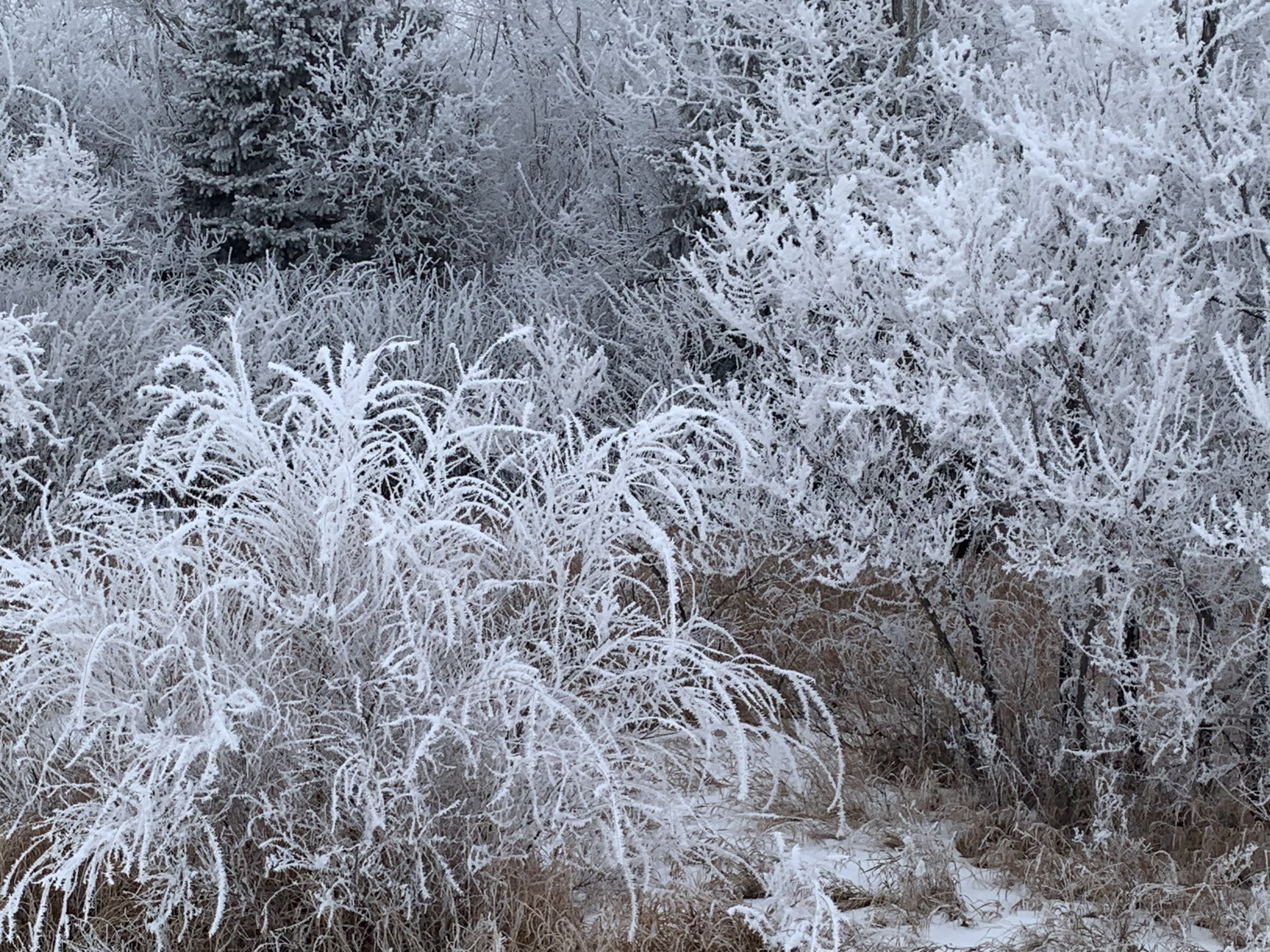
Plans to protect air and water, wilderness and wildlife are in fact plans to protect man.”

—Stewart Udall

SaskTip.com

For directions as to how to drive to “George Genereux” Urban Regional Park
For directions on how to drive to Richard St. Barbe Baker Afforestation Area
For more information:
Blairmore Sector Plan Report; planning for the Richard St. Barbe Baker Afforestation Area,  George Genereux Urban Regional Park and West Swale and areas around them inside of Saskatoon city limits
NEW P4G District Official Community Plan
DRAFT P4G Saskatoon North Partnership for Growth The P4G consists of the Cities of Saskatoon, Warman, and Martensville, the Town of Osler and the Rural Municipality of Corman Park; planning for areas around the afforestation area and West Swale outside of Saskatoon city limits
Richard St. Barbe Baker Afforestation Area is located in Saskatoon, Saskatchewan, Canada north of Cedar Villa Road, within city limits, in the furthest south west area of the city. 52° 06′ 106° 45′
Addresses:
Part SE 23-36-6 – Afforestation Area – 241 Township Road 362-A
Part SW 23-36-6 – SW Off-Leash Recreation Area (Richard St. Barbe Baker Afforestation Area ) – 355 Township Road 362-A
S ½ 22-36-6 Richard St. Barbe Baker Afforestation Area (West of SW OLRA) – 467 Township Road 362-A
NE 21-36-6 “George Genereux” Afforestation Area – 133 Range Road 3063
Wikimapia Map: type in Richard St. Barbe Baker Afforestation Area
Google Maps South West Off Leash area location pin at parking lot
Web page: https://stbarbebaker.wordpress.com
Where is the Richard St. Barbe Baker Afforestation Area? with map
Where is the George Genereux Urban Regional Park (Afforestation Area)? with map
Pinterest richardstbarbeb
Facebook Group Page: Users of the George Genereux Urban Regional Park
Facebook: StBarbeBaker
Facebook group page : Users of the St Barbe Baker Afforestation Area
Facebook: South West OLRA
Twitter: StBarbeBaker Please help protect / enhance your afforestation areas, please contact the Friends of the Saskatoon Afforestation Areas Inc. (e-mail / e-transfers ) Support the afforestation areas with your donation or membership ($20.00/year).  Please donate by paypal using the e-mail friendsafforestation AT gmail.com, or by using e-transfers to the same email. Please and thank you!  Your donation and membership is greatly appreciated.  Members e-mail your contact information to be kept up to date! Canada Helps
1./ Learn.
2./ Experience
3./ Do Something: ***
“The future of the planet concerns all of us, and all of us should do what we can to protect it. ” Wangari Maathai.
“The science of forestry arose from the recognition of a universal need. It embodies the spirit of service to mankind in attempting to provide a means of supplying forever a necessity of life and, in addition, ministering to man’s aesthetic tastes and recreational interests. Besides, the spiritual side of human nature needs the refreshing inspiration which comes from trees and woodlands. If a nations saves its trees, the trees will save the nation. And nations as well as tribes may be brought together in this great movement, based on the ideal of beautifying the world by the cultivation of one of God’s loveliest creatures – the tree.” ~ Richard St. Barbe Baker

Elm Trees are Beautiful

The Province of Saskatchewan has guidelines for Dutch Elm Disease as does the Government of Canada. Natural Resources Canada has a Dutch Elm Disease fact sheet. Agriculture and Agrifood Canada also has agricultural practices and agroforestry advice. The City of Saskatoon takes Dutch Elm Disease seriously, and for this reason, will not accept Elm at the compost areas in the city. “Also in accordance with the City’s DED Response Plan, inspectors will follow up and search for stored firewood in yards located in Montgomery, Fairhaven, Meadowgreen and the South Industrial area in an effort to pinpoint a source.”

Please be aware that the Richard St. Barbe Baker Afforestation Area and George Genereux have some magnificent and beautiful elm trees. Please follow guidelines for pruning, and please dispose of any elm leaves and branches in bags for the landfill. Thanks very much

Facebook Fundraiser. STOP Dutch Elm Disease pandemic  from entering the afforestation areas! Help protect this City of Saskatoon Urban Regional Park!

Help support this fundraiser to STOP Dutch Elm Disease pandemic from entering the afforestation areas! The fundraiser will go towards vehicle mitigation barriers and park identification signage to STOP illegal motorized trespass and illegal dumping! Please SHARE this fundraiser, taking care of trees is vitally important in this era of climate change! Protect our elms! LOOK at the George Genereux Clean UP Results!!! Please share the Friends of the Saskatoon Afforestation Areas Inc. [a non profit charity] fundraiser. You can get a charitable receipt By donating to the STOP Dutch Elm Disease fundraiser, you may receive as much as 53% of the amount you donated back at tax-time.

https://www.facebook.com/donate/246565156761430/

For directions as to how to drive to “George Genereux” Urban Regional Park

For directions on how to drive to Richard St. Barbe Baker Afforestation Area

For more information:

Blairmore Sector Plan Report; planning for the Richard St. Barbe Baker Afforestation Area,  George Genereux Urban Regional Park and West Swale and areas around them inside of Saskatoon city limits

NEW P4G District Official Community Plan

DRAFT P4G Saskatoon North Partnership for Growth The P4G consists of the Cities of Saskatoon, Warman, and Martensville, the Town of Osler and the Rural Municipality of Corman Park; planning for areas around the afforestation area and West Swale outside of Saskatoon city limits

Richard St. Barbe Baker Afforestation Area is located in Saskatoon, Saskatchewan, Canada north of Cedar Villa Road, within city limits, in the furthest south west area of the city. 52° 06′ 106° 45′
Addresses:
Part SE 23-36-6 – Afforestation Area – 241 Township Road 362-A
Part SE 23-36-6 – SW Off-Leash Recreation Area (Richard St. Barbe Baker Afforestation Area ) – 355 Township Road 362-A
S ½ 22-36-6 Richard St. Barbe Baker Afforestation Area (West of SW OLRA) – 467 Township Road 362-A
NE 21-36-6 “George Genereux” Afforestation Area – 133 Range Road 3063
Wikimapia Map: type in Richard St. Barbe Baker Afforestation Area
Google Maps South West Off Leash area location pin at parking lot
Web page: https://stbarbebaker.wordpress.com
Where is the Richard St. Barbe Baker Afforestation Area? with map
Where is the George Genereux Urban Regional Park (Afforestation Area)? with map

Pinterest richardstbarbeb

Facebook Group Page: Users of the George Genereux Urban Regional Park

Facebook: StBarbeBaker

Facebook group page : Users of the St Barbe Baker Afforestation Area

Facebook: South West OLRA

Twitter: StBarbeBaker Please help protect / enhance your afforestation areas, please contact the Friends of the Saskatoon Afforestation Areas Inc. (e-mail / e-transfers )Support the afforestation areas with your donation or membership ($20.00/year).  Please donate by paypal using the e-mail friendsafforestation AT gmail.com, or by using e-transfers  Please and thank you!  Your donation and membership is greatly appreciated.  Members e-mail your contact information to be kept up to date! Canada Helps

1./ Learn.

2./ Experience

3./ Do Something: ***

“The future of the planet concerns all of us, and all of us should do what we can to protect it. ” Wangari Maathai.

“The science of forestry arose from the recognition of a universal need. It embodies the spirit of service to mankind in attempting to provide a means of supplying forever a necessity of life and, in addition, ministering to man’s aesthetic tastes and recreational interests. Besides, the spiritual side of human nature needs the refreshing inspiration which comes from trees and woodlands. If a nations saves its trees, the trees will save the nation. And nations as well as tribes may be brought together in this great movement, based on the ideal of beautifying the world by the cultivation of one of God’s loveliest creatures – the tree.” ~ Richard St. Barbe Baker

Design a site like this with WordPress.com
Get started