

When the world stumbled, the economy kept walking, but more slowly. Despite recent shocks, the global economy has remained resilient, but long‑term growth has slowed, leaving many developing countries poorer than before the COVID‑19 pandemic. Rising inequality between high- and low‑income economies reflects policy setbacks, especially weakened fiscal discipline. The lesson is clear: strong governance, clearer fiscal rules and renewed reforms are essential for developing economies to regain momentum.
Economic Development
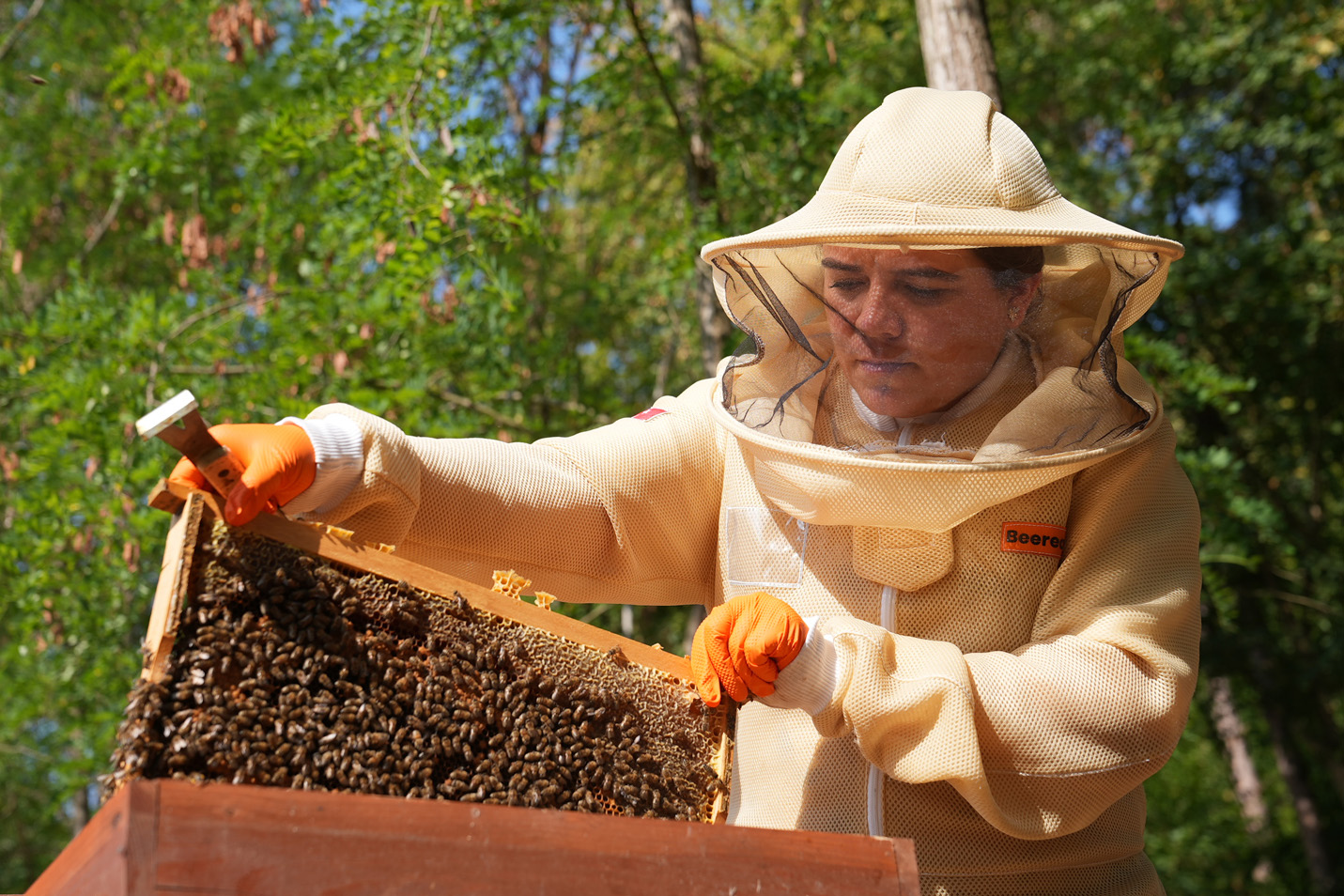
After leaving a successful corporate career, Nurcan Tekneci rebuilt her life around sustainable beekeeping in rural Türkiye, becoming an entrepreneur, trainer and community role model with support from FAO
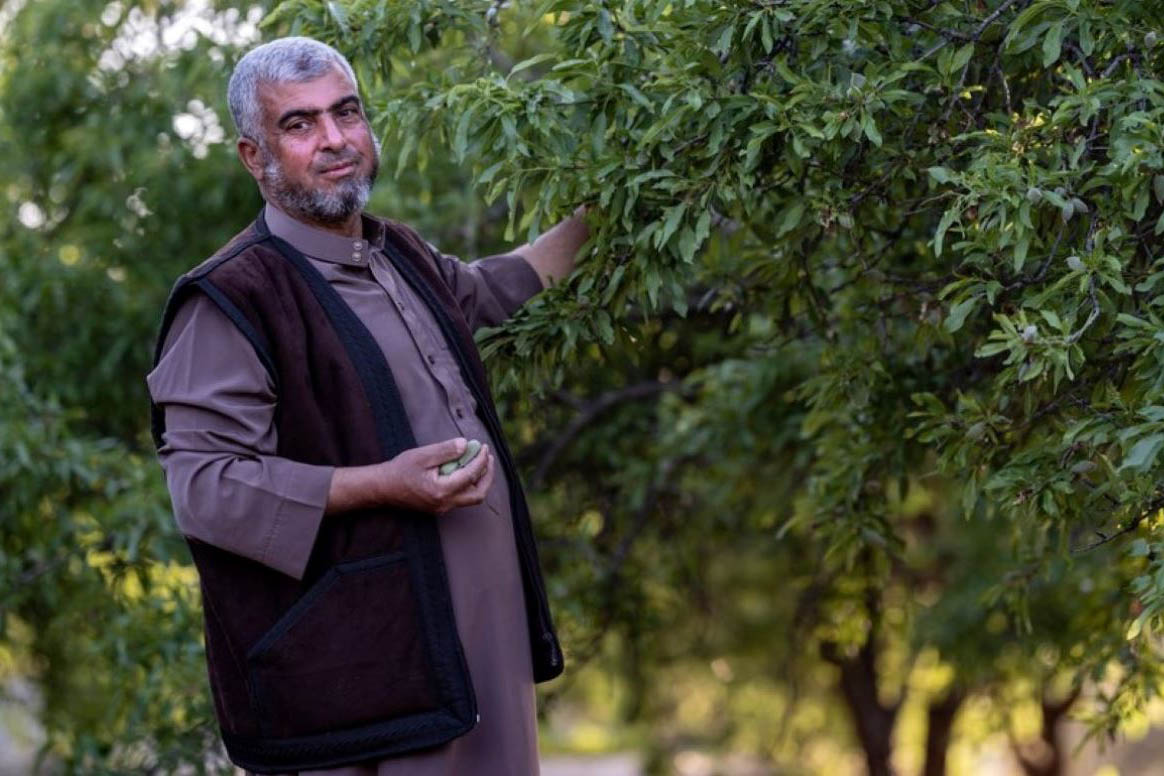
In 2026, IFAD is strengthening rural economies by empowering youth, promoting resilience, and connecting small-scale producers to markets to drive inclusive, sustainable growth.
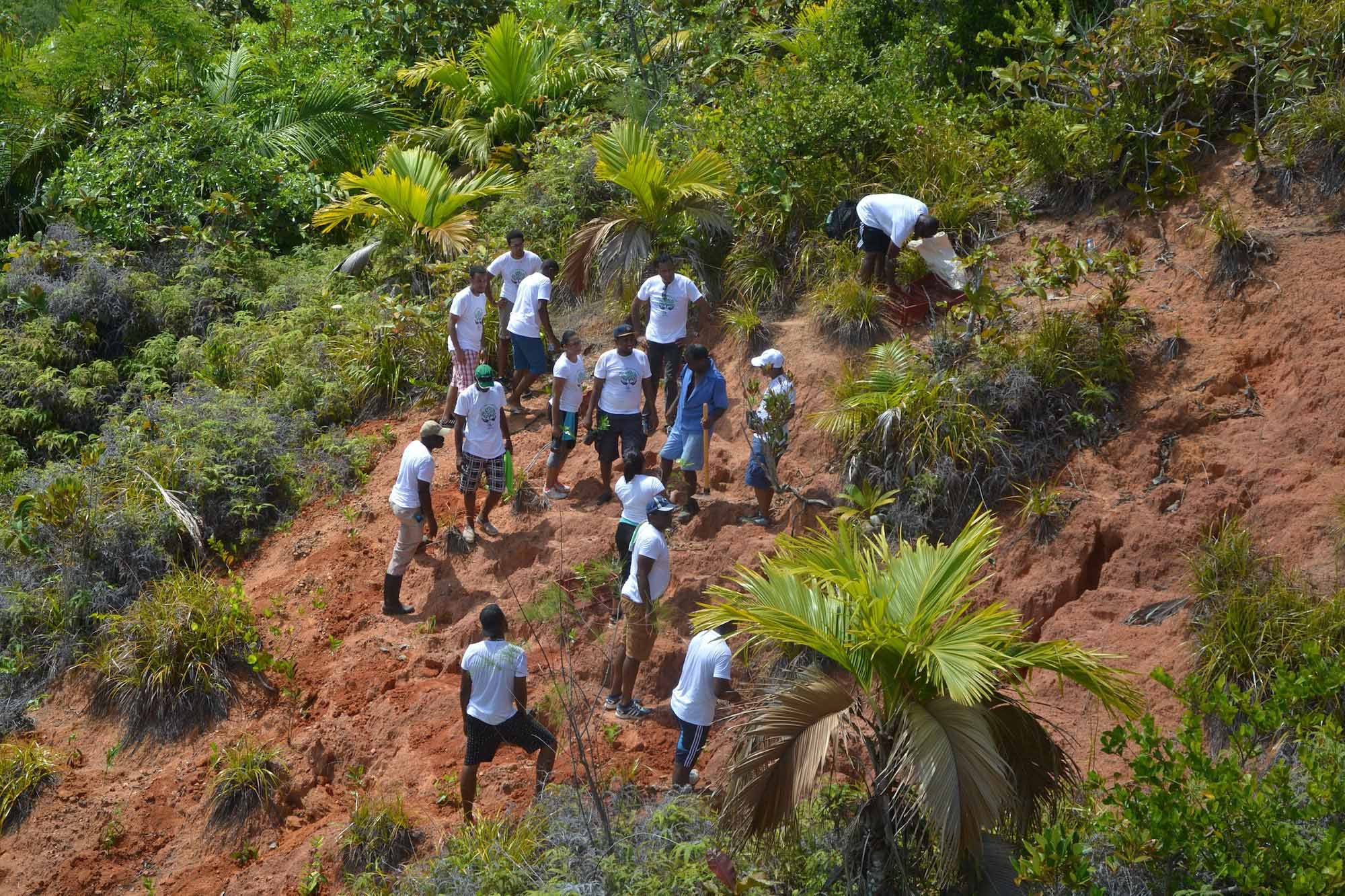
Seychelles recognizes its natural environment as both its greatest asset and vulnerability, facing issues like coastal erosion, droughts, and saltwater intrusion that threaten agriculture. The ‘Ridge to Reef Approach for Integrated Management of Marine, Coastal and Terrestrial Ecosystems’ project aims to conserve ecosystem services across islands. Praslin Island specifically serves as a testing ground for ecosystem rehabilitation, led by the Terrestrial Restoration Action Society of Seychelles. The initiative targets the restoration of up to 30 hectares, successfully combining forest rehabilitation, invasive species management, and replanting efforts.
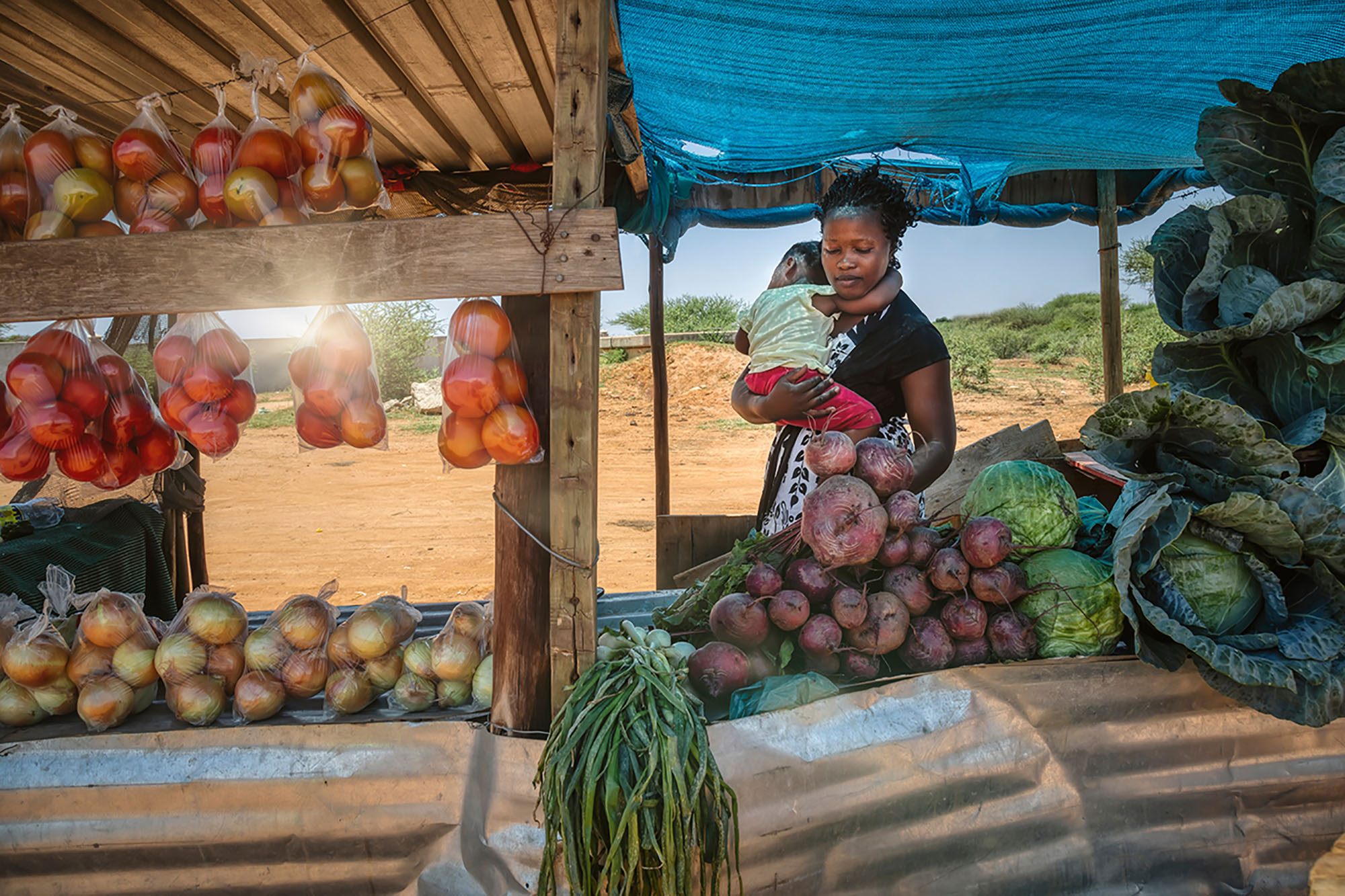
The World Economic Situation and Prospects 2026 presents global and regional economic outlooks, stressing the need for stronger international cooperation to advance the SDGs. The report warns of a prolonged period of slower global growth compared to the pre-pandemic era, with uneven development leaving many behind. Geopolitical tensions, policy uncertainty and fiscal pressures cloud prospects. While inflation has eased, rising living costs and risks of renewed supply disruptions—linked to conflict, climate shocks and trade fragmentation—remain key sources of global uncertainty.
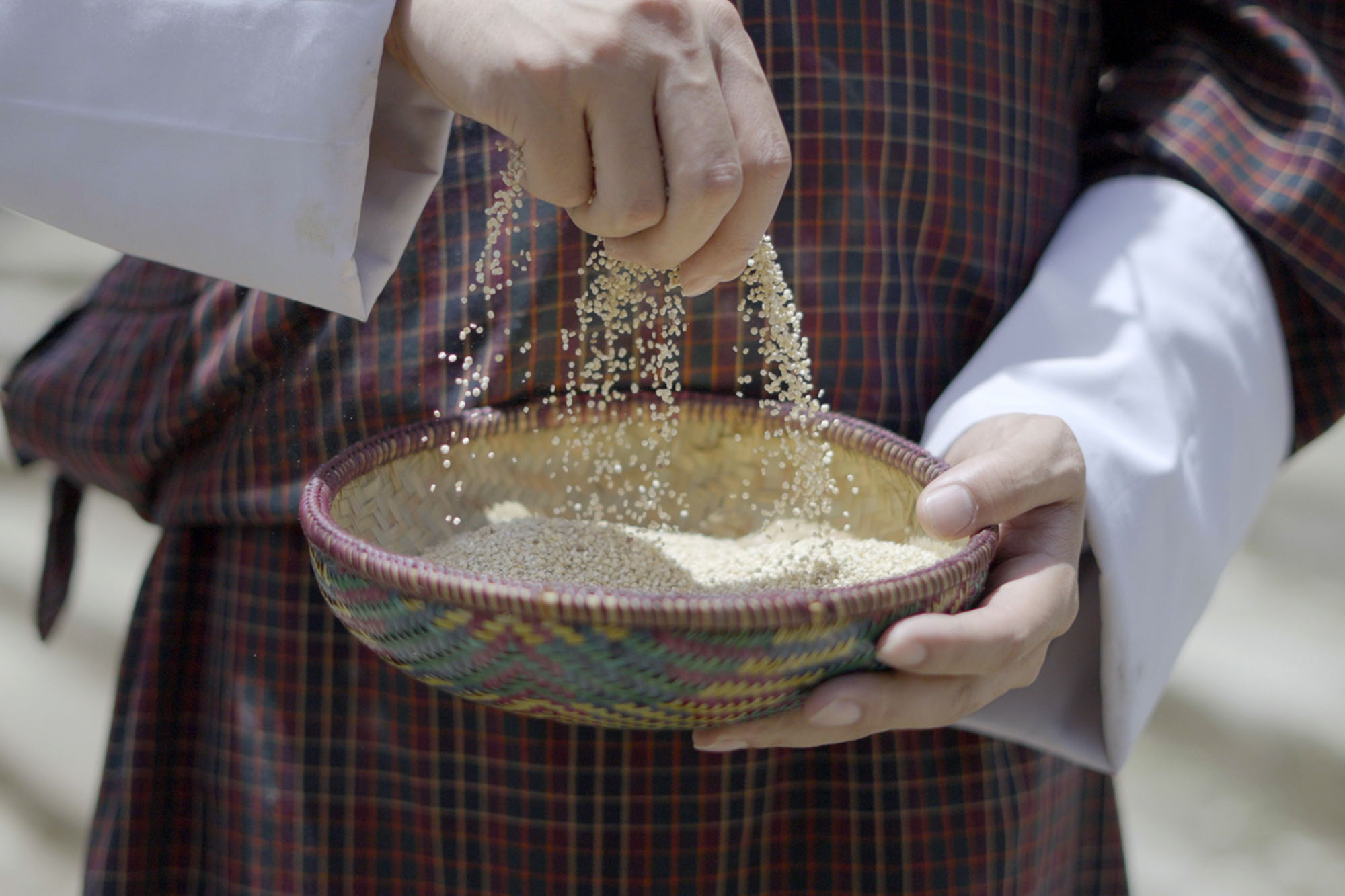
Norbu Gyeltshen and his wife, Pema Sedon, have transformed their farm in Bartsham, eastern Bhutan, by introducing quinoa, which they initially planted as an experiment. Now, quinoa is central to their work, leading to a harvest of about 1,200 kilograms last season, boosting their income and community resilience. Recognized as Bhutan’s special agricultural product, quinoa has become a national priority, thriving across all 20 districts. Supported by the FAO's One Country One Priority Product initiative, farmers are receiving training and building seed banks, fostering confidence in sustainable farming practices.
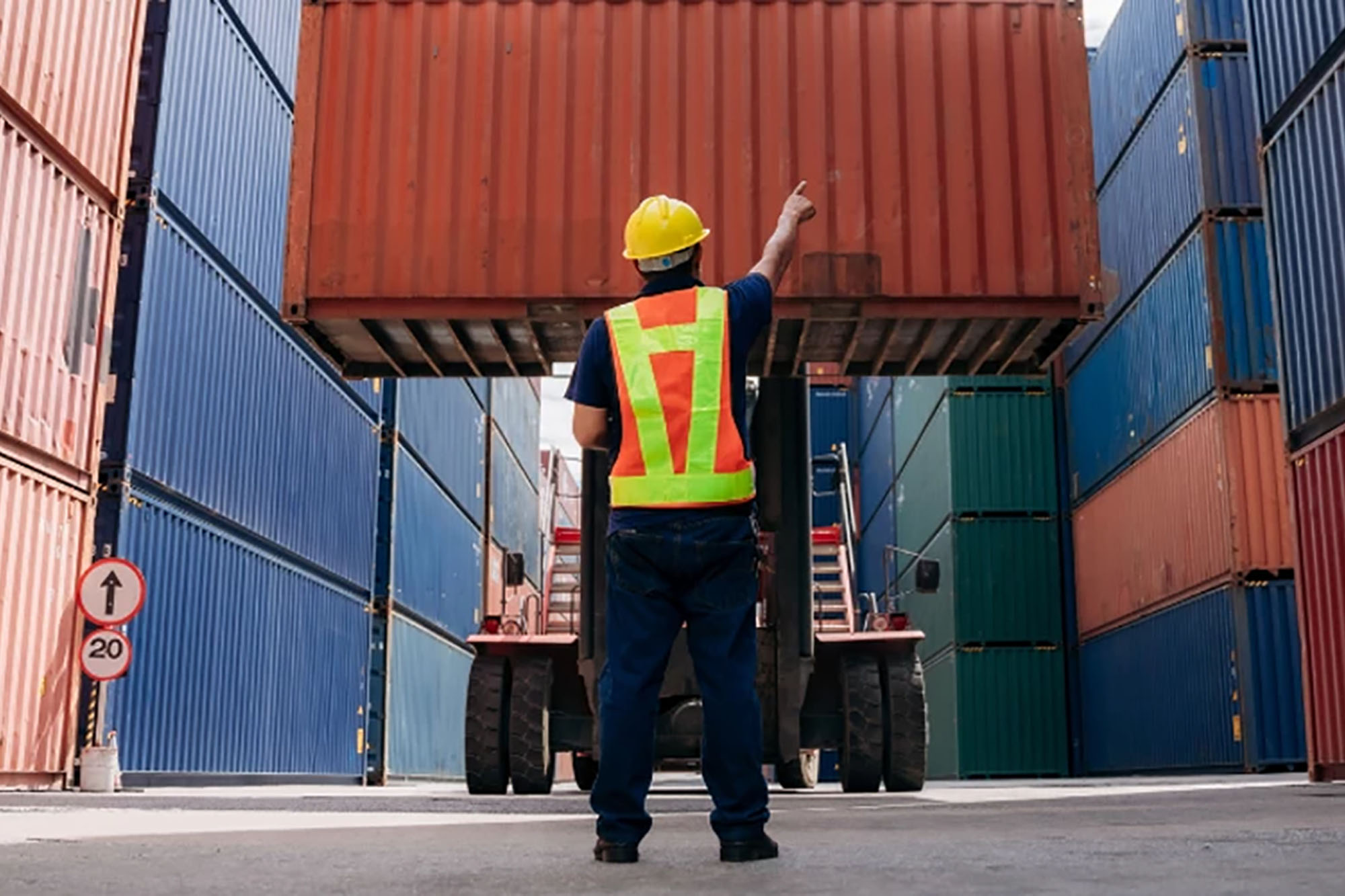
Standards are the invisible threads that keep global trade and technology running smoothly—ensuring consistency, safety, and trust. The World Bank’s World Development Report 2025 reveals how these silent agreements can unlock growth, but warns that overregulation can choke progress. While vital for exports and innovation, developing countries often lack influence in setting them. A balanced mix of mandatory and voluntary, tiered standards plus strong quality infrastructure can boost participation and trust. Ambition must match capacity to avoid inefficiency and inequality.

Through the ILO’s SCORE programme more than 1,700 small and medium-sized enterprises have improved safety, productivity and competitiveness, helping them grow and create better jobs.
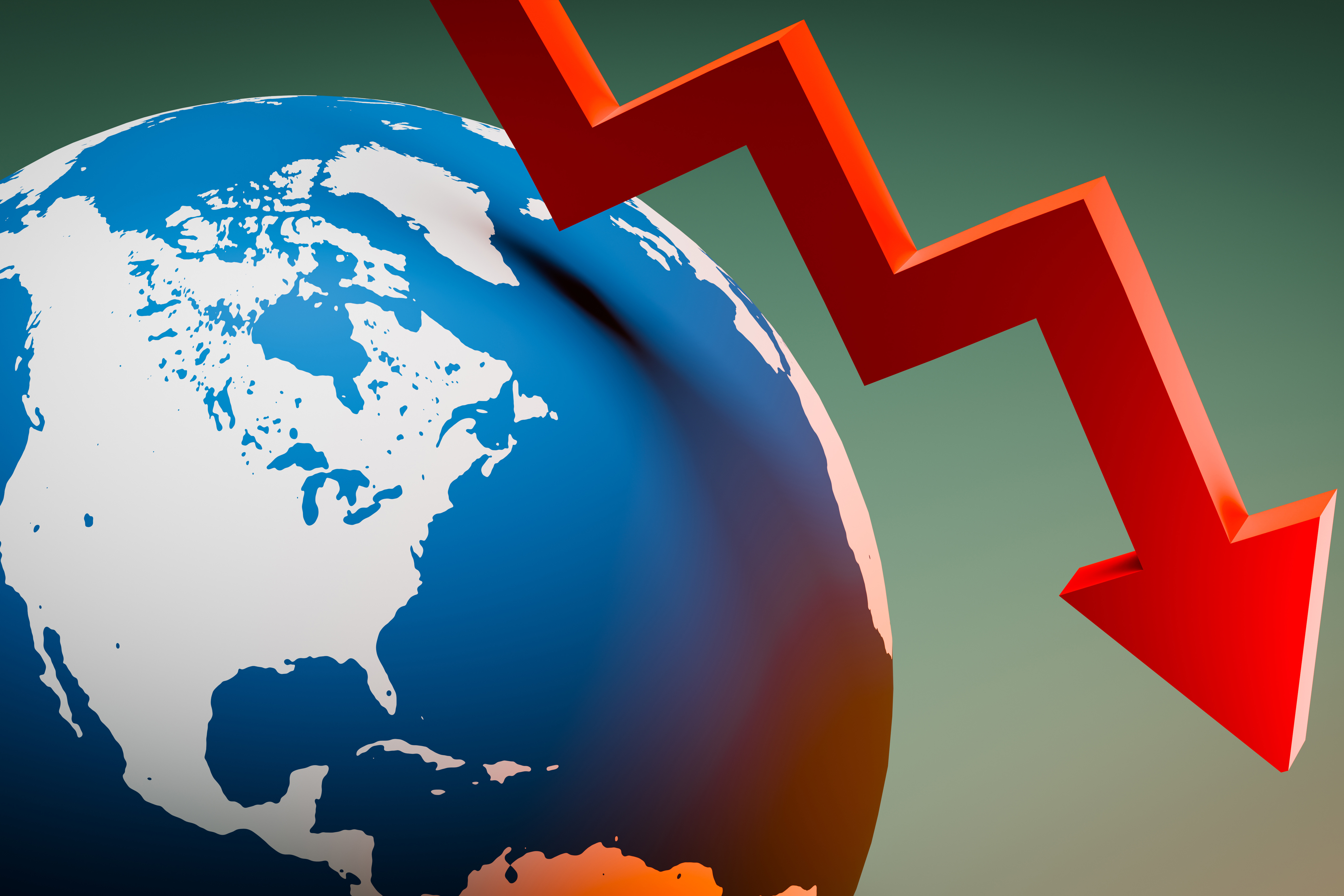
UNCTAD projects global economic growth will ease to 2.6% in 2025 and 2026, reflecting slowing momentum in major economies as temporary trade and digital boosts fade.
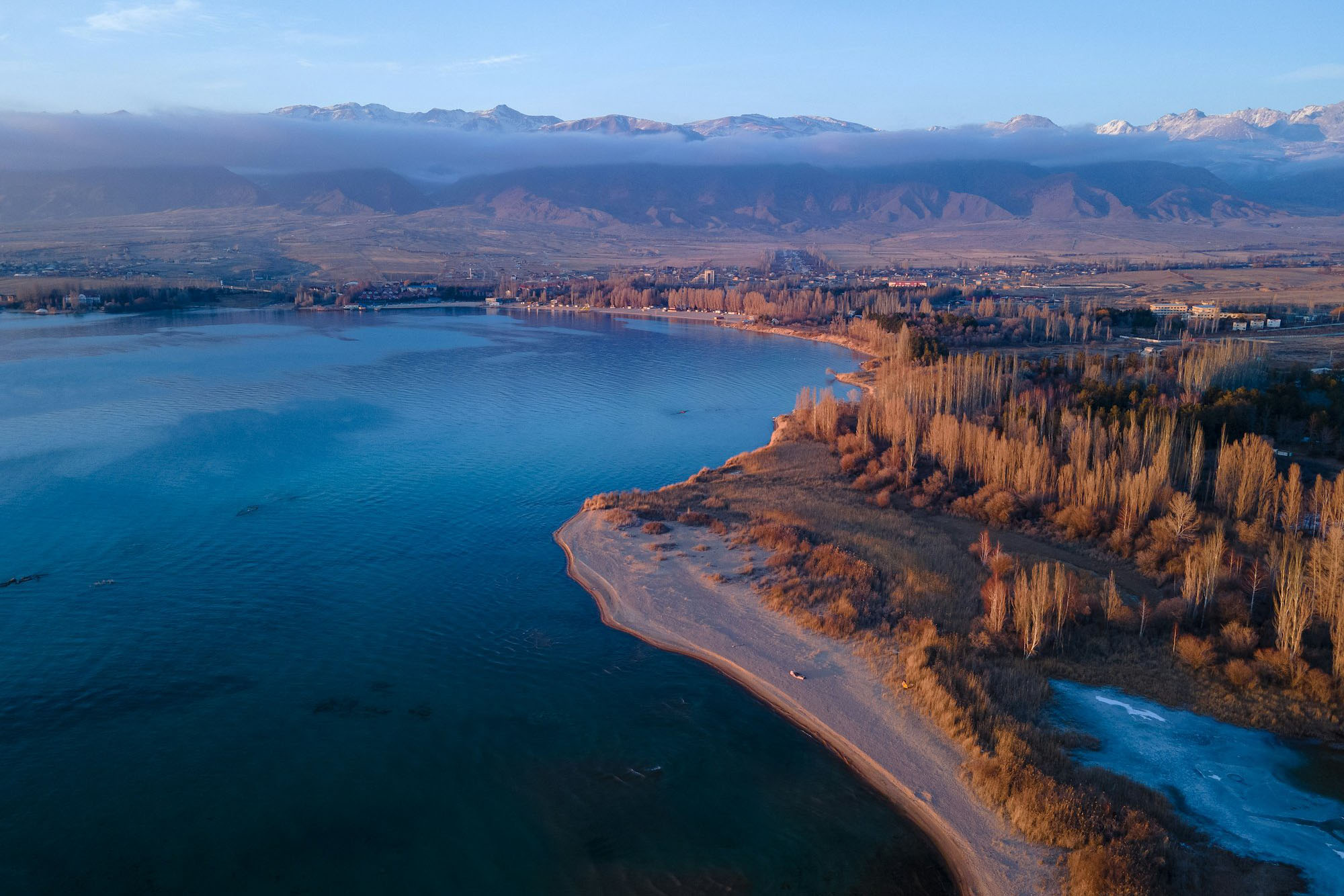
Nestled between majestic mountains and shimmering waters, Kyrgyzstan’s Issyk-Kul Basin is more than a scenic wonder, it is a living landscape rich in biodiversity, cultural heritage, and community spirit. Today, this region is at the heart of a powerful movement to restore and protect nature through a global initiative that supports community-led conservation and empowerment by the Global Environment Facility (GEF) Small Grants Programme (SGP), implemented by the United Nations Development Programme (UNDP). The initiative promotes sustainable agriculture and organic farming, restoration of wetlands and wild plant habitats, ecotourism and youth education and community training. It combines innovation with traditional knowledge.
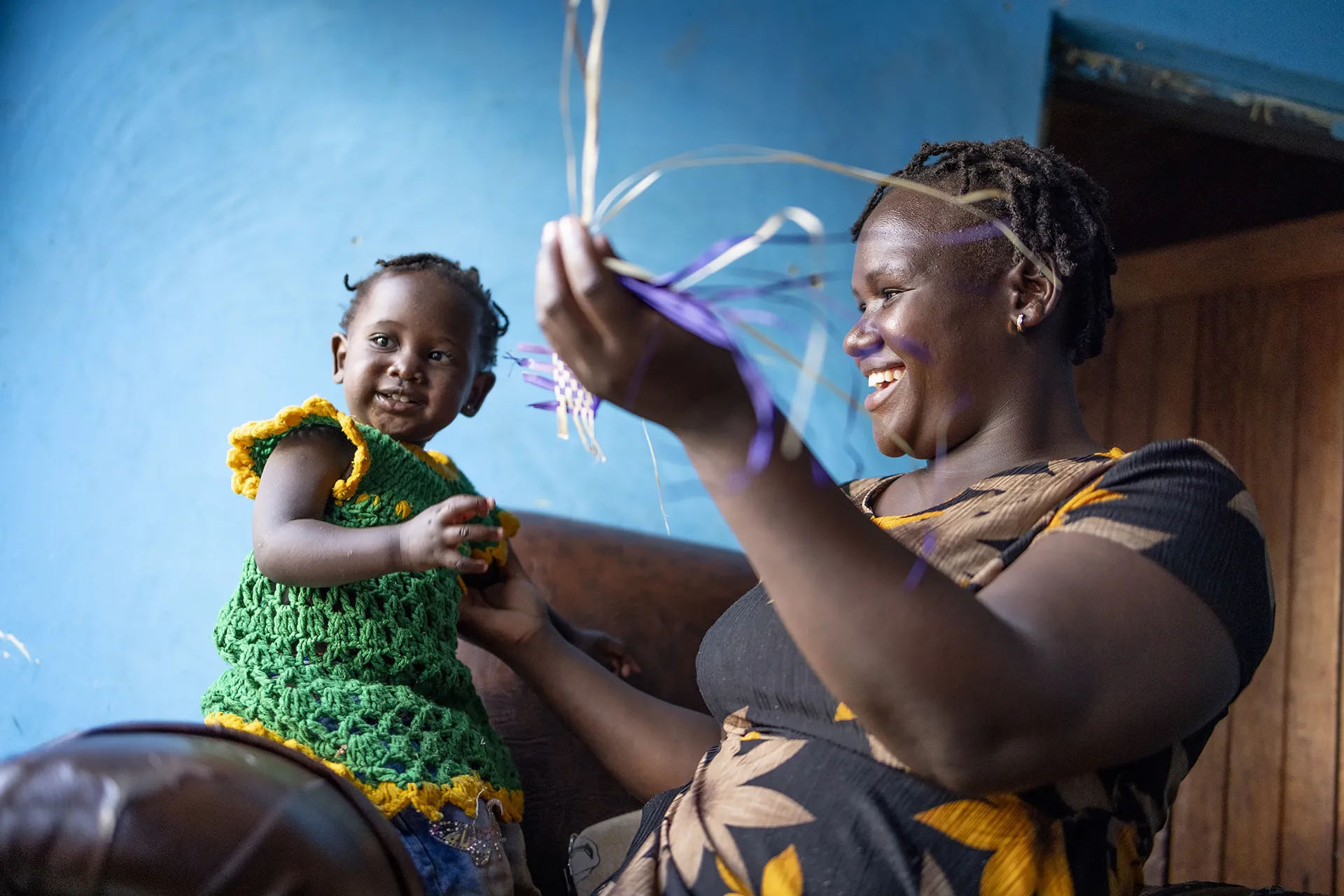
In 2025, the global community notched important achievements for human well-being. But conflict, disasters and other crises clouded the skies over the development landscape. Against strong headwinds, countries took determined steps towards realizing their visions for a sustainable development. And the United Nations Development Programme (UNDP) was at their side. Marking its 60th anniversary, UNDP continued to evolve to meet the complex challenges of the present while laying the foundations for a more resilient future. Here are some snapshots from its work with partners, in 2025.
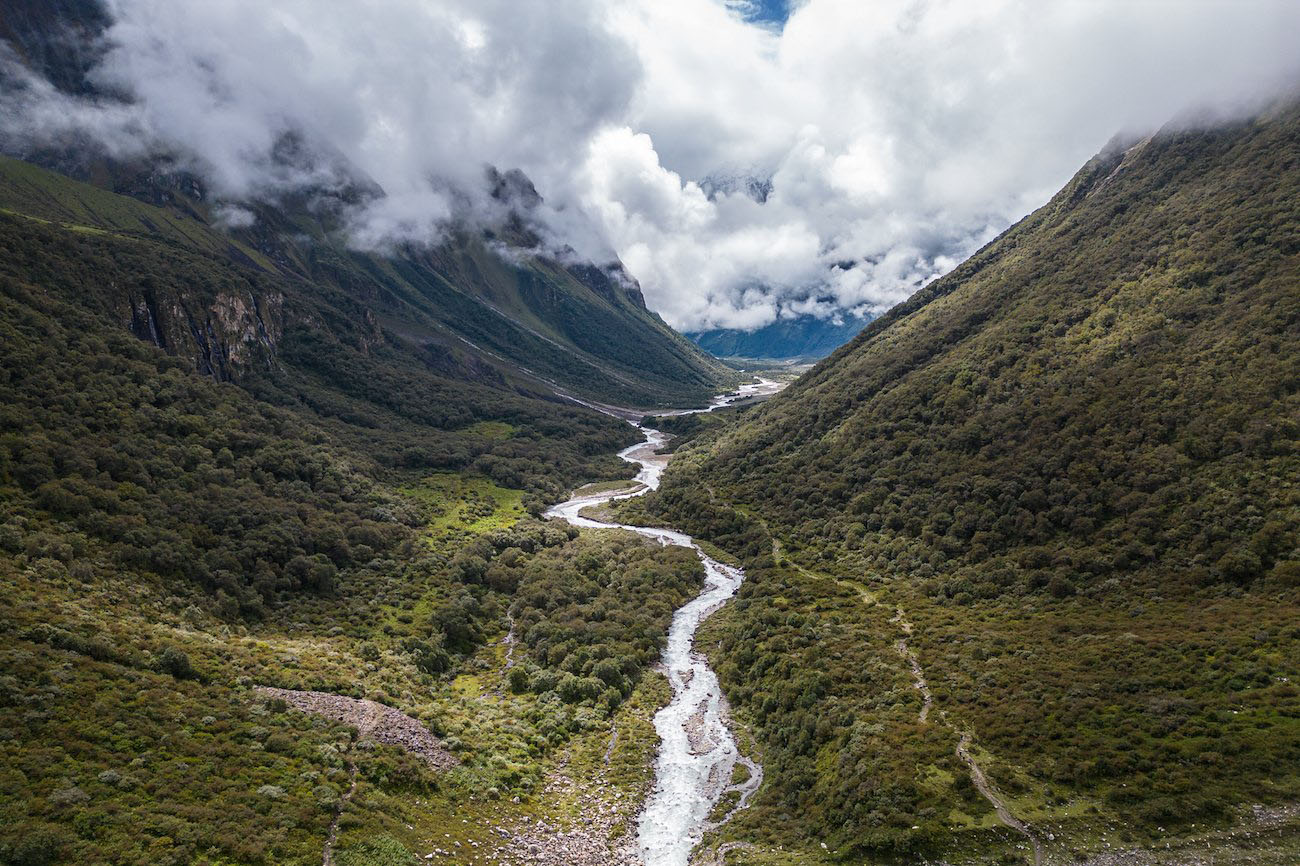
In Nepal’s remote Nubri Valley, Tergar Charity Nepal, founded in 2018 by Yongey Mingyur Rinpoche, merges Indigenous knowledge with nature-based solutions to fight climate change. In 2021, the initiative tackled COVID-19-driven food shortages in Samagaun by building 62 bioclimatic solar greenhouses for year-round organic farming. Combining modern and traditional techniques, these earthquake-resistant structures improve food security and strengthen resilience against climate shocks.

In the Himalayan mountains of Bhutan, women in the village of Goenpa Kabab weave intricate silk Kishuthara dresses on backstrap looms, a skill passed down through generations in a Buddhist, matriarchal community. Sherab Tshomo, a 41-year-old artisan, has been perfecting this craft since age eight, which involves dyeing raw silk with local plants and using traditional methods to create detailed patterns. Despite the high value of these garments within Bhutan and abroad, many women artisans struggle to access international markets, including the global fashion industry, to showcase their artistry and heritage.
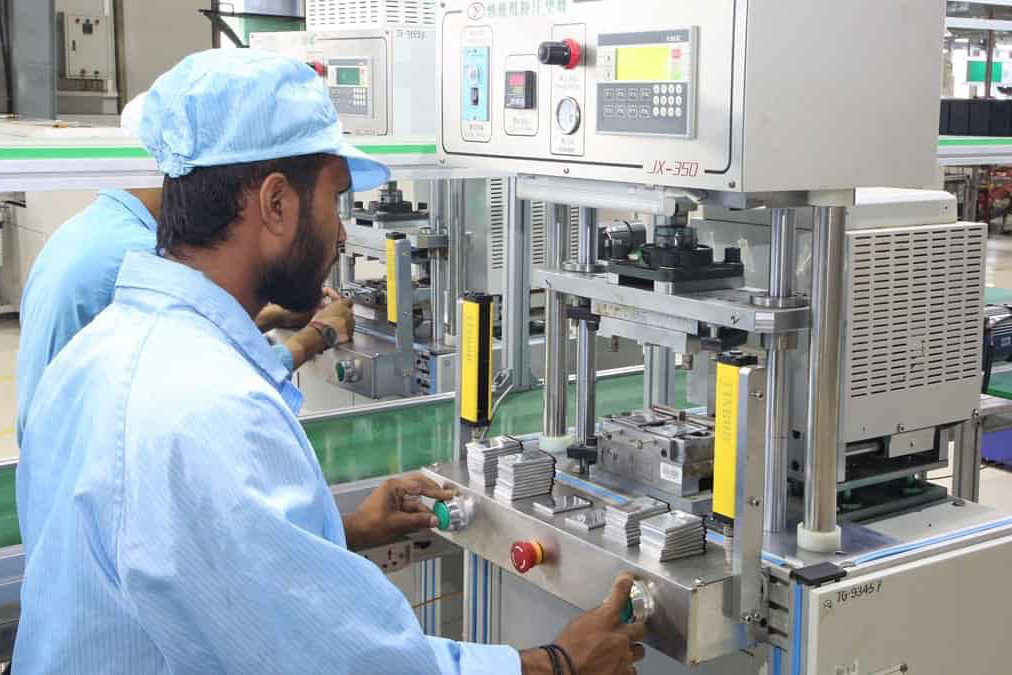
Global trade is set to grow 7% in 2025, driven by East Asia, Africa and manufacturing, reaching a record $35 trillion despite persistent imbalances and rising geopolitical fragmentation.

Young people remain at the heart of the fight against corruption. Deeply affected by its consequences, they are uniquely positioned to uphold ethical standards in their communities and challenge corruption at every level. Building on the 2024 campaign launched on International Anti-Corruption Day (9 December), the 2025 campaign continues to highlight the role of young guardians of integrity as advocates, raising awareness about corruption. This year’s effort features young leaders sharing insights on links between organised crime and corruption and the key role of AI and emerging technologies.