
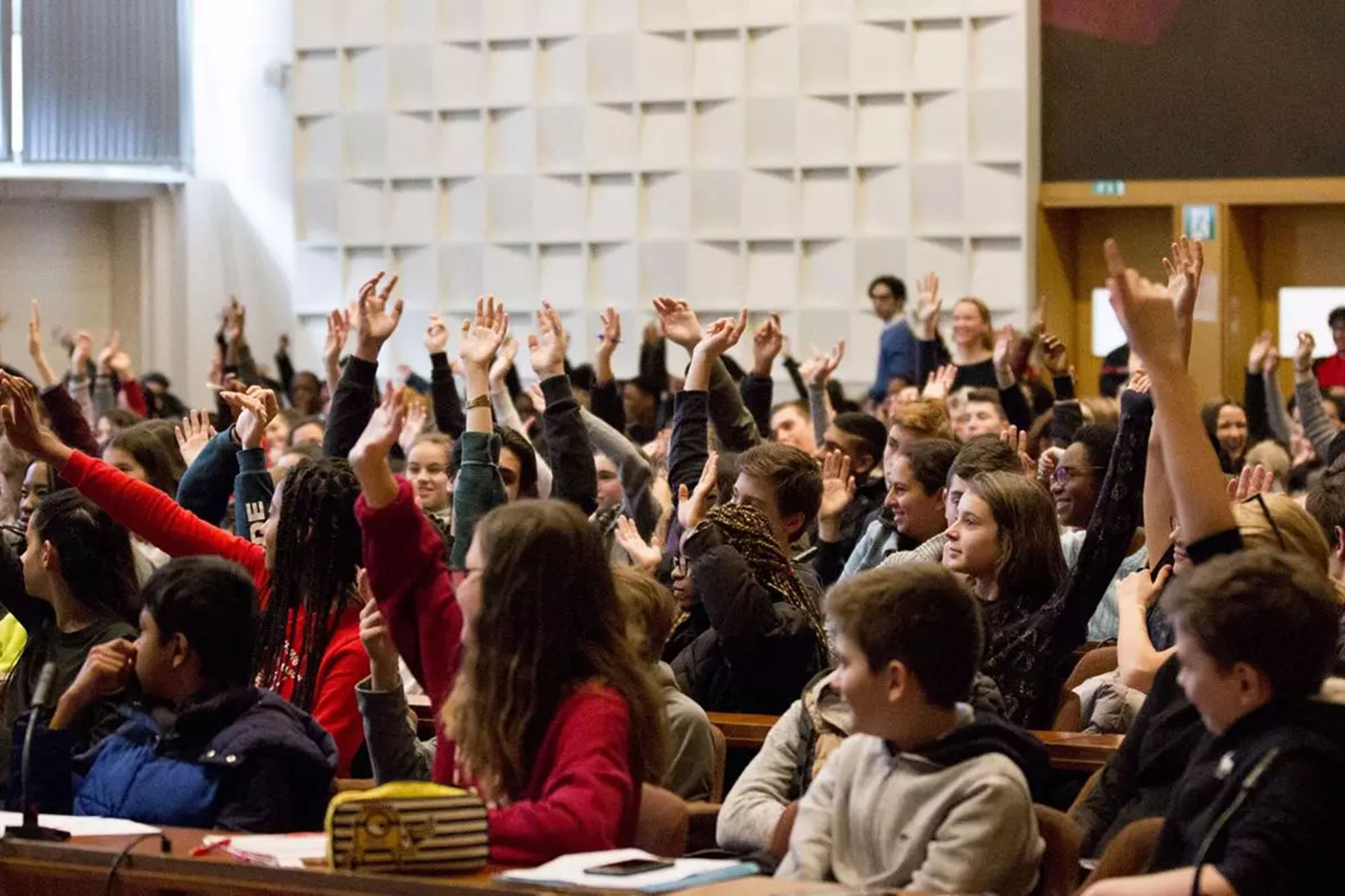
Youth under 30 make up over half the world’s population and drive innovation and social change, yet face poverty, inequality and limited access to education and decent work. Their engagement is essential to shape modern education amid rapid technological change. Aligned with the 2030 Agenda for Sustainable Development, youth must be co‑creators of education at all levels. The Youth Declaration on Transforming Education highlights their leadership, and the 2026 International Day of Education (24 January) celebrates their role.
Education
The Social Forum, an annual gathering organized by the Human Rights Council, facilitates the dialogue among civil society, Member States, and intergovernmental organizations around a yearly theme. The event promotes social cohesion based on the principles of social justice, equity, and solidarity, while addressing the challenges of globalization. In 2025, the Forum (Geneva, 30-31 October) focuses on how education contributes to the respect, promotion, protection, and fulfillment of all human rights for everyone. Follow the Social Forum live on UN web TV.
UNESCO and Super Sema have launched “Digital Hero,” a fun, music-driven campaign for Global Media and Information Literacy Week that empowers children to stay safe, think critically, and make smart choices.

Teachers play vital roles in education systems, yet many face isolation and fragmented structures that hinder their professional growth and well-being. This year’s World Teachers’ Day (5 October) focuses on “Recasting teaching as a collaborative profession,” emphasizing the importance of collaboration for improving educational quality. It advocates for policies and environments that support mutual aid and shared expertise among educators. To mark the Day, a global celebration highlighting these themes takes place at the Pan-African Conference on Teacher Education in Addis Ababa, Ethiopia.
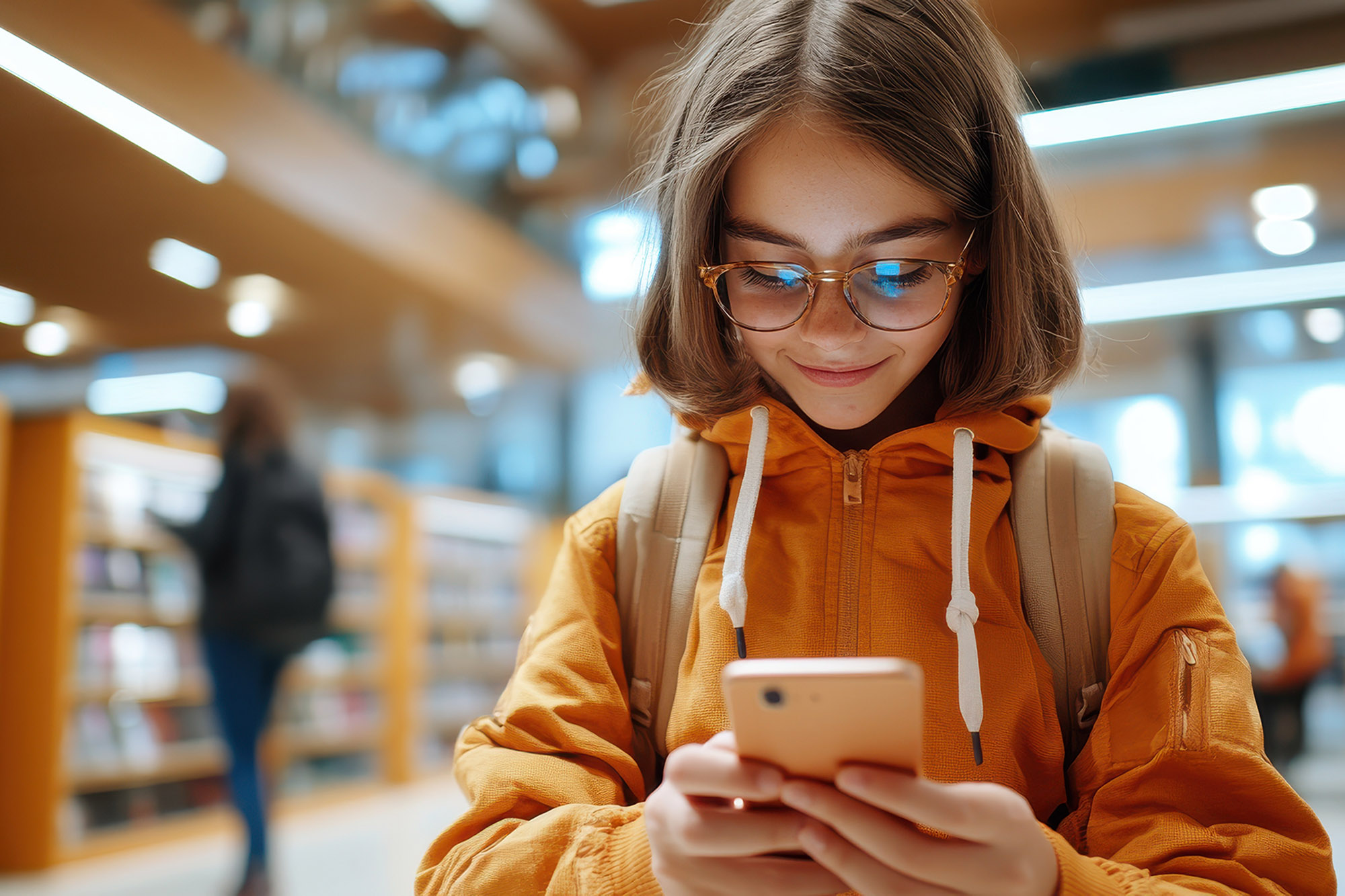
Digitalisation is reshaping learning, work, and social life, offering new opportunities while also deepening inequalities. Despite its potential to improve education access, 739 million people still lack basic literacy, putting them at risk of further exclusion. Digital literacy now includes critical engagement with digital content. This year, International Literacy Day (8 September) focuses on “Promoting literacy in the digital era,” stressing inclusive policies for empowerment and sustainability. To mark the occasion, a global conference is being held at UNESCO Headquarters in Paris.
Suhaila's desire for stability is deeply rooted in her experience of fleeing Afghanistan at the age of four. Despite initial challenges, she and her family slowly adapted in Kyrgyzstan, with education and language classes from UNHCR helping them integrate.
The 2025 International Day of Education, themed “AI and Education: Preserving Human Agency in a World of Automation,” promotes reflection on how education allows individuals and communities to understand and navigate technological advances. As computer and AI-driven systems become more sophisticated, the distinction between human intent and machine-driven action often becomes unclear. This raises important questions about maintaining, redefining, and ideally enhancing human agency in an era of rapid technological change. Today, the UN is holding two events to mark the day (Paris and New York).
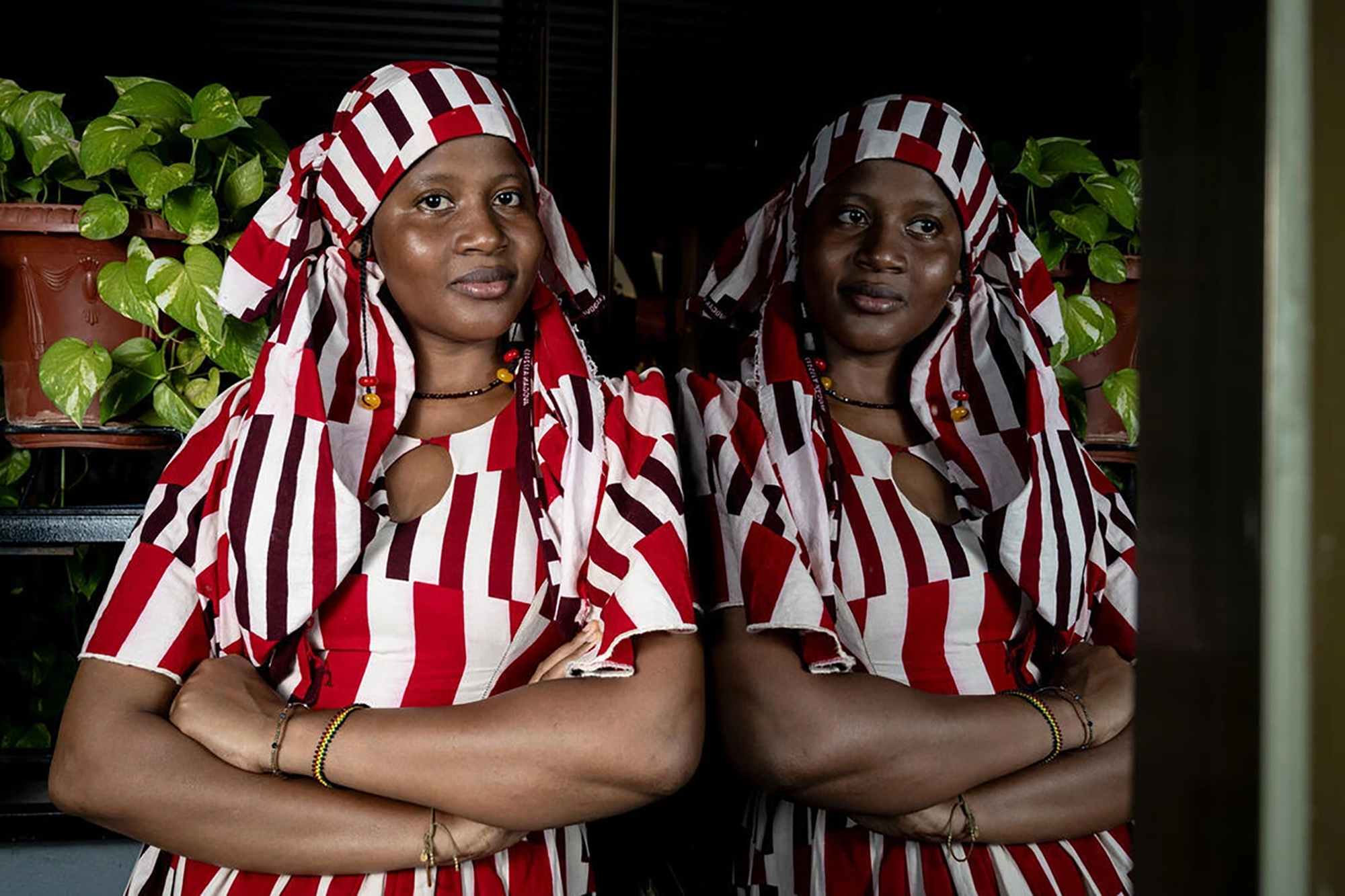
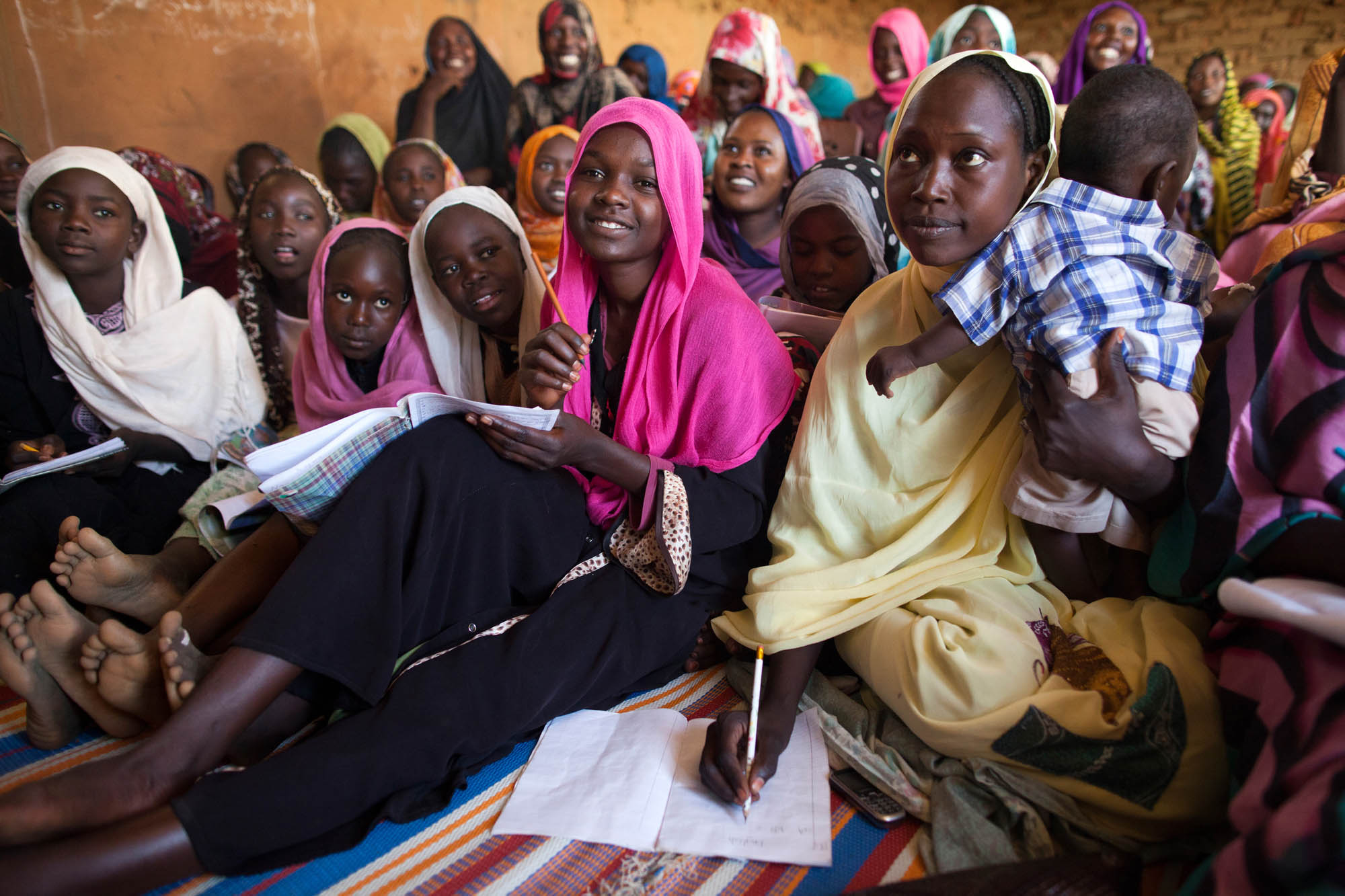
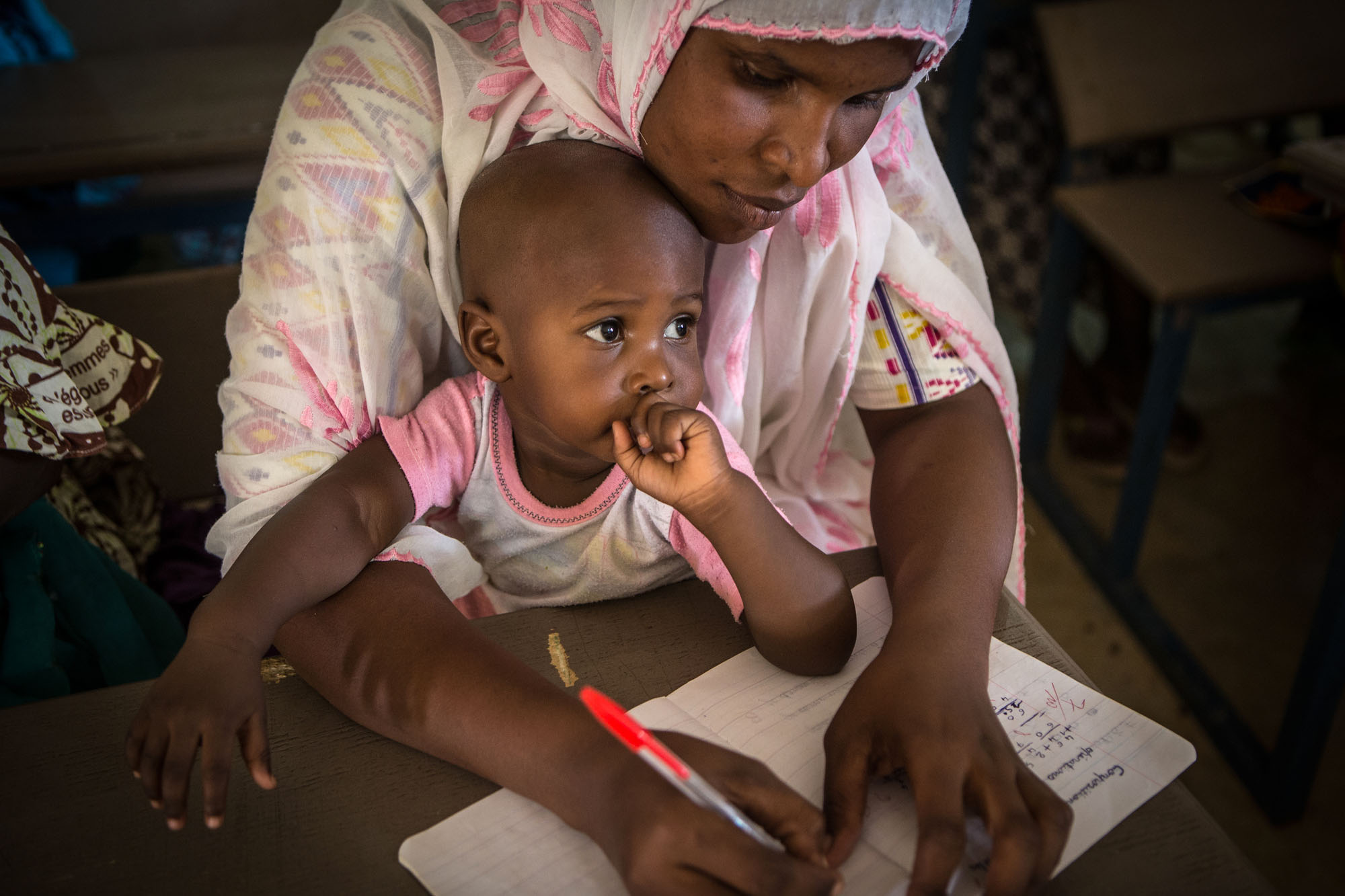
Since 2016, Burkina Faso has been experiencing political instability and violent conflict, leading to over 2 million internally displaced people and more than 200,000 refugees in neighboring countries. Maimouna Ba's organization, Femmes pour la Dignite du Sahel (Women for the Dignity of the Sahel), has offered since 2020 school fees for displaced children and skills training for displaced women. She collected donations, rallied support and encouraged volunteers to join her. Since then, her Un Enfant, Un Parrain (One Child, One Sponsor) programme has matched vulnerable children with individual sponsors who contribute towards their school fees.
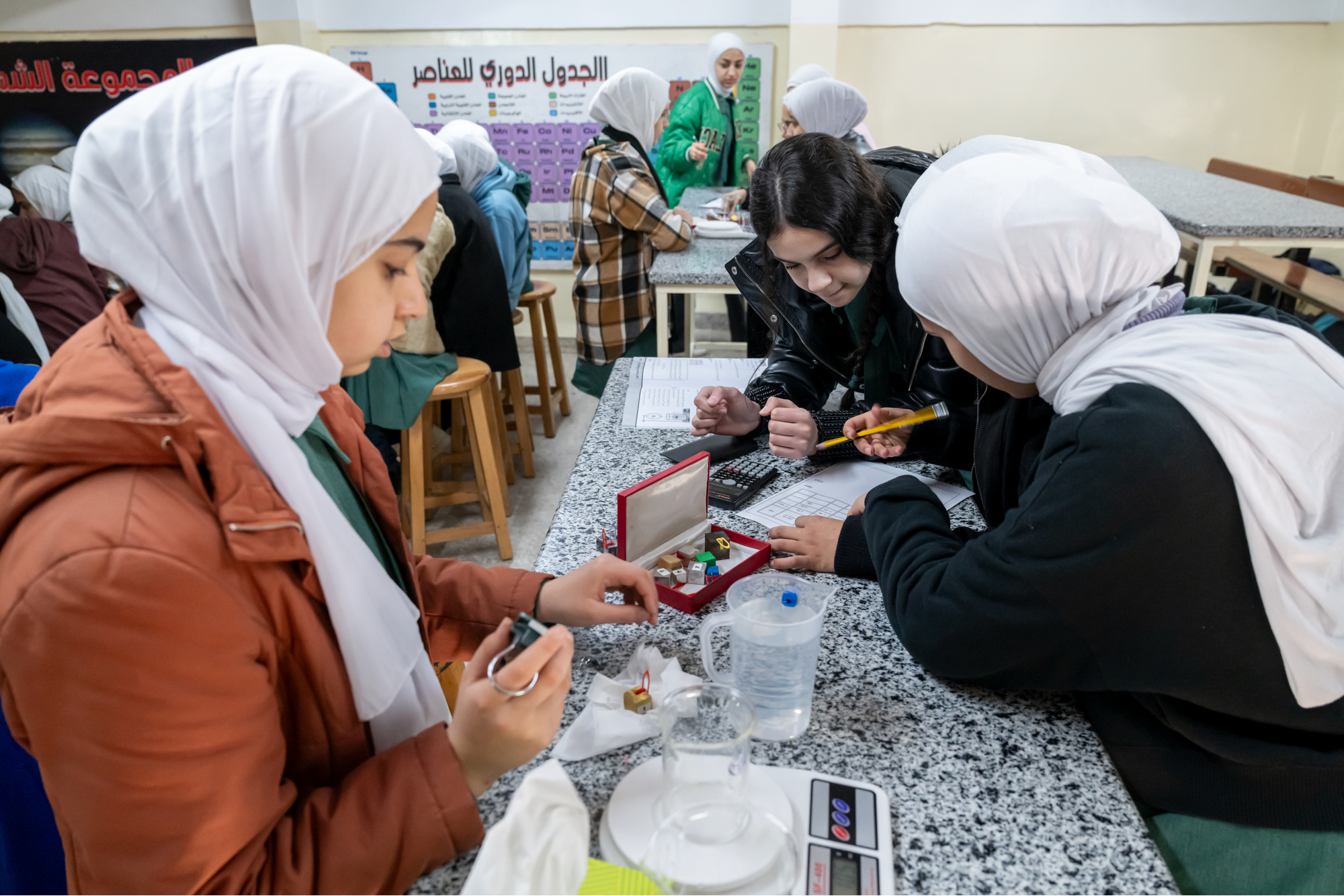
Education is a basic human right and essential to fulfilling all human rights. On International Day to Protect Education from Attack (9 September) we are reminded of the devastating impact of war on young learners. Education provides knowledge, skills, and support for future generations, particularly for vulnerable groups such as girls, migrants, refugees, and people with disabilities. Places of education should be safe havens, but they are often targeted in conflict-affected areas, resulting in serious repercussions for students and teachers.
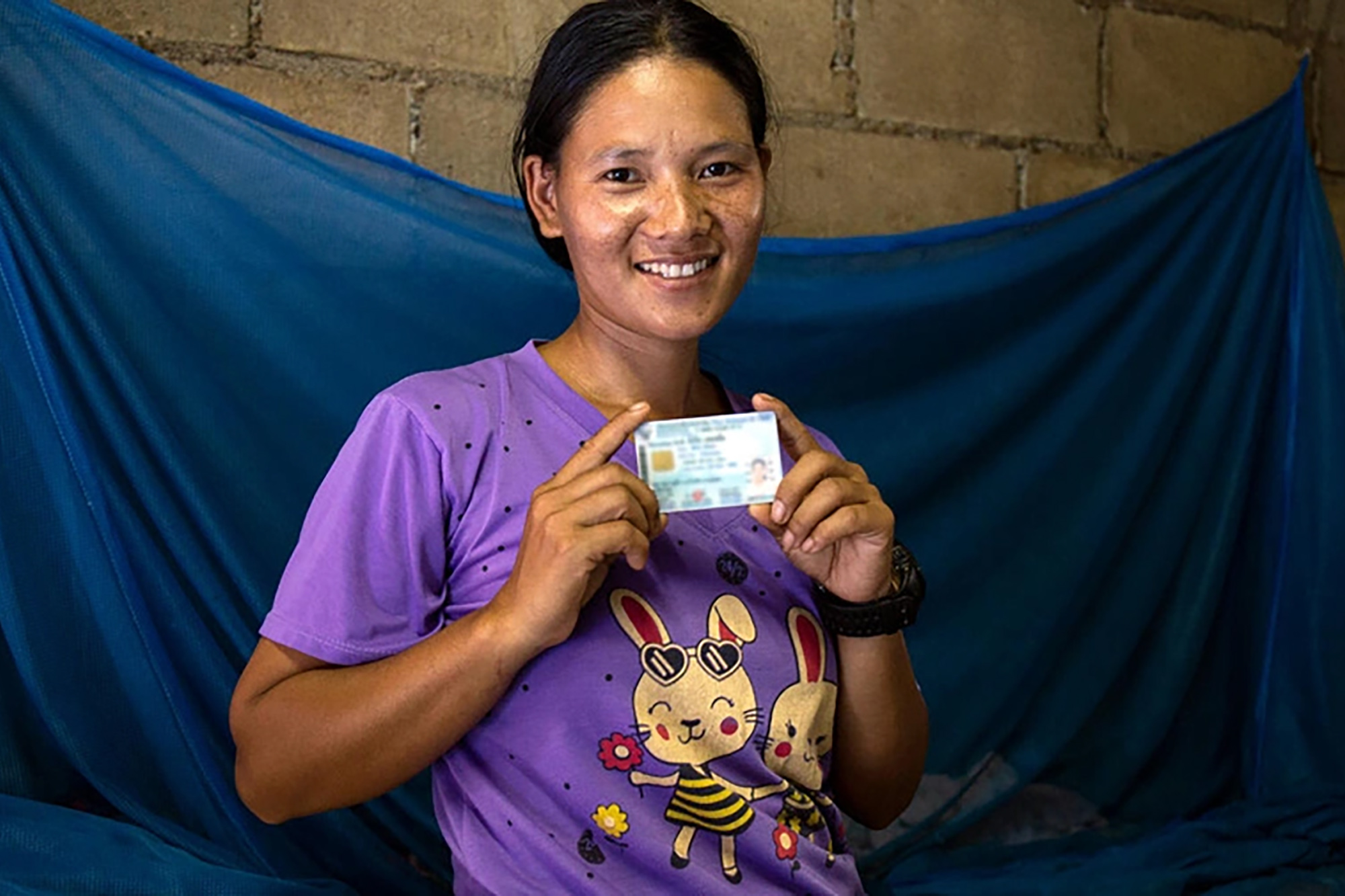
Statelessness impacts millions of people worldwide, limiting their lives. Millions of individuals across the globe are not recognized as citizens of any country. This lack of nationality has severe implications for their lives, affecting their access to education, societal inclusion and economic opportunities. As of the end of 2023, the Office of the United Nations High Commissioner for Refugees (UNHCR) reported that 4.4 million people were stateless or of undetermined nationality. However, due to the lack of accurate data and the challenges in counting individuals without legal identity, the actual number is believed to be much higher.

Two Bajau girls in Mabul island are seen selling their catch of mostly shellfish, lobster, snails, sea cucumbers and sea urchins. The Bajau Laut are a sea-faring group that traditionally lived across the Sulu Sea on small wooden boats called lepa, getting everything they needed from the ocean. Due to the creation of maritime borders that disregarded the distribution of ethnic groups, as well as other modern developments that clashed with their nomadic way of life, new generations of Bajau Laut have been forced to settle on land, not recognized as citizens by any country. The denial of citizenship means stateless people are often unable to access basic rights and services, such as state education, water, healthcare, and legal employment, leaving them at higher risk of exploitation, discrimination and abuse.
In 2023, a youth-led movement received a grant from the GEF Small Grants Programme, implemented by UNDP, to launch an environmental education project aimed at raising awareness and preparing students to address the various issues affecting their community.
UNESCO, OECD, and the Commonwealth Secretariat's inaugural global report aims to quantify the economic ramifications of widespread educational exclusion among children and youth globally.
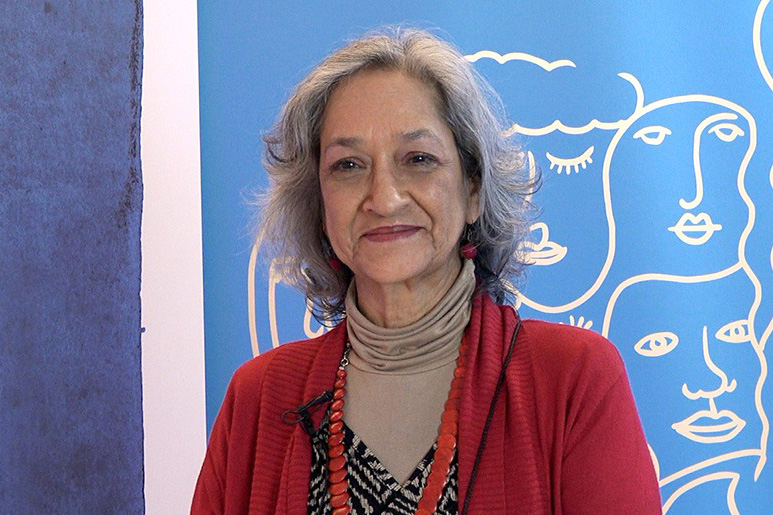
“I think the direction in which we need to go is for us to restructure education,” said Farida Shaheed, the UN Special Rapporteur on the human right to education.
“I want it to be open. I want there to be much more appreciation of our artistic expressions. Education has to be rounded. It has to be based on human rights and it needs to explore and enable everyone to reach the full potential as human beings, whatever that may be.” Shaheed discussed the future of the human right to education and other issues as part of Voices of Dignity, a series of interviews with thought leaders and experts on the UN Human Rights Podcast.
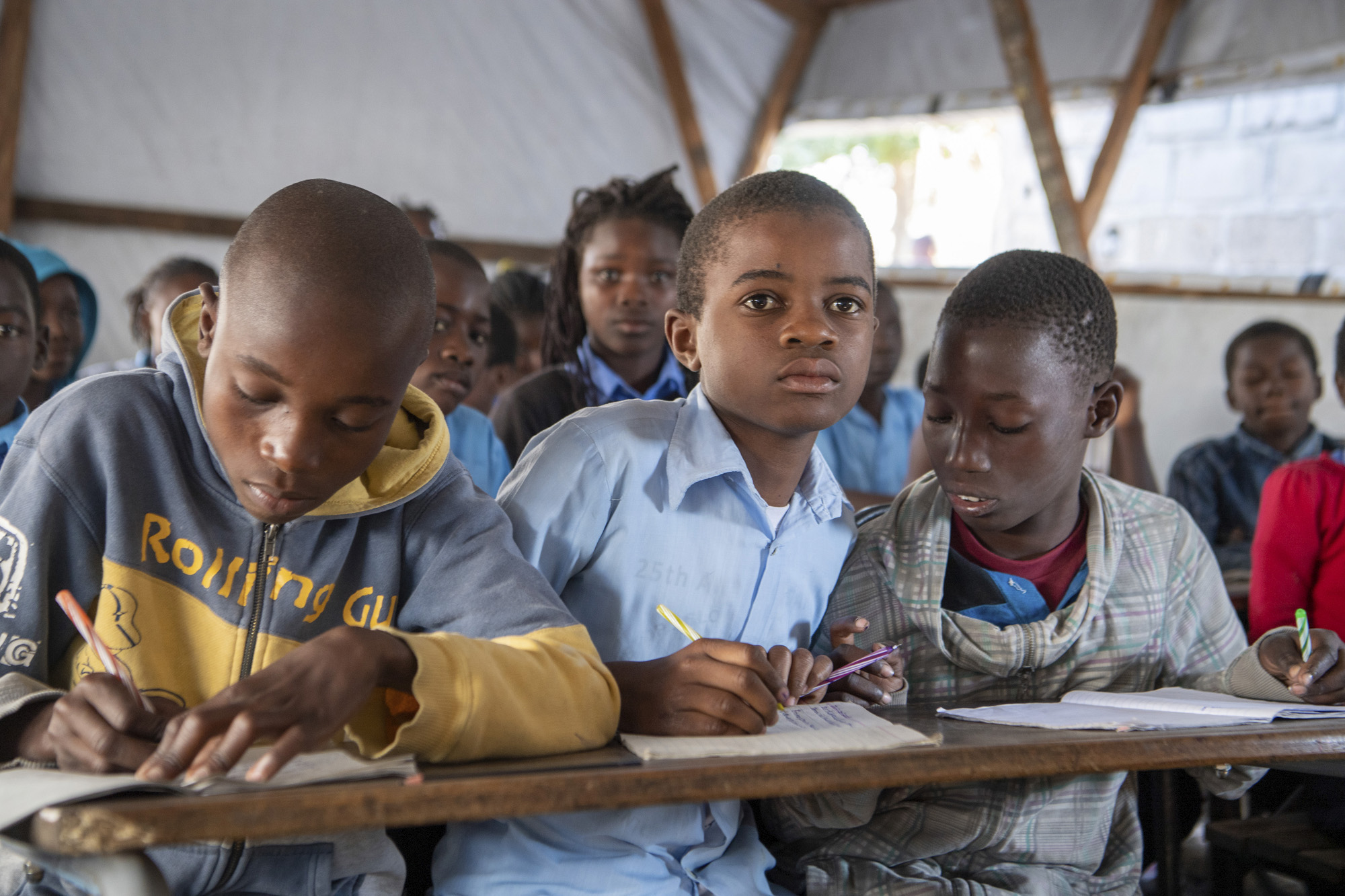
Education is a fundamental human right. It is a key factor in achieving gender equality and breaking the cycle of poverty that is affecting millions of people worldwide. Education can also address the root causes of hate speech and sensitize learners to its forms and consequences online and offline. However, there are still 250 million children and youth who are out of school, and 763 million illiterate adults. As the world is seeing a surge of violent conflicts paralleled by an alarming rise of discrimination, racism, and hate speech the International Day of Education (24 Jan) will be celebrated under the theme “learning for lasting peace”.
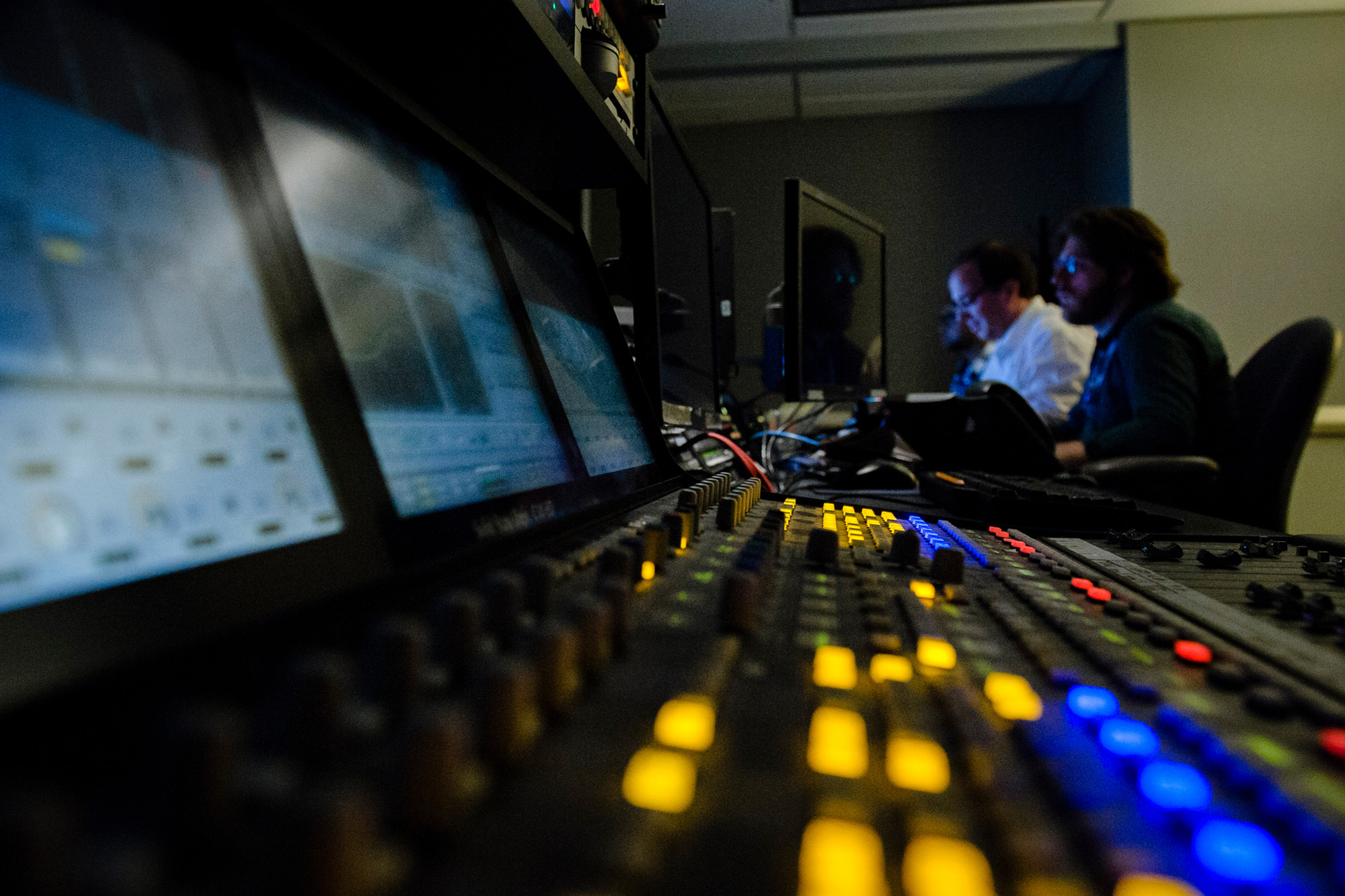
Television has come a long way from being just a one-way channel for broadcast and cable content. In the 21st century, it has evolved into a multifunctional device that offers a wide range of multimedia and interactive content, including streaming videos, music, and internet browsing. Despite the emergence of different platforms for audiovisual content consumption and the ever-evolving technology, TV remains an important tool for communication. On World Television Day (21 November) we celebrate that this telecommunication medium has become a symbol of connection and globalization.