
News (396)
RSS
The EES helps border officers and law enforcement authorities to spot security risks and support the fight against serious crimes and terrorism. One of the examples is the case from February 2026, when the system was able to reveal the man who wasn’t who he claimed to be.

The Migration Partnership Facility (MPF), programme financed by the European Commission, launched three calls for proposals. It opens new funding opportunities for cooperation between EU Member States and priority partner countries in three areas of migration management.
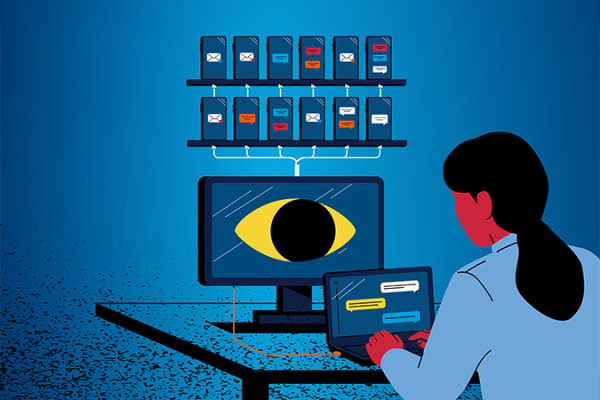
Human trafficking for forced criminality is increasing across the world, with authorities raising particular concern about a rapidly growing form of exploitation: trafficking to commit cyber-enabled fraud and online scams.

The EU-funded project The Gaming Police brings Finnish police into digital spaces, reaching vulnerable young people through the gaming communities they already use and trust. It particularly focuses on sexual violence, cybercrime, and radicalisation that can lead to violence and extremism.

The EU Anti-trafficking Hub has recently published a Study on the collection of EU statistics on trafficking in human beings, focusing on current challenges, good practices and opportunities to further strengthen data collection across the EU.

Thanks to the EU coordinated investigation by Europol and Eurojust, a very large criminal network of telephone fraud has been dismantled in Albania. The criminal network has operated several call centres in Tirana, Albania, and caused at least EUR 50 million in financial losses.

While the EES will record millions of non-EU travellers, certain categories are not recorded in the system. Border checks for travellers from these categories remain as usual – they need to show the ID or passport together with their long stay visa or residence permit. Check who is exempt.

On 16 July, Commissioner for Internal Affairs and Migration, Magnus Brunner, co-hosted the 3rd Ministerial Meeting of the European Ports Alliance Public-Private Partnership together with the Irish Presidency, as part of the Justice and Home Affairs Council.
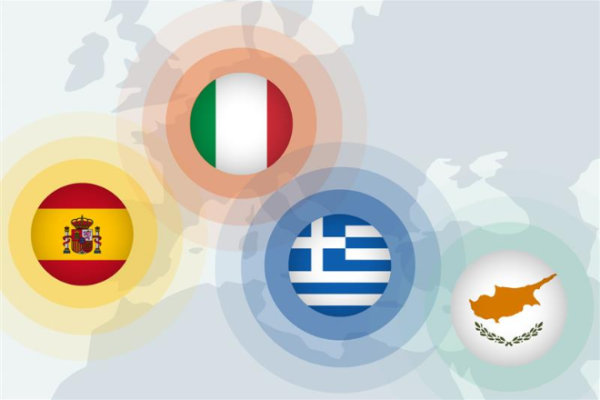
The Commission adopted a first assessment on the current application of the new responsibility rules under the Pact on Migration and Asylum. It covers the first three weeks since the Pact entered into application (12 June 2026).

On 10 July, the Commission adopted a Communication providing EU countries and their critical entities with guidance on technical, security and organisational measures to strengthen the resilience of critical infrastructure, supporting the implementation of the Critical Entities Resilience Directive.