
The global economy’s gradual recovery from both the pandemic and Russia’s invasion of Ukraine remains on track. China’s reopened economy is rebounding strongly. Supply chain disruptions are unwinding, while dislocations to energy and food markets caused by the war are receding. Simultaneously, the massive and synchronized tightening of monetary policy by most central banks should start to bear fruit, with inflation moving back towards targets. The IMF forecasts in the World Economic Outlook that growth will bottom out at 2.8 percent this year before rising modestly to 3 percent next year.
Finance
People are at the heart of all emissions reduction programs. The World Bank focuses on social inclusion at every stage of result-based climate finance programming — from up-front engagement and investment in communities to enable their participation in emissions reduction activities, to the design and implementation of benefit sharing plans that guide the distribution of results-based payments.

According to the IMF, the global economy is poised to slow this year, before rebounding next year. Growth will remain weak by historical standards, as inflation and Russian war on Ukraine continue.
The global economy is facing heightened risks and financial volatility, with global growth likely to have peaked. Geopolitical factors, trade disputes, financial market volatility and non-economic factors risk further impeding growth, stability and development and worsening poverty, inequality and vulnerabilities. Given the complex and ambitious set of transformations needed, coherence across policy areas is critical, and well-run national development banks can help countries develop financing options for Sustainable Development Goal-related investments.
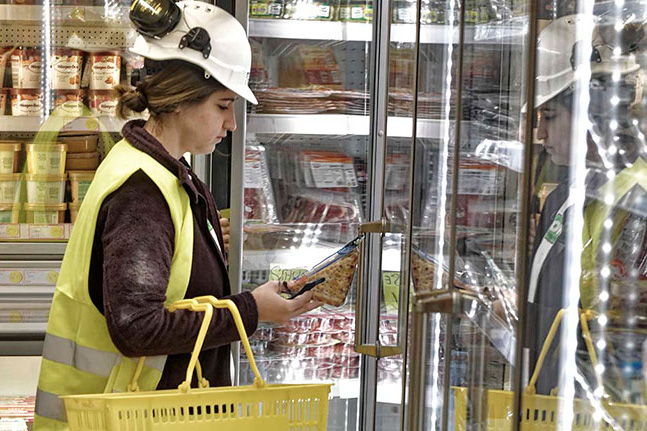
A new ILO report shows that the inflationary crisis combined with a global slowdown are reducing the purchasing power of the middle class and hitting low-income households particularly hard.
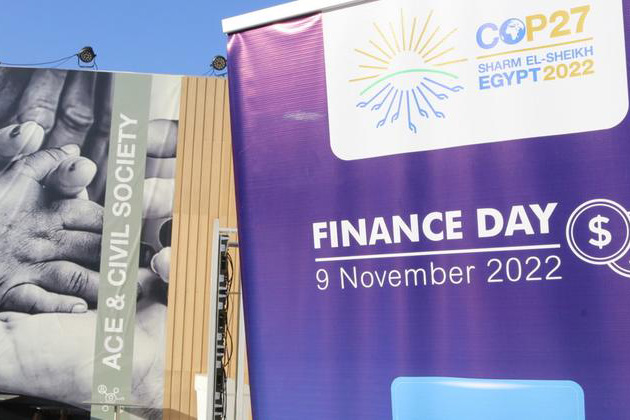
The world leaders who congregated in Sharm El Sheik for the first two days of COP27 have left and, whilst the climate negotiators get to work, the thematic days of the conference have begun. Wednesday was finance day, with a host of side events around the pavilions discussing the often thorny issues surrounding climate finance. It was also the day that former US Vice-President Al Gore launched a project to provide accurate, granular emissions date, and revealed that, in many cases, emissions are much higher than previously reported. Conor Lennon and Laura cover all this and more, on today’s COP27 podcast.
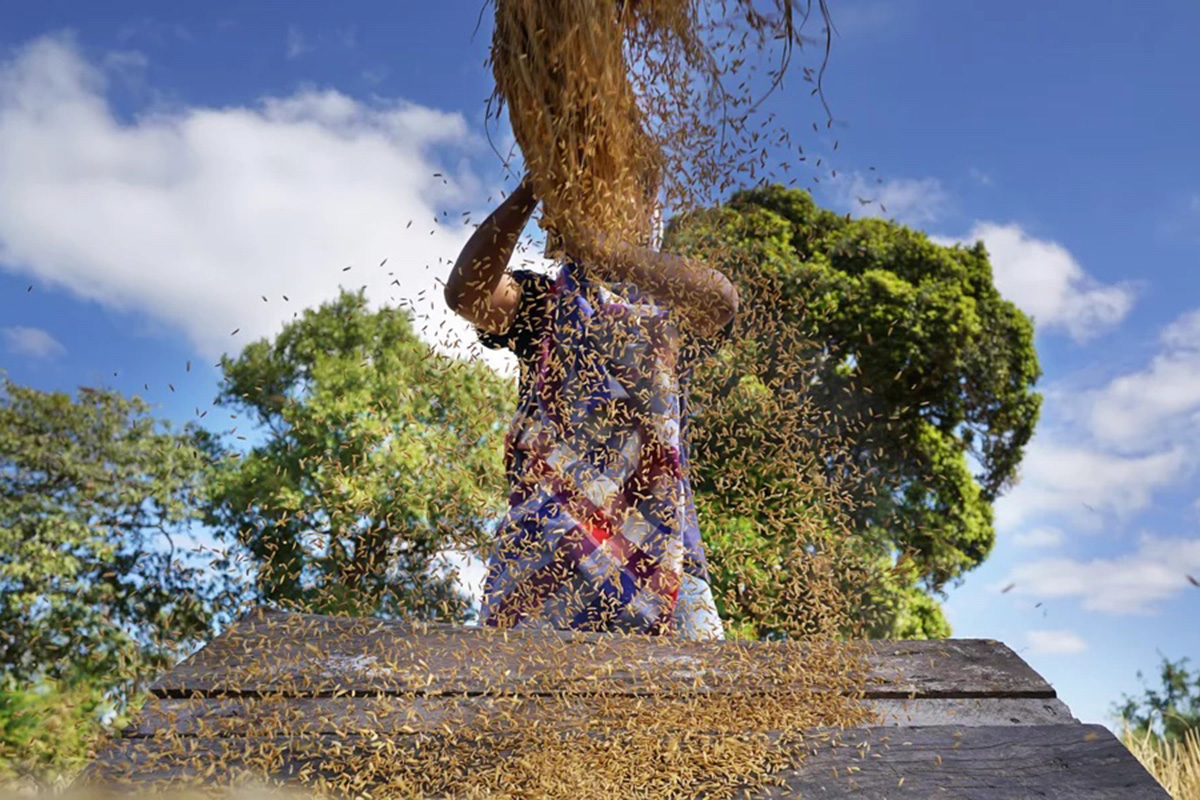
The shrinking value of the currencies of most developing economies is driving up food and fuel prices in ways that could deepen the food and energy crises already faced by many, according to the World Bank’s latest Commodity Markets Outlook report. Because of currency depreciations, almost 60 percent of oil-importing emerging-market and developing economies saw an increase in domestic oil prices, even as prices decline in U.S. dollar terms.
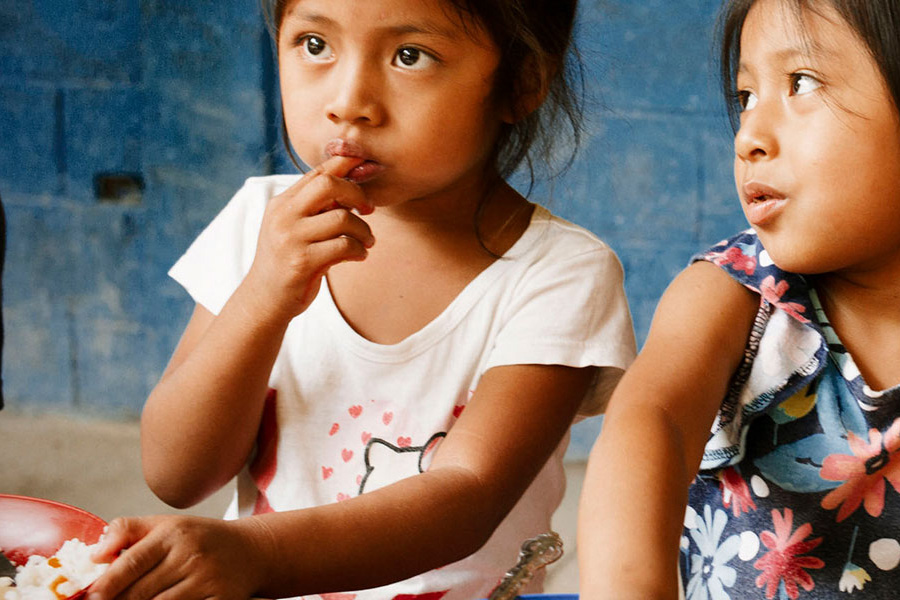
Governments confront difficult trade-offs amid increases in food and energy prices. IMF discusses how policymakers can help people bounce back from the crisis and better cope with future challenges.

Monetary and fiscal policy in advanced economies risk pushing the world towards recession and prolonged stagnation, inflicting worse damage than the financial crisis in 2008 and the COVID-19 shock in 2020, UNCTAD warns in its Trade and Development Report 2022. According to the report, rapid interest rate increases and fiscal tightening in advanced economies combined with the cascading crises resulting from the COVID pandemic and the war in Ukraine have already turned a global slowdown into a downturn with the desired soft landing looking unlikely.

While consumers' expectations of where prices are going are something that economists have been tracking for a long time, understanding how those expectations are formed provides valuable insight toward controlling inflation. New research by economists Carlo Pizzinelli (IMF), Peter Andre (Briq Institute), Christopher Roth (University of Cologne), and Johannes Wohlfart (University of Copenhagen) shows a surprising divide between what experts think and consumers believe drives inflation and other economic trends. Carlo Pizzinelli is the author of an article in the latest Finance and Development based on the study. In this IMF podcast, Pizzinelli sits down with Journalist Rhoda Metcalfe to discuss how the collective consumer mind influences economic policy. Transcript
Carlo Pizzinelli is an economist in the IMF Research Department.
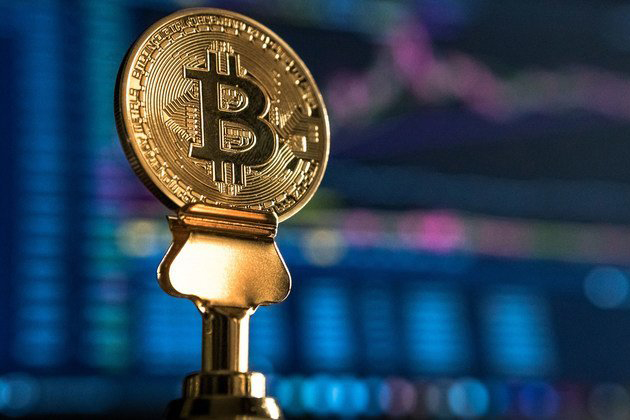
After two years of incredible gains, the prices of Bitcoin and other cryptocurrencies have plunged in recent months; and more turbulence is likely, according to the UN trade and development agency, UNCTAD.
In its latest podcast, the Geneva-based agency is talking about cryptocurrencies with economist Marina Zucker of UNCTAD’s debt and development finance branch.
Are cryptocurrencies here to stay? Is it time for governments to regulate them? Tune in to hear Ms. Zucker spell out the risks and share her ideas about solutions.
Audio Credit: UNCTAD
Photo Credit: Unsplash/André François McKenz
A tentative recovery in 2021 has been followed by increasingly gloomy developments in 2022 as risks began to materialize. Global output contracted in the second quarter of this year. Several shocks have hit a world economy already weakened by the pandemic: higher-than-expected inflation worldwide triggering tighter financial conditions; a worse-than-anticipated slowdown in China; and further negative spillovers from the war in Ukraine. IMF reports a decrease in the baseline forecast for growth to slow from 6.1 percent last year to 3.2 percent in 2022.
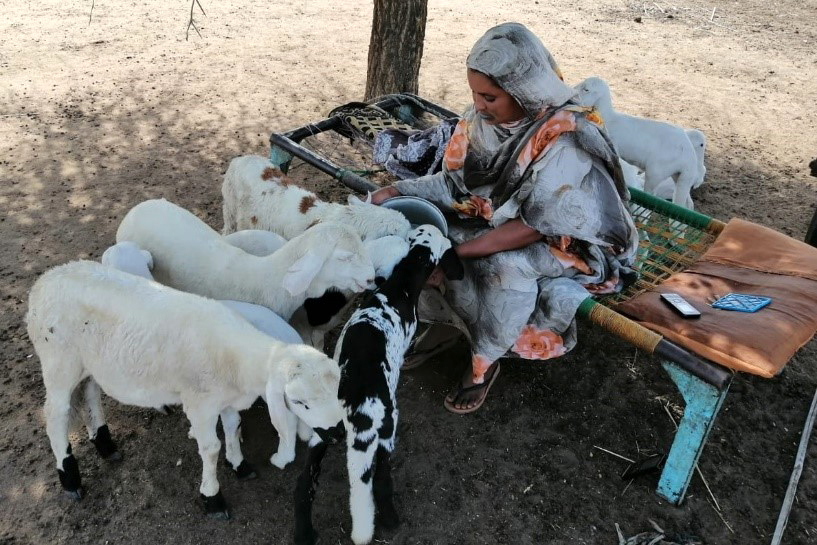
Farmers and pastoralists in the small village of Yarwa, in Sudan’s semi-arid region, face several threats to their way of life. Climate change and environmental degradation are damaging lands, destroying forests, and increasing the risk of drought, while the growth of commercial mechanized agribusiness is reducing their access to land. For a long time, small-scale farmers and pastoralists didn’t have any way of accessing finance to grow their businesses. And women, especially, were held back by societal norms, which gave them little say in financial decisions. Today, however, the 13 members of the Alwifaq women’s savings and credit group are charting a way to a better, more resilient future for their community.
Access to financial services is vital to global development, because having an account makes it easier to invest in health and education or in a business. Accounts also help families manage economic emergencies that can push them into poverty. As of 2021, 71% of adults in developing countries have an account with a financial institution or mobile money provider, an increase of more than 50% from a decade ago. Since 2011 the World Bank produces the Global Findex Database as the definitive source of data on global access to financial services from payments to savings and borrowing.
What is inflation, why is it happening, and what can governments do about it? IMF answers these questions in their newest series, Ask an Economist. Send your questions to AskanEconomist@imf.org