
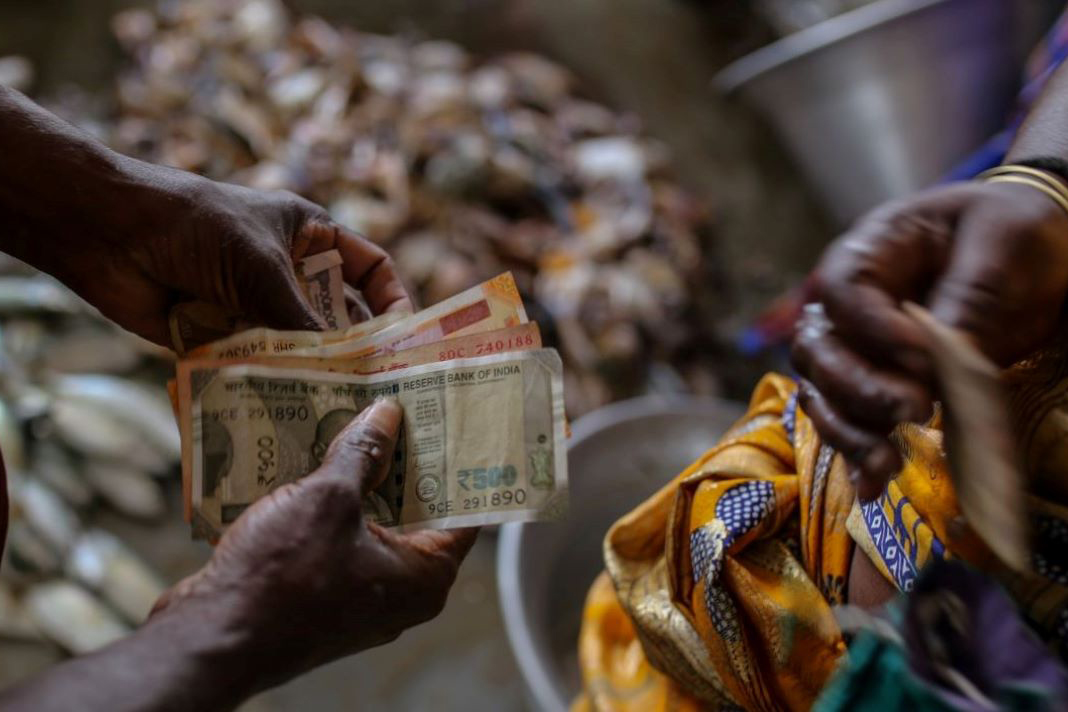
Remittances continue to matter more than ever, particularly in rural areas where they count the most and provide opportunities towards rural transformation. IFAD presents 12 reasons why.
Finance
Don Lolo has been growing coffee on the slopes of El Playón in Honduras for over fifty years. Now, thanks to from IFAD’s Rural Poor Stimulus Facility, he is using an online banking app to apply for loans, manage savings, and reach new buyers. Rural savings banks are a lifeline for small rural communities in Honduras, allowing small-scale farmers like Don Lolo to save and plan for the future. Sixty-six banks have benefited from the programme, which launched the app and provided bank members with tablets and training.
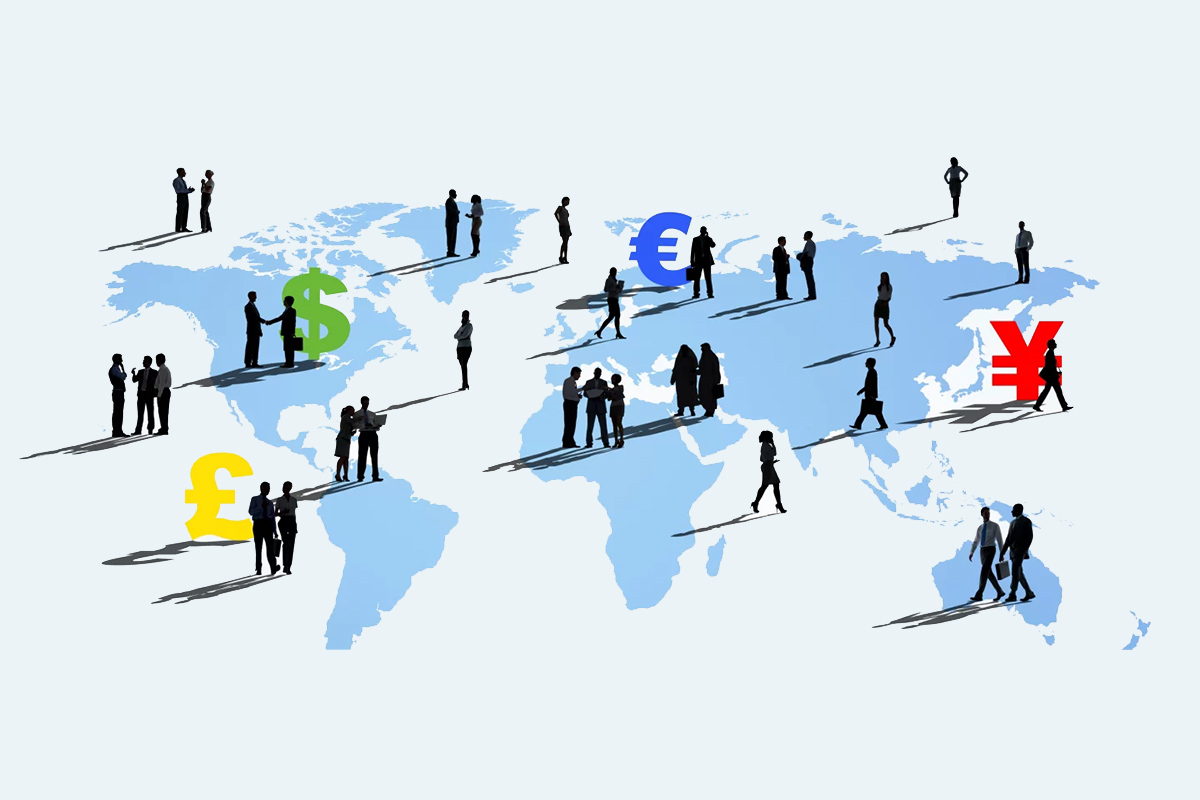
Officially recorded remittance flows to low- and middle-income countries (LMICs) are expected to increase by 4.2 percent this year to reach $630 billion. This follows an almost record recovery of 8.6 percent in 2021, according to the World Bank’s latest Migration and Development Brief released today. Remittances to Ukraine, which is the largest recipient in Europe and Central Asia, are expected to rise by over 20 percent in 2022. However, remittance flows to many Central Asian countries, for which the main source is Russia, will likely fall dramatically.

When was the last time you used cash? In his latest book, Eswar Prasad looks at a world, not that far off, where using cash will no longer be an option. Prasad is a professor of economics at Cornell University, and his book, The Future of Money, describes how digital currencies and other financial technologies are reshaping everything from consumer banking to monetary policy and international payments.
In this IMF podcast, he discusses the book with Finance and Development Magazine editor Chris Wellisz.
José Quisocala, set up a bank for social change in Peru at a tender age. Nine years on he is proud of his achievements, in seeking to impact society, especially the youth.

Growth slows as economies grapple with supply disruptions, higher inflation, record debt and persistent uncertainty, according to the IMF’s latest World Economic Outlook.
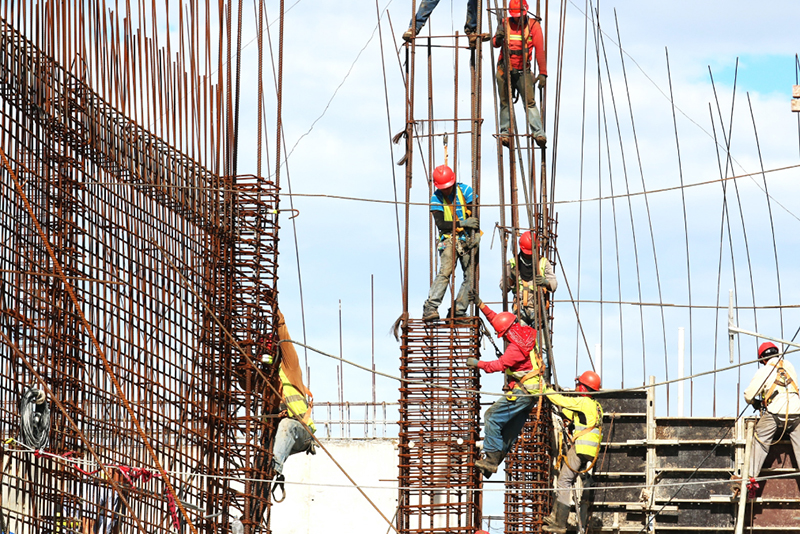
Global foreign direct investment (FDI) flows showed a strong rebound in 2021, up 77%, according to UNCTAD’s Investment Trends Monitor.
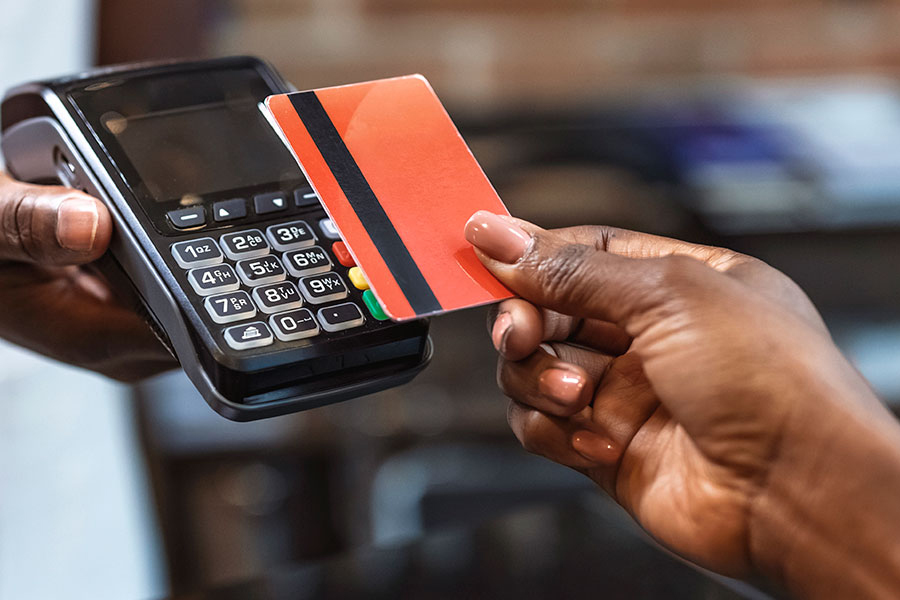
E-money is already a vital part of daily life for billions of people, especially in many developing countries, where many lack access to the banking system.

With inflationary pressures intensifying and Omicron generating new uncertainties, monetary policymakers face new and challenging tradeoffs. As the IMF warned a more frontloaded Fed response to dampen inflation risks could result in market volatility and create difficulties elsewhere—especially in emerging and developing economies. To avoid that, policy shifts need to be telegraphed well, as has so far been the case. Emerging market and developing economies should also prepare for increases in advanced economy interest rates through debt maturity extensions where feasible.
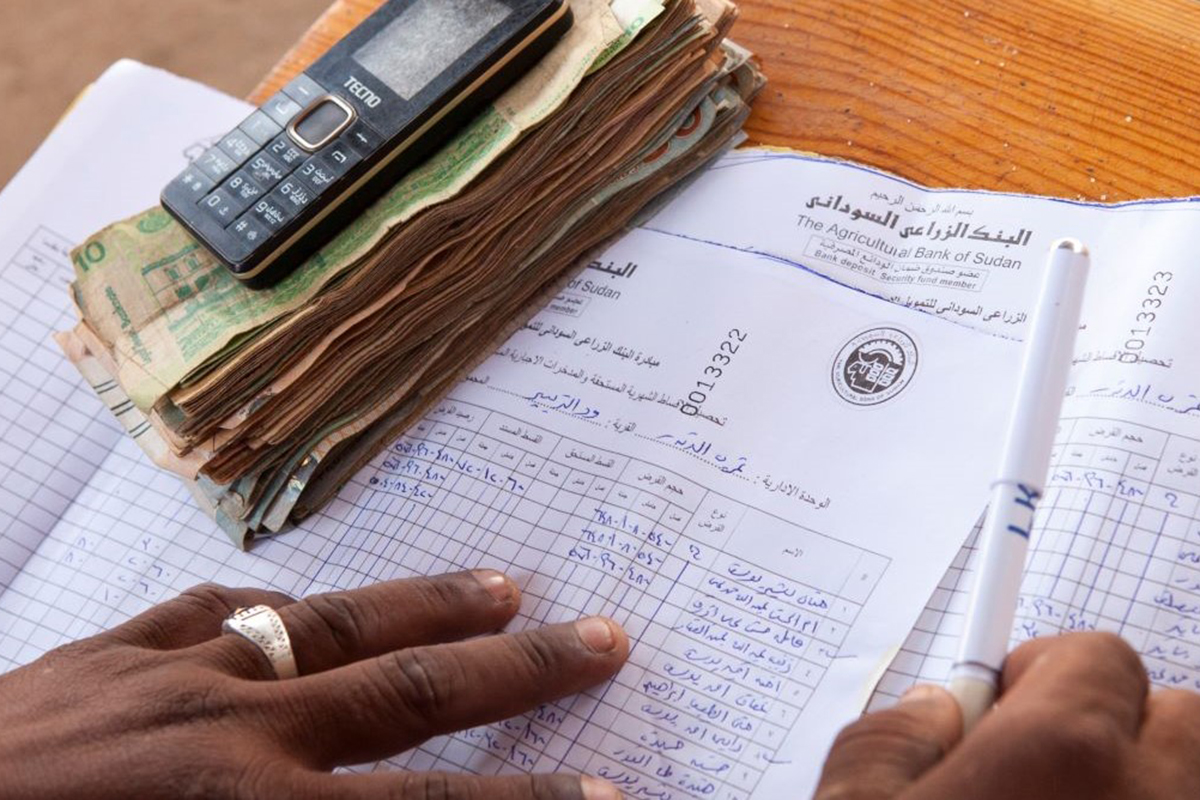
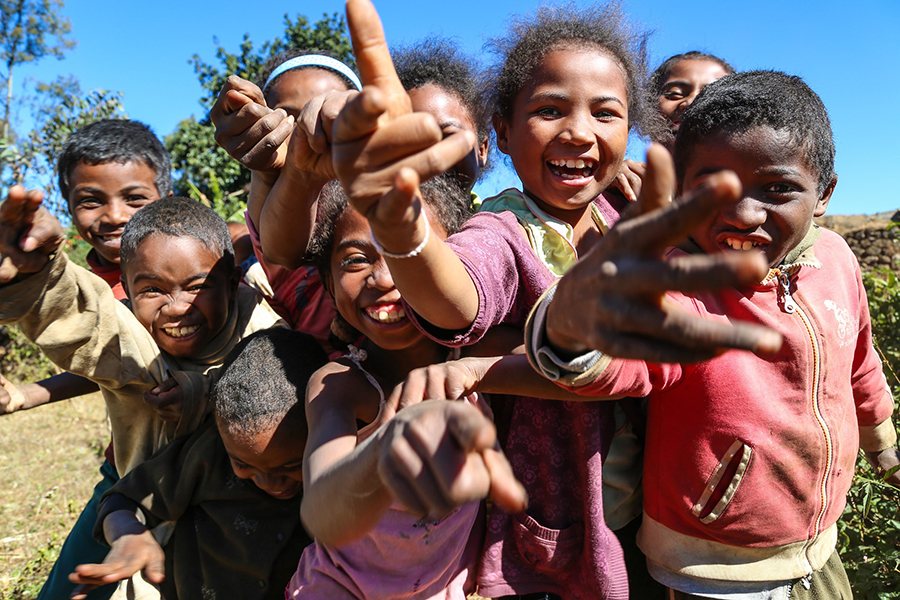
Since March 2020, governments have spent $16 trillion providing fiscal support amid the pandemic. Deficits are the highest they have been since World War II. This was absolutely necessary — IMF research indicates that if policymakers had not acted, last year’s recession, which was the worst peacetime recession since the Great Depression, would have been three times worse. The world lost $15 trillion in output as a result of COVID-19. The same energy that is being put into vaccination and plans for recovery spending also needs to be put into growth measures to make up for this lost output.

We celebrate the sacrifice of migrant workers, who support their families and communities of origin through the money they send back home, particularly in these times of crisis. Over 200 million migrants defied predictions and continued to send money to their countries of origin throughout the pandemic.
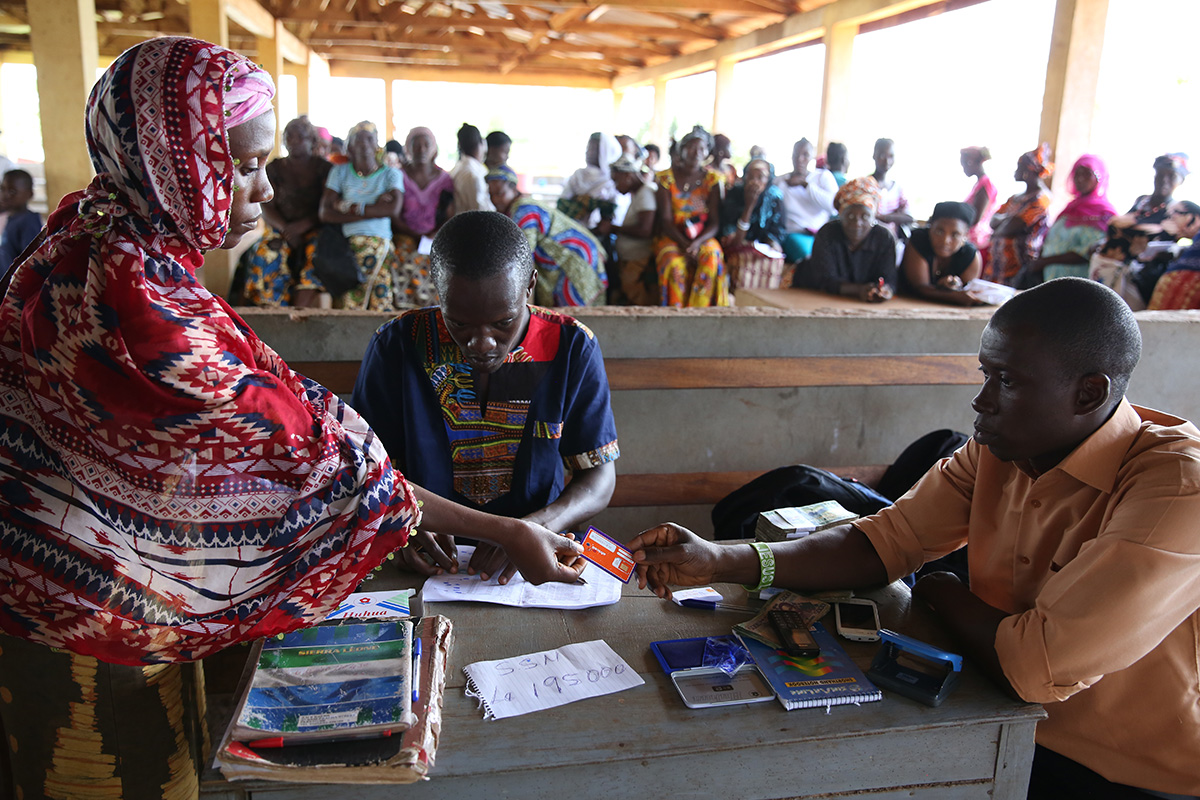
Remittance flows remained resilient in 2020, registering a smaller decline than previously projected. Remittance flows to low- and middle-income countries reached $540 billion in 2020, just 1.6 percent below the 2019 total of $548 billion, according to the latest World Bank’s Migration and Development Brief. The decline in 2020 was smaller than the one during the 2009 global financial crisis, mostly due to the fiscal stimulus that resulted in better-than-expected economic conditions in host countries.

Bold new mechanisms are urgently needed to help low- and middle-income countries address crippling debt, sharply worsened by the COVID-19 pandemic, threatening vital investment to tackle poverty and climate change for years to come, the United Nations Development Programme (UNDP) says in a new report. The report, Sovereign Debt Vulnerabilities in Developing Economies, analyses debt vulnerability across 120 low- and middle-income economies to identify which are most at risk. It classifies 72 economies as “vulnerable,” of which 19 are “severely vulnerable.” Based on measures of sustainable debt thresholds and ratios, it concludes that debt vulnerabilities for these countries will likely remain elevated for years and not return to pre-pandemic levels before 2024-2025.

The 2021 ECOSOC FfD Forum, on 12 to 15 April 2021, will provide an inclusive platform to advance an action-oriented dialogue on financing the COVID-19 recovery and sustainable development on the path to 2030. It will be geared towards building momentum for urgent global action to tackle challenges to the achievement of the Addis Ababa Action Agenda across all its seven action areas, in the context of COVID-19 and beyond. The event will bring together representatives of government and international organizations, civil society, the business sector and local authorities.