
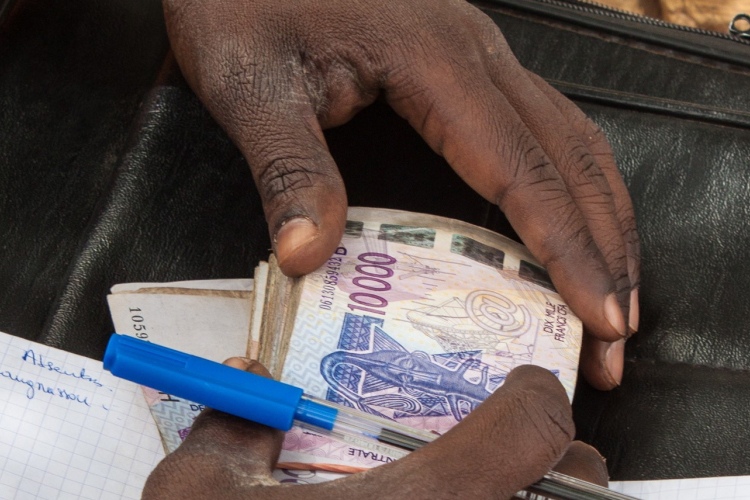
Since the onset of the COVID-19 pandemic, the world has been teetering on the brink of a global debt crisis. One year on from the Secretary-General’s policy brief on debt, he is launching a second policy brief, entitled Liquidity and Debt Solutions to Invest in the SDGs: The Time to Act is Now. The brief provides an overview of the still unfolding crisis, steps taken to date, and the additional measures that are needed. It calls for the creation of a new debt architecture, based on transparency, sustainability, responsible borrowing and lending, and fair burden sharing. A high-level virtual meeting underscores the urgency of this initiative.
Finance

The crisis has hit small and medium enterprises especially hard, causing massive job losses and other economic scars. Among these—less noticeable, but also serious—is rising market power among dominant firms as they emerge even stronger while smaller rivals fall away.
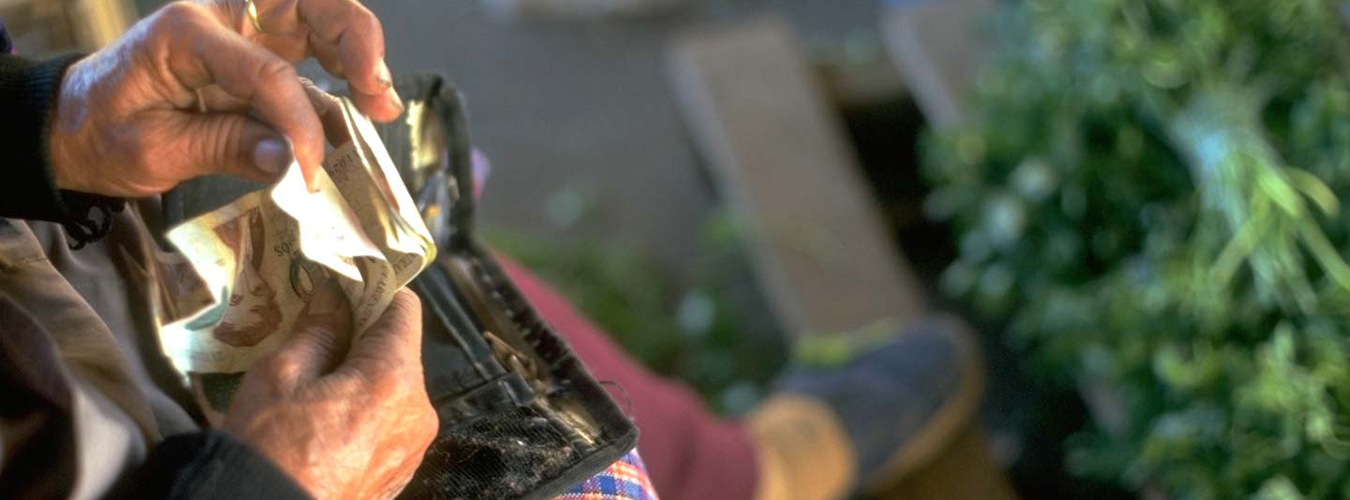
Today’s world is characterized by a dual monetary system, involving privately-issued money—by banks of all types, telecom companies, or specialized payment providers—built upon a foundation of publicly-issued money—by central banks. While not perfect, this system offers significant advantages, including: innovation and product diversity, mostly provided by the private sector, and stability and efficiency, ensured by the public sector.
Global uncertainty reached unprecedented levels at the beginning of the COVID-19 outbreak and remains elevated. The IMF World Uncertainty Index—a quarterly measure of global economic and policy uncertainty covering 143 countries—shows that although uncertainty has come down by about 60 percent from the peak observed at the onset of the COVID-19 pandemic, it remains about 50 percent above its historical average. Uncertainty is measured by the frequency that the word “uncertainty” is mentioned in the reports in proximity to a word related to the respective systemic-economy country.

The currencies held by central banks as foreign exchange reserves have remained largely steady over decades. Changes of these holdings can be described as glacial in pace. But geopolitical shifts and technological revolutions are reshaping the global economy and the international use of currencies. These forces, and the fallout from the COVID-19 pandemic, could further accelerate the transformations in the reserve holdings of central banks. A new IMF staff paper analyses the composition and drivers of central banks’ reserve currency holdings over recent decades.

During periods of financial insecurity, households often focus on immediate needs. And policymakers are often guided by short-term political cycles. Yet, achieving sustainable development — eradicating poverty, reducing inequality and combating climate change — requires a long-term perspective. Development banks can help with Sustainable Development Goal-related investments. The United Nations recognizes the significant role multilateral development banks play in financing sustainable development and providing know-how, therefore designates 4 December as the International Day of Banks.
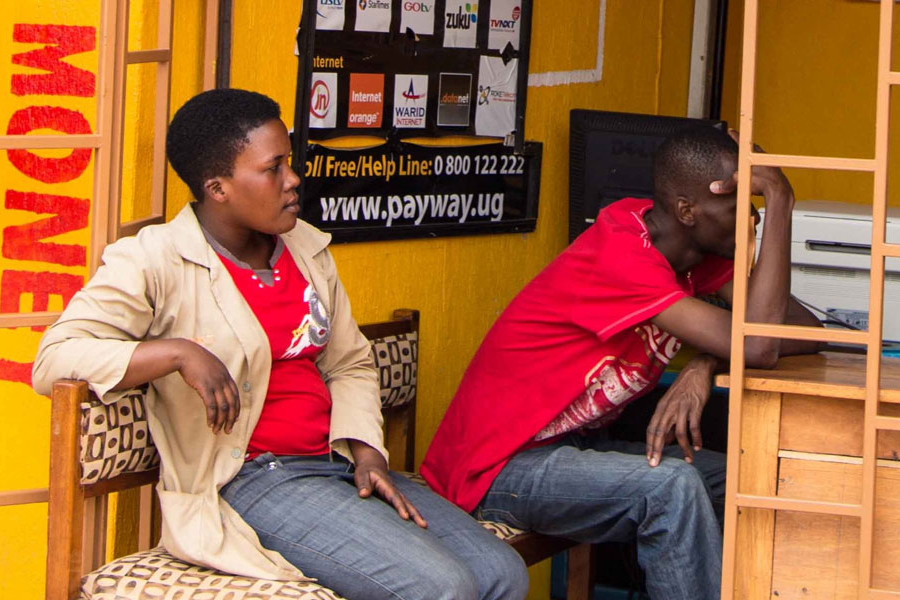
As the COVID-19 pandemic and economic crisis continues to spread, the amount of money migrant workers send home is projected to decline 14 percent by 2021 compared to the pre COVID-19 levels in 2019, according to the latest estimates published in the World Bank’s Migration and Development Brief. The foremost factors driving the decline in remittances include weak economic growth and employment levels in migrant-hosting countries, weak oil prices; and depreciation of the currencies of remittance-source countries against the US dollar.

With many still unemployed, small businesses struggling, and 80‑90 million people likely to fall into extreme poverty in 2020 as a result of the pandemic, it is too early for governments to remove the exceptional support. Yet many countries need to do more with less, given increasingly tight budget constraints. The IMF October 2020 Fiscal Monitor examines countries’ experiences managing the crisis and discusses what governments can do to save lives, reduce the impact of the recession, and revive growth and job creation.

A mineral tracking system designed by UNCTAD and the Zambian government makes it easier to detect illicit trade practices that drain billions of dollars each year from the copper-rich nation and its people. The government recovered about $1 million in unpaid export dues from mining companies just one year after piloting the system in 2016. In addition to tracking copper and other minerals, the system allows mining companies to submit their monthly mineral production reports electronically instead of travelling to the capital Lusaka to submit them in person.
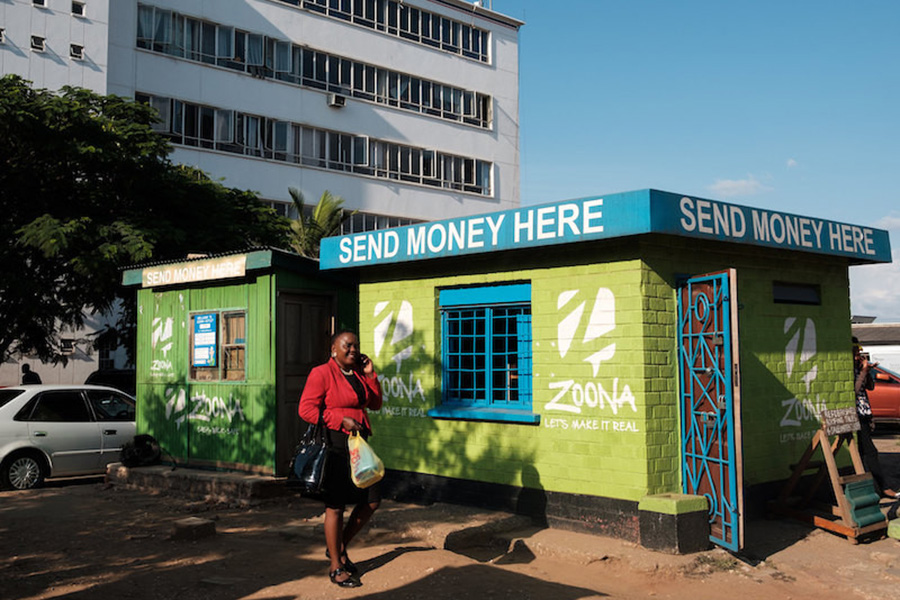
COVID-19 has had an oversized negative impact on migrant workers. Perhaps surprisingly, despite the bleak experience for foreign overseas workers during the pandemic, the effect on remittances—the flow of money they send back home—has, in many cases, proven resilient. But that trend may yet be upended. The predicament of migrant workers over the last few months has highlighted the pressing need—now greater than ever—to support them and their families back home. IMF offers some suggestions.
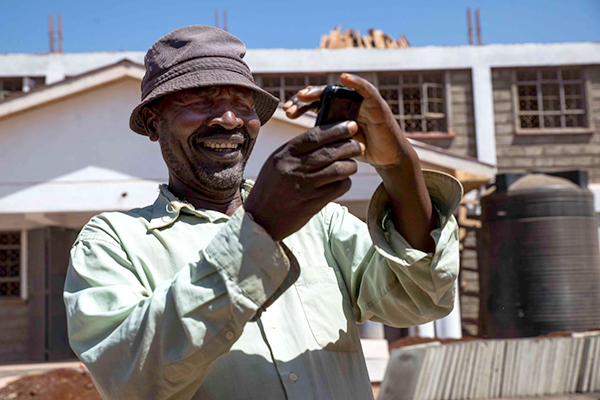
UNDP reports on how digital finance can be harnessed in ways that empower citizens as taxpayers and investors to better align people’s money with their needs, collectively expressed by the Sustainable Development Goals (SDGs). While the pandemic demonstrates the immediate benefits of digital finance, the disruptive potential of digitalization in transforming finance is immense. Mobile payment technologies have transformed mobile phones into financial tools for more than a billion people.
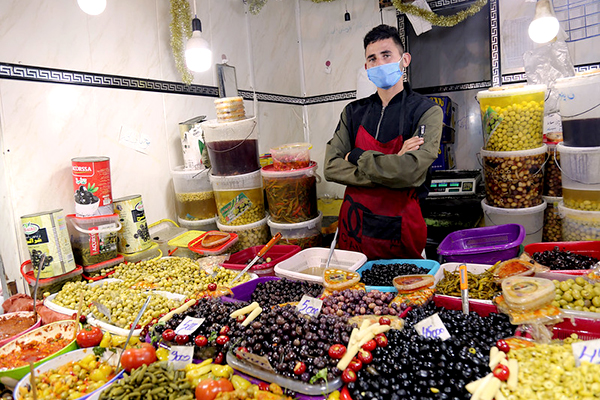
The IMF reports the economic impact of the COVID-19 pandemic on emerging market economies as far exceeding that of the global financial crisis. Unlike previous crises, the response has been decisive as in advanced economies. Emerging market economies were buffeted by multiple shocks. Compounding the effects of containment measures has been a decline in external demand. Particularly hit are tourism-dependent countries due to a decline in travel and oil exporters as commodity prices plummeted.
The World Bank assigns the world’s economies to four income groups—low, lower-middle, upper-middle, and high-income countries. The classifications are updated each year on July 1 and are based on Gross National Income (GNI) per capita. In each country, factors such as economic growth, inflation, exchange rates, and population growth influence GNI per capita. To keep the income classification thresholds fixed in real terms, they are adjusted annually for inflation.

The COVID-19 pandemic could be a game changer for digital financial services. Low-income households and small firms can benefit greatly from advances in mobile money, fintech services, and online banking. This digital financial inclusion can also boost economic growth. While the pandemic is set to increase use of these services, the IMF points out it has also posed challenges for the growth of the industry’s smaller players and highlighted unequal access to digital infrastructure.

The coronavirus crisis is a crisis like no other, and for emerging market and developing economies, it has triggered a policy response like no other. This large group of countries have bolstered health services and extended unprecedented support to households, firms, and financial markets. While limited policy space has kept the response at a smaller magnitude than in advanced economies, some even managed to help other countries. The IMF’s Policy Tracker summarizes common threads to their COVID-19 responses.