登录


The mineralogy of Lutetium
| General Properties | |
|---|---|
| Symbol: | Lu |
| Atomic Number: | 71 |
| Standard atomic weight (Ar): | 174.9668(1) |
| Electron configuration: | [Xe] 4f14 5d1 6s2 |
| Photos | ||
|---|---|---|
  | ||
| < | Lutetium | > |
| Atomic Properties | |
|---|---|
| Electronegativity (Pauling scale): | 1.27 |
| Atomic Radius: | 217 pm |
| Ionic Radius: | 86.1 pm (+3) |
| 1st Ionization energy: | 524 kJ/mol |
| 1st Electron affinity: | -50 kJ/mol |
| Oxidation States: | 3 |
| Physical Properties | |
|---|---|
| Standard State: | solid |
| Bonding Type: | metallic |
| Melting Point: | 1936 K |
| Boiling Point: | 3675 K |
| Density: | 9.84 g/cm3 |
| Metal/Non-Metal: | transition metal |
| Main isotopes of Lutetium | ||||
|---|---|---|---|---|
| Isotope | % in Nature | Half Life | Decay type | Decay product |
| 173Lu | synthetic | 1.37y | ε | 173Yb |
| 174Lu | synthetic | 3.31y | ε | 174Yb |
| 175Lu | 97.41% | - | α ? | 171Tm |
| 176Lu | 2.59% | 3.78×10¹⁰y | β− | 176Hf |
| Main ions of Lutetium | ||||
|---|---|---|---|---|
| Name | Ion | Example minerals | ||
| lutetium | Lu3+ | |||
| Other Information | |
|---|---|
| Year Discovered: | 1906 |
| Discovered By: |  Georges Urbain 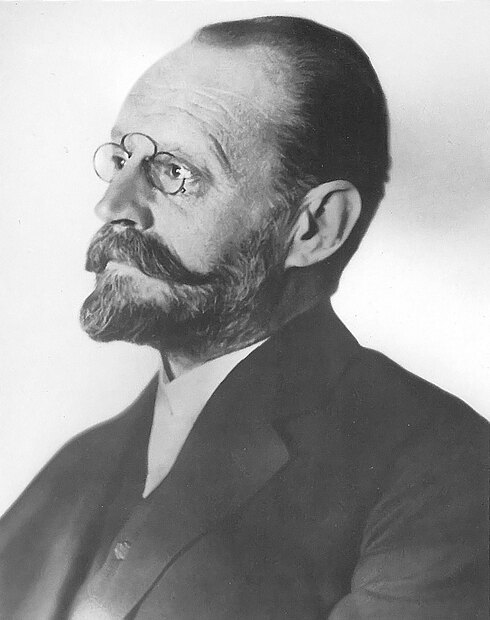 Karl Auer von Welsbach (1858-1929) Georges Urbain and Carl Auer von Welsbach |
| Year Isolated: | 1906 |
| Isolated By: | Carl Auer von Welsbach |
| Named For: |  Latin: Lutetia - the city of Paris |
| CPK color coding: | #00AB24 |
| External Links: | WikipediaWebElementsLos Alamos National LaboratoryTheodore Gray's PeriodicTable.com |
| Simple Compounds | |||||||||||||||||||||||||||||||||||||||||||||||||||||||||||||||||||||||||||||||||||||||||||||||||||||||||||||||||||||||||||||||||||||||||||||||||||||||
|---|---|---|---|---|---|---|---|---|---|---|---|---|---|---|---|---|---|---|---|---|---|---|---|---|---|---|---|---|---|---|---|---|---|---|---|---|---|---|---|---|---|---|---|---|---|---|---|---|---|---|---|---|---|---|---|---|---|---|---|---|---|---|---|---|---|---|---|---|---|---|---|---|---|---|---|---|---|---|---|---|---|---|---|---|---|---|---|---|---|---|---|---|---|---|---|---|---|---|---|---|---|---|---|---|---|---|---|---|---|---|---|---|---|---|---|---|---|---|---|---|---|---|---|---|---|---|---|---|---|---|---|---|---|---|---|---|---|---|---|---|---|---|---|---|---|---|---|---|---|---|---|
| Nitrides | dilutetium trinitride | LuN | +3 | ||||||||||||||||||||||||||||||||||||||||||||||||||||||||||||||||||||||||||||||||||||||||||||||||||||||||||||||||||||||||||||||||||||||||||||||||||||
| Sulfides | dilutetium trisulphide | Lu2S3 | +3 | ||||||||||||||||||||||||||||||||||||||||||||||||||||||||||||||||||||||||||||||||||||||||||||||||||||||||||||||||||||||||||||||||||||||||||||||||||||
| Tellurides | dilutetium tritelluride | Lu2Te3 | +3 | ||||||||||||||||||||||||||||||||||||||||||||||||||||||||||||||||||||||||||||||||||||||||||||||||||||||||||||||||||||||||||||||||||||||||||||||||||||
| Fluorides | lutetium trifluoride | LuF3 | +3 | ||||||||||||||||||||||||||||||||||||||||||||||||||||||||||||||||||||||||||||||||||||||||||||||||||||||||||||||||||||||||||||||||||||||||||||||||||||
| Chlorides | lutetium trichloride | LuCl3 | +3 | ||||||||||||||||||||||||||||||||||||||||||||||||||||||||||||||||||||||||||||||||||||||||||||||||||||||||||||||||||||||||||||||||||||||||||||||||||||
| Iodides | lutetium triiodide | LuI3 | +3 | ||||||||||||||||||||||||||||||||||||||||||||||||||||||||||||||||||||||||||||||||||||||||||||||||||||||||||||||||||||||||||||||||||||||||||||||||||||
| Oxides | dilutetium trioxide | Lu2O3 | +3 | ||||||||||||||||||||||||||||||||||||||||||||||||||||||||||||||||||||||||||||||||||||||||||||||||||||||||||||||||||||||||||||||||||||||||||||||||||||
| Niobates/Tantalates | lutetium tantalate | LuTaO4 | +3 | ||||||||||||||||||||||||||||||||||||||||||||||||||||||||||||||||||||||||||||||||||||||||||||||||||||||||||||||||||||||||||||||||||||||||||||||||||||
| Geochemistry of Lutetium | |
|---|---|
| Goldschmidt classification: | Lithophile |
| Lu3+ was one of the ions least depleted from the mantle in the formation of the crust. | |
| Lu3+ is enriched in Ca-Al-rich inclusions in meteorites relative to the composition of the solar system. | |
| Lu3+ is concentrated in residual soils and sediments (less certainty.) | |
| Elemental Abundance for Lutetium | ||
|---|---|---|
| Crust (CRC Handbook) | 8 x 10⁻⁷ | mass fraction, kg/kg |
| Crust (Kaye & Laby) | 8 x 10⁻⁷ | mass fraction, kg/kg |
| Crust (Ahrens/Taylor) | 3.00 x 10⁻⁷ | mass fraction, kg/kg |
| Crust (Ahrens/Wänke) | 5.76 x 10⁻⁷ | mass fraction, kg/kg |
| Crust (Ahrens/Weaver) | 2.30 x 10⁻⁷ | mass fraction, kg/kg |
| Upper Crust (Ahrens/Taylor) | 3.20 x 10⁻⁷ | mass fraction, kg/kg |
| Upper Crust (Ahrens/Shaw) | 2.30 x 10⁻⁷ | mass fraction, kg/kg |
| Sea Water (CRC Handbook) | 1.5 x 10⁻¹³ | mass per volume fraction, kg/L |
| Sea Water (Kaye & Laby) | 1.5 x 10⁻¹³ | mass per volume fraction, kg/L |
| The Sun (Kaye & Laby) | 1.5 x 10⁻⁷ | atom mole fraction relative to Si=1 |
| Solar System (Kaye & Laby) | 3.7 x 10⁻⁸ | atom mole fraction relative to Si=1 |
| Solar System (Ahrens) | 3.67 x 10⁻⁸ (1.3%) | atom mole fraction relative to Si=1 (% uncertainty) |
| Periodic Table | |||||||||||||||||||||||||||||||||||||||||||||||||||||||||||||||||||||||||||||||||||||||||||||||||||||||||||||||||||||||||||||||||||||||||||||||||||||||
|---|---|---|---|---|---|---|---|---|---|---|---|---|---|---|---|---|---|---|---|---|---|---|---|---|---|---|---|---|---|---|---|---|---|---|---|---|---|---|---|---|---|---|---|---|---|---|---|---|---|---|---|---|---|---|---|---|---|---|---|---|---|---|---|---|---|---|---|---|---|---|---|---|---|---|---|---|---|---|---|---|---|---|---|---|---|---|---|---|---|---|---|---|---|---|---|---|---|---|---|---|---|---|---|---|---|---|---|---|---|---|---|---|---|---|---|---|---|---|---|---|---|---|---|---|---|---|---|---|---|---|---|---|---|---|---|---|---|---|---|---|---|---|---|---|---|---|---|---|---|---|---|
| |||||||||||||||||||||||||||||||||||||||||||||||||||||||||||||||||||||||||||||||||||||||||||||||||||||||||||||||||||||||||||||||||||||||||||||||||||||||
| Ytterbium << Lutetium >> Hafnium | |||||||||||||||||||||||||||||||||||||||||||||||||||||||||||||||||||||||||||||||||||||||||||||||||||||||||||||||||||||||||||||||||||||||||||||||||||||||
Spotted a mistake/omission? - These pages are a work in progress, so please send all comments/corrections to jolyon@mindat.org. Thank you.
Constants and physical property data from:
Lide, David R. - Ed. (2005) CRC Handbook of Chemistry and Physics - A Ready-Reference Book of Chemical and Physical Data (85th ed.). CRC Press.
National Physical Laboratory (2005) Kaye and Laby Online (discontinued). https://web.archive.org/web/20190506031327/http://www.kayelaby.npl.co.uk/
Kaye, G. W. C.; Laby, T. H. (n.d.) Tables of Physical and Chemical Constants and some Mathematical Functions. Longmans, Green, and Co.
Greenwood, N.N.; Earnshaw, A. (1997) Chemistry of the Elements (2nd ed.). Butterworth–Heinemann.
Ahrens, Thomas J. - Ed. (1995) Global Earth Physics - A Handbook of Physical Constants - AGU Reference Shelf No. 1. American Geophysical Union.
Railsback, L. Bruce (2003) An earth scientist's periodic table of the elements and their ions. Geology, 31 (9) 737 doi:10.1130/g19542.1
Emsley, John (2001) Nature's Building Blocks - An A-Z Guide to the Elements. Oxford University Press, Oxford.